How to Make Soursop Bitters Safely: Flavor-First Beginner Guide

Home-crafted soursop bitters are gaining attention among curious makers and wellness enthusiasts, especially for those who search but can’t quite find the ideal “soursop bitters for sale.” Whether you’re drawn to bold, balanced flavors or prefer experimenting with alcohol-free extracts, making your own bitters is a journey in sensory exploration, creativity, and mindful ingredient selection. This guide is designed with beginners in mind, offering clear safety, flavor, and storage insights—so you can confidently create soursop bitters to fit your taste and values.
Understanding Soursop as a Bitters Ingredient
Soursop (Annona muricata), sometimes called graviola or guanabana, is cherished for its distinctive aroma and naturally complex flavor profile—a union of subtle sweetness, pronounced tang, and gentle bitterness. While not classically bitter in the way gentian or wormwood is, soursop’s notes shine when thoughtfully balanced with other botanicals in homemade bitters preparations.
Choosing the Base: Fruit, Leaves, or Dried Material
Fresh Soursop Fruit
- Flavor: Luscious, aromatic, soft tropical notes with mild tartness and a hint of green freshness.
- Consideration: Requires immediate use or proper refrigeration; avoid seeds for safety.
Soursop Leaves
- Flavor: Earthier, slightly grassy or herbal; less overtly fruity, more reminiscent of green teas.
- Consideration: Often available dried; convenient for year-round use. Ensure food-grade sourcing.
Dried Soursop Pieces
- Flavor: Intensified, slightly caramelized depth. Retains subtle sour and herbal undertones.
- Consideration: May be found in specialty or online shops focused on premium quality herbal goods. Excellent shelf life and less mess during preparation.
Tip: For best quality and safe infusion, always source organic, food-grade soursop material from a trusted supplier or directly from reputable wellness brands like Herbal Goodness.
Carrier Options: Alcohol, Glycerin, and Vinegar
Selecting the right extraction carrier shapes both the flavor and usability of your bitters. Let’s break down common choices from a beginner’s perspective.
Alcohol-Based Soursop Bitters
- Solvent: Neutral spirits (vodka, grain alcohol 40%–50% ABV).
- Flavor: Draws out aromatic and bitter compounds efficiently; preserves vibrant top notes and complex flavors.
- Stability: Long shelf life; popular for classic bitters recipes.
- Considerations: Not suitable for those avoiding alcohol, even in small amounts. Always label appropriately.
Alcohol-Free: Glycerin Extraction
- Solvent: Food-grade vegetable glycerin (ensure it’s palm-oil free if desired).
- Flavor: Sweet, syrupy mouthfeel; softens any bitterness—great for infusions where the focus is gentle and approachable.
- Stability: Shorter shelf life than alcohol, but still lasting if stored cool and dark.
- Considerations: Ideal for teetotalers, family-friendly recipes, or when shopping for non-alcoholic bitters is a challenge.
Vinegar-Based Soursop Bitters
- Solvent: Apple cider vinegar or white wine vinegar (with at least 5% acidity).
- Flavor: Tangy, sharp acidity can complement soursop’s tart edge, but risks overwhelming subtle aromatics if unbalanced.
- Stability: Decent shelf life (tightly sealed and refrigerated for best quality).
- Considerations: Excellent for culinary bitters or savory applications.
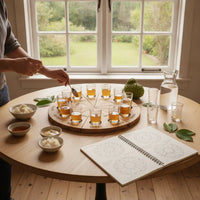
Flavor-First Tip: Sample your ingredients before infusion, and pair with a small amount of each carrier to test which flavor and aroma profile you prefer. Don’t be afraid to blend or layer solvents for more complexity.
Creating Bitters: A Safe, Sensory-Based Process
Making soursop bitters at home rewards patience and attention to detail. Here, we outline a beginner-friendly process mindful of both safety and flavor.
Basic Extraction Steps
- Prep Ingredients: Wash and chop fresh fruit (remove seeds), grind or break up dried leaf/piece material. Weigh to ensure consistency—2 to 4 oz botanical per 8 oz solvent is typical for beginners.
- Combine Botanicals & Carrier: Place your soursop material in a clean glass jar. Pour in carrier (alcohol, glycerin, or vinegar) so it covers the botanicals by at least an inch.
- Infuse: Seal the jar tightly. Store in a cool, dark place. Agitate gently every day. Typical extraction time is 2–4 weeks; taste-test every week to monitor development.
- Strain & Filter: When flavor is balanced to taste, strain out solid material using cheesecloth or a fine sieve. For clearer bitters, re-filter through a coffee filter.
- Bottle: Transfer to amber or cobalt dropper bottles for best protection against light and flavor loss.
Sensory Tips for Balancing Bitterness and Aroma
- Soursop pairs well with: Citrus peels, cardamom, gentle roots (such as burdock), and dried ginger for warmth.
- Too Bitter? Soften with a touch of dried orange peel, star anise, or a quick infusion of honey at the end.
- Aromatics fading? Try a split batch—infuse aromatics for a few days separately, then blend back into the main extract for more precise control.
- Safety Reminder: Always avoid soursop seeds and use food-grade materials. Label each bottle with the contents and date made.
Alcohol-Free Alternatives: Flavor and Use Cases
Not everyone wants alcohol-based extracts in their kitchen or wellness routine. Fortunately, soursop adapts beautifully to glycerin and vinegar. Both maintain unique flavor elements while catering to personal and family needs.
Glycerin Extracts
- How They Taste: Subtly sweet, mellow, and gentle on the palate. Excellent for use in fresh drinks, mocktails, and as a gentle addition to herbal blends.
- How to Shop or Order: Look for food-grade, non-GMO glycerin from wellness supply stores (including those that specialize in superfoods like Herbal Goodness). If making at home, use the same extraction ratios outlined above.
our Bulk Herbs collection offer a practical way to source a wider range of botanicals for your experiments.
Vinegar Infusions
- Flavor Benefits: Vinegar’s acidity can brighten soursop’s tangy notes. Pairs well with sharp herbs like rosemary or culinary spices for creative mixers and vinaigrettes.
- Best Quality: For premium results, use high-quality apple cider or wine vinegar, ensuring 5% acidity for safe preservation.
Safe Storage and Labeling Basics
Homemade bitters—like any infusions—need attention to detail in storage and labeling to maintain best quality and safety.
Storage Tips
- Light & Temperature: Keep finished bitters in dark, cool places. Alcohol-based bitters last up to a year (or more); alcohol-free versions are best used within 3–6 months.
- Containers: Amber dropper bottles or tightly sealed mason jars are ideal.
Labeling Musts
- Essential Info: Name of blend (e.g., “Soursop & Citrus Glycerin Bitters”), all botanical ingredients, carrier type, date of preparation, and any special sensory notes.
- Why It Matters: Proper labeling supports safe use, easy reordering of ingredients (buying for future batches), and sharing recipes confidently with friends and family.

DIY vs. Commercial Soursop Bitters: What Sets Them Apart?
Understanding differences between homemade and store-bought bitters supports informed decisions for those shopping, ordering, or deciding whether to buy premium soursop bitters next time.
Homemade Advantages
- Customization: Adjust bitterness, sweetness, and aromatics to your taste—something not always possible with commercial blends.
- Transparency: You know exactly what’s inside, from carrier to botanicals, supporting dietary values or sensitivities.
- Satisfaction: There’s joy in hands-on creation, especially when you can’t find your favorite Soursop Bitters 15X Liquid Extract | Organic Detox & Wellness Support for sale or wish to control premium ingredients.
Commercial Advantages
- Consistency: Professional producers often have standardized extraction, blending, and aging processes for precise flavor with every bottle.
- Convenience: No need to shop for or order rare botanicals and extraction carriers individually.
- Quality Assurance: Established wellness brands like Herbal Goodness offer organic and lab-tested options—valuable for those seeking peace of mind when buying online or in specialty stores.
Key Considerations When Deciding
- If you value hands-on experimentation and exact flavor, DIY may be most rewarding. If batch-to-batch consistency and time-saving matters, shopping for Soursop Bitters Graviola Capsules 1000mg | 120ct – Immunity & Detox from reputable brands could be your best quality option.
Simple Recipes to Start
Easy Soursop Leaf Glycerin Bitters
- 2 oz dried, food-grade soursop leaves (crushed)
- 8 oz food-grade vegetable glycerin
- Optional: Dried orange peel, cardamom pod, cinnamon stick
- Combine and follow extraction and storage steps as described above.

For an even more convenient start, try infusing ready-made Soursop Leaf Graviola Extract 15X Liquid | Organic Cell & Immunity into your DIY blends, especially if fresh or dried soursop leaves are harder to source in your area. This extract delivers concentrated botanical benefits and authentic soursop notes, ideal for both beginners and advanced experimenters.
Classic Soursop Fruit Alcohol Bitters
- 3 oz fresh soursop fruit (pulp only, seeds discarded)
- 8 oz 40% vodka
- Optional: Zest of 1 lime, slice of fresh ginger
- Combine, infuse, and finish as outlined in the guide.
Sensory Suggestion: Always taste as you go. Keeping notes on aroma, flavor, and color helps you refine each batch—and supports fun future blending or sharing with curious friends!

Additional Ways to Explore Soursop Bitters at Home
For those looking to deepen their exploration, Soursop Leaf Tea | Organic Graviola 24 Bags – Immunity & Cell Renew is an excellent way to enjoy the wellness benefits of soursop in a hot or iced infusion, balancing flavor and function. Complement your herbal creations by experimenting with pairings such as Raw Sea Moss 8oz Bag | St. Lucia Wildcrafted – Nature's Multivitamin or adding adaptogenic elements found in Organic Papaya Leaf Extract 16oz | 15X Liquid – Best Value Size for unique health-supporting blends.
If you value DIY wellness and variety, sourcing directly from our organic herbal teas or ordering an array of superfood botanicals keeps your flavor journey vibrant and evolving.
Conclusion: Empowering Your Soursop Bitters Journey
Exploring DIY soursop bitters is about celebrating flavor, safety, and the creative process. Whether you infuse with premium spirits or seek the gentleness of alcohol-free extracts, the possibilities for balancing aromatic complexity are endless. With thoughtful sourcing, mindful extraction, and proper labeling, your homemade bitters can offer both personal satisfaction and a flavor signature that’s uniquely your own.
FAQs:
- Where can I buy quality soursop ingredients for homemade bitters?
Look for organic, food-grade soursop fruit, leaves, or dried pieces from specialty health food stores, online wellness markets, or reputable herbal brands like Herbal Goodness. Always verify sourcing and quality before using them in infusions.
- What is the best solvent for alcohol-free soursop bitters?
Food-grade vegetable glycerin is a preferred solvent for alcohol-free soursop bitters. It creates a gentle, sweet extract that preserves delicate flavors and is suitable for those avoiding alcohol.
- How can I balance bitterness and aroma in my soursop bitters?
Taste your infusion regularly. Blend with citrus peels or gentle spices to adjust bitterness. For aromatics, consider infusing delicate botanicals separately and adding them at the end for more precise flavor control.
- How should I store homemade soursop bitters for best quality?
Keep bitters in dark glass bottles and store in a cool, dark place. Alcohol-based bitters last up to a year or more, while glycerin or vinegar extracts should be used within 3–6 months for optimal freshness.
- How do homemade soursop bitters compare to commercial options?
Homemade bitters offer customization and ingredient transparency, while commercial versions provide consistency and convenience. The choice depends on your priorities—hands-on creativity or ready-made reliability.
- Can I make soursop bitters without alcohol?
Yes, you can use food-grade vegetable glycerin or apple cider vinegar as alcohol-free carriers, following similar extraction and storage guidelines shared above.
- What labeling information should be included on homemade bitters?
Label each bottle with the botanical ingredients, carrier used, date of preparation, and any special notes. Proper labeling ensures safety, supports reorder accuracy, and helps share creations confidently.
Author Name:
Herbal Goodness Editorial Team
Author Bio:
The Herbal Goodness Editorial Team specializes in holistic health and superfoods, blending science and nature to educate and empower our community.
References:
Introducing Graviola to Young Taste Buds: Fun, Family-Friendly Flavor Exploration
Graviola in the Classroom and at Home: Creative Activities to Teach Kids About Tropical Plants