





How to Host a Guava Leaf Tea Tasting at Home: Simple Steps and Pairings
Gathering friends or family for a unique guava leaf tea tasting at home is a wonderful way to appreciate new flavors, foster connections, and explore the cultural richness behind a humble yet fascinating beverage. This guide presents everything you need for a memorable and enjoyable guava leaf tea tasting party—from simple preparation methods to interactive sensory prompts, flavorful pairings, and creative note-taking activities. Ready to embark on a tasting journey that sparks curiosity and conversation? Let’s get started.
Planning Your Guava Leaf Tea Tasting Event
Setting the Scene for Exploration
Creating an inviting and relaxed atmosphere is the foundation of a successful tasting. Choose a comfortable space—a kitchen, dining area, or living room table—and arrange your teas, cups, and tasting sheets where everyone can easily reach them. Soft lighting, gentle background music, and natural décor can help set a cozy mood.
Gathering Your Supplies
- Guava leaf tea (both fresh and dried, if available)
- Assorted teapots or infusers
- Premium filtered water (important for clarity of taste)
- Small tasting cups (ceramic or glass preferred)
- Flavor-neutral palate cleansers (plain crackers or rice cakes)
- Pens and printed note-taking sheets
- Small trays or plates for pairings
Consider setting out a selection of Papaya Leaf Tea - Organic 24/2g Tea Bags alongside your guava teas. This provides a gentle contrast and adds interest to your tasting table, allowing guests to explore subtle variations between tropical leaf teas.
Inviting Your Guests
Whether your group is big or small, consider sending cheerful invitations with a few hints about what to expect. Let guests know this event is about exploration and enjoyment, not expertise, so everyone feels welcome to share observations.
Prepping Guava Leaf Teas: Easy Methods to Try
Fresh vs. Dried Leaves
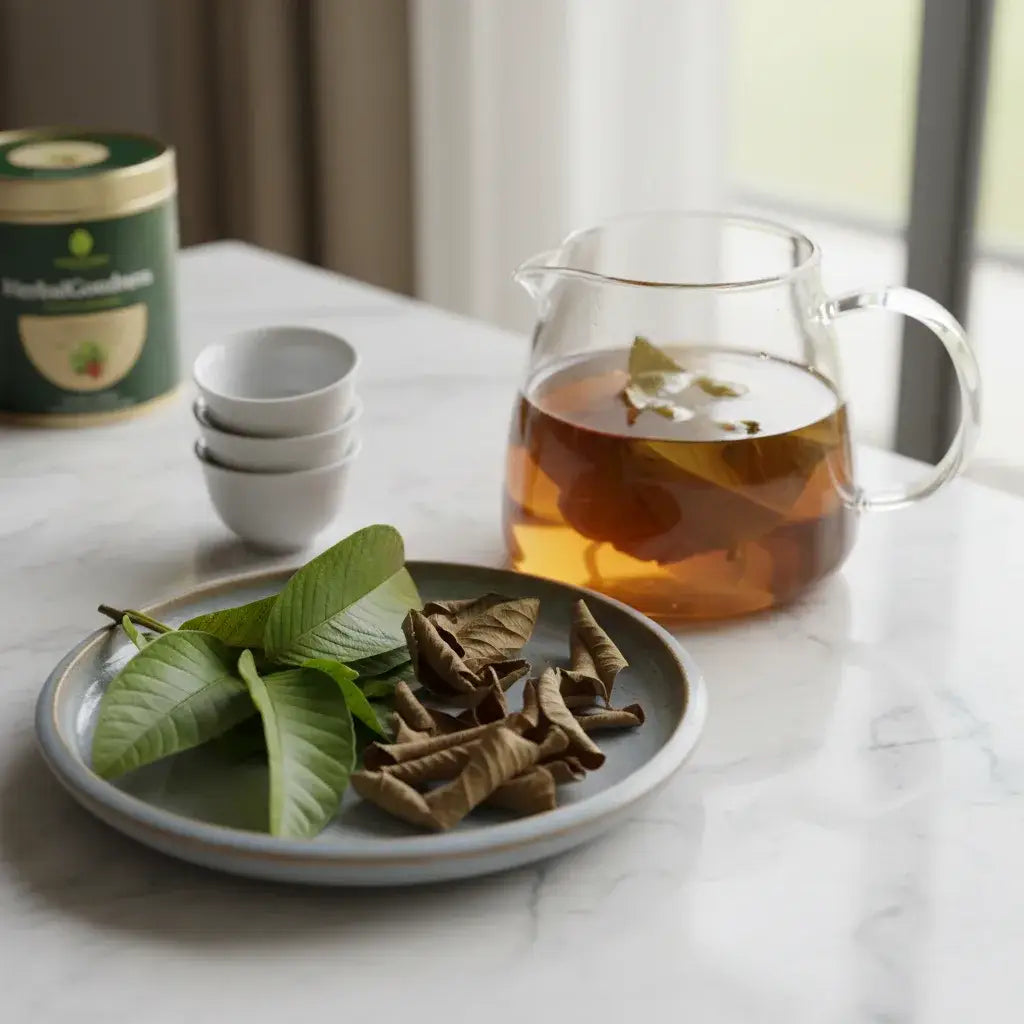
Preparing both fresh and dried guava leaf teas offers a hands-on opportunity to notice subtle differences. If possible, source fresh, pesticide-free guava leaves or choose quality dried guava leaves or teabags from a reputable supplier.
For an easy, premium choice, try Guava Leaf Tea - Organic - Tea 24/2g - Caffeine-Free to guarantee quality and flavor consistency for all participants at your tasting.
Simple Preparation Guide
- Fresh Guava Leaf Tea: Rinse leaves thoroughly. Tear or chop into smaller pieces. Steep 6–8 leaves per cup in near-boiling water for 5–10 minutes.
- Dried Guava Leaf Tea: Use 1–2 teaspoons of dried leaves or one teabag per cup. Steep in near-boiling water for 4–7 minutes.
- Compare flavors side by side: Try brewing both fresh and dried teas simultaneously for easy sensory contrast.
Exploring Temperature: Hot vs. Cold Brew
Experiment with two serving temperatures to expand the tasting menu:
- Hot Brew: Classic and aromatic. Prepare as above and serve immediately.
- Cold Brew: Subtle and smooth. Steep leaves in cold water in the refrigerator for 6–8 hours, strain, then serve chilled over ice. This method brings out delicate nuances and is especially refreshing on warm days.
Pair your guava tea cold brews with something fun from the Herbal Tea Trio - Guava, Hibiscus & Avocado Bundle – Refreshing Tea Collection for lively, chilled-tasting sessions.
Pro Tips for Brewing
- Always use freshly boiled water cooled slightly before pouring (about 175–185°F is ideal).
- Use neutral, unscented cups to avoid distracting aromas.
- Offer a small carafe of filtered water for palate cleansing between sips.
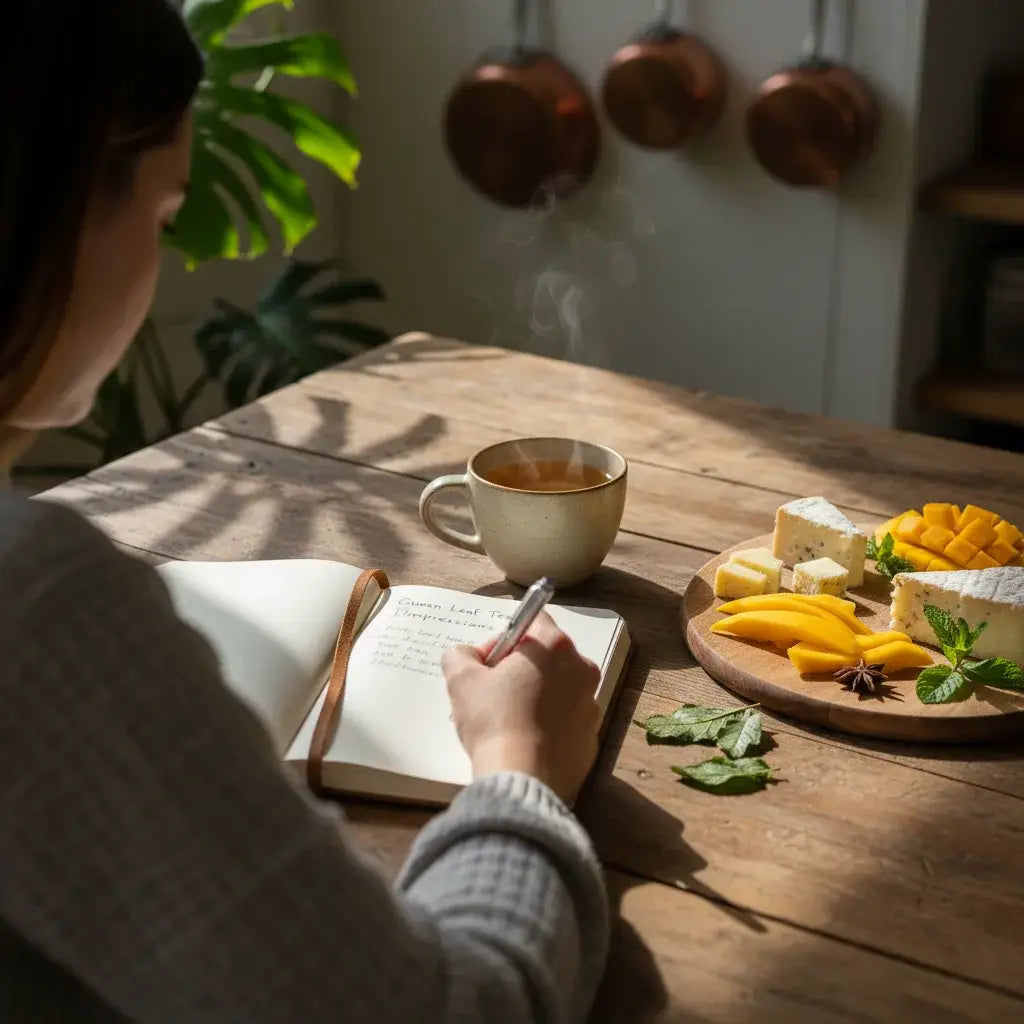
Guiding Guests Through a Sensory Tasting
Introducing the Sensory Experience
Start your event by inviting everyone to approach the tasting with curiosity. There’s no “right” or “wrong”—just honest impressions and appreciation for the process.
Step-by-Step Sensory Prompts
1. Appearance
- What do the leaves look like before and after brewing?
- How does the color of the liquid differ between fresh and dried, hot and cold?
2. Aroma
- Inhale the steam or scent from the cup—what comes to mind? Floral, grassy, earthy, or herbal notes?
3. Taste
- Take a small sip. Swish gently. Is the flavor bold or mild, astringent or soft?
- Do you notice hints of fruitiness, spices, or other familiar flavors?
4. Mouthfeel
- How does the tea feel on your palate? Light, silky, or full-bodied?
5. Finish
- What lingers as you swallow—a lingering flavor, slight sweetness, or dryness?
Invite your guests to compare their impressions when sampling Papaya Leaf Extract - Organic 1oz 15X Liquid - Blood Platelet against guava leaf teas. Layered herbal notes make for interesting conversation and palate training during the session.
Fostering Engaged Conversation
Encourage guests to share their observations, no matter how simple or imaginative. Use playful prompts:
- If this tea were a color, which would it be?
- Does this flavor remind you of another drink or food?
- Which brewing method do you enjoy more, and why?
Food Pairing Ideas for Guava Leaf Tea
Light and Balanced Snacks
Serving small bites with tea enhances the tasting and adds to guests’ enjoyment. Aim for pairings that complement, not overwhelm, the delicate flavors of guava leaf tea.
Sea Moss - Raw Dried from St Lucia - 8oz Bag - Nature's MultiVitamins is a unique nutrient-dense snack to pair with your teas, offering a naturally mild flavor and interesting texture alongside traditional crackers or nuts.
Suggested Pairings
- Mild cheeses: Fresh mozzarella or ricotta
- Fresh fruits: Sliced apples, pears, or citrus segments
- Simple pastries: Unsweetened tea biscuits, scones, or lightly sweetened mochi
- Toasted nuts: Almonds, cashews, or peanuts with light seasoning
- Rice crackers: Crisp and neutral for cleansing the palate
How to Serve
- Place each food item on a small plate for easy sharing
- Encourage guests to pair a bite with a sip and describe any flavor changes
- Offer water between bites and sips to refresh the palate

Note-Taking Templates for Flavor Discovery
Why Take Notes?
Jotting down sensory impressions helps participants reflect on their experiences and remember what they enjoyed. It also sparks conversation and playful debate!
A tasting session with the Herbal Tea Gift Set – Wellness Tea Gift Variety Collection - Organic 24 Teabags gives you a broad range to compare, and makes note-taking sheets extra useful for tracking new favorites.
Easy Note-Taking Sheet Example
Create a simple handout or notebook section with columns for:
- Tea Type: Fresh Hot / Dried Hot / Fresh Cold / Dried Cold
- Color: Light, golden, greenish, amber, etc.
- Aroma: Herbal, floral, grassy, fruity, other
- Taste Notes: Mild, robust, sweet, astringent, refreshing
- Mouthfeel: Silky, crisp, smooth
- Pairing Preference: Which food did it go best with?
- Personal Score: From 1–5 stars or a favorite symbol
Encourage doodles, playful comparisons ("reminds me of a summer afternoon!"), or even short poems for those artistically inclined. If your group enjoys blending, try out the Graviola, Hibiscus, Bamboo Herbal Tea Trio – Bundle (3 Packs) and add tasting notes for each unique blend.
Tips for a Memorable Guava Leaf Tea Tasting
Encourage Curiosity
Remind guests that there’s no “expertise” required. Curiosity, openness, and good company make each gathering unique.
Mix Up the Options
Besides the basic fresh vs. dried and hot vs. cold, consider:
- Brewing blends (guava leaf with lemongrass or mint)
- Adding a touch of honey or lemon for exploration
- Inviting guests to bring a personal favorite snack to share
For more experiment-friendly options, offer Guava Leaf - Organic 1oz 15X Liquid Extract - Immunity & Herbal Health for those who love to taste concentrated flavors or make herbal mocktails.
Capture the Moments
Take a group photo or ask guests to share a memorable quote about the tasting. Creating small keepsakes, like a personalized tasting card or recipe, adds a thoughtful touch.
Wrapping Up and Next Steps
Once the tasting winds down, invite everyone to share their favorite tea, pairing, or moment from the experience. If there’s extra tea, offer sample bags for guests to take home and encourage future tastings or pairings of their own. Enjoy the sense of discovery and connection that simple gatherings like these provide.
FAQs:
- What is the best way to prepare guava leaf tea for a tasting?
Use both fresh and dried guava leaves, steeping fresh leaves for 5–10 minutes and dried leaves for 4–7 minutes in near-boiling water. For more variety, try cold brewing in the refrigerator for several hours.
- What foods pair well with guava leaf tea?
Mild cheeses, fresh fruits, unsweetened tea biscuits, toasted nuts, and rice crackers make ideal pairings by complementing the gentle flavors of guava leaf tea.
- How can guests participate during a tea tasting?
Guests can use sensory prompts to describe the tea’s color, aroma, taste, and mouthfeel, share observations, and jot down notes or sketches to personalize the experience.
- Should guava leaf tea be served hot or cold during a tasting?
Serve both! Offering hot and cold varieties lets guests explore different nuances and discover personal preferences.
- What are some conversation starters for a guava leaf tea tasting?
Ask guests which flavor reminds them of another food or time, what color or mood the tea evokes, and which pairing they enjoyed most.
Author Name:
Herbal Goodness Editorial Team
Author Bio:
The Herbal Goodness Editorial Team specializes in holistic health and superfoods, blending science and nature to educate and empower our community.
References:
Introducing Graviola to Young Taste Buds: Fun, Family-Friendly Flavor Exploration
Graviola in the Classroom and at Home: Creative Activities to Teach Kids About Tropical Plants


FAQs
Drinking bamboo leaf tea supports hydration, relaxation, skin wellness, and antioxidant balance.
It’s used for general body wellness, skin elasticity, hair and nail support, and overall vitality.
Yes, bamboo leaf is rich in silica and antioxidants, which promote healthy skin, strong nails, and a youthful glow.
You can find dried bamboo leaf, powder, extract, drops, oil, and bamboo leaf green tea.
Bamboo leaf is generally safe when consumed in moderation. Always consult your healthcare provider before starting any new herbal supplement.