





How to Find Authentic Black Cumin Oil by Region and Name

How to Find Authentic Black Cumin Oil by Region and Name
Black cumin oil, derived from the tiny seeds of Nigella sativa, is a globally cherished botanical known for its rich, aromatic flavor and traditional uses across many cultures. Whether you're shopping online or in your neighborhood spice shop, navigating the different names, varieties, and sourcing clues can make all the difference in finding the authentic oil you're seeking. This guide explores how local names, processing styles, and retail channels shape what you'll find for sale—and how you can confidently identify the black cumin oil that's right for you.
Understanding Black Cumin Oil: Global Roots and Local Names
Known by many different names worldwide, black cumin oil reflects centuries of culinary and folk use from the Middle East to South Asia and Africa. These local names and label details can offer valuable hints about a bottle's origin and authenticity.
Common Regional Names for Black Cumin Oil
- Kalonji Oil: A South Asian term, "kalonji" is widely recognized in India, Pakistan, and Bangladesh for Nigella sativa seeds and oil made from them.
- Habbat Al-Barakah: Meaning "the blessed seed" in Arabic, this label is common in Middle Eastern and North African markets.
- Black Seed Oil: An international catchall, often used in English-speaking countries but sometimes covering various regional sources.
- Nigella Sativa Oil: The botanical name frequently appears on labels in herbalist shops and specialty grocery stores.
- Charnushka: Used in Russia and some Eastern European countries for both the seed and its pressed oil.
Recognizing these names is your first step in searching for authentic bottles, especially in stores serving multicultural communities.
Varietal Traditions and Oil Styles by Region
The flavor, aroma, and oil profile of black cumin oil can vary depending on where the seeds were grown and how the oil was extracted. Understanding regional distinctions helps set expectations about what you’ll find.
Distinctive Varietal Differences
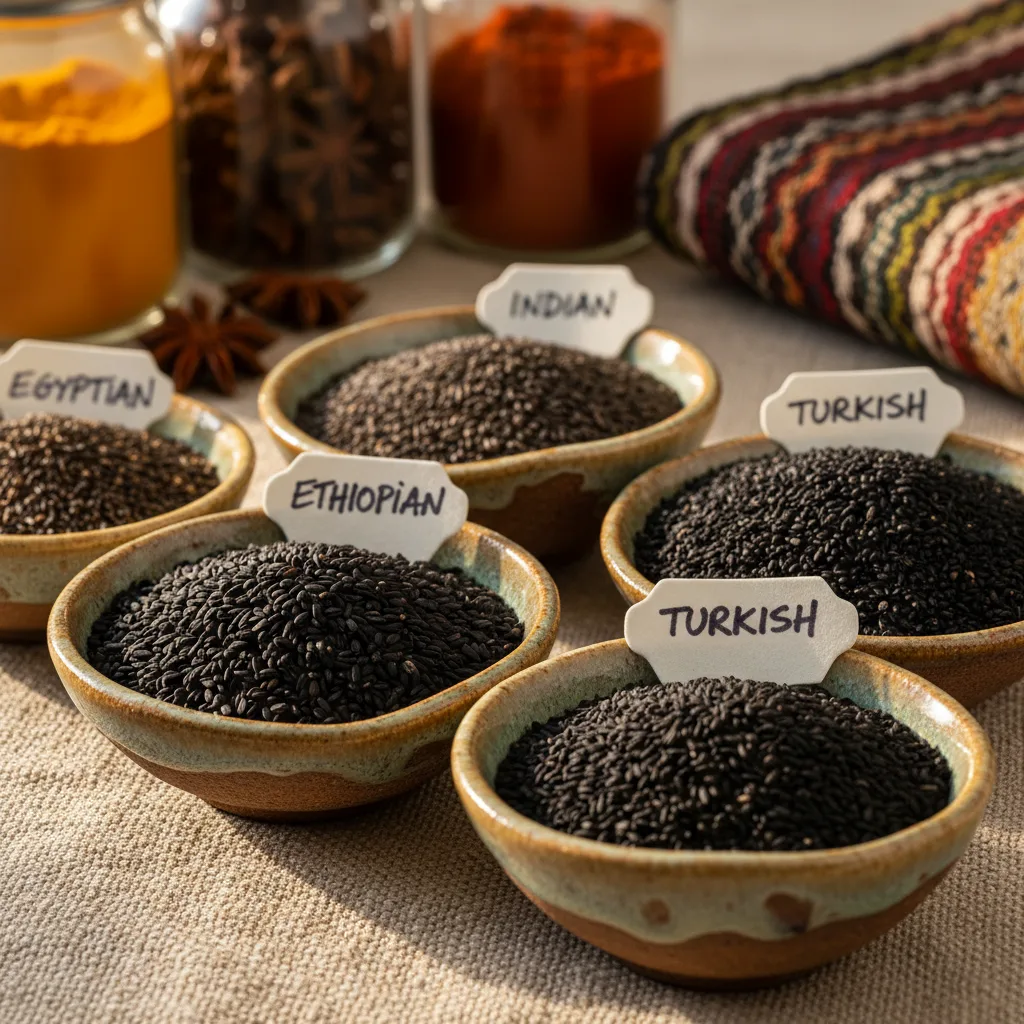
- Middle Eastern Oils: Usually dark, intensely aromatic, pressed from locally grown seeds. Look for "habbat al-barakah oil" in Lebanese, Egyptian, or Saudi grocery shelves.
- South Asian Oils: Kalonji oil from India or Pakistan may have a slightly milder or more nutty scent, reflecting local processing norms.
- Ethiopian Black Cumin Oil: Sometimes labeled as "Habba Sawda" or "Tena Adam." Typically cold-pressed, these oils are gaining popularity in specialty shops.
Processing Methods and Their Impact
- Cold-Pressed Oils: Maintain a robust flavor profile and preserve the natural properties of the seeds. Bottles often state “cold-pressed” or “first press.”
- Filtered vs. Unfiltered: Unfiltered oils may appear slightly cloudy and can contain seed sediment, a sign of traditional pressing.
- Carrier Oils: Some commercial black seed oils blend Nigella sativa oil with other oils. Check labels carefully to ensure purity if you want 100% black cumin oil.
Decoding Product Labels: What to Look For
Selecting an authentic black cumin oil often comes down to reading the label thoroughly. Here’s how to interpret the most common label details:
Essential Label Clues
- Botanical Name: Nigella sativa should appear in the ingredients list.
- Origin Statement: Look for “Product of Egypt,” “Made in India,” “Nigerian Black Cumin,” or similar wording to confirm regional sourcing.
- Extraction Method: “Cold-pressed,” “expeller-pressed,” or “solvent-free” are indicators of traditional oil making.
- Purity Claims: Look for “100% pure,” “unrefined,” or “single ingredient” to minimize blends or fillers.
- Certifications: Organic, non-GMO, or third-party purity seals can provide additional assurance, especially in online shops.
Understanding these terms empowers you to choose with confidence even before opening the bottle.
Shopping for Black Cumin Oil: Where and How to Search
Depending on your location and shopping habits, you can find black cumin oil at a range of retailers—from bustling ethnic grocers to natural marketplace websites. Each option has its own advantages.
Brick-and-Mortar Retailers
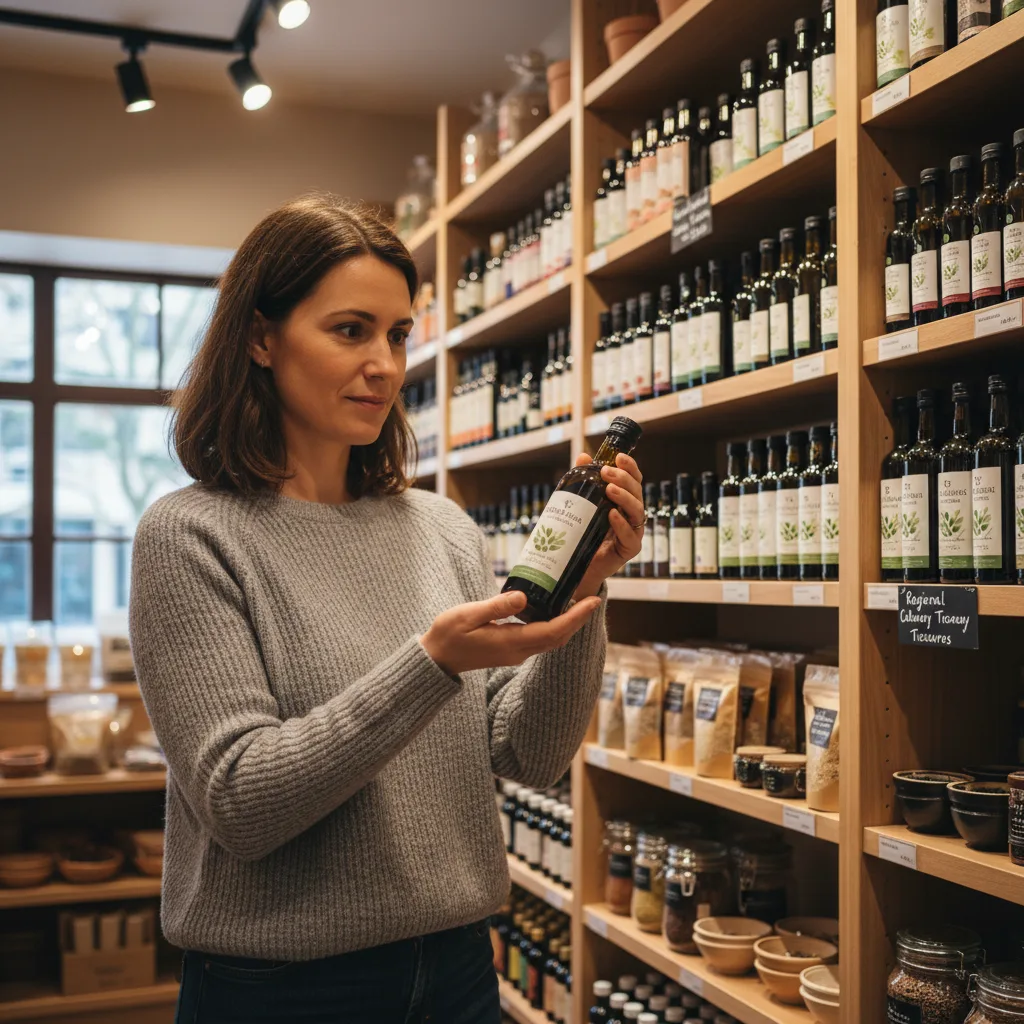
- Ethnic Grocers: Ideal for region-specific oils labeled "kalonji," "habbat al-barakah," or "black cumin oil." Staff are often knowledgeable and may provide sourcing details.
- Spice Markets: Especially in cities with diverse cultural communities, spice markets commonly carry black cumin oil alongside whole seeds and related products.
- Natural Food Stores/Apothecaries: Seek out cold-pressed bottles in herbal health sections. Ask for guidance if the product is behind the counter.
Online Marketplaces
- Specialty Boutiques: Look for websites specializing in Middle Eastern, Indian, or Ethiopian groceries or herbal wellness brands with transparent sourcing.
- Global Shopping Platforms: “Black seed oil,” “nigella sativa oil,” or region-specific terms (like “kalonji oil”) will return a variety of options—always review seller ratings and product details.
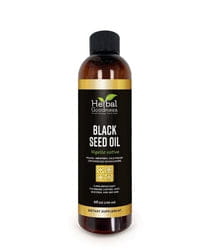
- Company Websites: Shopping directly from reputable brands offers a clearer idea of sourcing, certifications, and purity statements. Seek out sources that offer Black Seed Oil 8oz - Cold-Pressed Liquid - Immunity & Wellness for a reliable choice.
Search Tips for Success
- Use Multiple Names: Try “black seed oil,” “black cumin oil,” and “kalonji oil” in search engines or online shops for broader results.
- Check Reviews: Users often share experiences about scent, flavor, and regional authenticity—great clues for your selection.
- Compare Packaging: Authentic regional bottles may differ from mass-market oils in labeling, bottle color, or closure style (traditional cork vs. modern cap).
Understanding Regional Styles and When to Choose Each One
Each region’s oil reflects unique traditions and growing conditions. Consider what matters most for your needs:
Middle Eastern vs. South Asian Oils
- Middle Eastern (Habbat Al-Barakah): Sought for depth of flavor, aroma, and centuries-old tradition. Those wanting a bold, intense oil may lean this way.
- South Asian (Kalonji): Preferred for its milder profile—great for culinary uses or gentle herbal taste.
Specialty or Ethiopian Black Cumin Oils
- Ethiopian Varieties: Increasingly praised for their robust yet balanced flavor, often cold-extracted in small batches. Appealing for those seeking a distinctive aroma.
Factors to Consider When Selecting a Bottle
- Flavor Preferences: Are you after a strong, peppery kick or a subtle, earthy essence?
- Culinary or Herbal Use: Regions may have traditional recipes for salad dressings, spice blends, or infusions.
- Certifications and Purity: For personal peace of mind, especially if you value organic or single-source origin. For those seeking other potent botanicals with traditional roots, you can also explore Soursop Leaf Graviola Extract - - Organic 15X Liquid Extract - Cell Renew & Immunity.
Practical Tips for Ensuring Authenticity and Quality
Finding an oil you love is about more than the label. Here are a few expert strategies:
- Ask Questions: Don’t hesitate to inquire about source, extraction process, or recommended culinary uses.
- Inspect the Bottle: Dark glass helps protect oils from light exposure and signals attention to quality.
- Smell and Taste: Authentic black cumin oil should have a strong, aromatic scent and a peppery taste—bland or neutral oils may be diluted. If you’re looking to expand your collection of traditional oils and superfoods, consider rotating your regimen with Papaya Leaf Extract - - Organic 16oz 15X Liquid Extract, also valued for wellness support.
- Check for Sediment: Unfiltered oils sometimes retain a slight sediment, a sign they’re minimally processed.
Recognizing Red Flags When Shopping
Unfortunately, popularity sometimes leads to imitation or diluted products. Learn to spot signs that an oil may not reflect true black cumin standards:
- Lack of Botanical Information: If the label omits Nigella sativa, it may be another seed entirely.
- Oddly Low Prices: If it’s much cheaper than competitors, especially for organic or cold-pressed oil, check for blends or lower quality.
- Missing Expiry Date: Reputable producers include clear best-by or production dates to assure freshness.
- Opaque or Mislabeled Packaging: Translated labels should match local standards; watch for spelling or grammar errors as signs of non-authentic bottling.
Conclusion: Enjoying the Global Diversity of Black Cumin Oil
Whether you’re seeking out “habbat al-barakah” from a Middle Eastern market or “kalonji oil” from a South Asian grocer, a little label literacy and curiosity can help you explore a world of flavors and wellness traditions. From reading the fine print to trusting your senses, each bottle tells the story of its regional origin and craft.
With thoughtful shopping, you can confidently find and enjoy the authentic black cumin oil best suited to your preferences, whether for culinary adventure, traditional uses, or simply curiosity about global superfoods. Discover global botanicals for your shelf, including Soursop Leaf Graviola Extract - - Organic 15X Liquid Extract - Cell Renew & Immunity and try new tastes with Papaya Leaf Extract - - Organic 16oz 15X Liquid Extract.
FAQs:
- What are the different names for black cumin oil in various regions?
Black cumin oil is known by several names globally, including 'kalonji oil' in South Asia, 'habbat al-barakah' or 'black seed oil' in the Middle East and North Africa, and 'Nigella sativa oil' in scientific or herbalist contexts.
- Where can I buy authentic black cumin oil?
You can find authentic black cumin oil at ethnic grocers, specialty spice shops, natural food stores, and reputable online marketplaces. Look for regional names and reputable sources.
- How do I know if a black cumin oil is pure?
Check the label for phrases like '100% pure,' 'cold-pressed,' and 'Nigella sativa.' Bottled oils with clear ingredient lists, origin statements, and minimal additives are preferable.
- Are there notable differences between Black Seed Oil from different regions?
Yes, regional black seed oils can differ in aroma, flavor, and color due to seed variety and pressing methods. For example, Middle Eastern oils are often more robust, while South Asian oils may be milder.
- What should I check on the label to ensure quality?
Look for the botanical name, origin, extraction methods, and certifications. Avoid oils with unclear labeling, blends, or missing best-by dates.
- Can I find black cumin oil in regular supermarkets?
Regular supermarkets may carry black seed oil, but for specific regional varieties or artisanal oils, ethnic markets and specialty shops often offer a wider selection.
Author Name:
Herbal Goodness Editorial Team
Author Bio:
The Herbal Goodness Editorial Team specializes in holistic health and superfoods, blending science and nature to educate and empower our community.
References:
Oregano Oil vs. Black Seed Oil: Sensory & Sourcing Guide
A World Map of Adaptogenic Herbs: Origins & Traditions
National Center for Biotechnology Information: Nigella sativa