





How Bamboo Leaf Extract Is Made: Harvest to Extraction Explained

How Bamboo Leaf Extract Is Made: Harvest to Extraction Explained
Bamboo leaf extract has become a staple in the world of natural wellness products. Whether you’re trying to understand what makes each bottle unique or are simply curious about where your herbal supplements start, knowing the journey from fresh bamboo leaf to finished extract can give you greater insight as a consumer. In this guide, we take you through the complete process—starting at the leafy groves and ending with key label terms to understand before buying. Our focus is on education, transparency, and helping you truly grasp how bamboo leaf extract is made and what sets one product apart from another.
The Journey Begins: Bamboo Leaf Harvesting
Before any extraction happens, sourcing quality bamboo leaves is crucial. Harvesting isn’t just about picking any leaf—it’s a careful process shaped by timing, sustainability, and plant care.
When and How Are Bamboo Leaves Harvested?
Bamboo leaves are typically harvested when they are at their nutritional peak—generally during the growing season, when the leaves are vibrant and green. Experienced harvesters select young, tender leaves, as these often carry higher concentrations of beneficial plant compounds. The method of harvesting can vary:
- Hand-harvesting: Often practiced on smaller, organic farms, this method involves gently snipping leaves by hand to avoid damaging the plant.
- Mechanical harvesting: Larger operations may use specialized tools, but care is still taken to only collect healthy leaves.
Sustainability Matters
Responsible harvesting ensures that bamboo plants remain healthy and continue growing. Many reputable brands source their leaves from certified organic farms that use eco-friendly practices—preserving both the plants and the land they’re grown on.
Preparing for Extraction: Cleaning and Drying Bamboo Leaves
After the leaves are harvested, the next step involves careful preparation. This phase is essential to preserve quality—and directly impacts both the flavor and shelf life of the final extract.
Why Dry Bamboo Leaves?
Freshly harvested bamboo leaves contain moisture that can lead to spoilage if not addressed. Drying them removes this excess water, stabilizes the plant material, and locks in active compounds.
- Air-drying: Leaves are spread in thin layers in the shade, away from direct sunlight. This gentle method helps maintain both color and flavor integrity.
- Oven drying: For commercial use, controlled low-temperature ovens quickly and evenly dry large quantities, preserving more nutrients compared to sun-drying.
Once dried, the leaves are often milled or cut into smaller pieces, making them easier to work with during extraction.
Extraction Techniques: From Leaf to Liquid
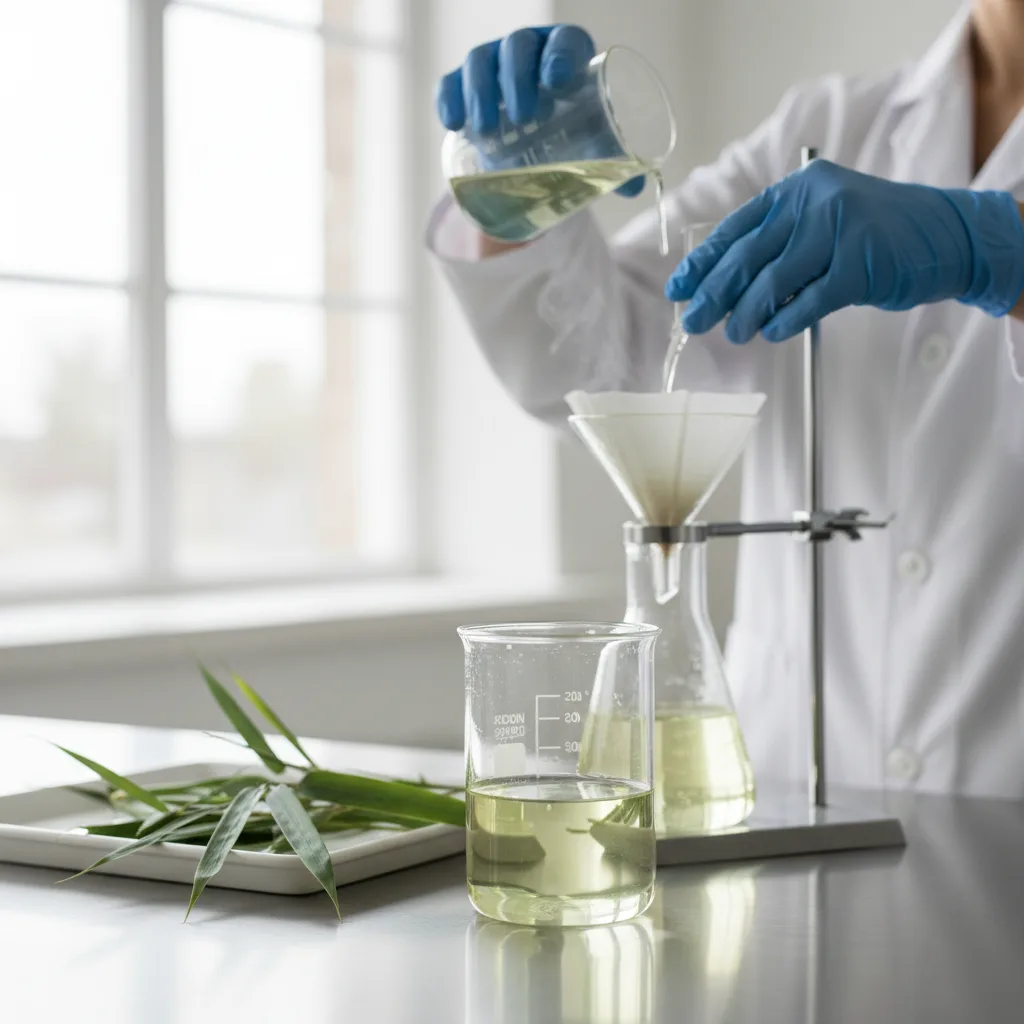
Extraction is all about drawing out the desired plant compounds from the dried bamboo leaves. The choices made here determine the final supplement’s taste, aroma, potency, and shelf life. Here are the most common extraction methods:
Water Extraction (Infusion or Decoction)
- How it works: Dried bamboo leaves are steeped in hot or boiling water. This process unlocks water-soluble compounds, resulting in a clear, mildly flavored extract.
- Flavor and uses: Tends to produce a delicate, grassy note—often the base for Bamboo Leaf Tea – 24/1.5g Tea Bags - Nature's Collagen & Biotin and some liquid extracts.
- Shelf life: Shorter compared to alcohol- or glycerin-based extractions, so products often need to be used quickly or refrigerated.
Alcohol Extraction (Tincture)
- How it works: Leaves soak in alcohol, which acts as a powerful solvent. This method extracts both water- and alcohol-soluble compounds.
- Flavor and uses: Can produce a more robust, earthy flavor. The alcohol naturally preserves the extract for a longer shelf life.
- Who prefers this method? Those seeking higher concentrations of certain plant constituents and extended storage.
Glycerin Extraction (Glycerite)
- How it works: Instead of alcohol, vegetable glycerin is used as the solvent. This method is popular for alcohol-free and child-friendly extracts.
- Flavor and uses: Tends to be sweeter and milder; especially suitable for those who prefer a gentler taste or avoid alcohol.
- Shelf life: Longer than water extracts, though typically shorter than those that are alcohol-based. Proper storage is still important for freshness.
CO2 Extraction (Supercritical CO2)
- How it works: This advanced method uses pressurized carbon dioxide to extract targeted plant compounds without residual solvents.
- Flavor and uses: Results in a highly concentrated and pure extract with minimal taste alteration. Valued for both its efficiency and the gentle handling of delicate phytonutrients.
- Why choose CO2 extraction? Favored for premium supplements where purity and potency are priorities.
Why Do Extraction Methods Matter?
- Taste: Water and glycerin extracts are typically gentler, while alcohol and CO2 can yield richer flavors.
- Shelf Life: Extracts with alcohol or CO2 tend to last longer.
- Potency: Varies by technique. CO2 often yields the densest concentration, while water is milder but more authentic to traditional preparation.
Understanding extraction methods empowers you to choose a bamboo leaf extract that matches your taste preferences, dietary needs, and storage requirements.
Behind the Label: Decoding Key Bamboo Leaf Extract Terms
As you research bamboo leaf extracts online or in stores, you’ll notice various phrases and ratios on labels. Getting familiar with these terms helps ensure you're selecting a product that aligns with your wellness goals and expectations.
What Does “Extract Ratio” Mean?
One of the most common terms you’ll find is the extract ratio, typically shown as something like “10:1” or “20:1.”
- How to decode: A 10:1 extract means that ten parts of raw bamboo leaf were used to make one part of the finished extract. Higher ratios generally indicate a more concentrated product.
- Why it matters: Ratios signal strength but don’t always guarantee broader benefits—quality and extraction method are just as important. Always look for trusted brands that provide additional sourcing and testing details for authenticity.
What Is a “Standardized Extract”?
You may see “standardized to X% plant compounds” on supplement labels. This simply means:
- A guaranteed concentration: The product consistently contains a specific, measurable amount of a desired compound (such as polyphenols or flavonoids found in bamboo leaves).
- Consistency: Helpful for those seeking more predictable potency from batch to batch.
- Transparency: Not all standardized extracts list the marker compound, so confirm exactly what the percentage refers to before purchasing.
Common Terms and What They Signal
- Full-spectrum: Suggests the extract contains a broad array of natural plant compounds, not just one isolated ingredient.
- Alcohol-free: Indicates the use of glycerin or water instead of alcohol—a consideration for anyone avoiding alcohol content.
- Non-GMO/Organic: Reflects sourcing and processing from crops grown without synthetic pesticides, herbicides, or genetic modification.
Understanding these basic terms helps you match a product’s attributes to your own preferences and lifestyle needs, especially when comparing with other herbal wellness teas such as the Graviola, Hibiscus, Bamboo Herbal Tea Trio – Bundle (3 Packs).
The Final Steps: Quality Control & Packaging
Extraction is only part of the journey. Here’s how respected producers ensure your bamboo leaf extract is ready for shelves:
Testing for Purity & Safety
Reputable brands regularly test their extracts for:
- Purity: To ensure there are no unwanted additives.
- Identity: Confirming that the product is made from true bamboo leaves.
- Potency: Verifying concentration levels continue to meet label claims.
- Residual solvents: Particularly relevant for alcohol or CO2 extraction; tests ensure safety within regulatory guidelines.
Bottling for Freshness
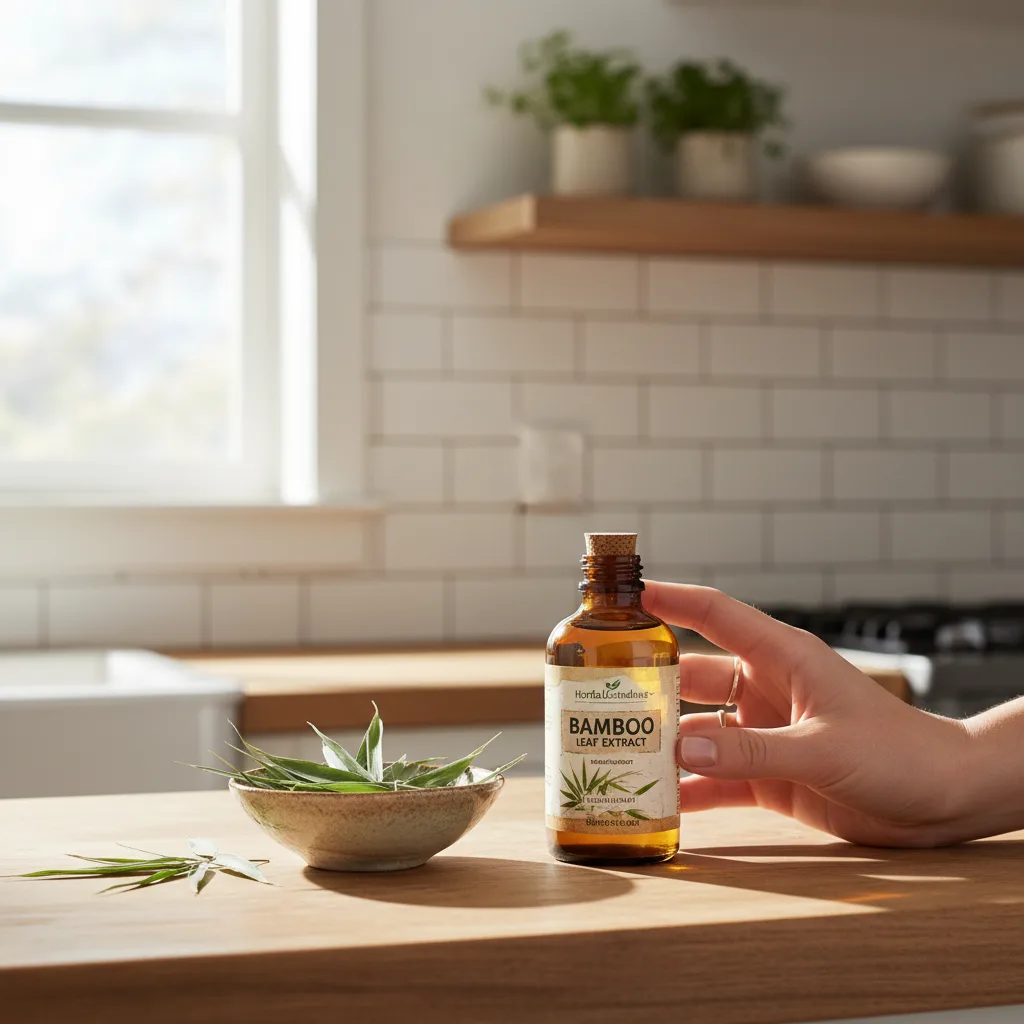
Final extracts are carefully bottled (often in amber glass or UV-blocking plastic) to shield from light and maintain freshness. Artful, thoughtful packaging also includes clear lot numbers and expiration dates for consumer transparency.

How Processing Choices Affect Flavor, Shelf Life, and Transparency
Every decision—starting at the bamboo grove—shapes how your extract will taste, last, and what you’ll know about it as a shopper.
- Flavor: Water and glycerin extracts provide milder, sweeter profiles; alcohol and CO2 can be more robust.
- Shelf life: Alcohol or CO2-extracted products keep longest; water-based products are more perishable.
- Transparency: Brands devoted to quality often provide detailed origin, extraction info, and lab results.
- Label clarity: Look for extract ratios, “standardized” terms, and ingredient transparency as markers of a trustworthy product. Consider a liquid supplement such as the Bamboo Leaf - Organic 1oz 15X Liquid Extract - Nature's Collagen & Biotin when exploring these distinctions.
Simple Questions to Ask When Shopping for Bamboo Leaf Extracts
Whether you’re browsing your local holistic shop or scanning product pages online, being a savvy consumer starts with asking the right questions:
- What extraction method is used?
- Where are the bamboo leaves sourced, and are they organic? Try to prioritize organic bamboo leaf products for maximum clarity.
- Is the extract standardized, and to what compound?
- What is the extract ratio?
- Are purity and potency tests performed by third-party labs?
- Is the product alcohol-free or vegan, if needed? Teas with herbal blends such as the Graviola, Hibiscus, Bamboo Herbal Tea Trio – Bundle (3 Packs) can broaden your comparison.
- How should I store the product for optimal freshness?
Empowering yourself with this knowledge not only ensures you find a supplement that meets your preferences, but also supports brands that are dedicated to transparency and quality. Sampling a wide range—including both standalone extracts and herbal blends—can help you discover what suits you best.
Conclusion: Making Informed Choices With Bamboo Leaf Extract
Whether you’re new to herbal extracts or just interested in a bamboo leaf supplement, understanding the journey from harvest to finished bottle can help you appreciate the nuances of each product. By learning how extraction methods and label terms relate to quality and transparency, you can shop with confidence—choosing bamboo leaf extracts that truly fit your needs and values.
FAQs:
- What is bamboo leaf extract commonly appreciated for?
Bamboo leaf extract is valued for its natural plant compounds and traditional use in wellness-focused products. It offers a gentle flavor and a variety of application options, particularly in teas, tinctures, and supplemental blends.
- What does a 10:1 extract ratio mean?
A 10:1 extract ratio means ten parts of raw bamboo leaves are used to make one part of the final extract. This ratio indicates the product is more concentrated compared to lower ratios.
- How do extraction methods affect bamboo leaf extract?
Extraction methods influence the taste, potency, and shelf life of bamboo leaf extract. Water produces a mild, short-lived extract, while alcohol and CO2 offer greater concentration and longer preservation. Glycerin provides a sweet, alcohol-free option.
- What does “standardized extract” mean on a label?
A standardized extract guarantees a specific, consistent concentration of a particular compound from bamboo leaf, ensuring each batch provides similar levels of the desired active components.
- What should I look for on bamboo leaf extract labels?
Shop for clear indications of extract ratio, standardization (if any), source of bamboo leaves, extraction method, and proof of purity testing or third-party lab verification for quality assurance.
- Are all bamboo leaf extracts alcohol-based?
No. Bamboo leaf extracts can be made with water, glycerin, alcohol, or CO2 extraction methods. Always check the label for specifics, especially if you have dietary or lifestyle preferences.
- How should I store bamboo leaf extract?
Store bamboo leaf extracts in a cool, dry place away from sunlight. Alcohol-based or CO2 extracts can last longer at room temperature, while water or glycerin extracts may require refrigeration for maximum freshness.
Author Name:
Herbal Goodness Editorial Team
Author Bio:
The Herbal Goodness Editorial Team specializes in holistic health and superfoods, blending science and nature to educate and empower our community.
References:
Introducing Graviola to Young Taste Buds: Fun, Family-Friendly Flavor Exploration
Graviola in the Classroom and at Home: Creative Activities to Teach Kids About Tropical Plants