Gymnema Leaf Demystified: History, Key Phytochemicals, and Scientific Exploration

Long appreciated in herbal traditions, Gymnema sylvestre—popularly known as Gymnema leaf—stands out with its storied legacy, unique phytochemicals, and growing interest in the research community. For centuries, people have incorporated Gymnema leaf into daily rituals, drawn by its longstanding reputation in several holistic practices. Today, modern labs shine a scientific spotlight on its primary plant compounds, particularly gymnemic acids. This blend of historical reverence and current exploratory methods presents curious individuals with a fascinating journey: from the root of tradition to the cutting edge of scientific inquiry.
Unveiling the Historical Legacy of Gymnema Leaf
Origins in Ancient Traditions
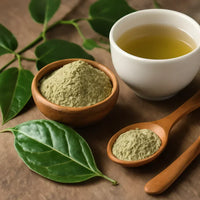
Gymnema sylvestre’s ties to ancient herbal practices run deep, especially throughout India and parts of Southeast Asia. In these settings, Gymnema leaf tea was often infused in teas or used as a component in herbal blends. Its nickname, the “sugar destroyer,” alludes to remarkable plant characteristics that have attracted admiration for generations.
Enduring Presence Across Cultures
Over the centuries, Gymnema’s role expanded beyond its birthplace. Herbal practitioners worldwide have recognized its singular presence among green leaves, often passing down methods of preparation and stories about the plant’s influence in day-to-day life. Written texts from traditional sources bear witness to its longstanding popularity.
Methodologies: Traditional Preparation and Usage
While specifics varied, some common approaches to working with Gymnema included:
- Brewing the leaves in hot water to create an herbal beverage
- Combining Gymnema with other botanicals in specialized tonics
- Sun-drying leaves for storage, then crushing or powdering for later use
These practices reflect both resourcefulness and respect for the plant, further cementing Gymnema leaf’s place in herbal wisdom.
Exploring Gymnema sylvestre’s Primary Compounds
Introduction to Phytochemicals
Plants naturally produce an array of compounds known as phytochemicals, many of which contribute to their aroma, flavor, and bioactivity. In the case of Gymnema sylvestre, curiosity about its foliage is heightened by its rich supply of unique phytochemicals.
Focus on Gymnemic Acids
Gymnemic acids represent the hallmark class of compounds in Gymnema leaf. These molecules have garnered considerable attention for their role in the plant’s signature qualities. Researchers isolate and analyze gymnemic acids to better understand their structure and effects on taste perception, which may explain traditional beliefs about the plant’s properties.
Key Properties of Gymnemic Acids
- Diverse chemical structures within the gymnemic acid family
- Well-known for their ability to temporarily block sweet taste when leaves are chewed
- Found predominantly in Gymnema leaf, though minor quantities may exist in other plant parts
Saponins, Flavonoids, and Beyond
Apart from gymnemic acids, Gymnema sylvestre contains other phytochemicals:
- Saponins: Contribute to the foamy nature of teas and may play a role in the plant’s traditional applications.
- Flavonoids: Known for their antioxidant properties, adding to the plant’s profile of interest.
- Triterpenoids: Studied for their presence in the plant matrix and overall botanical make-up.
Through modern analysis, scientists are steadily cataloguing the diversity and abundance of these natural constituents.

How Scientists Study Gymnema sylvestre: From Field to Lab
Botanical Identification and Source Verification
Before any study can commence, researchers prioritize the accurate identification of Gymnema sylvestre. Mistaken identity with similar-looking vines can undermine analyses, so scientists deploy plant taxonomy tools—examining leaf shape, flower structure, and genetic markers.
Extraction and Isolation Techniques
With confirmation in hand, the extraction process follows. Researchers utilize methods such as:
- Solvent extraction: Employing water, ethanol, or methanol to draw out phytochemicals from leaf tissues.
- Chromatography: Separating individual compounds, like gymnemic acids, for further analysis and purity checks.
- Spectrophotometry: Measuring the concentration of specific constituents using light-based techniques.
Every step in this chain is meticulously designed to capture a true picture of Gymnema’s complex chemistry.

Laboratory Studies: In Vitro and In Vivo Models
Much of modern Gymnema research involves in vitro studies—lab tests using cultured cells—or in vivo work using animal models. These exploratory settings help scientists observe:
- Interactions between Gymnema extracts and taste receptor pathways
- The fate of gymnemic acids after they enter biological systems
- Potential impacts of saponins and flavonoids under controlled conditions
While such studies generate vital data, translating these findings to human experience requires further research.
Human Studies and Ethical Considerations
Select investigations have ventured into human studies, examining the experiential effects after short-term exposure to Gymnema leaf extracts. Researchers must design these studies with oversight, ensuring participant safety and scientific rigor. Key observations often include taste perception changes and the body’s processing of Gymnema’s principal compounds.
Challenges in Scientific Exploration
Despite centuries of anecdotal evidence, scientific research still faces several hurdles:
- Standardization: Phytochemical content can differ between wild and cultivated sources, harvest seasons, or drying methods.
- Human variability: Individual taste and biological responses vary, complicating efforts to generalize findings.
- Study scale: Most published research remains preliminary, calling for larger, multi-center investigations to fully map Gymnema’s effects.
Researchers continue to address these challenges, building a bridge from traditional use to robust scientific insight.

Unanswered Questions and the Road Ahead
Ongoing Debate: What Remains Unknown?
Even as researchers map out Gymnema’s chemistry and impacts, intriguing questions persist:
- What is the full range of gymnemic acid structures present in diverse samples?
- How do different extraction methods affect the profile and potency of active phytochemicals?
- Do the other, less-characterized compounds in Gymnema leaf play meaningful roles?
- How do cultural and preparatory differences influence user experience?
Further interdisciplinary study of botanicals, including comparisons with products such as Soursop Leaf Tea Graviola Leaves, may help shed light on these unknowns.
The Value of Interdisciplinary Research
To address these questions, collaboration is key. Botanists, analytical chemists, and ethnobotanists increasingly work together, pooling expertise to decipher the many layers of Gymnema sylvestre. This interdisciplinary approach promises deeper insights and a richer appreciation of the plant’s place in global herbal traditions.
Responsible Curiosity for the Modern Reader
For those newly intrigued by Gymnema leaf, recognizing the evolving state of research is essential. While historical and laboratory perspectives offer valuable pieces of the puzzle, a complete understanding will continue to unfold over time. Staying informed via reputable sources helps nurture both interest and balanced perspective.
Conclusion: Gymnema Leaf as a Living Tradition and Research Frontier
Gymnema sylvestre endures as a botanical wonder—rooted in ancient traditions, defined by unique compounds like gymnemic acids, and pervasive in modern scientific exploration. Its journey, from handpicked leaves to the sophisticated lens of laboratory analysis, illustrates the excitement and challenges of bridging heritage with scientific discovery. The popularity of herbal tea blends illustrates how ancient wisdom and modern science can meet. As curiosity grows, so too does the commitment to uncovering every facet of this remarkable plant.
Curious to explore more about Gymnema sylvestre and other remarkable botanicals? Browse our in-depth resources, discover premium herbal products, and become part of a community passionate about holistic wellness and plant science. Your journey to botanical knowledge begins today—unlock the secrets of nature with us.
FAQs:
- What are gymnemic acids and why are they significant in Gymnema sylvestre?
Gymnemic acids are natural compounds found primarily in Gymnema sylvestre leaves. They are distinct for influencing taste perception, particularly by blocking the sensation of sweetness on the tongue. These compounds are the subject of ongoing scientific research, as they contribute to many of the characteristics associated with the plant.
- How has Gymnema sylvestre been used in traditional practices?
Gymnema sylvestre has long been valued in South Asian herbal traditions, often consumed as a tea or in combination with other botanicals. Its use stretches back centuries, with preparation methods and cultural roles passed down through generations.
- What other compounds are present in Gymnema sylvestre besides gymnemic acids?
In addition to gymnemic acids, Gymnema sylvestre leaves contain saponins, flavonoids, and triterpenoids. Each of these phytochemicals adds diversity to the plant's natural profile and contributes to why researchers and herbalists are interested in Gymnema.
- What methods do scientists use to analyze Gymnema sylvestre?
Researchers use plant taxonomy for identification, followed by laboratory techniques such as solvent extraction, chromatography, and spectrophotometry to isolate and study Gymnema’s key phytochemicals. In vitro and in vivo studies help them understand how these compounds function.
- Are all studies of Gymnema sylvestre conclusive?
Most studies on Gymnema sylvestre are exploratory or preliminary in nature. Larger, more diverse studies are required to fully clarify the plant’s properties and potential applications. The research landscape is still developing.
Author Name:
Herbal Goodness Editorial Team
Author Bio:
The Herbal Goodness Editorial Team specializes in holistic health and superfoods, blending science and nature to educate and empower our community.
References:
Introducing Graviola to Young Taste Buds: Fun, Family-Friendly Flavor Exploration
Graviola in the Classroom and at Home: Creative Activities to Teach Kids About Tropical Plants