Guayusa and Well‑Being: A Beginner’s Guide to Reported Effects, Traditional Uses, and What Researchers Are Exploring

For centuries, the vibrant leaves of the guayusa plant have played a cherished role in Amazonian communities, where sharing a morning brew is part ritual, part connection, part awakening. Today, curiosity about guayusa is spreading beyond its native region, with tea lovers and the wellness-minded seeking to understand how this time-honored leaf fits into modern routines. In this beginner’s guide, we explore guayusa's cultural significance, the plant compounds and flavors that set it apart, what researchers have begun to study, and simple ways you can get to know guayusa for yourself—while keeping things approachable and non-prescriptive.
Exploring Guayusa: Roots in Amazonian Tradition
The Legacy of Guayusa Among the Kichwa and Beyond
Guayusa (Ilex guayusa), a cousin of yerba mate and holly, originates from the Amazon rainforest. For generations, indigenous families—especially within Ecuador’s Kichwa-speaking communities—have gathered before sunrise to share large communal vessels of guayusa tea. The drink has become more than just refreshment; it’s a touchstone for storytelling, preparation for the day, and the transfer of community values.
The ceremonial use of guayusa has featured:
- Morning gatherings where wisdom and dreams are exchanged
- Preparation for travel or work, believed to support stamina and mental clarity
- Connection rituals strengthening kinship among family and friends
While its traditional context is communal, its gentle flavors and mild stimulating properties have drawn wider interest among those looking for alternatives to mainstream caffeinated beverages.
How Guayusa Differs from Other Herbal Teas
Unlike typical green or black teas (from the Camellia sinensis plant), Guayusa contains a different blend of compounds and a subtle flavor profile. Its taste is often described as smooth, naturally sweet, and free from the bitterness sometimes found in other caffeinated teas. For those exploring varying tea options for daily wellness, herbal infusions such as Soursop Leaf Tea Graviola Leaves offer their own unique benefits and flavors.
What’s Inside Guayusa? Surveying Primary Plant Compounds
Caffeine: Natural Stimulant for Focused Energy
Guayusa is notable for its caffeine content. Generally, a serving of guayusa contains slightly less caffeine than coffee, but more than green tea per cup. This provides:
- Gentle alertness without the pronounced jitters
- Sustained energy suitable for morning or midday enjoyment
- Potential support for physical and mental activity—qualities prized in traditional Amazonian uses
Those who enjoy natural energy sources might also be interested in botanical products that boost vitality, such as Energy and Vitality extracts.
L-Theanine: A Balancing Amino Acid
One of the reasons people report a smooth, non-jarring energy with guayusa comes from l-theanine. This amino acid, commonly studied in other teas, is also present in guayusa. L-theanine is often associated with relaxation while maintaining alertness, promoting a feeling of balanced wakefulness.
Antioxidants: Polyphenols and Flavonoids
Guayusa contains natural polyphenols and flavonoids—plant compounds celebrated for their antioxidant potential. Many tea drinkers seek out these substances for their role in helping the body respond to daily oxidative processes. The specific makeup of guayusa's antioxidants continues to be an interesting area for researchers, as they work to catalogue how these unique compounds interact in the human body.
Other Compounds: Theobromine and Chlorogenic Acids
- Theobromine, also found in cacao, brings a gentle uplifting effect
- Chlorogenic acids, known in part from coffee and some fruits, round out guayusa's complex profile
Guayusa’s blend of these naturally-occurring plant elements makes it unique among herbal teas and of growing interest for both wellness circles and science communities.
What Researchers Are Exploring about Guayusa
Mapping the Composition
Research teams are working to better understand the full spectrum of guayusa's phytochemistry. Several laboratory studies are mapping out its caffeine, l-theanine, theobromine, and antioxidant levels, examining how these compounds vary with harvest times, preparation methods, and drying processes.
Investigating Reported Effects
Guayusa is largely being explored for its nutritional content and gentle plant compounds. Academic teams are asking:
- How does the blend of caffeine and l-theanine compare to other caffeinated teas?
- What is the antioxidant capacity of guayusa relative to green tea or yerba mate?
- How do brewing and storage methods impact the plant’s active compounds?
For those interested in broader antioxidant support, products like Papaya Leaf Extract - Organic 1oz 15X Liquid - Blood Platelet are also often highlighted in wellness circles.
Cultural and Environmental Impacts
The sustainable cultivation and fair trade of guayusa is another focus area for research. Organizations and independent scientists study:
- The benefits of supporting indigenous farming cooperatives
- How guayusa agroforestry contributes to rainforest conservation and local economies
These inquiries keep the conversation evolving beyond the cup, inviting broader dialogue about responsible sourcing and cultural respect.

Gentle Ways to Brew and Enjoy Guayusa at Home
Choosing Your Guayusa Format
Guayusa is widely available as loose leaf, in tea bags, and sometimes as ready-to-drink bottles or powders. For beginners, starting with:
- Loose leaf guayusa for a fuller, customizable experience
- Tea bags for convenience and consistent portioning
Guayusa Leaf Extract Tea - Organic 24/2g - Energy & Focus Support - Herbal Goodness is a convenient way to sample the simplicity and full character of this Amazonian leaf.
Simple Brewing Instructions
To unlock guayusa’s natural flavors:
- Measure around 1–2 teaspoons (or 1 tea bag) for an 8–12 oz cup.
- Heat water to just below boiling (around 190–200°F/88–93°C).
- Steep for 4–7 minutes. Guayusa resists bitterness, so longer steeps are generally welcomed.
- Strain and enjoy as-is, or add a touch of honey or citrus if desired.
Premium blends like our organic herbal teas provide further opportunities for customization, allowing you to create favorite brewing medleys at home.
Rituals to Deepen Your Experience
Some ways people like to incorporate guayusa into daily rituals:
- Morning mindfulness: Use the brewing time for intention-setting or journaling
- Shared moments: Prepare a pot and invite a friend or family member to join
- Afternoon break: Swap your usual beverage for a gentle, flavor-rich guayusa
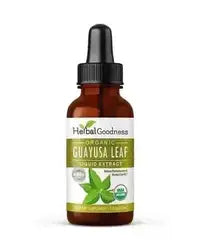
For a ready-to-use daily supplement, Guayusa Leaf - Organic 1oz 15X Liquid Extract - Energy & Natural Caffeine makes it easy to bring guayusa’s tradition and natural plant compounds directly into your wellness routine—whether in hot water, smoothies, or other beverages.
Basic Considerations for Safe Guayusa Enjoyment
Portion Awareness
While guayusa is known for its moderate caffeine, sensitivity varies. Monitoring how it feels to you is key—start with a small cup and see how your body responds. If you’re experimenting with new herbal teas, remember that blends such as Graviola, Hibiscus, Bamboo Herbal Tea Trio – Bundle (3 Packs) offer diversity with balanced plant profiles.
Quality and Sourcing
- Opt for reputable brands that provide clear sourcing and sustainable practices
- Check for certifications (organic, fair trade, third-party testing) when possible
When to Use Caution
Those who are mindful about their caffeine consumption (such as people sensitive to caffeine or who prefer to limit stimulating beverages) may wish to consult with their personal wellness practitioner before introducing new herbal teas like guayusa.
Mindfully Integrating Guayusa into Your Routine
Observation and Reflection
Everyone’s routine, palate, and sensitivities differ. To see how guayusa might fit into your day:
- Journal your experience after your cup—note taste, alertness, or any sensations
- Try different steep times to personalize flavor and aroma
- Combine with mindful moments for a holistic daily practice
Enjoying guayusa need not be a solo act. Joining in tea giftings or curated sets such as the Herbal Tea Gift Set – Wellness Tea Gift Variety Collection - Organic 24 Teabags can make exploration easy and communal.
Exploring Beyond the Cup
Guayusa can be blended creatively:
- With herbs like lemongrass, spearmint, or ginger for aromatic variety
- Chilled as an iced tea for warm weather refreshment
- Combined with fruit juices or sparkling water for a naturally uplifting mocktail

This gentle integration invites curiosity about not only the physical taste, but the mindful ritual and cultural roots behind every cup.
Respecting Traditions, Encouraging Curiosity
Exploring guayusa is more than trying a new beverage—it’s a chance to connect with a global tradition and to reflect on the stories plants can tell. As research continues and more people discover guayusa, its place in both ancient and modern wellness rituals continues to expand. Approaching it with respect for its history and an open journal can lead to a rewarding and flavorful experience.
FAQs:
- What is guayusa and where does it come from?
Guayusa is an evergreen tree native to the Amazon rainforest, especially in Ecuador. Its leaves are brewed into a tea that's traditionally enjoyed by indigenous communities for its natural stimulants and smooth, mild flavor.
- How does guayusa differ from green tea or yerba mate?
Guayusa contains a unique balance of caffeine, l-theanine, and antioxidants, resulting in a smoother flavor and a gentler energy lift. It's less bitter than green tea and has a subtler, sweeter taste compared to yerba mate.
- What are the key compounds found in guayusa?
Guayusa's main plant compounds include caffeine, l-theanine, theobromine, and a variety of antioxidants such as polyphenols and flavonoids, which contribute to its reported effects and smooth taste.
- How do you brew guayusa tea for the best flavor?
Use 1–2 teaspoons of loose leaves or a tea bag per cup. Steep in hot water just below boiling for 4–7 minutes. Adjust steep time to taste, as guayusa resists bitterness.
- Are there any safety considerations for drinking guayusa?
Guayusa contains moderate caffeine. Those mindful of their caffeine intake should start with small servings and pay attention to their body's response. Sourcing high-quality guayusa from reputable producers is also recommended.
- What are some creative ways to enjoy guayusa?
Try blending guayusa with herbs like mint or ginger, enjoying it iced, or mixing with fruit juices for a refreshing beverage. Many enjoy making guayusa a mindful morning ritual.
Author Name:
Herbal Goodness Editorial Team
Author Bio:
The Herbal Goodness Editorial Team specializes in holistic health and superfoods, blending science and nature to educate and empower our community.
References:
Introducing Graviola to Young Taste Buds: Fun, Family-Friendly Flavor Exploration
Graviola in the Classroom and at Home: Creative Activities to Teach Kids About Tropical Plants