





Guava Leaf Extract International Shipping: Customs, Packaging, and Best Practices

Purchasing guava leaf extract from sellers overseas can be a rewarding experience, offering access to high-quality botanicals and unique product variations. However, navigating the international shipping and customs process can be daunting for first-time buyers or even seasoned herbal enthusiasts. Understanding packing, customs documentation, and expectations at the border is key to a smooth cross-border purchase journey. This guide explores what you need to know about guava leaf extract international shipping, focusing on customs, packaging, documentation, and essential best practices to minimize delays and confusion at the border.
Understanding Guava Leaf Extract and International Trade
Guava leaf extract, derived from the leaves of Psidium guajava, is long valued for its rich botanical content and traditional uses in wellness routines. As interest in herbal supplements grows, the appeal of sourcing guava leaf extract internationally has increased, allowing consumers to access different formulations and qualities. Many consumers also seek alternatives like Guava Leaf Tea - Organic - Tea 24/2g - Caffeine-Free, which offer convenient forms for daily wellness. Yet, moving botanical products like guava leaf extract across borders means complying with regulations designed to ensure transparency, safety, and traceability.
Why Customs and Shipping Protocols Matter
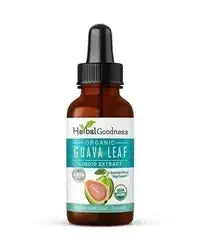
Customs authorities play a vital role in overseeing the import and export of plant-based supplements, including Guava Leaf - Organic 1oz 15X Liquid Extract - Immunity & Herbal Health. They verify the identity and safety of products, safeguard against unapproved ingredients, and enforce regulations that may differ from country to country. For international shoppers, understanding these protocols is crucial to avoiding costly delays, unexpected fees, or confiscated packages.
The Importance of Accurate Botanical Naming
One of the most common sources of confusion in herbal supplement shipping comes from labeling. Authorities often require the Latin, botanical name (in this case, Psidium guajava) to be clearly provided, either on the product label or as part of the declaration paperwork.
Why does this matter?
- Customs officials reference botanical names to identify plant extracts and ensure compliance with local or international import regulations.
- Using the correct Latin name helps distinguish genuine guava leaf extract from similarly named but unrelated ingredients.
- Incomplete or unclear labeling can trigger extra inspections or cause customs to hold or reject the shipment.
When evaluating a potential purchase, check that the product details—whether visible on listings, receipts, or invoices—include both the common name (guava leaf extract) and the scientific name. If in doubt, request this information from the seller. You’ll find compliant labeling on reputable products such as Guava Leaf Tea - Organic - Tea 24/2g - Caffeine-Free.
Packaging: How Presentation Impacts Customs Approval
Packaging is more than an aesthetic detail when it comes to shipping herbal products internationally. Many customs agencies inspect packaging to determine:
- Whether the contents are professionally sealed (tamper-evident packaging is often required)
- If the packaging materials meet destination country standards (some countries restrict the use of certain plastics, or require recyclable packaging)
- Visibility of product information, including origin, net quantity, and full ingredient list
Sellers that follow international best practices for packaging not only help safeguard product integrity but also facilitate a smoother customs inspection process. Ask your seller about their packaging standards and whether the product is labeled for international shipment. For those who appreciate variety, a bundle like the Herbal Tea Trio - Guava, Hibiscus & Avocado Bundle – Refreshing Tea Collection can also be a good way to see how packaging varies with multi-ingredient goods.
Declared Contents and Product Documentation
Accurate and truthful declaration of contents is non-negotiable for herbal supplements like guava leaf extract. Customs requires both the shipping invoice and, in many cases, an additional document such as a Certificate of Analysis (COA) or Material Safety Data Sheet (MSDS)—especially for bulk quantities or extracts in liquid or powder form.

Typical information requested includes:
- Full product name and botanical name
- Quantity and net weight
- List of all ingredients (including any additives or excipients)
- Intended use (e.g., for dietary supplementation or personal use)
Failure to include a comprehensive declaration can result in the shipment being returned or destroyed. Some countries require you or your seller to declare the category of the botanical (such as "herbal supplement for consumption") or even specify plant parts used (e.g., "guava leaves"). If you’re looking for a straightforward option, try Guava Leaf - Organic 1oz 15X Liquid Extract - Immunity & Herbal Health, which supplies robust documentation upon request.
Shipping Restrictions on Guava Leaf Extract
International transportation of plant materials—including guava leaf extract—may be restricted in certain locations. While guava is not listed as a controlled plant in most countries, some regions impose limits on:
- Importation of herbal extracts in certain forms (liquid, powder, or capsule)
- Amounts or concentration of botanical active compounds permitted per package
- Supplement imports for resale versus personal use (leading to higher scrutiny for larger quantities)
To avoid issues, check the import regulations for your specific country or region. International courier and postal websites often maintain updated lists of prohibited or restricted items. If in doubt, consult your local customs office or refer to your country’s national regulatory agency guidelines for botanical products. Travelers and shoppers often complement their wellness routines by exploring compatible teas like Guava Leaf Tea - Organic - Tea 24/2g - Caffeine-Free that are readily accepted in most regions.
How to Prepare: Steps for a Smooth International Purchase
To make your guava leaf extract purchasing experience as smooth as possible:
Research Seller Reliability: Choose vendors with a history of compliant international shipping and accessible customer service.
Review Shipping Documentation: Confirm that the shipment will be accompanied by the necessary forms. Request a sample invoice or product declaration if possible.
Check Labeling Standards: Ensure both the common and botanical names are clearly visible, along with complete product info.
Understand Packaging Requirements: Ask about the type of packaging to confirm it meets your country’s customs criteria.
Track Shipment Progress: Use tracking systems provided by couriers to monitor the journey and be proactive if customs requests additional information.
Prepare for Import Fees and Taxes: Know in advance if you’ll be liable for customs duties, import taxes, or administrative fees in your country.
For additional benefits, many buyers diversify their orders by adding blends such as the Herbal Tea Trio - Guava, Hibiscus & Avocado Bundle – Refreshing Tea Collection. Not only does this open up more wellness options for personal use, but it can simplify packaging and documentation where bundles are pre-prepared for export.
Common Documentation Needed for Customs Clearance
- Commercial Invoice: Must detail every product, quantity, supplier details, and full contents declaration.
- Certificate of Origin (if required): Some regions demand documents verifying product origin, especially for botanicals.
- Supporting Documents: COAs, MSDSs, or ingredient verifications, often required in bulk or commercial imports.
- Personal Use Declaration: When purchasing small amounts, a brief statement that the product is for personal, non-commercial use can sometimes help clarify intent to customs.
Handling Customs Questions or Delays
Should customs hold your shipment, keep calm and be ready to provide additional information. Most often, customs may ask for:

- Proof of purchase (invoice, payment confirmation)
- Clarification about intended use
- Product information sheet (ingredient breakdown or manufacturer details)
- Additional ID or import permit if required for botanicals
Prompt, thorough responses usually minimize further wait times. Teas such as Guava Leaf Tea - Organic - Tea 24/2g - Caffeine-Free often have clear labeling and documentation, helping speed up customs clearance compared to less known products.
Staying Updated on Regulations
Customs and shipping regulations are constantly evolving as countries update import standards, especially for supplements and botanicals. Before making a purchase, consult reliable official sources, and keep an eye on shipping company updates relevant to herbal extracts and plant-based supplements. Choosing packaged options such as Herbal Tea Trio - Guava, Hibiscus & Avocado Bundle – Refreshing Tea Collection can make it easier to comply with changes, since these products are often updated to meet new standards.
How Herbal Goodness Approaches Quality and International Orders
Brands like Herbal Goodness apply rigorous quality controls when exporting internationally. They typically:
- Use tamper-evident, sealed packaging
- Supply clear, compliant product labeling
- Provide documentation upon request (such as lab analysis or batch records)
- Stay informed on changing customs and shipping regulations for major markets
This level of care reassures buyers that the product will clear customs with fewer complications, reducing delays or unexpected costs along the way. If quality assurance is your top priority, trusted choices are Guava Leaf - Organic 1oz 15X Liquid Extract - Immunity & Herbal Health and Guava Leaf Tea - Organic - Tea 24/2g - Caffeine-Free.
Tips for Verifying Seller Transparency Before Purchase
When shopping for guava leaf extract internationally:
- Look for sellers who show full product labeling, including Latin names
- Check for transparency about country of origin and manufacturing practices
- Reach out to customer support for sample documents or additional answers
- Review user or third-party feedback focused on shipping reliability and documentation
Before purchasing guava leaf extract from international sellers, take time to learn your country’s regulations and ensure both the seller and documentation meet customs requirements. Informed preparation helps your order travel smoothly from source to doorstep.
FAQs:
- Why do customs require the botanical name for guava leaf extract?
Customs officials use the botanical name to accurately identify plant-based products, ensuring compliance with import regulations and distinguishing the exact species being shipped.
- Are there restrictions on importing guava leaf extract?
Restrictions vary by country and can apply to the form (liquid, powder, capsules), quantity, or concentration. Always check your country's import guidelines before purchasing.
- What documents are usually needed for customs clearance?
Typically, a commercial invoice, declaration of ingredients, botanical name, certificate of origin, and sometimes laboratory analyses are required for customs clearance.
- How can packaging affect whether my shipment clears customs?
Customs look for professional, tamper-evident packaging that clearly states ingredients and origin. Inadequate or unclear packaging can delay or prevent customs clearance.
- Can buying guava leaf extract from abroad result in extra fees?
Yes. Import duties, customs taxes, and administrative fees may apply depending on your country’s regulations. Be sure to research these fees in advance to avoid surprises.
- What should I do if customs holds my guava leaf extract shipment?
Contact customs promptly, provide any requested information (such as invoices or additional documentation), and cooperate fully to help resolve the hold quickly.
Author Name:
Herbal Goodness Editorial Team
Author Bio:
The Herbal Goodness Editorial Team specializes in holistic health and superfoods, blending science and nature to educate and empower our community.
References:
Importing Dietary Supplements – U.S. Food and Drug Administration
How to Import Herbal Supplements – National Institutes of Health Office of Dietary Supplements