From Field to Cup: A Beginner’s Guide to Harvesting, Drying, and Storing Mullein Leaf Safely

Curious about the gentle art of using herbs at home? Mullein is a plant that captures the imaginations of herbal enthusiasts everywhere, thanks to its tall, fuzzy stalks and large, velvety leaves. In the world of home herbalism, learning to confidently harvest, dry, and store mullein leaf can become a fulfilling ritual and a beautiful entry point into connecting with the natural landscape. This beginner’s guide is designed with safety and sustainability in mind, walking you through how to recognize mullein, mindfully gather it, and transform your fresh picks into gently aromatic teas, simple craft projects, and other creative uses, all while respecting the environment and your own well-being. Whether mullein has appeared in your backyard or you’ve spotted it on a hiking trail, you’ll find practical steps and inspiration here—no prior experience needed.
Discovering Mullein: Identification and Harvest Timing
Recognizing Mullein in Nature
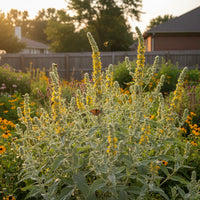
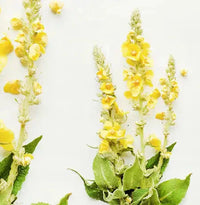
Before gathering any herb, proper identification is critical. Mullein (Verbascum thapsus) stands out with:
- Tall flower stalks: Mullein can grow up to 6 feet tall, producing a single, towering stalk dotted with yellow flowers during midsummer.
- Velvety, gray-green leaves: The leaves are large, oval, and covered in a soft, felt-like texture. They’re typically arranged in a rosette at the plant’s base in the first year.
- Two-year lifecycle: In its first year, mullein forms a low rosette of leaves. In the second year, it sends up its flowering stalk.
Tip: Bring a reputable field guide when foraging and always double-check with local experts, especially if you’re new to wild plant identification.
Locating Sustainable Mullein Growth
You’ll often find mullein thriving in sunny meadows, roadside ditches, and disturbed soils. It grows across North America, Europe, and Asia. When foraging, always choose clean environments away from roads, sprayed fields, or polluted sites.
Ideal Harvest Timing for Mullein Leaves
- Best season: Late spring to early summer, when leaves are fresh and vibrant.
- Time of day: After morning dew has dried and before intense afternoon sun, to avoid collecting damp leaves and to preserve host plant vitality.
Only harvest mature, healthy leaves—typically the larger ones near the base. Younger, tender leaves may be left to support the plant’s continued growth.
Safe Harvesting Practices for Beginners
Tools and Preparation
- Gloves: Use clean gardening gloves to protect your hands and maintain sanitary conditions.
- Pruning shears or scissors: Sterilize your cutting tools before use.
- Basket or mesh bag: Collecting leaves in breathable containers helps prevent premature wilting or mold.
Ethical and Respectful Harvesting
To promote sustainability:
- Take only what you need: Leave more than half of the leaves on each plant, enabling the mullein to flourish and reseed for future years.
- Avoid uprooting: Cutting leaves, never pulling up the entire plant, helps preserve the population.
- Rotate harvest sites: Don’t concentrate collection in one area to protect local diversity.
Cleaning and Sorting Mullein Leaves
After gathering, shake leaves gently to dislodge debris and small insects. Avoid rinsing unless absolutely necessary; if leaves are dirty, use a clean, damp cloth to wipe them. Allow any moisture to fully air-dry before proceeding to prevent spoilage.
Drying Methods: Preserving Mullein’s Gentle Qualities
Air-Drying: The Traditional Approach
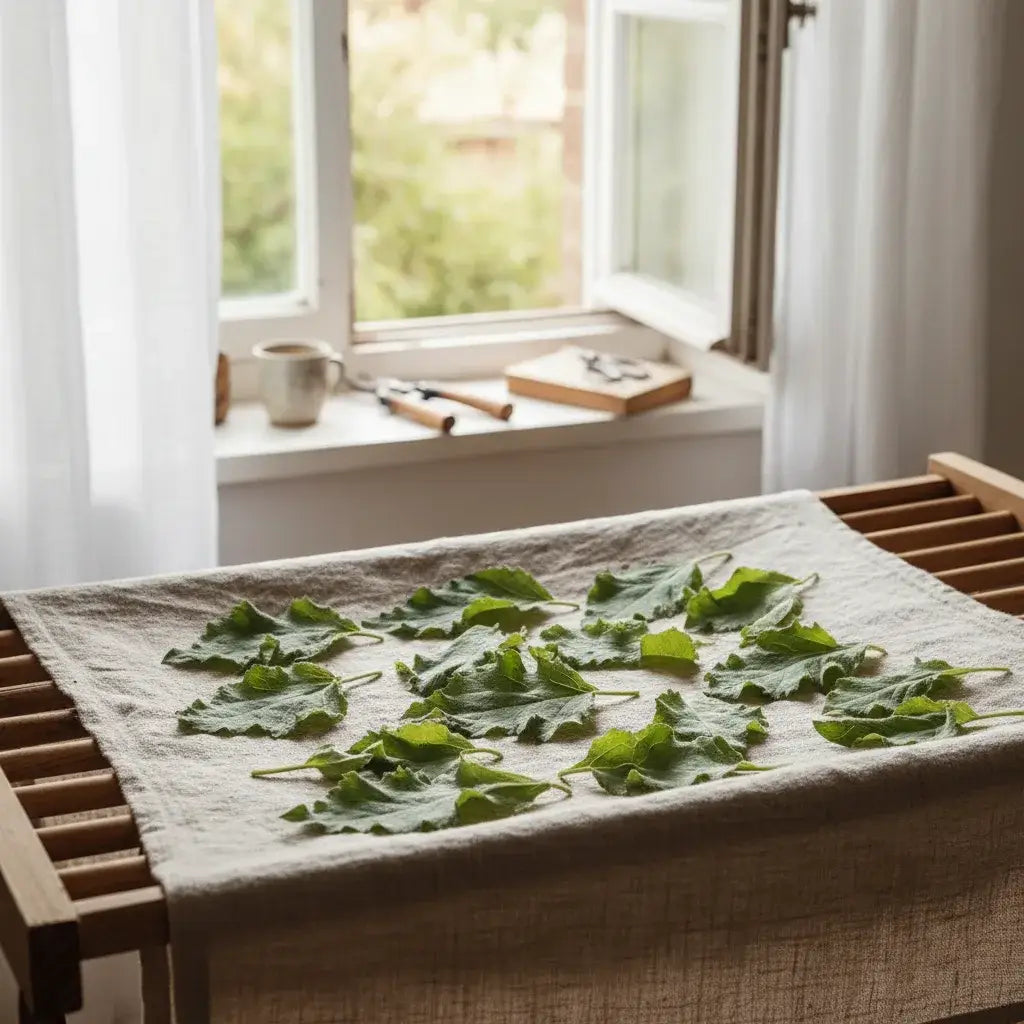
- Find a suitable space: Choose a dark, dry, and well-ventilated location away from direct sunlight.
- Arrange leaves: Spread leaves in a single layer on a drying rack or suspended on string using light clothespins. Good airflow is key.
- Monitor daily: Drying typically takes 7–14 days. Check for crispness and ensure no signs of residual moisture.
Using a Dehydrator
- Temperature: Set the dehydrator to below 110°F (43°C) to gently dry the leaves.
- Timing: This method shortens drying time to approximately 4–8 hours, with frequent monitoring.
Ensuring Proper Dryness
Leaves should snap easily when bent. Any lingering softness suggests retained moisture, which may encourage spoilage during storage. Take your time and prioritize thoroughness over speed.
Storing Mullein Leaves for Long-Lasting Freshness
Choosing the Right Containers
For optimal storage:
- Airtight glass jars: Mason jars or similar containers prevent exposure to humidity and pests while preserving aroma. Using glass rather than plastic also helps you maintain the purity of dried botanicals such as Sea Moss - Raw Dried from St Lucia - 8oz Bag - Nature's MultiVitamins and herbs like mullein.
- Opaque or dark glass: Blocks light to minimize natural color and scent loss.
- Avoid plastic: Glass is preferable for long-term storage, as it doesn’t absorb aromas or residue.
Best Storage Environments
- Cool, dark shelves or cupboards: Prolongs freshness and gentleness of the leaf.
- Avoid humidity: Ensure all leaves are thoroughly dried to prevent mold during storage.
Labeling for Safety
- Date and plant name: Make clear the harvest date and ensure accurate identification with each container to avoid confusion.
Properly stored mullein leaves can maintain their mild qualities for up to a year. Always inspect dried leaves before use—discard any that show signs of discoloration, unusual odor, or moisture.
Enjoying Mullein at Home: Gentle Uses for Herbal Enthusiasts
Mild Mullein Leaf Teas
A simple and soothing way to appreciate your harvest:
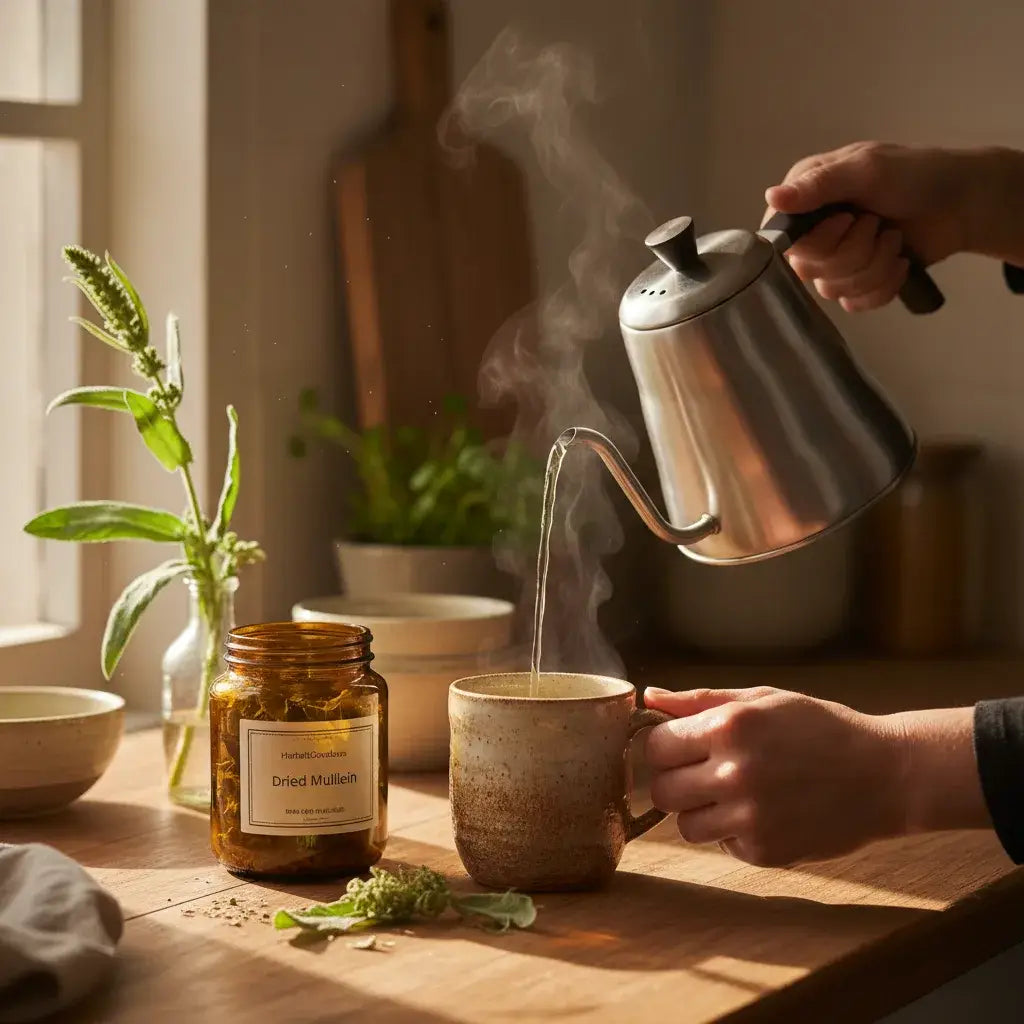
- Boil water: Use freshly boiled, filtered water.
- Prepare leaves: Use about 1–2 teaspoons of dried mullein leaf per cup. For convenience or consistency, you might prefer pre-portioned Mullein Leaf Tea - Organic 24 Tea Bags - Respiratory & Lung.
- Steep and strain: Steep for 10–15 minutes in a teapot or infuser. Strain thoroughly through a fine mesh or muslin, as mullein hairs can be irritating if left in the tea.
Optional: Blend with other gentle, aromatic herbs like mint or chamomile for variety. If you’re looking for enhanced respiratory support, try Mullein Leaf - Organic 15X Liquid Extract - Respiratory & Lung Health as a supplement to your herbal regimen.
Crafting Aromatic Sachets and Simple Home Projects
Let mullein’s earthy scent infuse your living spaces:
- Herbal sachets: Fill small cloth bags with dried mullein leaves and other botanicals for use in closets, drawers, or as decorative gifts. Similar to the way one might use our organic herbal teas for sachets and blends.
- Dried arrangements: Mullein leaves and flower stalks add a rustic touch to wreaths or potpourri.
Creative Explorations: Art and Herbal Expression
- Pressed leaf art: The large, velvety leaves make stunning pieces for beginner botanical art projects. You can try similar nature art projects using vibrant plant materials, including the broad leaves from blends found in our Bulk Herbs collection.
- Nature journals: Document and sketch your mullein harvest, creating a personal record of your herbal adventures.
Safety Reminders for Working with Mullein
- Always identify your harvest with certainty: Never use any plant unless you are completely confident in your identification.
- Use clean, pesticide-free leaves only: Avoid collecting from contaminated or treated areas.
- Strain teas thoroughly: Mullein’s fine hairs can irritate sensitive individuals, so use a very fine strainer or muslin cloth for beverages. Alternatively, opt for Mullein Leaf Tea - Organic 24 Tea Bags - Respiratory & Lung, which is already prepared for gentle enjoyment.
- Keep your workspace tidy: Clean tools and surfaces before and after handling herbs.
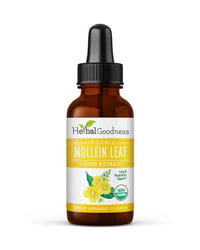
If you prefer to avoid handling dried leaves or want concentrated support, Mullein Leaf - Organic 15X Liquid Extract - Respiratory & Lung Health offers mullein in a liquid form for easy integration into wellness routines. This is particularly beneficial for individuals seeking targeted respiratory benefits.
Sustainable Practices and Your Herbal Journey
Engaging with herbs like mullein is not just about practical benefits but also about deepening your relationship with the land. By harvesting respectfully, drying with care, and taking time to craft with intention, you participate in the cycles of nature and tradition. Mullein’s gentleness extends to the calm and mindfulness of the entire process—from gathering in the field to savoring a softly aromatic cup at home.
Ready to begin your journey with mullein? Start by exploring your local landscape or garden, and experience the satisfaction of harvesting and crafting your own gentle herbal creations. Share your discoveries with fellow enthusiasts and let the tradition of mindful plant stewardship grow—in both your home and community.
FAQs:
- How do I correctly identify mullein in the wild?
Mullein features tall, single flower stalks and large, fuzzy, gray-green leaves, often forming a dense rosette at its base in the first year. Always confirm using a reputable field guide and consult local herb experts if uncertain.
- When is the optimal time to harvest mullein leaves?
The best time is late spring or early summer, after morning dew evaporates and before midday heat. Leaves are most vibrant and suitable for gentle uses during this period.
- What’s the best method to dry mullein leaves?
Spread cleaned leaves in a single layer in a dark, well-ventilated location away from sunlight. Alternatively, use a dehydrator set below 110°F for a faster drying process. Ensure complete dryness before storage.
- How should I store dried mullein leaves for optimal freshness?
Store thoroughly dried leaves in airtight glass jars kept in a cool, dark cupboard. Label containers with the date and plant name for easy tracking.
- What are gentle ways to use mullein leaf at home?
Enjoy mullein as a mild tea, aromatic sachet, or in creative crafts like pressed leaf art and decorative arrangements. Always strain teas through a fine filter to remove plant hairs.
- Can mullein be grown in a home garden as well as foraged?
Absolutely. Mullein grows readily in sunny, well-drained soil and is easy to cultivate from seed, making it accessible for both wild foragers and home gardeners.
Author Name:
Herbal Goodness Editorial Team
Author Bio:
The Herbal Goodness Editorial Team specializes in holistic health and superfoods, blending science and nature to educate and empower our community.
References:
Introducing Graviola to Young Taste Buds: Fun, Family-Friendly Flavor Exploration
Graviola in the Classroom and at Home: Creative Activities to Teach Kids About Tropical Plants