Exploring the Perceived Benefits of Hibiscus Tea: Tradition, Taste, and Simple Daily Rituals

Vivid, tangy, and brightly colored, hibiscus tea stands out in the world of herbal beverages. Across continents and centuries, people have turned to this uniquely tart infusion not only for its refreshing taste but also for the way it easily weaves into daily rituals. But what keeps people returning to hibiscus tea generation after generation? Whether enjoyed steaming hot or poured over ice, hibiscus tea holds a special place in many cultures, celebrated for its flavor and the simple joys it can bring to any routine. In exploring the world of hibiscus tea, let’s delve into traditions, reported experiences, and delightful ways to add this vibrant infusion into modern living—all with an appreciation for its timeless appeal rather than any specific functional promises.
Deep Roots: Hibiscus Tea and Cultural Traditions
The Legacy of Hibiscus in Ancient and Modern Times
From the bustling markets of North Africa to the tropical landscapes of the Caribbean, hibiscus tea—sometimes called "sorrel," “agua de Jamaica,” or "karkadé”—is part of many rich traditions. In Egypt, karkadé is a symbol of celebration, frequently served at gatherings and weddings. In West Africa, a form of hibiscus tea known as "bissap" is cherished for its deep red hue and invigorating tartness, often enjoyed in community settings.
Hibiscus and Symbolism Around the Globe
- Egypt: Karkadé is served to guests as a sign of hospitality.
- Mexico: Agua de Jamaica is a staple in agua fresca stands and family events.
- Caribbean: Sorrel drink is a festive favorite, especially during the holiday season.
The common thread is a sense of community and sharing that accompanies a pot or pitcher of hibiscus tea. Another way to celebrate these moments is to discover the flexibility and nuances of other vibrant infusions, such as Papaya Leaf Tea - Organic 24/2g Tea Bags, offering a gentle complement to your tea repertoire.
Handed Down Recipes and Rituals
Many families retain cherished recipes, each with its own twist—some with ginger, others with cloves or citrus. The act of brewing hibiscus tea is itself a gentle ritual, from carefully rinsing dried petals to watching the infusion’s vibrant crimson seep into boiling water. Those who love herbal infusions may also appreciate the seasonal character of Bamboo Leaf Tea – 24/1.5g Tea Bags - Nature's Collagen & Biotin, enjoyed hot or cold and easily incorporated into various traditions.
Savoring the Flavor: What Makes Hibiscus Tea Unique?
The Distinctive Taste Profile
The hallmark of hibiscus tea lies in its complex yet refreshing taste. Many describe it as tart, tangy, and slightly floral, reminiscent of cranberry. Unlike more mellow herbal infusions, hibiscus tea delivers a bold and invigorating experience, making it a favorite for those who prefer a pronounced flavor.
Pairing and Enhancing the Experience
Hibiscus tea is notably versatile and can be paired or blended with an array of ingredients to suit any palate.
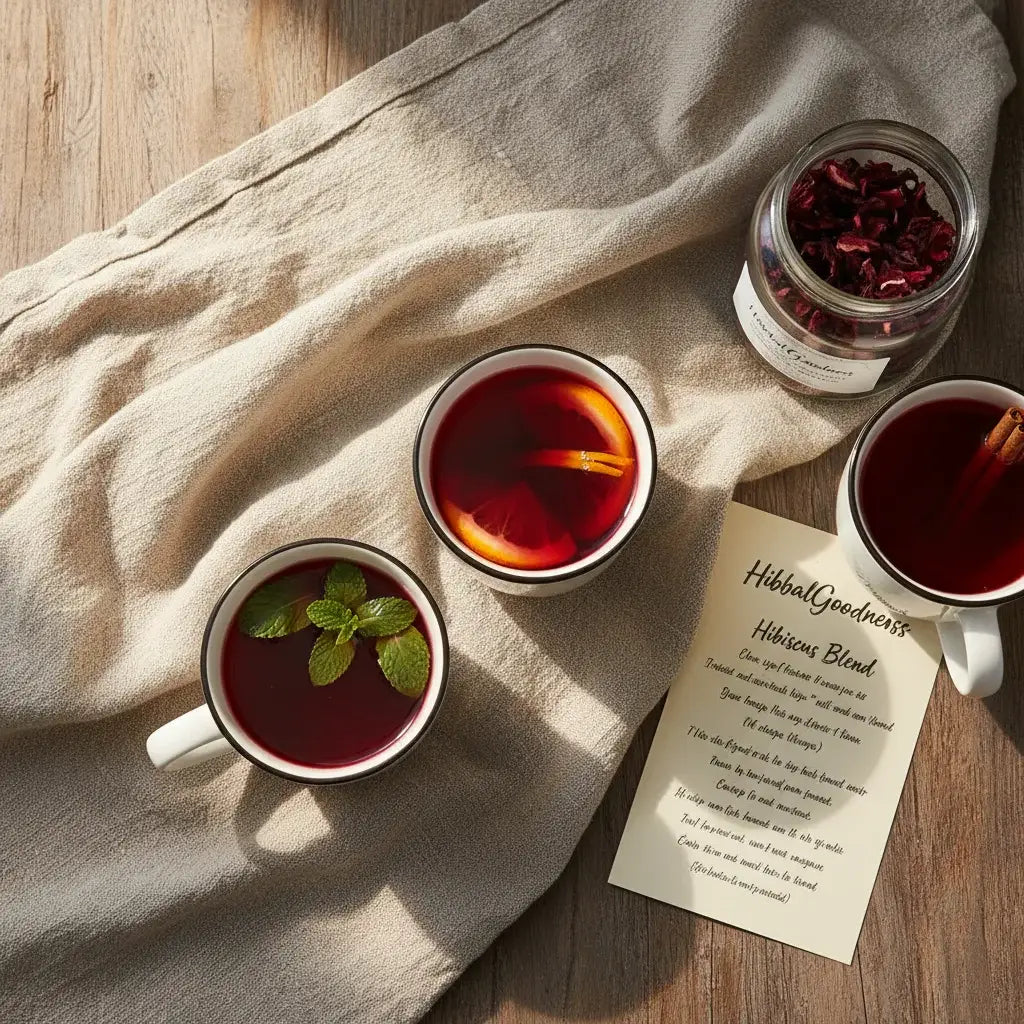
- Spices: Adds warmth and depth—try cinnamon, star anise, or ginger for a comforting winter brew.
- Citrus: Lemon, orange, or lime lift and brighten the tart notes.
- Sweeteners: Honey, agave, or stevia can balance the tang, if a sweeter touch is desired.
- Fresh Herbs: Mint and basil offer a cooling contrast, especially in iced versions.
For greater versatility, experiment with tea bundles designed for flavor exploration, such as the Herbal Tea Trio - Guava, Hibiscus & Avocado Bundle – Refreshing Tea Collection, which provides a dynamic range of tastes for any occasion.
Creating Simple Daily Rituals with Hibiscus Tea
Integrating Hibiscus into Everyday Life
Welcoming hibiscus tea into a daily routine doesn’t require elaborate preparation. Many find pleasure in the process, whether it’s the gentle hum of a morning kettle or the clinking of ice cubes in the afternoon sun. Exploring blends like Papaya Leaf Tea or incorporating dried botanicals opens a world of easy, flavor-first routines.
Morning Moments
- Brew a batch the night before for a brisk, cold beverage to start the day.
- Combine with black or green tea for a bold, invigorating blend.
Afternoon Pause
- Iced hibiscus tea with a wedge of lime serves as a midday refresher.
- Pair with light snacks like fresh fruit or unsalted nuts for a restorative break.
Evening Wind-Down
- Savor a warm, unsweetened cup as a calming, caffeine-free way to end the day.
- Infuse with calming herbs such as chamomile or lavender. Another caffeine-free option is the Guava Leaf Tea - Organic - Tea 24/2g - Caffeine-Free, perfect for a soothing nighttime ritual.
Entertaining and Sharing
For gatherings, a pitcher of hibiscus tea brings both color and conversation to the table. Its deep red hue and bright flavor invite guests to partake in a tradition that’s both old and new. To elevate your table, consider serving Hibiscus Tea - Organic 24/2g Tea bags - Heart Health, which delivers both visual appeal and a classic tangy sip.
Common Ways People Enjoy Hibiscus Tea
Hot Infusions: Simple and Satisfying
Brewing hibiscus tea hot is a timeless approach, requiring little more than dried petals and hot water. The process—steeping for 5-10 minutes—yields a beautifully deep color and aroma. A touch of honey or a fresh citrus slice rounds out the flavor. Many tea connoisseurs enjoy broadening their palate with related herbal blends found in the Graviola, Hibiscus, Bamboo Herbal Tea Trio – Bundle (3 Packs), allowing a harmonious exploration of new and familiar flavors.
Iced Variations: Perfect for Refreshment
During warmer months or when a refreshing beverage is desired, hibiscus tea shines as an iced drink. Steeped double-strength and poured over ice, it’s a thirst-quencher that stands up to creative mix-ins like muddled berries or citrus. Enhance your collection with naturally nutrient-rich teas, such as Sea Moss - Raw Dried from St Lucia - 8oz Bag - Nature's MultiVitamins, for a satisfying iced experience.
Creative Culinary Pairings
Hibiscus tea isn’t just for sipping—it’s often used in culinary creations:
- Jellies and Syrups: The concentrated brew makes a flavorful addition to homemade jams and syrups.
- Chilled Desserts: Gelatins, sorbets, and fruit salads benefit from a hibiscus infusion.
- Mocktails and Spritzers: Paired with sparkling water and fresh garnishes, hibiscus tea becomes a sophisticated alcohol-free option for festive settings.
Simple Blends and Personal Touches
Part of hibiscus tea’s charm is its adaptability. Many enthusiasts blend it with other teas or botanicals, exploring unique combinations that reflect personal taste. A few tried-and-true blends include:
- Hibiscus with rose hips for a tangy floral duo
- Hibiscus and dried apple for a natural sweetness
- Hibiscus with dried ginger for a warming, spicy kick
By experimenting with blends, enthusiasts might enjoy incorporating the herbal diversity of our Bulk Herbs collection for even more creativity in their routines.

Cultivating a Flavor-First Routine
Crafting Mindful Moments
The ritual of preparing hibiscus tea—measuring, steeping, tasting—can become a pause for mindfulness. Participants often note the sensory journey: the shifting colors, the aromatic steam, the first bright sip. This simple act can mark the transition between busy moments or serve as a gentle reminder to slow down and savor.
Exploring Seasonal Twists
One of the joys of hibiscus tea is its ability to adapt to the seasons:
- In the spring, combine with elderflower or strawberry for a fragrant brew.
- During winter, pair with mulling spices for cozier flavors.
- For summer, mix with lemon and sparkling water for a lively cooler. Those drawn to new taste experiences might also love the refreshing notes in Papaya Leaf Extract - Organic 16oz 15X Liquid Extract, which can be paired with teas and smoothies alike.
Hibiscus Tea: A Tradition for Modern Tastes
Welcoming Versatility
As lifestyles become busier, hibiscus tea’s low-fuss preparation is a plus. Whether scooping loose petals or steeping a pre-filled bag, the process remains approachable. The vibrant taste also means that even the simplest preparation delivers a satisfying cup, whether you opt for Hibiscus Tea - Organic 24/2g Tea bags - Heart Health or dive into variety sets for a broader experience.
Sharing Generational Enjoyment
Across cultures and families, hibiscus tea has been a shared touchstone passed from one generation to the next. Its story is continually rewritten, as new enthusiasts try their hand at age-old recipes or invent modern twists. The drink’s ability to unite people around flavor and ritual offers a timeless, universal appeal. To further enrich home rituals, consider introducing the Herbal Tea Gift Set – Wellness Tea Gift Variety Collection - Organic 24 Teabags, an effortless way to share the gift of tea discovery with friends and family.
Small Joys and Everyday Enjoyment
Hibiscus tea has endured as a beloved beverage, not just for its vivid taste and color, but also for the comforting rituals and personal moments it fosters. Whether steeped in a family’s cultural tradition or enjoyed as a contemporary treat, its place in daily life is a testament to the simple pleasures that a well-brewed cup can bring. No matter the season or occasion, hibiscus tea provides an accessible path for anyone to create moments of pause, connection, and sensory pleasure.
FAQs:
- What does hibiscus tea taste like?
Hibiscus tea offers a tart, tangy, and slightly floral flavor, comparable to cranberry. Its bold profile makes it refreshing and distinct among herbal teas.
- How do people typically prepare hibiscus tea?
Many prepare hibiscus tea by steeping dried petals in hot water for 5–10 minutes. It can be served hot or poured over ice, and often enhanced with citrus, spices, or sweeteners.
- Are there traditional ways to enjoy hibiscus tea in different cultures?
Yes, hibiscus tea features in many global traditions. In Egypt, it's known as karkadé; in Mexico, agua de Jamaica; and in the Caribbean, it's called sorrel, each enjoyed in ceremonies or family gatherings.
- Can hibiscus tea be used in cooking or beverages other than tea?
Absolutely. Hibiscus tea is commonly used in mocktails, syrups, jellies, and chilled desserts for its vibrant color and tangy taste.
- What are some creative ways to include hibiscus tea in a daily routine?
Enjoy hibiscus tea as an iced cooler, blend with herbs or fruit, add to morning tea, or use it as a base for craft non-alcoholic cocktails to bring variety to your beverage habits.
Author Name:
Herbal Goodness Editorial Team
Author Bio:
The Herbal Goodness Editorial Team specializes in holistic health and superfoods, blending science and nature to educate and empower our community.
References:
Introducing Graviola to Young Taste Buds: Fun, Family-Friendly Flavor Exploration
Graviola in the Classroom and at Home: Creative Activities to Teach Kids About Tropical Plants