Culinary vs. Cosmetic: How to Tell Which Cold‑Pressed Black Seed Oil to Buy Online

Shopping for cold-pressed black seed oil online can quickly become confusing, especially when faced with descriptors like "culinary" or "cosmetic" grade. Whether your interest is flavoring a bright salad, nourishing skin, or experimenting with a DIY project, understanding these terms is essential for a safe, rewarding experience. This guide explains the practical differences between culinary and cosmetic cold-pressed black seed oil—a knowledge foundation that empowers any conscious shopper. You’ll find guidance on production and filtration, labeling clues, packaging signs, and non-medical uses so you can confidently choose the right bottle for your kitchen or self-care routine.
Knowing Your Oils: Why Grade Matters When Shopping Online
In the world of black seed oil, both culinary and cosmetic grades are produced from Nigella sativa seeds. However, their intended uses set them apart in production, refinement, and quality control. Knowing the intended purpose of your oil streamlines online shopping and helps match quality to your desired application.
Culinary Grade: Made for Taste and Safety
Culinary-grade black seed oil is crafted specifically for consumption. Producers focus on safety, flavor, and freshness, ensuring the oil is suitable for inclusion in salads, smoothies, dips, or sprinkled over roasted vegetables. This grade typically undergoes more rigorous testing, careful handling, and food-standard packaging. For shoppers seeking a premium choice for recipes and wellness, Black Seed Oil 8oz | Cold-Pressed Nigella Sativa – Immune & Daily Wellness is a reliable example of a culinary-grade product.
Cosmetic Grade: Formulated for External Use
Cosmetic-grade black seed oil is designed for topical or external applications, such as in skincare routines, hair oils, or homemade balms. Though often high in beneficial plant compounds, it may not meet the same edible safety or flavor standards as culinary oil. The emphasis is on purity for external use, texture, and compatibility with other cosmetic ingredients, much like how some prefer Bamboo Leaf Tea 24 Bags | Nature's Silica – Collagen & Biotin Support for external beauty benefits through internal and topical use.
Production and Filtration Differences
The methods used to produce black seed oil influence both quality and suitability for edible or cosmetic purposes.
- Culinary-grade oils often undergo advanced filtration steps to remove tiny particles and residual debris, leading to a lighter color and more neutral taste. Cold-pressing ensures that the natural properties are preserved, without exposure to solvents or heat.
- Cosmetic-grade oils are also cold-pressed but might allow for slightly less filtration or use seeds not destined for human consumption. While rich in beneficial elements for skin and hair, trace plant material and robust aroma are more common—and acceptable.
For those looking for alternatives focused on body support, Papaya Seed Powder Capsules 60ct | 600mg – Gut & Colon Cleanse Support also highlight the importance of product grade and purity when shopping online.
Testing and Certification: A Quality Clue
For culinary oils, look for:
- Certification or verification of food safety standards
- Third-party lab-tested assurances, usually referenced on packaging or product descriptions For cosmetic oils:
- Purity and ingredient transparency
- Claims like “hexane-free” or “unrefined” may indicate minimal processing, but these aren’t always a guarantee of food-grade safety
Reading the Label: Decoding Packaging and Marketing Terms
When browsing online retailers, clear labeling is your ally. However, terms can be misleading or ambiguous if you’re unfamiliar with their meaning for black seed oil.
Key Labeling Terms to Watch For
Culinary-Grade
- "Food safe," "edible," or "nutritional supplement"
- Details regarding suggested usage in recipes
- "For internal use," or an explicit statement of suitability for consumption
Cosmetic-Grade
- "For external use only"
- Phrases like “cosmetic purposes,” “skin,” “hair,” or “beauty blend” typically suggest it's not meant for eating
- Directions that focus on topical application, mixing with carrier oils, or adding to lotions
Ingredient List and Additives
Pure, cold-pressed black seed oil of either grade should have minimal ingredients. For culinary oils, expect to see only “Nigella sativa seed oil.” Cosmetic versions may sometimes be blended with carrier oils, fragrances, or extracts—especially if marketed for skincare or aromatherapy. Double-check the ingredients to ensure what you’re purchasing fits your intended use. If you're seeking maximum purity for supplementing your diet, an option like Black Seed Oil 8oz | Cold-Pressed Nigella Sativa – Immune & Daily Wellness matches this criterion.
Common Packaging: Clues to Identify the Right Oil Online
The form and presentation of a bottle can offer helpful hints about its grade.
- Color of the Bottle: Both grades often use dark amber or cobalt glass to protect the oil from light. However, culinary oils increasingly feature food-grade plastic (HDPE or PET) for larger sizes, while cosmetic oils often stay in small, dropper-top bottles.
- Size: Culinary-grade black seed oil is typically available in larger volumes (4 oz, 8 oz, or more) for ongoing kitchen use. Cosmetic-grade oils are mostly sold in compact bottles (1 oz to 4 oz), suitable for use in skin or hair routines.
- Dispenser Type: Culinary bottles may have pour spouts or secure caps. Cosmetic packaging often relies on droppers or pumps for easy, hygienic dispensing.
For tea lovers, our organic herbal teas present another example of mindful packaging and natural ingredient transparency when shopping for botanicals.
Safe, Non-Medical Use Ideas for Each Grade
Understanding how to safely use black seed oil—whether for flavor or self-care—starts with choosing the proper grade. Neither should be used for medical purposes, but there are plenty of creative, everyday ways to explore this versatile oil.
Cooking and Edible Uses: Culinary Grade Only
Culinary cold-pressed black seed oil can add unique notes to recipes. Here are a few inspiration points:
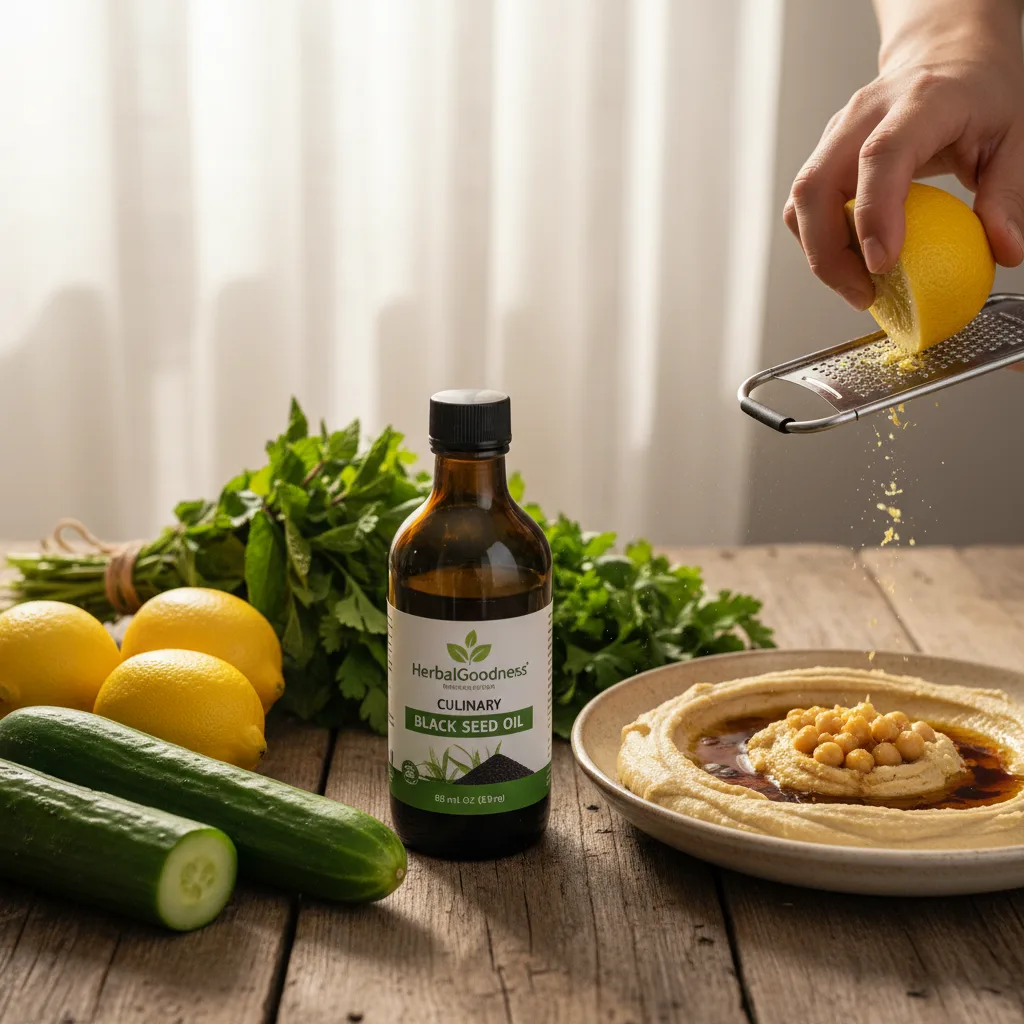
- Stir a few drops into hummus for earthy complexity
- Whisk into lemon vinaigrette for salads
- Finish roasted vegetables with a splash just before serving
- Add to smoothies in small amounts for a peppery note
- Drizzle over grain bowls or soups for a nutritional extra Always use sparingly; black seed oil’s bold, peppery flavor is best enjoyed in small doses. It helps to start with carefully sourced oil such as Black Seed Oil 8oz | Cold-Pressed Nigella Sativa – Immune & Daily Wellness, which is quality tested for culinary use.
Skincare and Self-Care: Cosmetic Grade Suggestions
Cosmetic-grade black seed oil is cherished in traditional beauty practices. Here are safe, topical ways to explore its uses:
- Apply directly to dry elbows or knees as an intensive moisturizer
- Blend a drop or two into your favorite facial oil or serum
- Use as a nourishing scalp massage oil before washing hair
- Mix into homemade sugar scrubs, balms, or lotions
- Use in DIY roll-ons with other gentle, skin-friendly oils Remember: Always patch test a small area of skin before widespread use. Pairing topical black seed oil with the benefits of Bamboo Leaf Tea 24 Bags | Nature's Silica – Collagen & Biotin Support can enhance your self-care ritual.

Fun DIY Projects for Home
Both grades can play a part in creative home routines when selected properly. Culinary oil is safe for recipe development. Cosmetic-grade shines in non-edible DIY crafts—like homemade beard oils, cuticle care blends, or aromatic bath oils—as long as you avoid ingesting. For those looking to expand their wellness toolkit, blending black seed oil with other botanicals or teas, such as our organic herbal teas, offers new opportunities for creative experimentation.
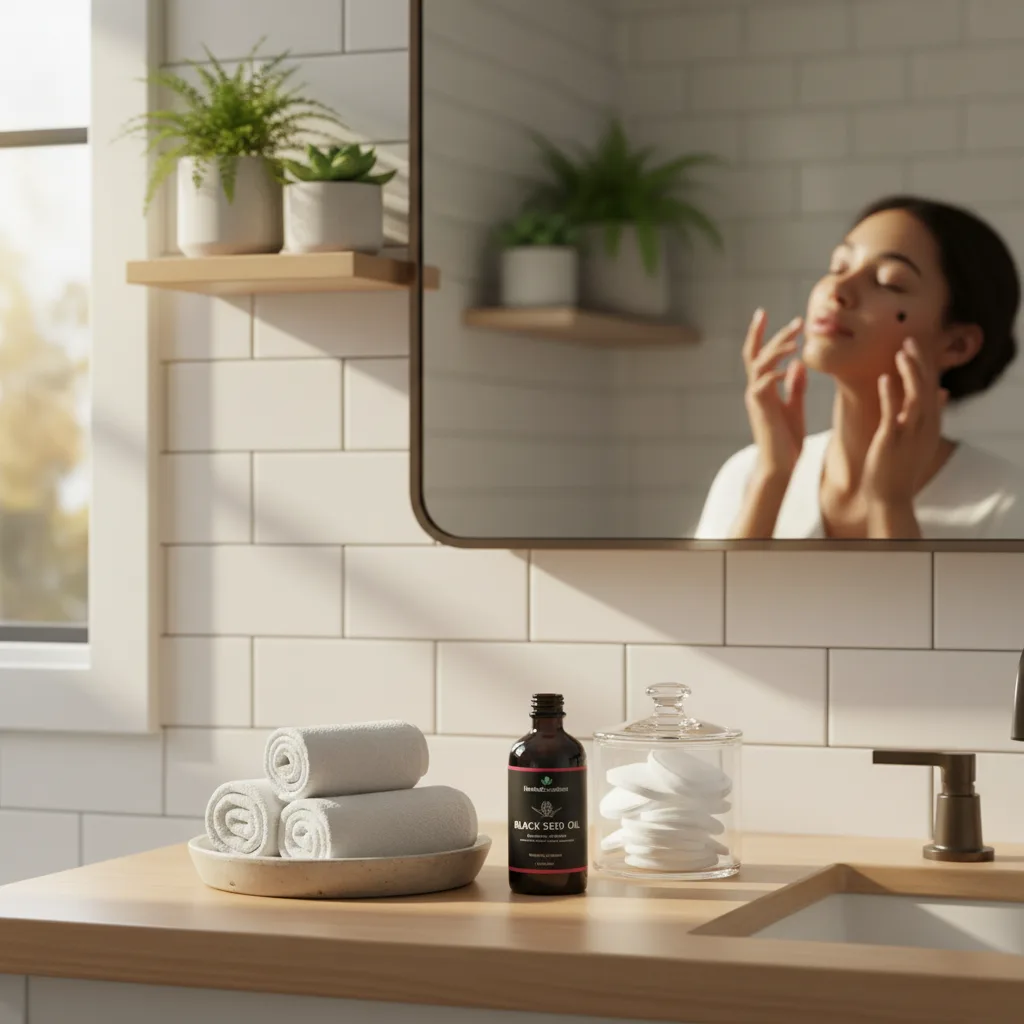
How to Evaluate Cold-Pressed Quality When Buying Online
When shopping online, you don’t have a chance to smell, taste, or feel the oil before purchasing. Instead, use these criteria:
- Source Transparency: Does the brand clearly state origin, variety, and pressing method?
- Testing Results: Culinary oils should be tested for purity and freshness, with certifications if possible. Cosmetic oils may offer purity or organic certifications.
- Batch and Bottling Info: Lot numbers, best-by dates, and bottling details are a sign of professional standards.
- Customer Reviews: See what users say about taste, smell, packaging, and real-world use for tell-tale clues about authenticity and grade.
- Herbal Goodness Standards: Leading brands like Black Seed Oil 8oz | Cold-Pressed Nigella Sativa – Immune & Daily Wellness pay close attention to sourcing, safe bottling, and providing honest product details for shoppers seeking clarity.
Summary: Make the Best Choice for Your Needs
Deciding between culinary and cosmetic cold-pressed black seed oil online is easier when you know what to look for. Ask yourself how you plan to use the oil most often—whether adding bold flavor to foods or nourishing your skin and hair. Rely on clear labeling, transparent ingredient lists, and reputable sourcing as you browse. With this knowledge, you can confidently select the right bottle for your kitchen, bathroom, or next creative project.
Frequently Asked Questions
Question 1: How do I know if a black seed oil is culinary or cosmetic grade when buying online?
Answer: Check for clear labeling like 'food safe' or 'edible' for culinary-grade oils, and 'for external use only' or references to skin, hair, or beauty for cosmetic-grade. The ingredient list should include only Nigella sativa seed oil for culinary use, while cosmetic oils may be mixed with carrier or fragrance oils. Choosing trusted sources such as Black Seed Oil 8oz | Cold-Pressed Nigella Sativa – Immune & Daily Wellness also helps clarify intended use.
Question 2: Can I use culinary black seed oil for skin and hair care?
Answer: Yes, culinary black seed oil can be used for topical applications as well, but it is typically more expensive and filtered for internal use. For dedicated external applications, consider products such as Bamboo Leaf Tea 24 Bags | Nature's Silica – Collagen & Biotin Support, often paired in beauty routines with cosmetic-grade oils.
Question 3: Are there risks with using cosmetic-grade black seed oil in food?
Answer: Yes, cosmetic-grade oil is not always produced or tested for ingestion. It may contain non-edible additives or lack food-safety certification. Always use culinary-grade oils like Black Seed Oil 8oz | Cold-Pressed Nigella Sativa – Immune & Daily Wellness if you plan to consume the product.
Question 4: What are some creative ways to use black seed oil in self-care?
Answer: Cosmetic-grade oil can be applied to dry skin, blended with other oils in homemade serums, used for scalp massage, or mixed into body scrubs. Creative users often incorporate botanicals such as our organic herbal teas into DIY routines for enhanced wellness rituals.
When buying black seed oil online, match your intended use with clear labeling, transparent sourcing, and trusted brands for the best experience in your kitchen or self-care routine.
About the Author
Herbal Goodness Editorial Team
The Herbal Goodness Editorial Team specializes in holistic health and superfoods, blending science and nature to educate and empower our community.