Cooking and Brewing with Moringa Leaf: A Beginner’s Guide to Powders, Teas, and Fresh Leaves

Curious about moringa and eager to bring new flavors and nutrition to your kitchen? Moringa leaf is celebrated for its vibrant green color, distinctive earthy taste, and impressive range of uses. Whether you're sipping it as a soothing tea, blending it into your morning smoothie, or cooking with fresh leaves, moringa offers a world of culinary possibilities. This guide will walk you through approachable ways to taste, prepare, and enjoy moringa in its most popular forms—powder, tea, and fresh leaves. With easy-to-follow steps and practical advice on sourcing and storage, you’ll be ready to explore moringa’s possibilities right from your home.
Understanding Moringa: From Tree to Table
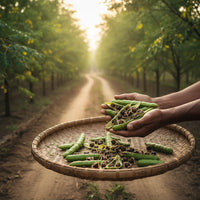
Moringa oleifera, often called the “drumstick tree” or “miracle tree,” is recognized for its tender leaves. These leaves can be enjoyed fresh or as a dried powder—each offering its own subtle flavor and culinary potential. Moringa grows widely in India, Africa, and Southeast Asia, but thanks to its growing popularity, you can frequently find moringa in health stores, specialty grocers, or online.
Key Forms of Moringa for the Kitchen
- Fresh leaves: Delicate, green, and slightly peppery, ideal for salads, soups, and stir-fries.
- Moringa powder: Versatile, with concentrated flavor and nutrients. Common in smoothies, soups, and baking.
- Moringa tea leaves: Dried and ready to infuse into aromatic teas or lattes.
Choosing the right format depends on your recipe, taste preferences, and the type of experience you're after.
Exploring the Taste of Moringa
What Does Moringa Taste Like?
Moringa offers a unique, earthy profile—think of a blend of spinach, matcha, and a touch of radish-like spice. The flavor can vary depending on whether you use fresh leaves, powder, or dried tea leaves.
- Fresh moringa leaves: Mild, grassy, and slightly peppery.
- Moringa powder: Stronger, almost umami-rich with a concentrated green leafy essence.
- Brewed tea: Gentle, herbaceous, and subtly vegetal.
Tasting Tips for Beginners
- Start small (1/2 teaspoon powder or a few leaves) and gradually increase as you explore moringa's flavor.
- Blend with familiar foods or drinks—try in citrusy smoothies or alongside savory herbs.
- Remember: Moringa’s taste is distinct but easily complements bold and tangy flavors.
Sourcing and Storing Moringa
Where to Find Moringa
- Fresh leaves: Local Asian, African, or natural food stores. Some farmers' markets also carry them during the growing season.
- Powder and tea: Health food stores, herbal specialists, and reputable online suppliers. Look for organic, non-GMO certifications when possible.
For the most convenient way to enjoy moringa’s benefits, consider stocking your pantry with the Moringa Leaf Extract - Organic 1oz 15X Liquid Extract - Immunity & Wellbeing, which is designed to deliver potent nutrition for immune support and daily balance.
Smart Storage Practices
- Fresh leaves: Rinse and pat dry. Wrap loosely in a damp towel and store in the fridge for up to a week.
- Moringa powder: Keep in an airtight container in a cool, dark place. Use within six months for best flavor.
- Tea leaves: Store like you would green tea—airtight and away from light or humidity.
Freshness is key: A rich green color and a pleasant, leafy smell indicate high-quality moringa.
How to Brew Moringa Tea: Step-by-Step
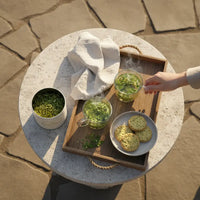
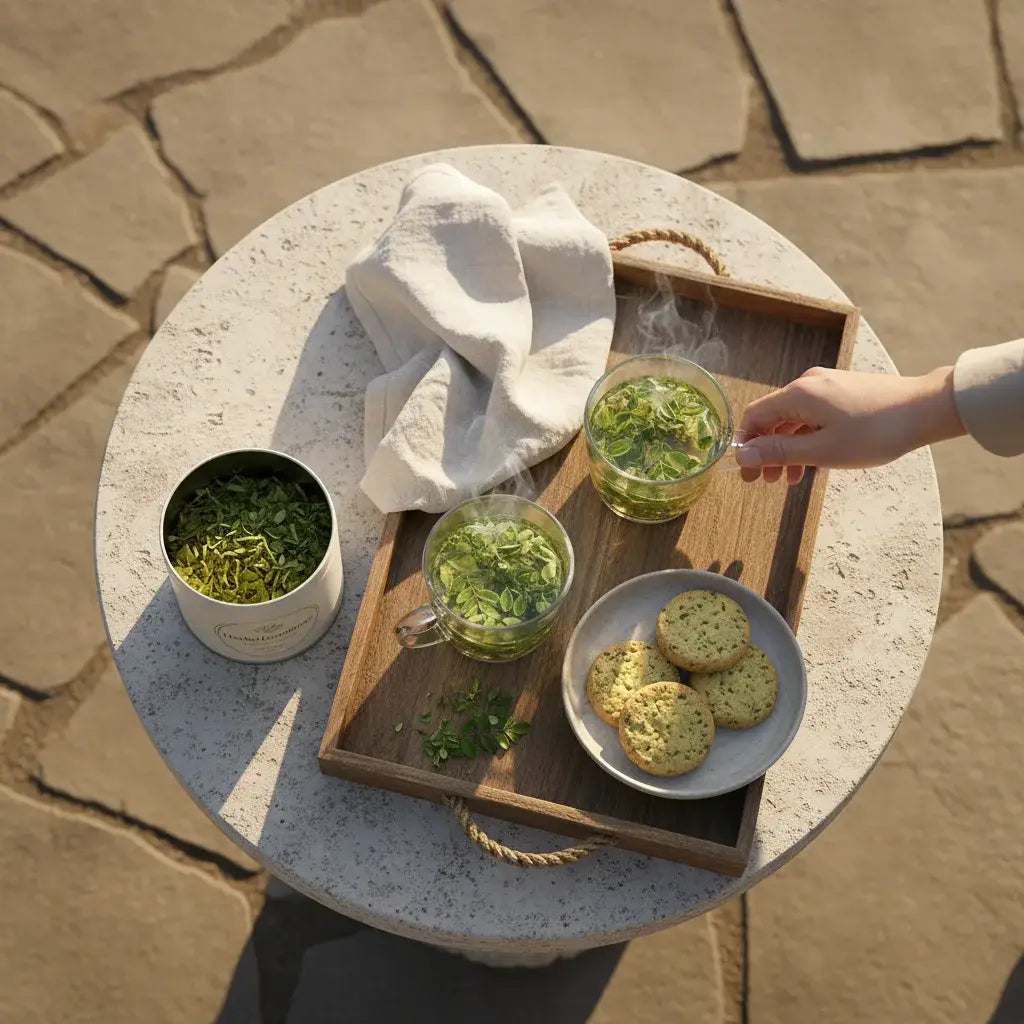
Brewing moringa tea is one of the simplest and most enjoyable ways to explore moringa’s nuanced flavors.
Classic Hot Moringa Tea
Ingredients:
- 1 teaspoon dried moringa leaves (or 1 moringa tea bag)
- 1 cup hot water (not boiling)
- Honey or lemon, if desired
Instructions:
- Place moringa leaves or bag into a cup.
- Pour hot water (170–185°F) over the leaves.
- Cover and let steep for 3–5 minutes.
- Remove leaves or bag. Add honey or lemon to taste.
Iced Moringa Tea Variation
- Prepare as above.
- Cool, serve over ice, and add fresh mint or ginger for a refreshing twist.
If you're interested in broadening your herbal tea collection, Soursop Leaf Tea Graviola Leaves - Organic 24/2g Tea Bags - Immunity & Cell Renew provides a unique, immune-supporting beverage that pairs well with the earthy notes of moringa.
Flavor Pairing Suggestions
- Citrus fruits: Lemon, orange, or lime brighten the earthiness.
- Fresh herbs: Mint, basil, or lemongrass complement the green notes.
- Mild spices: Ginger or cardamom add gentle warmth.
Cooking with Moringa Powder
Moringa powder’s long shelf life and versatility make it the perfect kitchen companion. Add it to dishes for subtle flavor and stunning color. If you’re looking to bolster your meals with more plant-powered nutrition, check out Sea Moss - Raw Dried from St Lucia - 8oz Bag - Nature's MultiVitamins for an additional, mineral-rich superfood to pair with moringa in smoothies or baked snacks.
Smoothies and Shakes
- Add ½–1 teaspoon per serving.
- Pair with banana, pineapple, or mango for a naturally sweet contrast.
- Blend in coconut milk or almond milk for a creamy texture.
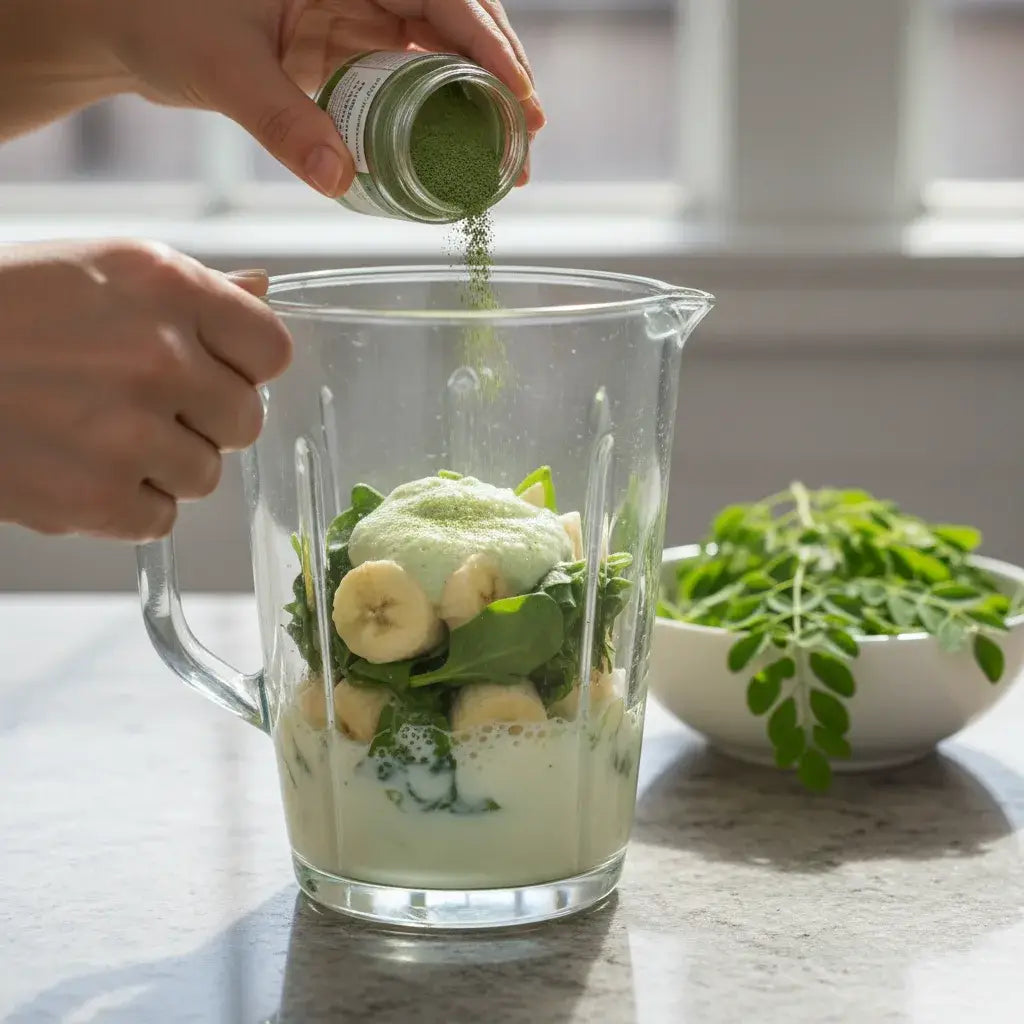
Simple Moringa Smoothie Recipe:
- 1 ripe banana
- 1 cup spinach or kale
- ½ teaspoon moringa powder
- 1 cup coconut water or almond milk
- 1 teaspoon honey (optional)
- Ice cubes (optional)
Blend until smooth and enjoy bright green, mild flavors with every sip.
Soups and Stews
- Stir in 1 teaspoon per pot just before serving.
- Add alongside leafy greens like spinach or kale.
- Avoid boiling moringa powder—add at the end for best flavor and color.
If digestive wellness is a priority, try integrating Papaya Leaf Extract - Organic 16oz 15X Liquid Extract into your routine alongside moringa-based dishes, especially in soups and broths.
Baking and Snacks
- Mix into muffin, pancake, or energy bar batters.
- Sprinkle over popcorn or roasted nuts for a savory snack.

Cooking with Fresh Moringa Leaves
Fresh moringa leaves add a mild, tender greenery to many savory and even some sweet dishes.
Preparing the Leaves
- Rinse leaves under cool water and pat dry.
- Pluck tender leaflets from woody stems.
- Use raw in salads or wilt lightly in cooked dishes.
Easy Moringa Leaf Recipes
1. Simple Moringa Salad
- 1 cup fresh moringa leaves
- ½ cup cherry tomatoes, halved
- ¼ cup diced cucumber
- A squeeze of lemon juice
- Olive oil, salt, and pepper to taste
Toss and serve as a fresh side or top with grilled protein.
2. Wilted Moringa with Garlic
- 2 cups moringa leaves
- 2–3 cloves garlic, sliced
- 1 tbsp olive oil
- Pinch of chili flakes (optional)
Sauté garlic in oil, add moringa, toss until just wilted. Sprinkle with chili flakes for gentle heat.
3. Add to Eggs, Rice, or Stir-Fries
- Stir a handful of chopped moringa leaves into omelets, scrambled eggs, or vegetable fried rice. Add during the last minutes of cooking for best texture.
Exploring Moringa in Everyday Drinks
Beyond tea, moringa can be blended into a variety of beverages:
Moringa Lattes
- Add ½ teaspoon powder to steamed milk (dairy or plant-based) with a sweetener and a dash of cinnamon or vanilla.
- Whisk or blend for a vibrant green latte experience.
For a comforting beverage break, pair your latte with Papaya Leaf Tea - Organic 24/2g Tea Bags—another mild yet energizing tea option.
Infused Water or Lemonades
- Steep dried moringa leaves or powder in cool water or lemonade for an earthy, hydrating drink—perfect for warm weather.
Smoothie Bowl Toppings
- Sprinkle moringa powder over finished smoothie bowls alongside fresh fruit, seeds, and granola.
Combining Moringa with Other Superfoods
Pairing moringa with other botanicals or ingredients makes it easy (and fun) to personalize your food and drinks.
Great Matches:
- Spirulina or chlorella for extra green vibrancy
- Cacao or dark chocolate (rich and earthy combo)
- Citrus zest for brightness
- Avocado for creamy smoothies
Sea Moss - Raw Dried from St Lucia - 8oz Bag - Nature's MultiVitamins makes a versatile, mineral-rich pairing for smoothies and bowls featuring moringa.
Troubleshooting Flavor and Texture
- If moringa tastes too strong, start with a smaller amount and mask with citrus or sweet fruits.
- For cooking, avoid high heat or boiling, which may dull the flavor and color.
- Use fresh stock—moringa that’s lost its bright color may not taste as pleasant.
Safety & Sensible Use
Moringa can be a delightful addition to diverse cuisines when used as a culinary ingredient. As with any novel plant, enjoy in moderation and consult reputable references for culinary uses. If unsure, start with simple preparations to explore tolerability and preference.
Practical Moringa Tips for Beginners
- Use a dedicated, dry spoon for scooping moringa powder.
- Rinse fresh leaves well and store air-tight.
- Experiment in recipes you already love—swap a portion of spinach or kale with moringa.
- Keep a journal of your taste experiences and favorite combinations as you learn.
Ready to bring the vibrant taste and versatility of moringa into your kitchen? Start today by picking up quality moringa powder, tea, or fresh leaves from a trusted supplier. Experiment with the recipes above, mix and match flavors, and discover your favorite ways to make moringa a staple ingredient in your daily routine. Explore more tips and creative uses at Herbal Goodness for an inspired, green journey.
FAQs:
- What does moringa taste like?
Moringa has an earthy, slightly peppery flavor with mild grassy notes when fresh, and a stronger, more concentrated green taste in powder form. When brewed as tea, expect a gentle, leafy, and subtly herbaceous experience.
- How do I use moringa powder in my daily routine?
Moringa powder blends easily into smoothies, soups, salad dressings, baked goods, and even energy bars or snacks. Start with 1/2 to 1 teaspoon per serving and adjust based on taste preference.
- Where can I buy fresh or powdered moringa leaves?
You can find fresh moringa leaves at Asian or African grocery stores and some farmers’ markets. Moringa powders and teas are widely available in health food stores, specialty markets, or through reputable online retailers.
- Can I cook with moringa instead of eating it raw?
Yes! Moringa is delicious both raw and cooked. Fresh leaves are great in salads, while they can also be stirred into stews, soups, stir-fries, or egg dishes near the end of cooking for best flavor.
- How should moringa be stored to keep it fresh?
Store fresh moringa leaves in the refrigerator wrapped in a damp paper towel; powdered moringa should be kept in a cool, dry, airtight container, and tea leaves stored as you would green tea—away from heat, moisture, and sunlight.
- What other flavors pair well with moringa?
Moringa complements citrus, tropical fruits, sweet berries, fresh herbs (like mint or basil), and mild spices (like ginger or cinnamon). It blends well in both sweet and savory recipes.
Author Name:
Herbal Goodness Editorial Team
Author Bio:
The Herbal Goodness Editorial Team specializes in holistic health and superfoods, blending science and nature to educate and empower our community.
Read more:
Soursop Bitters: Acclimating Your Palate to 15X Bitter Herbal Extracts
Photo Clues: How to Evaluate Papaya Leaf Extract Product Images Online
Immune-Associated Herbs: How Scientists Study and Interpret the Resear
Mullein for Respiratory Self-Care: Rituals, Preparation Tips, and Ever
15-Day Herbal Cleanse Origins: History, Habit Research & Practical Con
Liquid Herbal Extracts: A Visual Beginner’s Guide to Equipment, Steps,
Herbal Platelet Capsules Near Me: A Traveler’s Guide to Finding and Us
What a Full-Service Herbal Extract Production Partner Actually Does
Chanca Piedra and Women’s Wellness: Traditions, Preparations, and Safe