Compare Soursop Products: Fruit, Leaf, Powder, Extract & Capsules

Making sustainable choices extends beyond what we eat—it touches how our foods are grown, processed, and delivered. Soursop (also known as graviola) appears in a variety of wellness products, from luscious fresh fruit to convenient capsules. But have you ever wondered how each product format impacts the environment? This guide compares the environmental footprint of fresh soursop fruit, dried leaf, powder, liquid extract, and capsules, focusing on how harvesting, drying, extraction, concentration, packaging, and shipping shape their carbon and waste profiles. You’ll also discover simple questions you can ask sellers to help you choose lower-impact soursop options.
Understanding the Stages Impacting Soursop's Environmental Footprint
Before comparing soursop formats, it’s important to understand each step in the production journey. Every stage affects the product’s overall carbon and waste impact:
- Harvest: Farming methods, equipment use, and waste handling of non-usable plant parts all influence this first stage.
- Drying: Energy-intensive drying (if used) greatly shapes the impact for leaves and powders.
- Extraction/Concentration: Creating liquid extracts or powders often involves water, solvents, or intensive mechanical processes.
- Packaging: Type, weight, and recyclability of packaging contribute to waste and emissions.
- Shipping: The product's form and shelf stability determine whether it needs fast (sometimes higher-emission) shipping and special refrigeration.
By looking at these stages, we can start to objectively compare the eco-footprint of different soursop formats.
The Footprint of Fresh Soursop Fruit
Harvest and Post-Harvest Losses
Fresh soursop is harvested by hand, typically from small or medium farms. Because the fruit is delicate and perishable, post-harvest losses are often high—many fruits spoil before reaching their destination.
Packaging and Shipping Demands
Transporting fresh fruit requires protective packaging to minimize damage, adding to the material and energy use. Due to its sensitivity, fresh soursop often travels via rapid, sometimes refrigerated, logistics. This increases the carbon footprint compared to shelf-stable dried or powdered items.
Key Factors
- High perishability means more food waste.
- Often requires cold chain shipping.
- Usually packaged in plastic or foam for protection.
The Impact of Dried Soursop Leaf Products
Harvest and Drying Methods
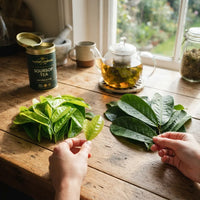
Soursop leaves are carefully selected and dried soon after harvest. Drying can be sun-based (lower energy, weather dependent) or machine-based (consistent but energy-intensive). Dried leaves enable longer shelf life, minimizing spoilage.
A prime example of a sustainable dried leaf product is Soursop Leaf Tea | Organic Graviola 24 Bags | Soursop Tea Benefits for Immunity & Wellness. This tea utilizes soursop leaves which, when sun-dried and packaged in recyclable tea bags, offer both reduced waste and efficient shipping.
Packaging Choices
Dried leaves are lightweight and compact, so they need less robust packaging. If sellers use compostable or recyclable materials, the packaging impact can be reduced.
Shipping Efficiency
Because dried leaves are light and shelf-stable, shipping is less energy-demanding than for fresh goods.

Key Factors
- Low food waste after drying.
- Energy use depends on drying technique.
- Light, potentially recyclable/compostable packaging.
Soursop Powders: Energy Use and Concentration
From Harvest to Powder
Powders start with dried soursop leaves, pulp, or fruit. After drying, the material is milled or ground to a fine powder. This process requires energy but creates a dense, concentrated product that ships efficiently. Soursop powder or products like Organic Papaya Seed Powder 4oz | Gut Cleanse & Digestive Support offer long shelf life with minimal packaging.
Packaging and Shipping
Smaller, lightweight powder packets reduce transportation emissions. Packaging is often foil-lined for freshness, but can be wasteful unless recyclable choices are made.
Key Factors
- Multiple processing stages increase energy use.
- Powder is compact and efficient for shipping.
- Packaging waste depends on material choice.
Liquid Soursop Extracts: Extraction and Preservation Considerations
Extraction Process
Liquid extracts are created by soaking soursop leaves, fruit, or pulp in solvents (like ethanol, water, or glycerin) to concentrate active plant components. Extraction uses energy and may produce some biological waste. Advanced facilities may recycle solvents or use water extraction for lower impact.
For those seeking a potent and compact form, Soursop Leaf Graviola Extract 15X Liquid | Organic Cell & Immunity provides a shelf-stable liquid option. Its concentrated nature means a smaller serving size, though the use of a glass bottle and energy for extraction should be weighed for total sustainability.

Packaging and Shipping
Extracts often come in glass bottles with plastic droppers or caps. Glass is energy-intensive to produce but recyclable. Shipping glass increases weight and fuel consumption relative to dry formats.
Shelf Life and Storage
Extracts last longer than fresh fruit but can be heavier to ship per-serving. Storage-friendly packaging, like amber bottles, helps preserve quality.
Key Factors
- Extraction requires extra energy and resources.
- Packaging is often glass, which is recyclable but heavy.
- Shipping weight increases carbon footprint per serving.
Soursop Capsules: Combining Processing and Packaging
Multistep Manufacturing
Capsules usually contain dried leaf or fruit extract, requiring all prior steps—harvest, drying, extraction, or powdering. Gelatin or plant-based capsules are manufactured separately. This multi-stage process adds cumulative energy and material demands. For example, Soursop Graviola Leaf Extract Capsules 10X | 60ct – Cell & Immunity condense the benefits into easy-to-take capsules but result in more packaging and energy inputs.
Packaging Material and Format
Capsules are counted, bottled (often in plastic), and labeled. Bottle size, capsule count, and packaging material impact how much waste is generated per serving. If eco-friendly packaging is used, this can offset some impact.
Shipping Volume
Capsules concentrate the soursop benefits into a lightweight, shelf-stable form, making them efficient to ship. But extensive packaging (bottle, label, safety seal) compounds the total waste footprint, especially if not recyclable.

Key Factors
- Multiple steps (drying, extraction, encapsulation) increase energy use.
- Packaging is usually plastic; recycling rates vary by region.
- Efficient for shipping but may generate more packaging waste per dose.
What Most Influences Soursop Product Sustainability?
Examining all five formats together, a few clear themes emerge:
- Production Energy: More processing steps (drying, extraction, encapsulation) mean higher energy use.
- Shelf Stability: Shelf-stable products reduce food waste and can travel further with less spoilage.
- Packaging Material: Heavy or non-recyclable packaging (glass, layered plastics) increases both emissions and landfill waste.
- Shipping Weight: Heavier products or those needing refrigeration increase transport-related emissions.
If minimizing environmental impact is a priority, choosing soursop in dried or powdered form—especially with minimal, recyclable packaging—often results in lower waste and carbon impacts over the entire supply chain. Consider products like Soursop Leaf Tea | Organic Graviola 24 Bags | Soursop Tea Benefits for Immunity & Wellness or a concentrated liquid such as Soursop Leaf Graviola Extract 15X Liquid | Organic Cell & Immunity while paying close attention to packaging.
Simple Questions to Ask Sellers for Lower-Impact Soursop Choices
To make an informed purchase, consumers can ask suppliers questions like:
- How is your soursop sourced and harvested?
- (Look for hand-harvested, small farm, or sustainably managed growers.)
- What drying methods are used for your leaves or fruit?
- (Sun-dried options are generally less energy intensive than machine-dried.)
- What type of packaging do you use? Is it recyclable or compostable?
- (Glass or minimal paper packaging, or certified compostables, are better for the environment.)
- How are your products shipped? Are shipments consolidated or local?
- (Local and batch-shipped goods often have lower transport emissions.)
- What extraction methods do you use in your liquid or powdered products?
- (Water extraction and solvent recovery signal attention to sustainability.)
- Does your company have any certifications for organic or sustainable processing?
Asking these questions encourages brands—like Herbal Goodness—to maintain high sustainability standards and provides greater transparency for buyers. For instance, sourcing a potent Organic Papaya Seed Powder 4oz | Gut Cleanse & Digestive Support that is sun-dried and comes in minimal packaging is a mindful choice.
Next Steps: Mindful Choices for Soursop Enthusiasts
Being aware of the varying environmental footprints across fresh fruit, dried leaves, powders, extracts, and capsules helps you make choices aligned with your environmental values. When reviewing soursop products, consider the chain of harvest-to-shelf, prioritize simple packaging, and don’t hesitate to ask companies about their environmental practices. Your purchasing decisions can drive environmental progress in the herbal wellness world.
FAQs:
- Which soursop product format has the lowest overall environmental footprint?
Dried soursop leaves and powders typically have the lowest carbon and waste impact due to their shelf stability, compact packaging, and reduced shipping emissions, especially if sun-dried and minimally packaged.
- Does choosing soursop capsules generate more waste?
Capsules require multiple manufacturing steps and are often packaged in plastic bottles, which can increase packaging waste and overall environmental footprint compared to simpler formats.
- How does shipping affect the sustainability of fresh soursop fruit?
Fresh soursop requires fast and sometimes refrigerated transport, increasing its carbon footprint. Packaging to protect delicate fruit also adds to energy and material use.
- What sustainable packaging options should I look for with soursop products?
Opt for recyclable or compostable packaging for dried leaves, powders, or extracts. Glass for extracts is recyclable but heavier; paper or compostables are often best for dried products.
- Can the way soursop is dried make a difference in its eco-impact?
Yes, sun-dried soursop uses less energy than machine-dried methods, making it a more sustainable choice if climates and conditions allow.
- How can I confirm if a seller uses sustainable soursop farming and processing?
Ask sellers about their harvesting, drying, and packaging practices, look for organic or sustainability certifications, and review any transparency provided by the company.
Author Name:
Herbal Goodness Editorial Team
Author Bio:
The Herbal Goodness Editorial Team specializes in holistic health and superfoods, blending science and nature to educate and empower our community.
Related blogs:
How to Tell Food-Grade from Supplement-Grade Soursop Bitters
Looking for Soursop Bitters Near You? Start With These Sources
Traveling with Liquid Herbal Extracts: How to Pack 15X Papaya Leaf Liq
A Mindful Giver’s Guide: Choosing and Shipping Organic Gymnema Tea Onl
Decoding 'Premium' on Soursop Listings: What It Really Means
The Role of Passionflower in Fear Support
Organic Graviola Extract: Why DNA Testing Matters Before You Buy
How Harvest Season Affects the Quality of Platelet-Supporting Herbs
Organic Guava Tea Bags: What Makes a Tea Bag Truly Compostable?