





Community Kitchens Guide to Upcycled Papaya Seed Powder Sourcing

"Efforts to reduce food waste are gaining momentum, and community kitchens, co-ops, and local food businesses are leading the way. One creative initiative is transforming discarded papaya seeds into a pantry staple: papaya seed powder. Rather than a health remedy, this upcycled ingredient is inspiring new culinary directions and sustainable practices. This article explores how organizations source papaya seed powder from local waste streams, essential questions to ask suppliers, and straightforward, flavor-focused ways to bring this resourceful powder into the kitchen and household projects.
Sourcing Papaya Seed Powder from Upcycled Fruit Waste
Community kitchens and co-ops are increasingly turning to papaya seed powder as a sustainable ingredient. Traditionally, papaya seeds are discarded during fruit processing, but with resourcefulness and collaboration, these seeds become a valuable byproduct.
Building Local Partnerships for Supply
Local partnerships are key. Co-ops and kitchens often reach out to grocers, farmers’ markets, or food processing businesses. These partners may already face challenges managing papaya surplus or waste, providing an opportunity for mutually beneficial solutions. Open communication about pickup schedules, cleanliness, and volume helps ensure a steady supply.
Steps in the Upcycling Process:
- Collection: Work with local grocery stores or markets to redirect seeds from ripe papayas otherwise destined for landfill.
- Cleaning: Seeds are thoroughly washed to remove fruit residue.
- Drying: Air or low-temperature oven drying preserves flavor and prevents spoilage.
- Grinding: Dried, well-cleaned seeds are ground into powder with a spice grinder or food processor.
- Storage: Finished papaya seed powder is stored in food-grade, airtight containers—often glass—for freshness.
What to Ask Vendors about Food-Grade Supply
Whether purchasing from local processors, farmers, or specialty vendors, it's important to vet the quality and safety of papaya seed powder before use.
Key Questions for Suppliers:
- Are the seeds sourced from ripe, edible papayas and free from chemical treatments?
- What cleaning and drying methods are used?
- Can the vendor document food-handling practices that avoid contamination?
- Is the product stored and packaged in food-safe conditions?
- Is the grind consistent and free from foreign particles?
Sourcing locally allows smaller groups to participate in upcycling and maintain transparency with vendors. Some co-ops organize direct onsite visits or request written protocols to ensure all safety and sustainability standards are met.
Flavor-First Uses for Papaya Seed Powder in Community Kitchens
Papaya seed powder is valued not just for its sustainability profile, but for its unique taste. Its peppery, slightly earthy notes can transform simple recipes with minimal waste. Community kitchens and co-ops favor recipes that maximize flavor and inclusivity while celebrating resourceful ingredient use.
Culinary Applications
Savory Recipes:
- Salad Dressings: Replace half of the black pepper in vinaigrettes or creamy dressings with papaya seed powder for a brighter, more robust bite.
- Grain Dishes: Add a teaspoon to cooked rice, quinoa, or lentils for subtle heat.
- Soups & Stews: Stir into soups at the end of cooking for a gentle, aromatic kick.
Baked Goods & Crusts:
- Seed Crackers: Mix into cracker recipes with sesame or flaxseed, adding chiselled, peppery notes alongside crunch.
- Bread Crusts: Replace traditional pepper in breading mixtures for plant-based cutlets or roasted vegetables to try creative ways with Papaya Seed Powder Capsules 60ct | 600mg – Gut & Colon Cleanse Support.
Seasoned Butters and Marinades: Blend 15 Day Detox Capsules | Papaya Enzyme & Papaya Seed Powder | Natural Full-Body Cleanse with softened plant-based butters or coconut oil to create zesty spreads for corn or grilled veggies, or use as a robust component in citrus-forward marinades.
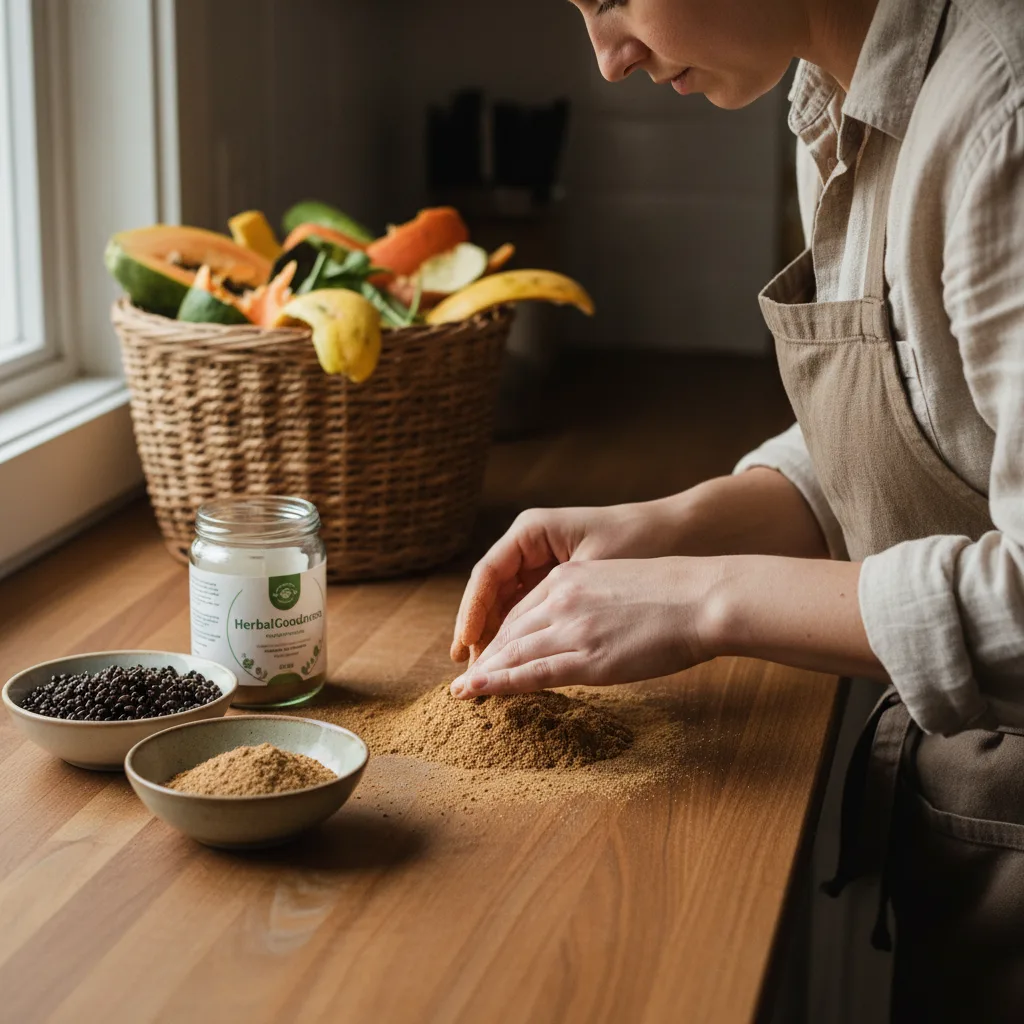
Beverages: Experiment with a pinch in fresh juices or smoothies for complexity—especially when paired with lime or ginger.
Practical Tips for Recipe Success
- Start Small: Introduce papaya seed powder in quarter-teaspoon increments until the preferred strength is reached.
- Pair Smartly: This powder complements citrus, fresh herbs, coconut, and leafy greens exceptionally well. Those curious about even more wellness-supporting kitchen staples might appreciate Raw Sea Moss 8oz Bag | St. Lucia Wildcrafted – Nature's Multivitamin.
- Balance the Bite: Its sharp, peppercorn-like taste shines in raw applications and can mellow with cooking.
Creative Cleaning and Low-Waste Projects
The ingenuity behind upcycling papaya seeds goes beyond the plate. Many community-run spaces repurpose the powder in simple, plant-based cleaning projects and educational initiatives.
DIY Scouring Powder
Papaya seed powder’s coarse grind can act as a gentle, biodegradable abrasive for cleaning sinks, pots, and baking trays. Choosing a product such as Organic Papaya Seed Powder 4oz | Gut Cleanse & Digestive Support ensures that your cleaning ingredient is food-safe and sourced responsibly.
Recipe for Zero-Waste Scouring Powder:
- 3 parts baking soda
- 1 part papaya seed powder (well-dried)
- A few drops essential oil (optional) Stir to combine and store in a glass jar. Sprinkle on surfaces and scrub with a damp cloth.
Compost Accelerator
Papaya seed powder, when added in moderation, introduces organic matter to compost heaps. Some co-ops include seed powder in education around compost layering and soil enrichment, and frequently recommend Papaya Seed Powder Capsules 60ct | 600mg – Gut & Colon Cleanse Support for supporting waste diversion and home composting efforts.
Community Workshops
Hands-on workshops invite community members to grind, mix, and create their own versions of pantry and cleaning staples, spreading the sustainable message. Supplementing these sessions with guidance from 15 Day Detox Capsules | Papaya Enzyme & Papaya Seed Powder | Natural Full-Body Cleanse helps showcase multiple uses for papaya byproducts and broadens understanding of upcycled food applications.
Organizing Local Sourcing Partnerships
Steps to Build a Sustainable Papaya Seed Supply Chain
Organizing an ongoing supply requires clear communication, shared values, and logistical planning.
Identify Potential Partners
Begin with local produce retailers, smoothie bars, or kitchens serving tropical fruits—these venues are most likely to generate papaya waste. It’s also helpful to network through local food exchanges that promote upcycled products like Organic Papaya Seed Powder 4oz | Gut Cleanse & Digestive Support.
Set Collection Protocols
Establish regular collection days and outline how seeds should be saved (separate from skins, free from added chemicals, and stored in food-safe containers).
Transportation and Storage
Opt for reusable containers and prompt pickup to avoid spoilage. Coordinate drop-offs at times most convenient for both partners.
Divide Tasks
Enlist volunteers or staff for cleaning, drying, and grinding, ensuring consistent training for food safety and powder quality. Many co-ops rotate these responsibilities among members, and some recommend reliable packaged options like Papaya Seed Powder Capsules 60ct | 600mg – Gut & Colon Cleanse Support as a backup or to supplement homemade supply during off-season months.
Creating a Co-op Purchase or Swap Program
Some organizations develop group purchasing or barter systems for upcycled ingredients. By sharing the labor and output, kitchens can make the most of each papaya harvest and reduce reliance on purchased pepper or other seasonings. Incorporating standardized products, like 15 Day Detox Capsules | Papaya Enzyme & Papaya Seed Powder | Natural Full-Body Cleanse, helps maintain accessibility and quality for all members.
How Papaya Seed Powder Reduces Food Waste and Supports Sustainability
The process of sourcing, processing, and using papaya seed powder is about more than just flavor. It reflects a holistic approach to food systems—where every part of the fruit has potential, and waste becomes opportunity. By choosing upcycled ingredients, community kitchens and co-ops:
- Divert organic waste from landfills
- Demonstrate practical sustainability to members
- Highlight the resourcefulness of local food networks
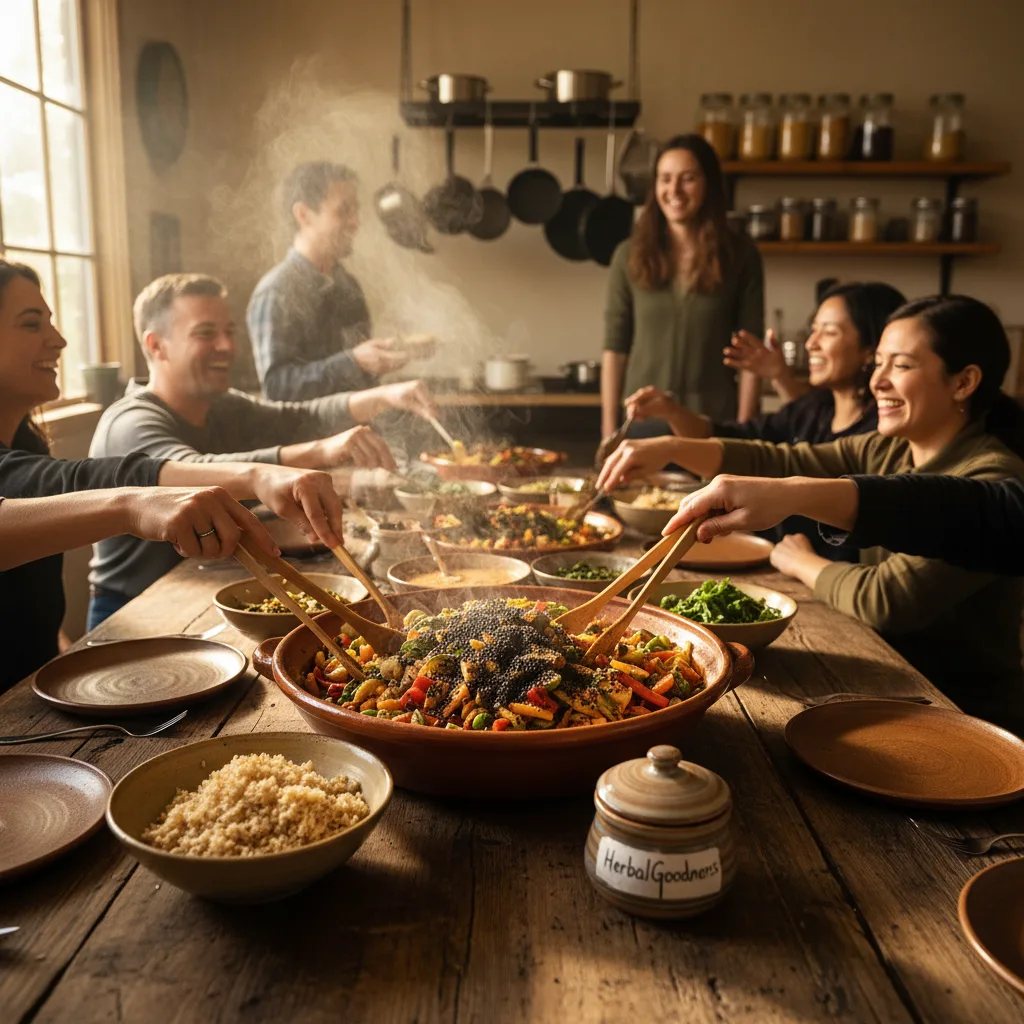
Papaya seed powder, in this context, is a small yet powerful symbol of creativity, collaboration, and respect for the ingredients at hand.
Sharing Knowledge and Scaling Up
As more groups discover the benefits and culinary possibilities of papaya seed powder, sharing best practices becomes essential. Community kitchens frequently post guides, run demos, or host tasting sessions so that new members can learn about the versatility of this upcycled staple. Co-ops exchange sourcing tips, safety checks, and recipe ideas at local gatherings or through digital networks, ensuring knowledge continues to circulate.

The result? What started as a byproduct, overlooked or discarded, becomes a catalyst for collective action and a delicious addition to pantry staples. Organic Papaya Seed Powder 4oz | Gut Cleanse & Digestive Support reminds us: even what we once considered waste can nourish our communities."
Frequently Asked Questions
Question 1: Can I use papaya seed powder as a direct pepper substitute in recipes?
Answer: Yes, papaya seed powder can add a peppery flavor to salad dressings, grain dishes, and more, making it a sustainable alternative in many recipes.
Question 2: What products contain papaya seed powder for wellness?
Answer: You can find Papaya Seed Powder Capsules 60ct | 600mg – Gut & Colon Cleanse Support and 15 Day Detox Capsules | Papaya Enzyme & Papaya Seed Powder | Natural Full-Body Cleanse in capsule form for digestive and body cleanse support.
Question 3: How does sourcing papaya seed powder help with sustainability?
Answer: Organic Papaya Seed Powder 4oz | Gut Cleanse & Digestive Support is often made from upcycled seeds that would otherwise be waste, reducing landfill use and supporting local food systems.
Question 4: Are commercially available papaya seed products food-safe?
Answer: Yes, products like Papaya Seed Powder Capsules 60ct | 600mg – Gut & Colon Cleanse Support are manufactured with attention to food safety protocols, ensuring they are safe for culinary and wellness use.
Question 5: Can papaya seed powder be used for household cleaning?
Answer: Its coarse grind is perfect for gentle scouring blends. Choose Organic Papaya Seed Powder 4oz | Gut Cleanse & Digestive Support for a plant-based, eco-friendly ingredient in your DIY cleaning powders.
Question 6: What are other wellness products that complement papaya seed powder?
Answer: Products like Raw Sea Moss 8oz Bag | St. Lucia Wildcrafted – Nature's Multivitamin can offer complementary nutrients for holistic health support.
Explore how adding upcycled papaya seed powder to your kitchen or co-op projects can inspire sustainable practices and flavor innovation in your community.
About the Author
Herbal Goodness Editorial Team
The Herbal Goodness Editorial Team specializes in holistic health and superfoods, blending science and nature to educate and empower our community.
References
US vs Overseas Herbal Supplement Manufacturing: Which Should You Choose?
Understanding Extract Ratios and Standardized Labels on Organic Chanca Piedra Capsules
What Makes Some Hair Serums Cost More Than Others?
What to Expect in 15-Day Detox Capsule Packs Before You Buy
What “Calming” on Supplements Really Means (Plain-English Guide)
Share this

Popular posts


FAQs
1. What are the main benefits of drinking bamboo leaf tea?
Drinking bamboo leaf tea supports hydration, relaxation, skin wellness, and antioxidant balance.
2. What is bamboo leaf extract used for?
It’s used for general body wellness, skin elasticity, hair and nail support, and overall vitality.
3. Can bamboo leaf help with skin care and body wellness?
Yes, bamboo leaf is rich in silica and antioxidants, which promote healthy skin, strong nails, and a youthful glow.
4. What forms of bamboo leaf are available?
You can find dried bamboo leaf, powder, extract, drops, oil, and bamboo leaf green tea.
5. Are there any side effects of bamboo leaf?
Bamboo leaf is generally safe when consumed in moderation. Always consult your healthcare provider before starting any new herbal supplement.