US vs Overseas Herbal Supplement Manufacturing: Which Should You Choose?

Choosing where to manufacture herbal supplements—at home in the US or with overseas partners—is a decision that clean, organic brands weigh with care. From the outside looking in, it’s not always obvious how the place products are made shapes everything from quality control to timelines and, ultimately, what arrives on the shelves. In this article, we’ll compare US and overseas contract manufacturing, focusing on the practical factors that matter most to plant-based supplement makers and curious ingredient-conscious consumers.
Lead Times: How Location Influences Speed to Market
US-based contract manufacturers typically offer shorter lead times, due in large part to proximity and streamlined logistics channels. Brands sending purchase orders or responding to changes in demand often find it easier to adjust schedules or manage urgent needs when their manufacturing partner is just a few states away. Domestic shipping avoids customs holdups and allows for faster replenishment, which is especially valuable for brands aiming to launch new products quickly or respond to market trends.
By contrast, working with overseas manufacturers—commonly in regions like Asia or Eastern Europe—brings longer and sometimes less predictable lead times. International shipping entails customs clearance, increased risk of delay due to weather or geopolitical events, and additional time zone differences that can make real-time communication more challenging. For herbal supplement brands looking to get products such as Organic Papaya Leaf Extract 16oz | 15X Liquid – Best Value Size quickly to market, this means needing to forecast production volumes further in advance and building greater flexibility into their timelines.
Certification Requirements: Navigating Regulatory Differences
Contract manufacturers in the US are subject to stringent certification protocols. Clean and organic herbal supplement brands often require partners who can demonstrate compliance with USDA Organic, NSF, or Non-GMO Project Verified standards. These certifications require not only strict sourcing practices but also robust documentation and transparent facility audits. Many US manufacturers are well-versed in providing these credentials, which is particularly reassuring for brands that prioritize third-party validation and traceability when selling popular products like Blood Platelet Plus Capsules 20X | 60ct – Advanced Platelet Formula.
While many foreign manufacturers also hold certifications, documentation can be more variable. Some certifications—such as EU Organic or ISO—may not be fully equivalent to US-based standards, potentially requiring additional review or validation. For brands exporting products back to the US, ensuring that overseas documentation meets FDA and USDA scrutiny is a major consideration. When moving forward with overseas production, brands must confirm, often with legal advisors or regulatory experts, that their manufacturer’s documentation is both authentic and suitable for US distribution.
Looking for a manufacturing partner that aligns with your quality and certification requirements? Join our Retailer & Wholesaler Interest List to receive updates on private-label opportunities, sourcing standards, and wholesale pricing.
Ingredient Traceability: From Seed to Shelf
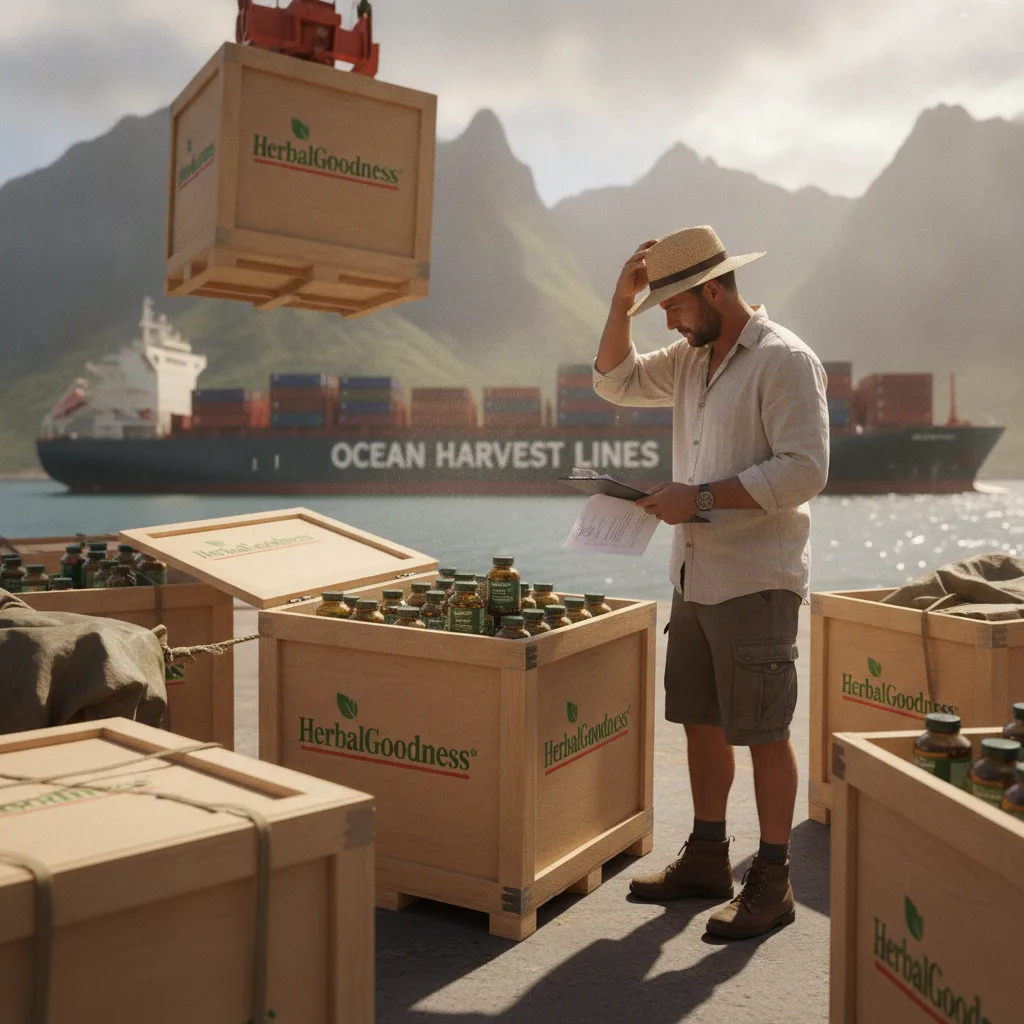
US contract manufacturers frequently offer enhanced ingredient traceability. Clean, organic brands favor this because it allows them to track every ingredient batch from source farm to final supplement. This level of transparency builds consumer trust and helps brands comply with requirements for clean labels and allergen management. US facilities may use advanced tracking software, greater on-site inspection, and internal documentation systems tailored to North American regulatory expectations. For example, transparency is a key selling point for products like Soursop Leaf Graviola Extract 15X Liquid | Organic Cell & Immunity, which highlight origin and clean sourcing on their packaging.

Overseas manufacturing partners may source ingredients from a larger number of regional suppliers, which can introduce complexities to traceability. The further an ingredient travels or changes hands, the more challenging it is to guarantee consistent records and transparent origin stories. Brands determined to maintain a clean label must diligently audit overseas supply chains, sometimes at additional administrative cost, in order to uphold the same level of ingredient confidence offered by US-based partners and supplements like Raw Sea Moss 8oz Bag | St. Lucia Wildcrafted – Nature's Multivitamin.
Communication: Bridging Time Zones and Cultures
Working with a US-based contract manufacturer typically enables more direct and predictable communication. Shared language, cultural context, and real-time response capability can help resolve production issues, quality questions, or last-minute changes efficiently. Many US manufacturers offer customer support and dedicated account management, which streamlines decision-making for plant-based supplement brands.
With overseas partners, time zone differences can result in lag times between questions and answers. Differences in language, business customs, and regulatory interpretation can occasionally lead to misunderstandings—particularly if expectations or product specifications are not aligned from the beginning. Successful brand-manufacturer partnerships with overseas co-packers often rely on detailed documentation, scheduled video check-ins, and the assistance of bilingual project managers to keep projects—such as the development of Blood Platelet Support with Papaya Leaf | Organic 15X Liquid Extract—on track.
Cost Structure: Weighing Upfront and Hidden Expenses
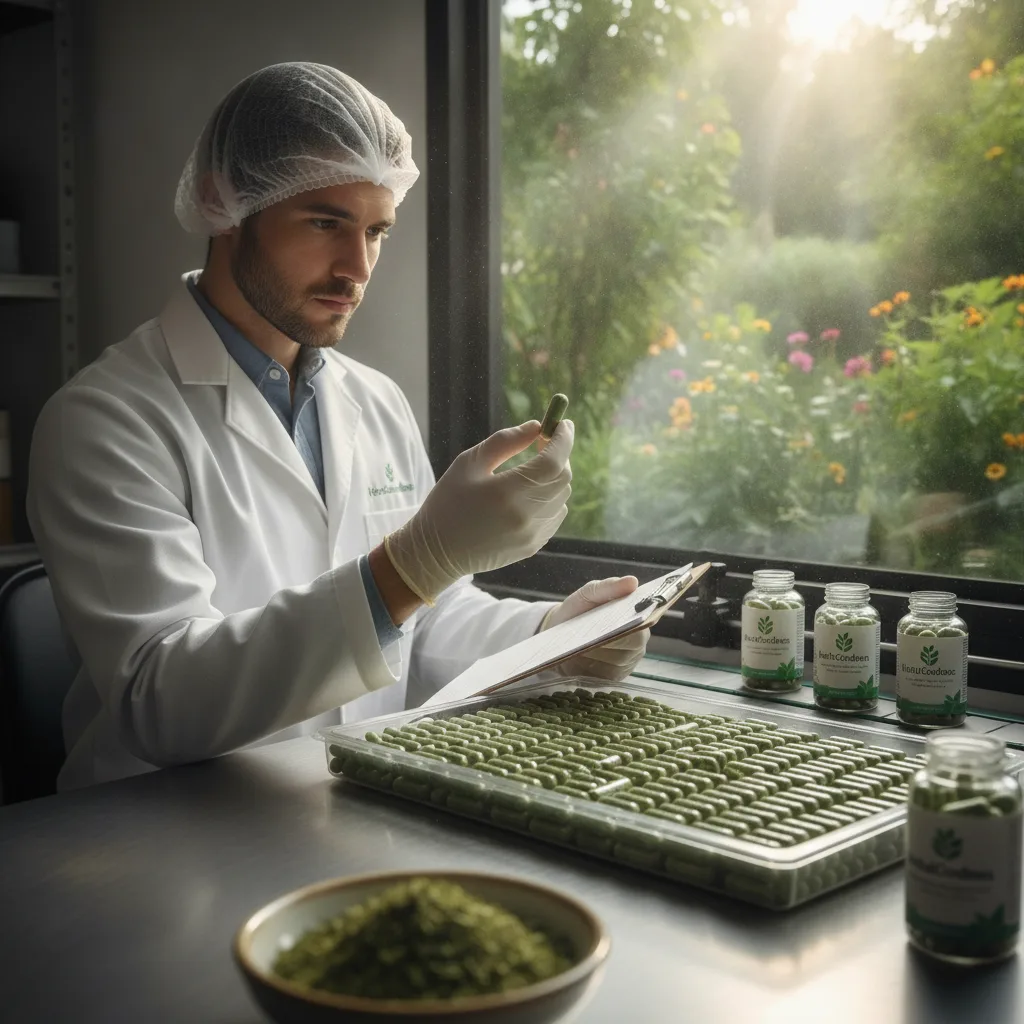
One of the primary draws of overseas manufacturing is lower upfront cost, often due to reduced labor, facility, and material expenses. For brands needing to meet specific price points in competitive consumer markets, these initial savings can be significant. Large production runs or basic formulation supplements may particularly benefit from the economy of scale that some overseas facilities provide, especially when looking to provide affordable wellness options for a wide audience.
However, domestic manufacturing offers its own strong value proposition. Shipping costs, import taxes, warehousing, and error correction can add up when working across borders. US-based partners may facilitate easier recourse if quality concerns arise, and smaller minimum order quantities (MOQs) can decrease inventory carrying costs. Brands focused on clean, organic claims should also consider the cost of additional testing or recertification sometimes necessary when using foreign-sourced materials for products like Papaya Leaf Blood Support Capsules 10X | 60ct – Platelet Wellness.
Environmental Footprint: Local vs. Global Impact
Manufacturing herbal supplements closer to end consumers, as is the case with US-based suppliers, can reduce global transportation emissions. Domestic sourcing and production can be integrated with regional agricultural systems, potentially supporting regenerative and organic growers in the same supply chain. This not only helps cut down on carbon emissions but may also support product transparency for Soursop Leaf Tea | Organic Graviola 24 Bags | Soursop Tea Benefits for Immunity & Wellness.
International production can increase transportation distances for materials and finished products, leading to a higher carbon footprint. In some cases, however, overseas facilities may have access to unique plants or more efficient production technologies. For brands committed to sustainability, assessing the environmental trade-offs—such as distance traveled, packaging waste, and production standards—is crucial when looking to certify herbal supplement supply chains and promote ecological responsibility.
Bringing It All Together: The Impact on Clean, Organic Brand Values
For clean, organic herbal supplement brands, every decision about manufacturing location has a downstream impact—from sourcing transparency to customer trust. US-based contract manufacturers offer predictability in timelines, traceable supply chains, and easier compliance with domestic standards—attributes that align with brands emphasizing clean labels and ingredient integrity. Overseas partners, on the other hand, may offer compelling cost efficiencies and access to unique botanical sources, but may require closer oversight on certifications, traceability, and communication.
Ultimately, the best choice is shaped by a brand’s priorities: whether that’s leading with transparency, controlling total costs, or minimizing environmental impact. Curious consumers benefit from this awareness, too, because understanding the trade-offs involved helps them ask informed questions about how their plant-based supplements—from farm to bottle—get to their daily routine. Mindful manufacturing decisions ultimately strengthen the values at the heart of every clean, plant-based supplement brand.
Join our Retailer & Wholesaler Interest List to explore private-label manufacturing options, access wholesale pricing information, and stay informed about new product development opportunities.
FAQs:
- What are the main differences between US and overseas contract manufacturing for herbal supplements?
Key differences include lead times, certification requirements, ingredient traceability, communication effectiveness, cost structure, and environmental footprint. US manufacturers often provide faster response times, easier regulatory alignment, and enhanced traceability, while overseas partners may offer cost savings and access to unique botanicals.
- How does manufacturing location affect ingredient traceability in herbal supplements?
US-based manufacturers typically offer detailed ingredient tracking from farm to supplement, supporting clean label claims. Overseas supply chains can be more complex, making comprehensive traceability and auditing more challenging for clean and organic brands.
- Are herbal supplements made overseas less safe or lower quality?
Not necessarily. Quality depends on the manufacturer’s certifications, sourcing practices, and transparency. Both US and overseas facilities can achieve high standards if they follow strict quality protocols and regulatory requirements.
- What certifications should brands look for in a contract manufacturer?
Important certifications include USDA Organic, NSF, Non-GMO Project Verified, and appropriate third-party audits. US manufacturers often specialize in these, but overseas partners can also provide recognized documentation—though verifying equivalency may require extra diligence.
- Does using a US contract manufacturer minimize environmental impact?
Often, yes—producing supplements locally may reduce transportation emissions and support regional supply chains. However, each brand should assess overall sustainability practices of their specific manufacturing partner.
- Is communication easier with US manufacturers than with overseas co-packers?
Generally, yes. US-based partners enable quicker, more direct communication due to shared time zones, language, and business culture. Overseas communication can be managed effectively but may require more planning and regular updates.
Author Name:
Herbal Goodness Editorial Team
Author Bio:
The Herbal Goodness Editorial Team specializes in holistic health and superfoods, blending science and nature to educate and empower our community.
References:
Introducing Graviola to Young Taste Buds: Fun, Family-Friendly Flavor Exploration
Graviola in the Classroom and at Home: Creative Activities to Teach Kids About Tropical Plants
Why Social Impact Matters in Plant-Based Wellness