





Choosing Quality Soursop Tea for Calming Nighttime Rituals: Your Beginner’s Guide

Introduction
Sipping a cup of soursop tea in the evening has become a cherished ritual for many seeking a calming way to wind down. But if you're new to soursop tea (also called graviola tea), choosing a quality option can feel daunting. From deciphering labels to understanding sourcing and recognizing flavor profiles, many factors influence the tea you bring into your home and nighttime routine. This beginner’s guide is for anyone curious about how to select soursop tea—whether you’re exploring loose leaf and tea bags, want to support sustainable practices, or simply want to experiment with flavors in your favorite mug. Let’s demystify the process, step by step, so you can find the most relaxing cup for your unique needs.
Understanding Soursop Tea: What Makes It Special?
Soursop tree leaves come from Annona muricata, a tropical plant native to the Americas and parts of Africa and Southeast Asia. For generations, leaves from this tree have been valued in many cultures for their soothing qualities. The tea is typically earthy, mildly sweet, and sometimes has subtle tropical notes. While the taste can vary depending on processing, it’s often appreciated as part of an evening routine—making the choice of quality especially important for those looking to enhance their nighttime rituals.
What Soursop Tea Is (and Isn’t)
- True soursop tea uses only soursop (Annona muricata) leaves, either as loose leaf or inside tea bags.
- Some blends might combine soursop with other herbs or fruits—read labels to confirm.
- The fruit of the soursop tree is also used in teas and drinks, but the leaf tea is most popular for evening relaxation.
Decoding Soursop Tea Labels: What to Look For
Supermarket shelves and online shops are filled with choices, but labels can often be confusing. Here are the key things to scan for in soursop tea packaging:
Loose Leaf vs. Tea Bags
- Loose leaf soursop tea: Typically offers larger, less processed leaves—potentially leading to a fuller flavor and stronger connection to tradition. Great for tea connoisseurs who want control over the brew strength and ritual.
- Tea bags: Offer convenience and portability. Check if the bag contains only soursop leaves or is blended with fillers or added flavors.
For those who prefer a straightforward experience, Soursop Leaf Tea Graviola Leaves - Organic 24/2g Tea Bags - Immunity & Cell Renew delivers both quality and ease in every brew, with each bag filled with certified organic leaves and no fillers.
Organic and Certification Labels
- Organic certification means the leaves have been grown without synthetic pesticides or fertilizers. Look for seal(s) from reputable bodies such as USDA Organic.
- Non-GMO and Fair Trade certifications can indicate further attention to quality and ethics, which may appeal to those seeking the most natural or responsible options.
When label reading for tea, seeing direct mentions of organic or fair trade can be a strong indicator that you’re getting a product committed to responsible and healthful production methods.
Ingredient List and Additives
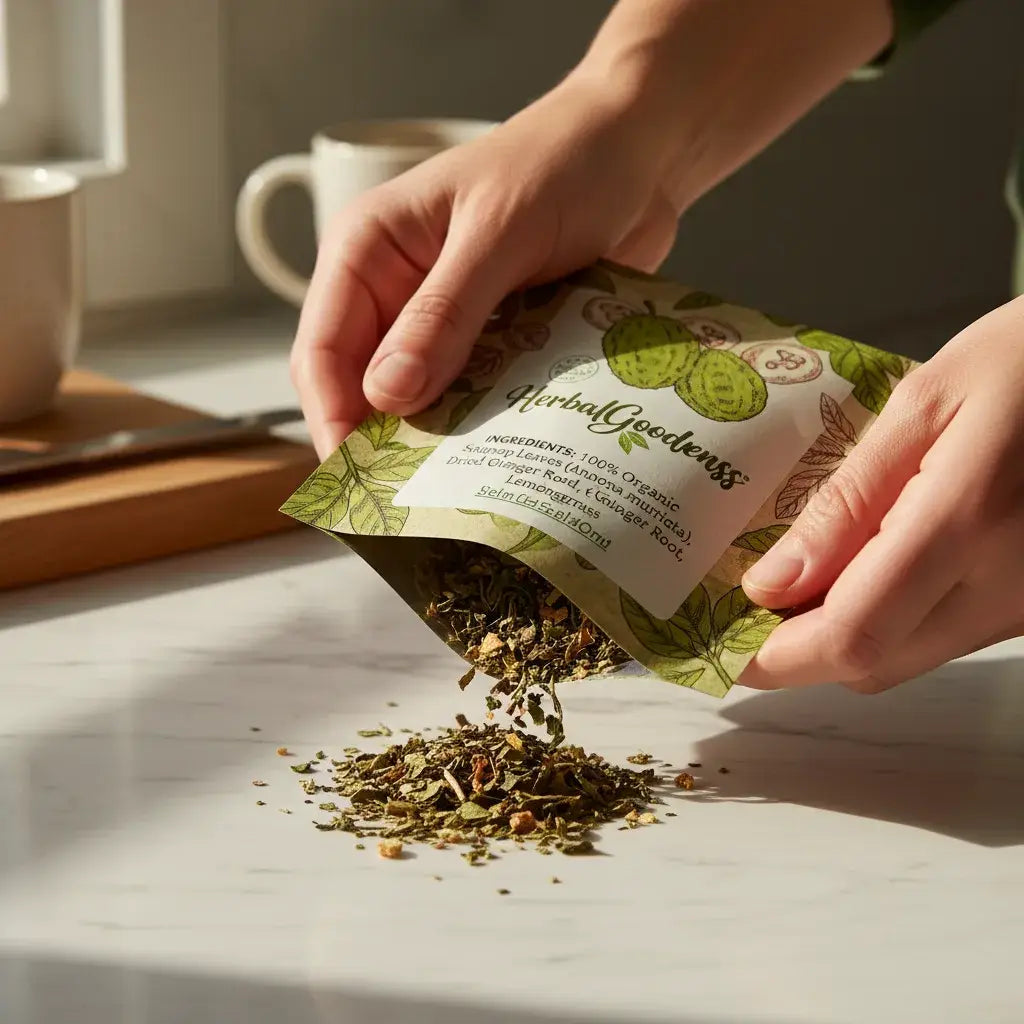
- 100% Soursop leaves should be the primary or only ingredient unless you’re intentionally choosing a blend.
- Watch for added flavors, sweeteners, or unknown ingredients—these can affect both taste and the ritual experience.
If you’re interested in blends, the Graviola, Hibiscus, Bamboo Herbal Tea Trio – Bundle (3 Packs) offers a selection of herbal teas with clear labeling, so you know exactly what’s in your evening cup.
Origin and Source Country
- Soursop leaves are mainly sourced from tropical regions. The country of origin can influence freshness and flavor. Some tea enthusiasts prefer leaves from a specific region based on tradition or personal taste experience.
Understanding Harvest and Processing Terms
The quality of soursop tea is not just about where it’s grown, but how it’s harvested and processed. Here’s what you may see on labels or in brand descriptions:
Harvest Notes
- Wild-harvested: Leaves are foraged from wild-grown trees, which can offer unique flavor variation and appeal to those seeking traditional sourcing.
- Small-batch or handpicked: These terms can signal care in the selective picking of healthy, mature leaves.
Processing Details
- Air-dried or sun-dried: Gentle drying preserves the delicate notes in soursop leaves.
- Hand-processed or artisan-crafted: Suggests minimal machinery and more attention to leaf integrity. This can correlate with premium experiences and fuller flavor in your cup.
- No artificial preservatives: Indicates a cleaner, simpler ingredient list—something many tea drinkers prioritize for evening enjoyment.
For anyone prioritizing clean ingredients for their nighttime rituals, Soursop Bitters - 15X Liquid Extract - Detox & Cell Renew contains no artificial preservatives and highlights careful processing.
Sustainable and Ethical Sourcing: Clues for Conscious Buyers
Sustainability is increasingly important to many tea drinkers. Choosing soursop tea that supports healthy ecosystems and communities can deepen the sense of calm in your evening ritual. Here’s how to spot responsible sourcing:
Eco-Friendly Cultivation and Packaging
- Organic or regenerative farming: These practices often use less water, fewer chemicals, and support biodiversity.
- Compostable or recycled packaging: If the box or pouch is clearly labeled compostable or made from recycled materials, it shows extra commitment to environmental values.
Fair Labor and Community Impact
- Fair Trade Certification: This can suggest workers are paid fairly and that the tea cultivates community support in its region of origin.
- Direct trade or producer partnerships: Brands that mention working directly with farmers may enable more transparency and mutually beneficial relationships.
If social and environmental responsibility is part of your decision-making, herbal brands offering direct-trade teas or Soursop Leaf Graviola Extract - - Organic 15X Liquid Extract - Cell Renew & Immunity are good to consider for their ethical sourcing.
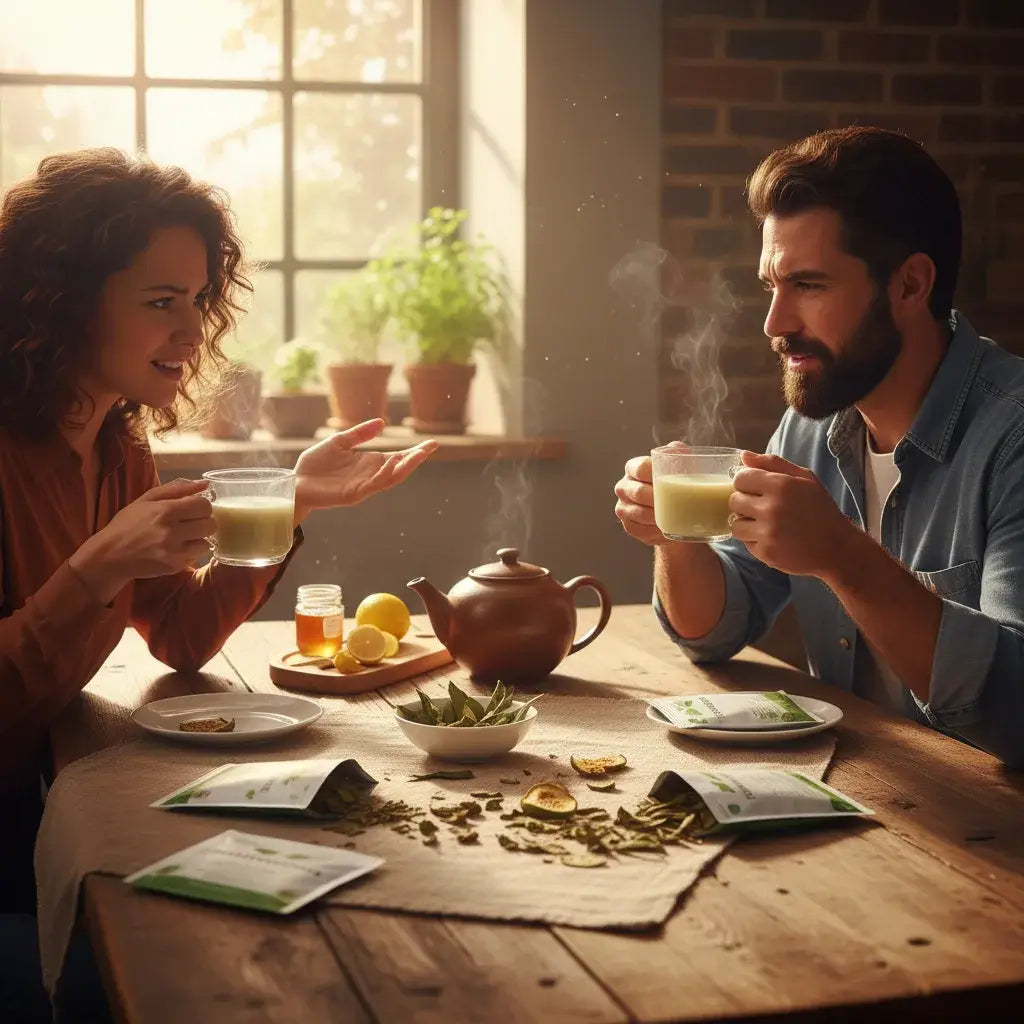
Simple At-Home Soursop Tea Tasting: Finding Your Favorite Flavor
You don’t need to be a tea sommelier to explore what soursop tea works best for your nighttime moments. Here’s a practical, beginner-friendly approach to tasting and savoring:
Step 1: Gather Your Samples
- Choose a few different brands or types: Try a loose leaf, a single-ingredient bagged tea, and (if you’re curious) a blend.
The Bulk Loose Leaf Teas & Tisanes - Organic 4oz - Herbal Wellness Teas allows you to compare loose leaf options and find a fuller soursop tea experience.
Step 2: Brew for Consistency
- Use the same water temperature and steeping time for each tea (typically just below boiling, steep 5–7 minutes for soursop leaves).
- Use a neutral mug for each tasting; avoid flavored cups or utensils.
Step 3: Observe Appearance, Aroma, and Taste
While Tasting, Take Note Of:
- Color: Is the liquid pale green, gold, or amber?
- Aroma: Earthy, grassy, floral, or subtle fruity notes?
- Mouthfeel: Light, smooth, or bold?
- Aftertaste: Any lingering flavors?
If you’re seeking other forms for comparison, Graviola Soursop Leaf Extract – 10X 60/600mg Capsules - Cell Renew & Immunity offers convenient encapsulated soursop for supporting wellness alongside your tea ritual.
Step 4: Personal Reflection
- How do you feel sipping each version?
- Which cup aligns best with your desire for calm and ritual satisfaction?
Creating an Evening Ritual Around Soursop Tea
Tea is as much about mindfulness as taste. Building a calming environment and engaging your senses can make any soursop tea—no matter the brand or origin—a nightly celebration of self-care.
For relaxation support beyond tea, Beauty Sleep - 1oz 15X Liquid Extract - Sleep & Relaxation can be incorporated into your bedtime ritual for an additional sense of calm.
Ideas for Relaxing Tea Rituals
- Light a candle or play gentle music while brewing.
- Use your hands to feel the warmth of the cup—embracing the tactile aspect of tea drinking.
- Sip slowly, inhaling the aroma between tastes.
- Journal for a moment about your day or jot down how the tea experience feels.
Common Questions About Soursop Tea Selection
It’s normal to encounter some uncertainty, especially when trying a new herbal tea. Here are straightforward answers to questions many beginners ask on their quest to choose quality soursop tea.
Why do some soursop teas taste different from others?
Flavor can vary because of harvest methods, leaf freshness, processing style, and whether the tea is loose leaf, in bags, or blended. Trying a few styles helps you find your preferred taste.
Is organic soursop tea always better?
While organic ensures certain farming practices, personal preference also matters. Some prefer the taste of wild-harvested leaves, for example, which might not always be certified organic.
For those who want an organic option with ease of use, the Soursop Leaf Tea Graviola Leaves - Organic 24/2g Tea Bags - Immunity & Cell Renew is worth trying for a gentle, clean cup.
What are signs of good quality on a soursop tea label?
Look for clear ingredient lists (100% soursop leaf), source country, processing details (like air-dried or handpicked), and certifications for organic or fair trade if those matter to you.
Can I use soursop tea for an evening relaxation routine?
Many people enjoy soursop tea as part of their nightly wind-down. The ritual of brewing and sipping a warm cup can help set the tone for a peaceful evening.
Pairing your routine with wellness-focused teas from the Graviola, Hibiscus, Bamboo Herbal Tea Trio – Bundle (3 Packs) may enhance your relaxation experience.
How should soursop tea be stored for optimal freshness?
Keep your tea in a cool, dry place inside an airtight container. This helps preserve its flavor and aroma for your next calming cup.
Are there differences between soursop fruit tea and soursop leaf tea?
Yes, soursop fruit tea uses the fruit pulp, often producing a brighter, fruitier taste, while leaf tea is generally more earthy and delicate—especially suited for evening sipping.
What if my soursop tea tastes bitter or bland?
Experiment with steeping time and water temperature. Shorter steeping can curb bitterness, while using fresh spring water may enhance clean, vibrant notes.
Conclusion: Finding Your Calming Cup
Choosing quality soursop tea isn’t just about the drink itself—it’s about creating a personalized ritual that feels good for your mind and body. Let trusted sourcing, mindful label reading, and simple at-home tasting guide your way, so every cup can become a gentle part of your wind-down routine.
FAQs:
- What should I look for when buying soursop tea?
Scan for clear labeling (ingredient list, origin), organic or fair trade certifications if you value them, and decide if you prefer loose leaf or tea bags. Read harvest and processing notes to ensure a quality experience.
- Is there a big difference between loose leaf and bagged soursop tea?
Loose leaf tea often provides fuller flavor and allows you to control your brewing, while bags offer convenience. Both can be quality options—personal taste and ritual preference play a big role.
- Does organic certification matter for soursop tea?
Organic certification can signify more natural farming methods, but flavor and your connection to the ritual are also important. Choose what's right for your values and taste.
- How do I know if soursop tea is sustainably sourced?
Look for certifications such as Fair Trade, organic, or mentions of direct farmer partnerships. Eco-friendly packaging and farm-to-cup transparency are further clues.
- Can I blend soursop tea with other herbs at home?
Yes! Many enjoy blending soursop with calming herbs like chamomile or mint for personalized evening teas. Start simple and adjust based on taste.
- What does soursop tea taste like?
Soursop tea is typically earthy and mild with grassy and sometimes gentle sweet notes. Some people detect subtle tropical nuances depending on origin and processing.
- What is the best way to brew soursop tea?
Use hot water (just below boiling), steep for 5–7 minutes, and adjust time for taste preference. Start with 1–2 teaspoons per cup for loose leaf, or a standard tea bag.
Author Name:
Herbal Goodness Editorial Team
Author Bio:
The Herbal Goodness Editorial Team specializes in holistic health and superfoods, blending science and nature to educate and empower our community.
References:
Introducing Graviola to Young Taste Buds: Fun, Family-Friendly Flavor Exploration
Graviola in the Classroom and at Home: Creative Activities to Teach Kids About Tropical Plants
Share this
Popular posts


FAQs
1. What are the main benefits of drinking bamboo leaf tea?
Drinking bamboo leaf tea supports hydration, relaxation, skin wellness, and antioxidant balance.
2. What is bamboo leaf extract used for?
It’s used for general body wellness, skin elasticity, hair and nail support, and overall vitality.
3. Can bamboo leaf help with skin care and body wellness?
Yes, bamboo leaf is rich in silica and antioxidants, which promote healthy skin, strong nails, and a youthful glow.
4. What forms of bamboo leaf are available?
You can find dried bamboo leaf, powder, extract, drops, oil, and bamboo leaf green tea.
5. Are there any side effects of bamboo leaf?
Bamboo leaf is generally safe when consumed in moderation. Always consult your healthcare provider before starting any new herbal supplement.