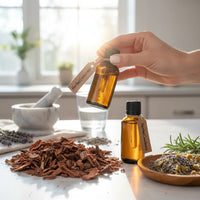
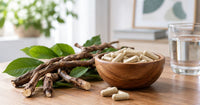
Cat’s Claw Terroir Guide: How Region, Harvest & Season Affect Quality

Many people interested in organic plant extracts look for more than just convenience or availability—they want to understand what goes into making a premium-quality cat’s claw tincture. The concept of terroir, often associated with wine, is gaining traction in the world of herbal wellness. Terroir refers to the unique combination of environment, season, species, and human practices that shape the subtleties of flavor, aroma, and character in plant-based products. For organic cat’s claw tinctures, factors like region, soil health, species variety, and harvest timing all contribute to the final flavor profile and the extract’s overall sustainability. In this article, we’ll explore exactly how these elements influence organic tincture quality, what attentive buyers should look for, and how to decode product sourcing notes for a more conscious shopping experience.
Understanding Cat’s Claw Terroir: Core Influences on Flavor and Quality
When exploring organic cat’s claw tinctures, it’s vital to understand that not all extracts are the same. Cat’s claw is a tropical liana native to the Amazon and Central America, known scientifically as Uncaria tomentosa and, less commonly, Uncaria guianensis. Where and how this plant is cultivated and harvested can dramatically affect both its chemical composition and sensory characteristics. Here are the core factors that make each organic cat’s claw tincture unique:
Species Matters: Which Cat’s Claw is Used?
The two main cat’s claw species, Uncaria tomentosa and Uncaria guianensis, share similarities but produce subtly different flavor profiles and phytochemical balances. Product descriptions may specify the species, helping consumers find extracts that align with their taste or sourcing preferences. For example:
- Uncaria tomentosa: Often described as more earthy, slightly bitter, and robust in aroma.
- Uncaria guianensis: Typically milder with lighter, almost floral notes.
Buyers shopping for the best quality tincture should review the species information in product listings, as this can set expectations for both taste and sustainability, given regional growing variations. If you are seeking authentic cat’s claw benefits for joint and immune support, Immune Boost 15X Liquid Extract is formulated from high-quality sources and features detailed species labeling to assist your decision-making.
Regional Differences: How Location Shapes Organic Tinctures
Just as with fine wine or coffee, the soil, elevation, rainfall, and microclimate of a growing region influence the final plant extract. In South America, cat’s claw grows wild and on organic farms across Peru, Brazil, and parts of Ecuador and Colombia. Here’s how terroir shapes the experience:
- Amazon basin (Peru, Brazil): Dense rainforests with mineral-rich soils offer cat’s claw vines that feature pronounced earthy flavors and deeper aromas.
- Andean foothills (Ecuador, Colombia): Higher elevation and varied rainfall can yield more delicate, nuanced flavors. Some connoisseurs describe these as slightly sweeter or smoother.
Organic cat’s claw producers sometimes specify the region or even the specific cooperative or forest source on tincture labels—insightful for those seeking to buy consciously or support particular regions.
Soil Health and Farming Practices
Rich, living soil supports healthy cat’s claw growth and supplies the full spectrum of its naturally occurring compounds. Certified organic farming avoids synthetic pesticides and fertilizers, resulting in:
- Cleaner, more vibrant flavors
- Transparent supply chains
- Environmental benefits
When ordering premium organic tinctures, notes about soil health, organic certifications, or regenerative agriculture can be indicators of superior quality. For those also aiming to diversify their herbal support, thoughtfully-sourced products such as Raw Sea Moss 8oz Bag | St. Lucia Wildcrafted – Nature's Multivitamin demonstrate how regional purity influences taste and wellness potential.
The Seasonality Factor: When the Vine is Harvested
Much like how grapes or tea leaves pick up different characteristics depending on harvest timing, cat’s claw’s flavor and extract quality are influenced by when and how the plant is collected.
Dry vs. Rainy Season Harvests
- Dry season harvesting often concentrates flavors and active compounds, making tinctures from these periods more complex and assertive.
- Rainy season harvesting might yield milder, softer taste profiles, which some people appreciate for daily use.
Shoppers interested in nuanced flavor or sourcing the best quality may notice seasonality listed in premium product descriptions. Understanding these notes empowers buyers to select tinctures that match their sensory preferences.
Harvest Part: Bark vs. Inner Bark vs. Aged Vine
Cat’s claw tinctures can be made from different parts of the vine:
- Whole bark tinctures: Offer a broader range of flavors, sometimes with woody or earthy undertones.
- Inner bark extracts: Typically milder, richer, and more concentrated in select compounds, with a subtly sweet aftertaste.
- Older (mature) vines: Prized for their robust aroma and nuanced, layered flavor that can only develop over time in older plants.
Carefully reading sourcing notes allows buyers to shop for specific profiles and make choices that align with their flavor expectations. If you’re drawn to liquid herbal formats with potent plant compounds, consider Organic Papaya Leaf Extract 16oz | 15X Liquid – Best Value Size for its clarity on harvest parts and premium organic sourcing.

Harvesting Choices: Sustainability, Quality, and Flavor
Choosing sustainable sourcing goes hand-in-hand with selecting a premium quality cat’s claw tincture. Responsible producers make harvest and extraction decisions that balance environmental stewardship with product quality.
Wildcrafted vs. Cultivated Cat’s Claw
- Wildcrafted: Harvested from naturally occurring vines in the rainforest, often hand-gathered by local communities. This can result in deeply traditional flavors, but savvy buyers should look for certifications ensuring wild populations are protected and harvests are sustainable.
- Cultivated (Organic farms): Grown in managed settings, where soil and water conditions are optimized for the vine’s development. Cultivated cat’s claw often undergoes more standardized quality controls and is easier to trace for sustainability.
Premium suppliers often reference their harvesting philosophy on labels or sourcing notes, so customers shopping for the best price or quality can make informed choices. Along with cat’s claw, options like Blood Platelet Plus Capsules 20X | 60ct – Advanced Platelet Formula also highlight farming transparency and careful harvest for those seeking comprehensive wellness solutions.

The Importance of Traceability and Transparency
Traceable sourcing not only supports ethical consumer values but also enables buyers to discern which tincture may best suit their flavor and quality preferences. Information to look for includes:
- Region or farm name
- Species used
- Harvest date or season
- Part of the vine (bark/inner bark/mature vine)
- Organic or sustainability certifications
Reading these notes carefully can help customers order the premium organic cat’s claw tincture that aligns with their taste and environmental values. Some shoppers even enjoy comparing herbal experiences—such as contrasting a classic cat’s claw extract with herbals like Raw Sea Moss 8oz Bag | St. Lucia Wildcrafted – Nature's Multivitamin—to appreciate how traceability impacts both taste and wellness.
Decoding Product Descriptions: A Guide for Informed Shopping
The modern herbal market offers a wealth of choices, but it also demands a careful eye—especially for those seeking the best quality or sustainable sourcing when shopping for cat’s claw tinctures. Here’s a practical guide:
What to Look for When Shopping Cat’s Claw Tinctures
- Product format: Is it a liquid extract, alcohol-free tincture, or glycerite?
- Species and plant part: Clearly listed, signaling authenticity
- Source region: Helps anticipate flavor profile and supports specific regions
- Harvest timing: Indicates potential flavor differences and freshness
- Certifications: Organic, wildcrafted, or fair-trade labels suggest both quality and sustainability
A transparent description is an indicator of a supplier’s commitment to quality, allowing you to buy cat’s claw products with confidence. When seeking plant wellness, products with trusted sourcing like Immune Boost 15X Liquid Extract can set the gold standard for traceability.
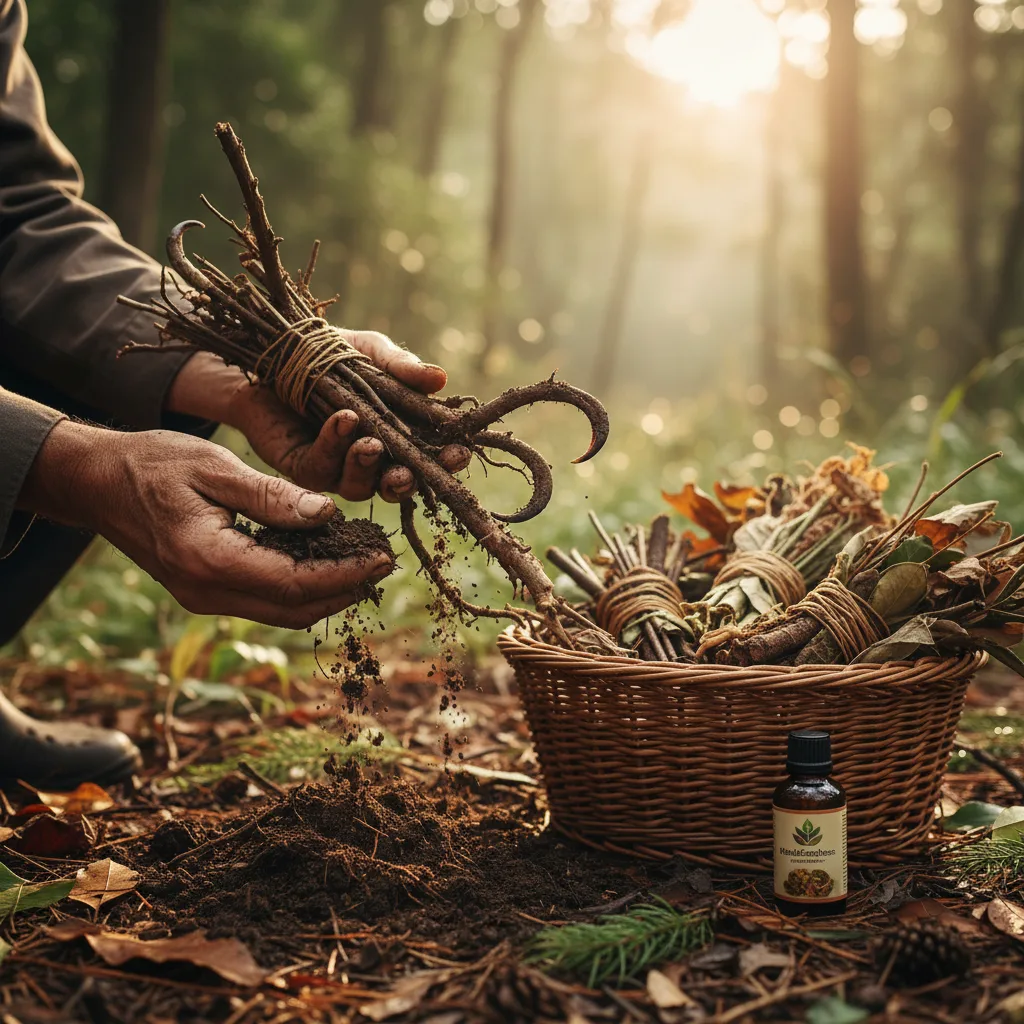
Comparing Tincture Flavor Profiles
It’s important to recognize that taste, aroma, and even color may change subtly between batches crafted from vines of different origins, seasons, and ages. If you’re looking to order the most authentic cat’s claw tincture, look for notes such as:
- "Harvested in the Peruvian Amazon from mature wild vines in the dry season."
- "Certified organic inner bark from Ecuadorian foothills."
- "Cultivated, sustainably managed plantations with traceable sourcing."
These clues help you select products that align with your values and taste expectations. Exploring other formats, Blood Platelet Plus Capsules 20X | 60ct – Advanced Platelet Formula offers insight into how sourcing and region influence herbal supplement integrity.
Sustainability Profile: Why It Matters When Buying Cat’s Claw
Sustainability isn’t just environmental—it’s about community, biodiversity, and cultural respect. Tinctures made with local partnerships, responsible harvest timing, and care for forest ecosystems can deliver both appealing flavor and peace of mind for conscious consumers.
When searching for cat’s claw for sale, consider choosing those with clear sustainability practices. Many high-quality brands, such as Herbal Goodness, share details about their support for local farmers, forest-friendly harvests, and organic certifications, all of which contribute to a consistent, high-quality tincture. Even non-cat’s claw supplements like Organic Papaya Leaf Extract 16oz | 15X Liquid – Best Value Size and Raw Sea Moss 8oz Bag | St. Lucia Wildcrafted – Nature's Multivitamin often share these same principles and can augment your conscious wellness journey.
How to Taste and Experience Terroir in Your Cat’s Claw Tincture
For the curious, exploring the subtleties of cat’s claw tincture can become a rewarding sensory journey. Consider these steps:
- Smell and observe the tincture before tasting. Notice the aroma—does it remind you of earth, wood, or flowers?
- Taste a small amount alone. Is it rich, mild, bitter, or sweet?
- Compare batches from different brands, regions, or harvest times. You may discover your palate prefers a particular terroir.
Learning to notice these nuances elevates the act of choosing and enjoying organic plant extracts. It turns tincture shopping into an act of conscious discovery, making each sample more than just an herbal supplement—it becomes an expression of nature, tradition, and care.
Summary: Reading Beyond the Label
Understanding the terroir of cat’s claw means becoming attuned to the interplay between species, soil, region, season, and hands-on harvesting choices. Rather than treating tincture selection as just another transaction, you can approach it as a meaningful connection between consumer and grower, plant and place.
Whether you’re ordering for the first time or seeking to upgrade your routine, paying attention to sourcing notes, regional details, and production practices helps you shop for the best quality, sustainability, and flavor. Knowledge and curiosity make every tincture an exploration—and every choice one you can feel good about.
FAQs:
- What does terroir mean in the context of cat’s claw tinctures?
Terroir in cat’s claw tinctures refers to how the species, growing region, soil, climate, and harvest timing influence the plant’s unique taste, aroma, and overall quality. These factors shape each organic tincture’s flavor and sourcing profile, helping buyers make informed, intentional selections.
- Why does the growing region matter when shopping for organic cat’s claw?
The growing region impacts the flavor, aroma, and sustainability of cat’s claw. Regions like the Amazon basin and Andean foothills yield unique taste profiles due to variations in soil, climate, and rainfall. Regional sourcing notes can guide shoppers looking for premium quality and ethically sourced tinctures.
- How can I identify a premium quality cat’s claw tincture?
To identify a premium cat’s claw tincture, review the product’s species, region, harvest method, and whether it’s organic or sustainably sourced. Authentic, high-quality tinctures highlight these sourcing notes, ensuring transparency and confidence for conscious buyers.
- Does harvest timing affect cat’s claw tincture flavor?
Yes, the timing and method of harvest significantly influence cat’s claw tincture’s flavor and aroma. For example, dry season harvests often yield more robust and concentrated flavors, while rainy season harvests may produce milder profiles.
- Should I look for bark or inner bark extracts when buying cat’s claw?
The choice depends on flavor preference and concentration. Inner bark extracts are often appreciated for their mildness and rich composition, while tinctures made from whole bark or mature vines tend to offer deeper, more robust flavors. Sourcing notes will indicate which part is used.
- How do I find sustainably sourced cat’s claw tinctures for sale?
Look for detailed sourcing information on sustainability, such as organic certifications, wildcrafted or cultivated details, and direct partnerships with local harvesters. Brands like Herbal Goodness often highlight these aspects for conscious consumers.
Author Name:
Herbal Goodness Editorial Team
Author Bio:
The Herbal Goodness Editorial Team specializes in holistic health and superfoods, blending science and nature to educate and empower our community.
References:
Introducing Graviola to Young Taste Buds: Fun, Family-Friendly Flavor Exploration
Graviola in the Classroom and at Home: Creative Activities to Teach Kids About Tropical Plants
Why Social Impact Matters in Plant-Based Wellness