Cat’s Claw and Bone Support: Research Insights, Key Nutrients, and Safe Exploration Tips

Cat’s claw, a climbing vine native to the Amazon rainforest, has become a point of curiosity for researchers and wellness seekers looking to support skeletal health through natural means. While scientific exploration continues and health claims should always be approached with caution, it is fascinating to see how different species, extracts, and synergistic nutrients are evaluated in modern research. This article unpacks what draws investigators and enthusiasts to cat’s claw, the plant forms and extract types typically studied for bone-related questions, and the key companion nutrients often considered alongside it—like calcium, magnesium, vitamin K, and silica. We’ll also guide you through mindful sourcing, label checkpoints, and gentle ways to try cat’s claw as part of your own wellness rituals, all with a focus on safety and informed curiosity.
Cat’s Claw and Bone-Support: What Do Researchers Examine?
Research on cat’s claw (Uncaria tomentosa and Uncaria guianensis) often centers on its traditional role in supporting wellness, which has led scientists to investigate how various forms of this plant may relate to bone integrity and mineral balance. While only preliminary findings are available and no health claims are suggested, a few points of interest consistently emerge:
- Plant Species Studied: Most research focuses on Uncaria tomentosa, identified by its characteristic hook-like thorns. Some studies also include Uncaria guianensis. Each species may contain different profiles of natural compounds.
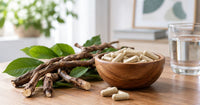
- Plant Parts Used: The inner bark is the most commonly examined plant part in laboratory and herbal contexts, while roots and leaves are occasionally referenced.
- Extract Forms: Cat’s claw is tested in several forms, including water-based teas, standardized liquid extracts, encapsulated powders, and tinctures. Each format may deliver different concentrations of active plant compounds.
For those curious about quality options, understanding these distinctions is vital when shopping for cat’s claw for sale—ensuring you choose a format aligned with your intentions for everyday wellness routines.
Companion Nutrients: Why Bones Need More Than One Approach
In the quest for bone support, researchers rarely look at a single herb or nutrient in isolation. Instead, they often highlight a constellation of minerals and vitamins that work together to contribute to structural health. These companion nutrients are critical for anyone considering cat’s claw as part of a broader self-care approach:
Calcium
Calcium is long valued for its role in bone mineral density.* Many quality bone-support formulations feature naturally sourced calcium alongside botanicals like cat’s claw. When shopping for such products, confirm calcium type and origin on the label.
Magnesium
Magnesium assists with maintaining normal bone structure and helping transport calcium where it is needed. Opt for supplements marked “best price” or “premium” organic magnesium to pair safely with botanicals, always observing label guidance.
Vitamin K
Traditionally appreciated for supporting the placement of calcium in the matrix of bones, vitamin K is another common companion.
Silica
Silica is recognized for its structural role in connective tissues. Some bone formulas blend silica-rich herbs with extracts like cat’s claw, with sourcing and label integrity being crucial factors. One example is choosing products containing Bamboo Leaf Tea 24 Bags | Nature's Silica – Collagen & Biotin Support, which provides plant-based silica—a popular ally in bone and connective tissue support.
Other Noteworthy Allies
- Zinc
- Vitamin D (from sunlight or selected supplements)
- Boron
Combining cat’s claw with the right nutrients, at proper dosages and quality standards, is often highlighted in premium formulations for those seeking comprehensive bone support options.
Which Cat’s Claw Product Formats Are Studied and Sold?
When you search for where to buy cat’s claw, you’ll find several primary product categories—each with its own considerations for efficacy, usage, and synergy with other nutrients:
Water-Based Teas
Tea made from dried cat’s claw bark is a traditional preparatory method. Researchers may use this format to study the natural matrix of plant chemicals as they would be experienced in daily life.
Standardized Liquid Extracts
Professionally extracted cat’s claw, often defined by a specific percentage of oxindole alkaloids or polyphenols, is preferred in some research settings for consistency. These products, frequently labeled as “premium quality” or “certified,” typically offer concentrated forms ideal for blending. An example is Immune Boost 15X Liquid Extract, designed to support your wellness regimen with focus on quality, transparency, and easy blending with companion nutrients.

Encapsulated Powders
Capsules provide a straightforward option for those seeking controlled dosing. When shopping, look for information on vegan or organic sourcing and whether the product focuses on bark, root, or full-spectrum plant. Another common nutrient seen in bone blends is silica, available in liquid form such as Bamboo Leaf Organic 15X Liquid Extract | Silica, Collagen & Biotin, which can complement your routine for bone and connective tissue nourishment.
Tinctures and Diluted Blends
Tinctures—alcohol- or glycerin-based extracts—allow for versatile use, such as dilution in water or tea. For order options, review extraction ratios and purity standards for optimal confidence. For comprehensive support, many wellness seekers choose a specialized blend like Bone & Joint 15X Liquid Extract | Natural Joint & Bone Wellness Support, combining the synergistic power of botanicals for overall bone health.

Herbal Goodness, as an example of brands that prioritize transparency, often lists exact plant parts, extraction methods, and quality commitments clearly on each product label.
How to Mindfully Explore Cat’s Claw in Daily Rituals
Curious individuals often embrace cat’s claw in gentle, exploratory ways. Always remember that while such rituals are rooted in tradition, it’s essential to do so with safety and clear expectations. Here are some plain-English suggestions for mindful experimentation:
- Start Low & Go Slow: Begin with the lowest suggested serving (as seen on reputable labels). Gradually learn what feels compatible with your unique needs.
- Mix With Synergy: Try adding a pinch of calcium-, magnesium-, or silica-rich ingredients (like oat straw or horsetail tea) alongside cat’s claw tea. Maintain simple, single-ingredient blends initially. Integrating nourishing teas such as Bamboo Leaf Tea 24 Bags | Nature's Silica – Collagen & Biotin Support is a gentle way of enhancing synergy for bone support.
- Dilution Is Key: When using tinctures or strong extracts, dilute a few drops in a full glass of water or herbal infusion to experience the flavor and aroma in a gentle way.
- Pair With Ritual: Many people incorporate cat’s claw tea into morning stretches or evening wind-down routines. Mindful sipping can become a form of self-care.
- Rotate Botanicals: Avoid consuming any one herb continuously for long periods. Consider rotating with other botanicals and companion nutrients according to seasonal needs. Alternating with blends like Bone & Joint 15X Liquid Extract | Natural Joint & Bone Wellness Support adds broader coverage within your herbal ritual.
- Keep a Journal: Note your experience with different products, formats, and blend ratios over time to discover personal preferences.

Remember that premium, organic cat’s claw products may offer the clearest insight into the gentle, traditional uses of the plant. Sourcing matters—always look for best quality and clear labeling when adding new botanicals to your routine.
Label Details and Sourcing: What Informed Buyers Watch For
Whether ordering online or shopping locally, buyers should apply an extra layer of scrutiny to cat’s claw labels and sourcing information. Consider these checkpoints to ensure you receive a product that matches research-backed formats and aligns with personal buying standards:
- Botanical Name: Check for “Uncaria tomentosa” or “Uncaria guianensis” listed clearly.
- Plant Part Used: Look for disclosure of inner bark, root, or other specified part.
- Extraction Method: Quality brands often state whether their products are water-extracted, alcohol-extracted, or processed some other way.
- Country of Origin: Transparency here can indicate sustainable, traceable sourcing.
- Certification Claims: Verify organic, vegan, or non-GMO status if those are priorities. Choosing Bamboo Leaf Organic 15X Liquid Extract | Silica, Collagen & Biotin with clear organic certification helps ensure product integrity for companion nutrients.
- Batch Testing and Lot Numbers: These details show a commitment to safety and traceability.
- Synergistic Formulations: Some products incorporate companion nutrients for a more comprehensive approach—always check ingredient lists for blends that match your interest in bone-support. If you’re interested in multi-botanical support, Bone & Joint 15X Liquid Extract | Natural Joint & Bone Wellness Support fits this category.
As with all herbal products, purchase only from suppliers with established reputations who offer full transparency on label and sourcing. This extra diligence pays off for those seeking the best price and best quality cat’s claw options.
Safety Notes for Exploring Cat’s Claw and Companion Nutrients
Engaging with any new plant or supplement should always be approached thoughtfully. Here are gentle reminders for exploring cat’s claw, whether alone or with nutrients like calcium, magnesium, or silica:
- Always follow serving size guidelines on the supplement label or packaging.
- If combining with other botanicals or nutrient blends, start with small amounts to observe how your body responds.
- Those with plant sensitivities, allergies, or who are pregnant or lactating should consult a qualified professional before adding unfamiliar herbs.
- If you are using premium, organic cat’s claw for sale from a reputable supplier like Herbal Goodness, look for third-party testing and transparent product info to support your experience.
A gentle, informed approach—combined with awareness about label details and dosing—helps ensure a positive, mindful introduction to cat’s claw and common bone-supporting nutrients.
Final Thoughts: Mindful Curiosity Meets Quality Exploration
Curiosity about cat’s claw and its companion nutrients for bone support can open doors to enjoyable daily rituals and deeper understanding of plant-based wellness. Armed with information on species, extract forms, quality markers, and usage tips, you’re better equipped to find and use best quality cat’s claw for your needs. Safe, gradual exploration—anchored in transparency and self-awareness—is the heart of all meaningful botanical journeys.
FAQs:
- Which cat’s claw species are most studied for bone support?
Researchers most often focus on Uncaria tomentosa and, to a lesser extent, Uncaria guianensis when evaluating cat’s claw in relation to bone-support questions. When shopping for best quality cat’s claw, check the product label for the botanical name to ensure you are selecting the researched species.
- What are the main companion nutrients to consider with cat’s claw?
Calcium, magnesium, vitamin K, and silica are among the nutrients most commonly discussed alongside cat’s claw in bone-support research. Look for premium blends or order options that disclose these ingredients when considering comprehensive support.
- Which cat’s claw extract forms are best for gentle exploration?
Water-based teas, standardized liquid extracts, and properly diluted tinctures are all gentle options for those beginning to explore cat’s claw. For sale listings, seek organic, clearly labeled products for best quality and peace of mind.
- What label details should I review before buying cat’s claw?
Always check for the botanical name, plant part used (like inner bark), extraction method, origin, and certifications such as organic or vegan. Transparent brands like Herbal Goodness provide full ingredient and sourcing details.
- How should cat’s claw be combined with other nutrients in everyday rituals?
Start with a simple brew or dilute tincture, and gradually add companion nutrients like calcium or magnesium-rich foods or blends. Rotate botanicals and monitor your response, using best quality products and clear serving directions.
- Are there safety considerations when exploring cat’s claw products?
Yes. Always adhere to label guidance, start with small servings, and consult a professional if you have allergies, sensitivities, or are pregnant or lactating. Shop for cat’s claw that is third-party tested and clearly labeled for safety.
- Where can I find premium, organic cat’s claw for sale?
Premium organic cat’s claw is available through trusted wellness brands and specialty retailers. Look for reputable suppliers like Herbal Goodness that are transparent with sourcing, extraction methods, and ingredient lists.
Author Name:
Herbal Goodness Editorial Team
Author Bio:
The Herbal Goodness Editorial Team specializes in holistic health and superfoods, blending science and nature to educate and empower our community.
References:
Uncaria tomentosa (cat’s claw): A systematic review – Phytomedicine