





Can You Eat Fennel Seeds? Your Flavor-First Culinary Guide

Can You Eat Fennel Seeds? Your Flavor-First Culinary Guide
Fennel seeds have enchanted cooks and food lovers for generations, thanks to their bold, aromatic flavor and versatility in the kitchen. If you’ve ever dug into a cuisine bursting with complex spice notes or sipped a refreshing herbal tea, you may have already tasted fennel seeds without realizing it! But can you eat fennel seeds on their own? How do you use them in daily cooking, and what makes their flavor so unique? Whether you’re a curious beginner or a culinary adventurer, this flavor-first guide will walk you through all things fennel seed — from taste and traditions to culinary tips and practical advice for using them every day.
Exploring the Taste Profile of Fennel Seeds
What Do Fennel Seeds Taste Like?
Fennel seeds stand out with their gently sweet, lightly licorice-like flavor. When you bite into a whole seed, you’ll notice a subtle warmth and a lingering freshness on your palate—a combination of sweet, herbal, and slightly citrusy notes. Some compare the flavor to anise or even a hint of mild, herbal mint.
The intensity can vary:
- Raw seeds offer a grassy freshness with a crisp crunch.
- Roasted fennel seeds develop deeper sweet and nutty undertones, making the licorice character less prominent and more mellow.
- Ground fennel seeds spread that distinctive flavor evenly, infusing dishes without noticeable texture.
How Texture and Use Affect Flavor
Texture matters!
- Whole seeds provide bursts of flavor and a satisfying crunch.
- Crushed or ground seeds share the aroma generously but blend seamlessly into doughs, sauces, and spice mixes.
This versatility makes fennel seeds a favorite for both subtle and assertive flavor enhancement.
Culinary Applications: How to Use Fennel Seeds
Fennel seeds find a place in both sweet and savory recipes worldwide. Here’s how food lovers commonly use them in daily cooking:
Enjoying Fennel Seeds Raw
In some cultures, especially in India and the Middle East, chewing plain fennel seeds after meals is a customary tradition. The seeds:
- Freshen breath naturally
- Provide a pleasant, aromatic end to the meal
Try keeping a small bowl of fennel seeds on your kitchen counter as a flavorful after-dinner ritual!
Roasting Fennel Seeds for a Toastier Flavor
Roasting coaxs out robust, caramelized sweetness while reducing bitterness. To roast:
- Place seeds in a dry skillet over medium heat.
- Stir gently for 2-3 minutes until fragrant and golden.
- Let cool and use immediately, or store in airtight containers.
Roasted fennel seeds are ideal in:
- Spice blends (masalas, rubs)
- Homemade crackers and breads
- Salad and soup toppers
If you enjoy nutrient-rich traditional herbs, you might also appreciate experimenting with Sea Moss - Raw Dried from St Lucia - 8oz Bag - Nature's MultiVitamins in similar ways for both health and culinary variety.
Ground Fennel Seeds for Spice Mixes
Grinding fennel seeds releases their essential oils, amplifying aroma and flavor. Ground fennel is commonly found in:
- Sausage and meatball blends
- Curry powder and five-spice powder
- Biscotti and baked goods
You can grind seeds with a mortar and pestle or use a spice grinder for convenience. Freshly ground fennel is far more aromatic than pre-ground options.

Brewing Soothing Fennel Seed Tea
Fennel seed tea is cherished in Mediterranean, Middle Eastern, and Asian cultures for its comforting, aromatic qualities. To prepare a simple fennel seed infusion:
- Gently crush 1–2 teaspoons of seeds to release their oils
- Steep in hot (not boiling) water for 5–10 minutes
- Strain and enjoy as-is, or sweeten lightly with honey
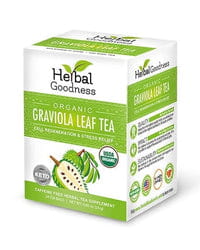
This herbal tea offers a refreshing, slightly sweet drink for any time of day. If you love exploring herbal teas, discover more with Soursop Leaf Tea Graviola Leaves - Organic 24/2g Tea Bags - Immunity & Cell Renew, blending tradition and wellness in every cup.
Fennel Seeds in Culinary Traditions Around the World
India: A Staple in Everyday Spices
In India, fennel seeds are woven into the culinary fabric. They are often:
- Added to curries, dals, and rice dishes
- Chewed after meals, sometimes candy-coated as “mukhwas”
- Blended into pickles, chutneys, and spice mixes
For those interested in holistic culinary traditions, Papaya Leaf Extract - Organic 1oz 15X Liquid - Blood Platelet can be paired with meals for its unique botanicals.
Fennel’s sweet warmth balances spicy, savory, and tangy flavors, earning it a starring role in Indian home and restaurant kitchens.
The Mediterranean and Middle East: Bread, Sausage, and More
Greek, Italian, and Middle Eastern kitchens regularly use fennel seeds to:
- Season breads and crackers
- Brighten tomato sauces, salads, and grilled meats
- Elevate traditional cookies and cakes
- Add flair to preserved olives and pickled vegetables
Fennel seeds lend depth and complexity, complementing both rustic and refined recipes. Those seeking to bring functional botanicals into Mediterranean habits can check out the broad spectrum of Bulk Loose Leaf Teas & Tisanes - Organic 4oz - Herbal Wellness Teas.
China: An Essential Spice for Savory Dishes
Fennel is a component of renowned Chinese five-spice powder. Its aroma:
- Enhances braised meats and vegetables
- Complements sweet and savory stir-fry dishes
- Adds a signature touch to dumplings and soups
Including adaptogenic plants in your tea routine, like the ones found in Soursop Leaf Tea Graviola Leaves - Organic 24/2g Tea Bags - Immunity & Cell Renew, can offer a holistic approach inspired by global spice traditions.
Other Global Traditions
You’ll also find fennel seeds:
- In French herbes de Provence mixes
- Sprinkled into Scandinavian rye breads
- Paired with fish in Mediterranean cuisines
- Woven into North African tagines
This global footprint highlights why fennel seeds are a beloved staple wherever bold, complex flavors are celebrated. As you try international flavors, you may enjoy combining them with nutrient-dense Sea Moss - Raw Dried from St Lucia - 8oz Bag - Nature's MultiVitamins to broaden your culinary toolkit.

Practical Tips for Buying and Storing Fennel Seeds
What to Look for When Buying Fennel Seeds
- Color: Fresh fennel seeds are pale green. Faded or brownish seeds may be older and less aromatic.
- Aroma: Rub a small amount between your fingers—a sweet, strong scent indicates freshness.
- Whole vs. Ground: Whole seeds retain flavor longest, while ground seeds offer convenience. For peak potency, grind as needed.
- Organic Options: If available, choose organic fennel seeds to avoid potential residues and support sustainable agriculture.
If variety is your goal, explore Bulk Herbs & Roots - Organic 4oz Bags - Herbal Tea for exploring different botanicals beyond fennel.
Storing Fennel Seeds at Home
To preserve flavor:
- Store in an airtight glass jar, away from direct sunlight and heat
- Keep in a cool, dry spot in your pantry
- Use within 6–12 months for maximum aroma
Pro tip: Label jars with the purchase date. Over time, even properly stored seeds will fade in flavor and aroma. Freshness matters just as much for your Papaya Leaf Extract - Organic 1oz 15X Liquid - Blood Platelet
How to Experiment with Fennel Seeds in Your Cooking
Start small and adventurous! Fennel seeds can:
- Elevate a simple salad dressing or vinaigrette
- Add dimension to homemade granola or muesli
- Work as a flavor twist in root vegetable or potato dishes
- Lend a subtle sweet note to pancakes or waffles
- Balance out bold flavors in tomato or bean soups
Feel free to toast, grind, or use whole depending on texture and intensity desired. Experimenting in classic and modern recipes can help you unlock new taste experiences. If your explorations inspire you, try Bulk Loose Leaf Teas & Tisanes - Organic 4oz - Herbal Wellness Teas for creative infusions.
Creating Homemade Blends With Fennel Seeds
Try these simple blend ideas:
- Fennel-Coriander Spice: Toast equal parts fennel and coriander seeds. Cool, then grind together for a citrusy, aromatic blend.
- Sweet Baking Spice: Mix ground fennel with cinnamon and nutmeg for an aromatic boost to cookies and cakes.
- Savory Rub: Blend fennel, black pepper, and dried rosemary for a simple rub on roasted veggies or proteins.
Pair new flavors easily with nutrition-packed Sea Moss - Raw Dried from St Lucia - 8oz Bag - Nature's MultiVitamins or add a wellness boost with Papaya Leaf Extract - Organic 1oz 15X Liquid - Blood Platelet.
Fennel Seeds: A Flavorful Addition Worth Exploring
Whether you’re chewing them raw after a meal, tossing them into a Mediterranean salad, or brewing a cup of soothing tea, fennel seeds can breathe new life into your kitchen adventures. Their globally treasured flavor, versatility, and sensory appeal make them a small but mighty addition to any pantry. With so many easy ways to use fennel seeds, you can discover new favorites that delight your palate and connect you to culinary traditions from around the world.
FAQs:
- Can you eat fennel seeds raw?
Yes! Fennel seeds can be eaten raw and are often enjoyed straight after a meal, especially in Indian and Middle Eastern traditions. Their crunchy texture and natural sweetness make for a pleasant tasting experience.
- What’s the difference between whole and ground fennel seeds?
Whole fennel seeds are fresher longer and provide bursts of aromatic flavor with a crunchy texture. Ground fennel integrates smoothly into spice blends or recipes but may lose its potency faster than whole seeds.
- How do fennel seeds enhance the flavor of dishes?
Fennel seeds add a sweet, mildly licorice-like note that complements both sweet and savory recipes. Roasting or grinding them can intensify or mellow the flavor, letting you choose the profile that fits your dish.
- What are some traditional uses of fennel seeds in cooking?
Fennel seeds are used widely—chewed after meals in India, added to breads and sausages in the Mediterranean, blended into Chinese five-spice, and infused as tea in multiple food cultures worldwide.
- How should fennel seeds be stored for best flavor?
Store fennel seeds in an airtight container away from sunlight and heat. Whole seeds generally keep their aroma and flavor for six months to a year when stored properly.
- Are fennel seeds used in sweet or savory dishes?
Both! Fennel seeds are featured in savory foods like curries, pasta sauces, and bread, as well as in sweet items such as cookies, cakes, and desserts.
Author Name:
Herbal Goodness Editorial Team
Author Bio:
The Herbal Goodness Editorial Team specializes in holistic health and superfoods, blending science and nature to educate and empower our community.
References:
Introducing Graviola to Young Taste Buds: Fun, Family-Friendly Flavor Exploration
Graviola in the Classroom and at Home: Creative Activities to Teach Kids About Tropical Plants