Can You Eat Bamboo Leaves? A Beginner’s Guide to Species, Preparation, and Culinary Uses

Bamboo leaves have fascinated culinary enthusiasts across continents for centuries, celebrated not only for their subtle aroma but also their aesthetic charm and practicality in the kitchen. While most people think of bamboo shoots, the tender edible sprouts, few realize that bamboo leaves themselves are a central part of various Asian and tropical food traditions. From wrapping steamed delicacies and rice cakes to imparting a delicate fragrance to dishes, bamboo leaves lend both flavor and natural artistry. If you’re curious about experimenting with bamboo leaves or keen to explore how cultures creatively use them, this beginner’s guide is for you. We’ll map out the most sought-after bamboo species, methods for preparing leaves, culinary inspirations, and practical tips for sourcing and handling—without straying into medicinal claims or unverified folklore.
Exploring Edible Bamboo Species for Culinary Use
Bamboo is not a single plant species but a diverse group of grasses with hundreds of varieties. However, not all bamboo leaves are commonly used in culinary settings. Over generations, specific species have been favored for their leaf texture, size, and negligible bitterness.
Popular Bamboo Species in Cooking
1. Phyllostachys edulis (Moso Bamboo)
Widely grown in China, Japan, and neighboring regions, Moso bamboo leaves are prized for their thin, broad shape and gentle scent, making them perfect for wrapping rice dumplings, such as zongzi.
2. Bambusa vulgaris
Bambusa vulgaris is native to tropical regions like Southeast Asia and parts of Africa. The leaves are notably flexible and popular as an aromatic food wrapper or even as serving mats.
3. Dendrocalamus asper
Common in Southeast Asia, especially Indonesia and the Philippines, Dendrocalamus asper leaves are frequently used in traditional steamed cakes and savory treats thanks to their durability and subtle herbal character.
Characteristics to Look For
- Flexible, unblemished, and supple leaves
- Green coloration, avoiding yellowed or dry patches
- Mild, slightly grassy aroma instead of sharp or pungent smells
Before foraging or purchasing, always ensure the species selected has a tradition of culinary use. Some ornamental bamboo varieties contain compounds that can impart bitterness or reduce palatability.
Traditional Culinary Uses Around the World
Bamboo leaves are more than just eco-friendly packaging; they play a role in flavoring, protecting, and visually enhancing food. Across Asia, Africa, and South America, bamboo leaf usage has taken on unique forms and significance.
East Asia: Wrapping and Steaming
- China: In southern China, bamboo leaves encase sticky rice dumplings called zongzi, especially during the Dragon Boat Festival. Steaming with the leaves infuses a gentle earthy note.
- Japan: Sasa or sasa-no-ha, a variety of bamboo leaf, is employed to wrap sweets and sushi, while also serving as a beautiful platter liner. The traditional chimaki snack—sweet rice wrapped in bamboo leaves—is a festive classic.
Southeast Asia: Steamed Cakes and Herbal Infusions
- Philippines and Indonesia: Bamboo leaves feature as natural wrappers for suman (steamed rice cake) or lemper (glutinous rice with seasoned meat), providing both aroma and a visually appealing finish.
- Malaysia and Thailand: Bamboo leaves are sometimes infused in broths or teas for their characteristic scent and mild taste.
South America and Africa: Practicality and Presentation
Though less common than in Asia, indigenous communities in South America and Africa have used bamboo leaves as food plating or temporary wrapping for fire-roasted delicacies.
Safe Foraging and Selection Tips
Sourcing and handling bamboo leaves for the kitchen requires a mindful approach, especially for enthusiasts considering wild foraging or purchasing from unknown suppliers.
Key Identification Points
- Choose Recognized Species: Stick with species widely recognized as culinary, such as Phyllostachys edulis, Bambusa vulgaris, and Dendrocalamus asper.
- Observe the Environment: Only collect leaves from areas free of pesticides, road runoff, or industrial contamination.
- Check Freshness: Select bright green, flexible leaves without signs of mold, discoloration, or unusual spots.
Washing and Preparation: A Stepwise Approach
1. Rinse Thoroughly
Place bamboo leaves in a basin of cold running water. Agitate gently to remove dirt or insects. Drain and repeat until water is clear.
2. Blanching for Flexibility
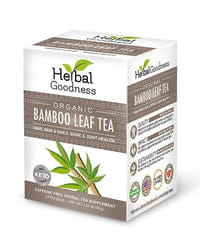
To ensure pliability and better hygiene, submerge the washed leaves in boiling water for 2–3 minutes. This step not only softens the leaves, making them easier to fold and wrap but also helps loosen any clinging debris. For home cooks seeking kitchen convenience, Bamboo Leaf Tea – 24/1.5g Tea Bags - Nature's Collagen & Biotin offers a familiar way to incorporate the aroma of bamboo leaves into daily routines.
3. Pat Dry
Lay the blanched leaves on a clean towel or drying rack. Pat gently with a cloth—excess moisture can affect wrapping or steaming processes.
4. Trimming Edges
Use kitchen scissors to trim rough stems or pointed tips, ensuring an even surface for wrapping.
Culinary Inspiration: Creative Ways To Use Bamboo Leaves
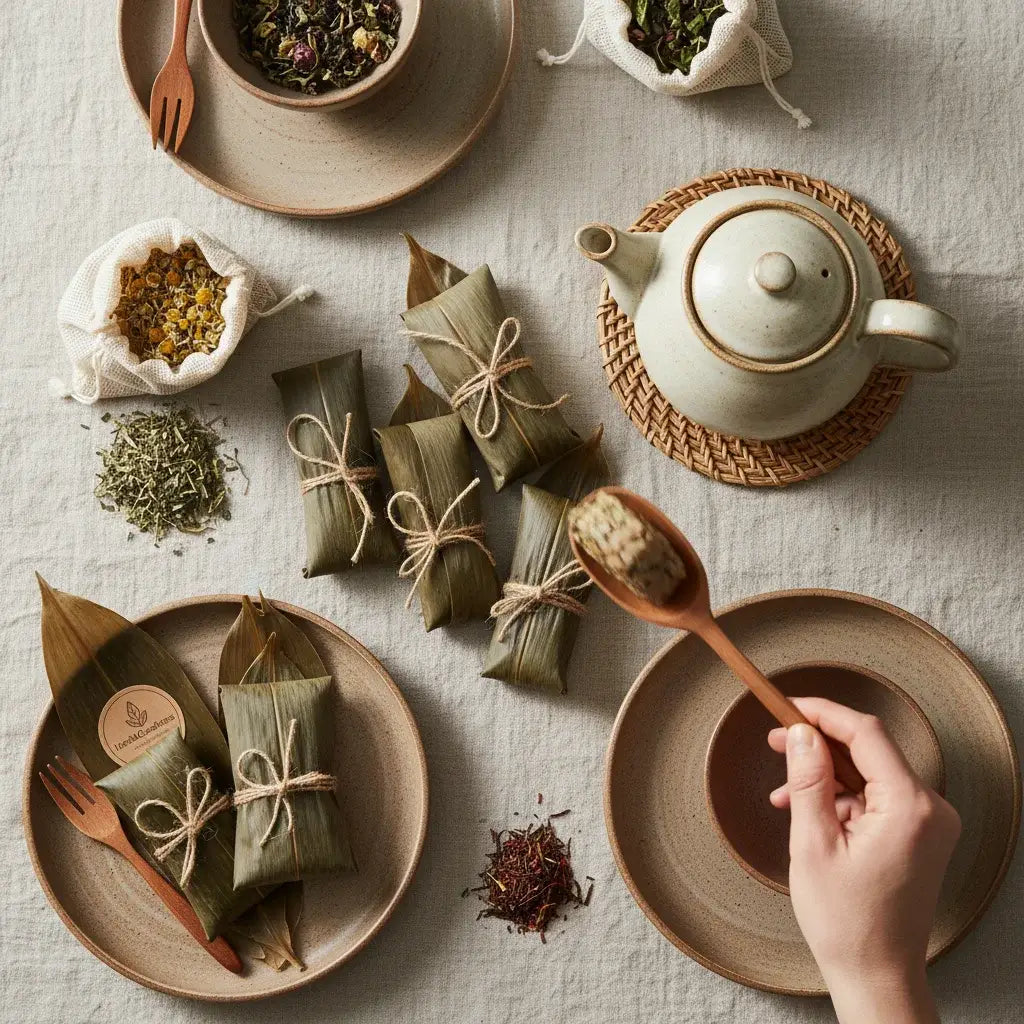
Once prepared, bamboo leaves open a world of culinary possibility. Their subtle botanical nuances work best as a wrapping, steaming, or lining element, imparting both fragrance and texture control.
Wrapping and Steaming
- Rice Dumplings (Zongzi): Sticky rice tightly encased in bamboo leaves, filled with beans, chestnuts, or seasoned meats. Steaming unlocks flavor and aroma. Next time you crave this classic, try pairing it with a warming cup of Bamboo Leaf - Organic 1oz 15X Liquid Extract - Nature's Collagen & Biotin for a cohesive botanical experience.
- Chimaki: Similar to zongzi, this Japanese treat uses glutinous rice sometimes sweetened with red bean paste.
- Suman/Lemper: In the Philippines and Indonesia, these portable snacks keep their moisture and shape thanks to bamboo leaves.
Infusing and Lining
- Broth Flavoring: Slip a few washed bamboo leaves into simmering soup for a hint of grassiness. Those wanting a convenient way to enjoy bamboo's benefits may enjoy Bamboo Leaf Tea – 24/1.5g Tea Bags - Nature's Collagen & Biotin as a kitchen staple.
- Baking/Cooking Liner: Place bamboo leaves at the bottom of the pan for meats or fish; heat releases their aromatic compounds.
Presentation and Garnishing
- Plating/Serving: Bright green leaves provide a natural, biodegradable layer for serving sushi, dim sum, or snacks at parties.
- Dessert Wrappers: Wrap sticky sweets or steamed cakes for both tradition and aesthetics.
If you want to celebrate herbal versatility, consider adding Graviola, Hibiscus, Bamboo Herbal Tea Trio – Bundle (3 Packs) to your kitchen for both inspiration and flavor exploration.
Important Precautions for Home Cooks and Foragers
Though bamboo leaves have a long-standing culinary history, a few basic safety reminders ensure an enjoyable and problem-free experience:
- Never consume raw or unprepared bamboo leaves; always rinse, blanch, and trim as appropriate.
- Avoid leaves from unknown sources to reduce the risk of chemical or environmental residuals.
- Store prepared leaves in the refrigerator for up to a week; freeze extra leaves for long-term use after blanching.
For those enjoying herbal wellness, Soursop Leaf Tea Graviola Leaves - Organic 24/2g Tea Bags - Immunity & Cell Renew is another unique tea option that can complement bamboo leaf dishes beautifully.
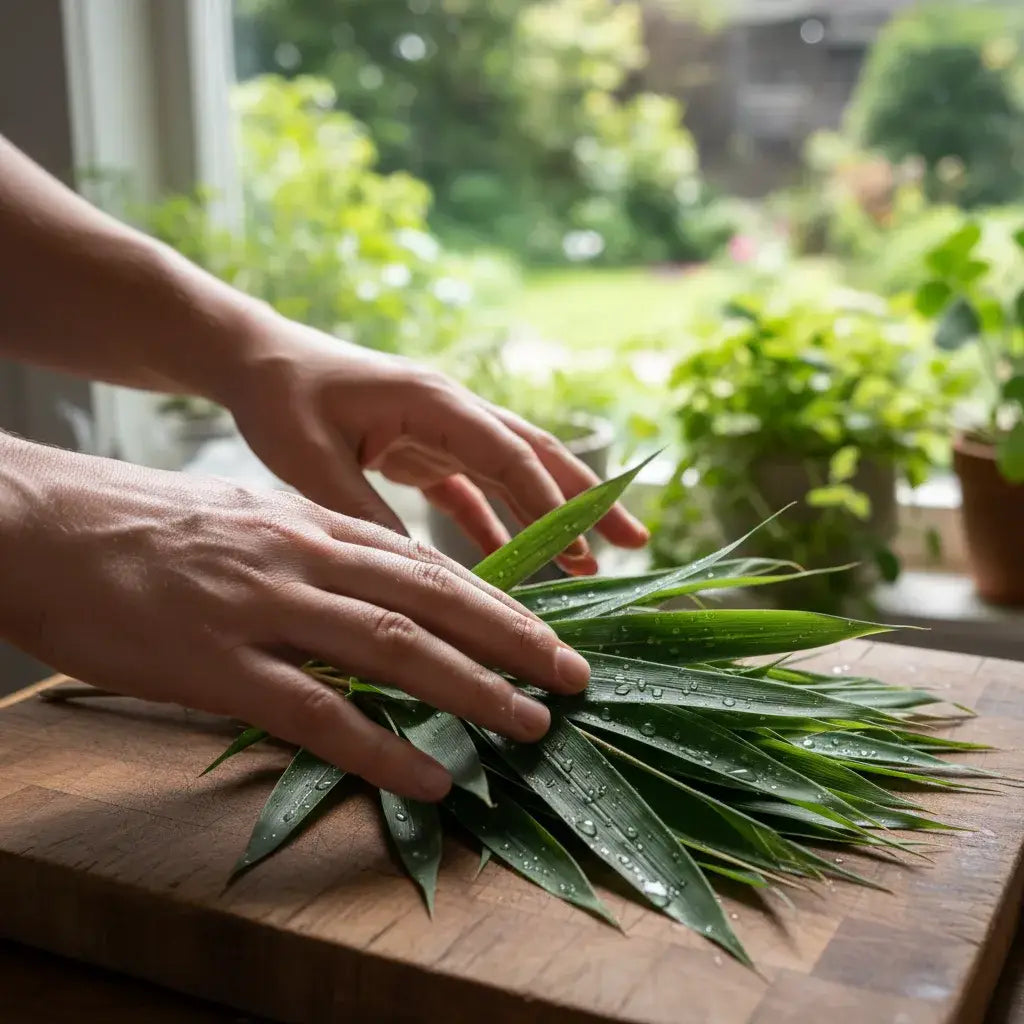
If introducing bamboo leaves into your cooking for the first time, start with a small portion and observe their interaction with the chosen food—delicate, subtly grassy undertones are expected, not overpowering flavors.
Cultural Symbolism and Role in Tradition
Bamboo leaves are more than a piece of kitchenware; they are woven into holidays, customs, and symbolism throughout Asia:
- In China, using bamboo leaves during festivals signals abundance and unity, with family members gathering to wrap rice dumplings.
- Japanese traditions see bamboo leaves as pure and vibrant, often used in Shinto rituals as well as in culinary settings.
- In Southeast Asia, gifting goodies wrapped in bamboo leaves conveys respect and good wishes.
Understanding the cultural layers behind bamboo leaf usage deepens appreciation for their role in the global culinary landscape.
Sustainability and Eco-Friendliness
Using bamboo leaves as a kitchen tool aligns perfectly with eco-conscious values:
- Biodegradable and Compostable: After serving, bamboo leaves can return to the soil, reducing landfill waste. Choosing leaves or products like Bamboo Leaf Tea – 24/1.5g Tea Bags - Nature's Collagen & Biotin is a sustainable, renewable upgrade for the kitchen.
- Renewable Resource: Bamboo grows rapidly, making leaf harvesting a sustainable choice compared to disposable plastics or foil.
- Local Sourcing: For those living in the right climate, home gardens or responsible wild collecting provide a direct, sustainable source.
Keep these sustainability tips in mind and consider bamboo leaves a versatile ally in creating both memorable dishes and mindful kitchens.
FAQs:
- Which bamboo species are safe for kitchen use?
Popular culinary species include Phyllostachys edulis (Moso Bamboo), Bambusa vulgaris, and Dendrocalamus asper. Always choose species with a culinary tradition and source from trustworthy suppliers or uncontaminated locations.
- How do you prepare bamboo leaves for cooking?
Thoroughly rinse bamboo leaves in cold water, then blanch in boiling water for 2–3 minutes. Pat dry and trim edges before using as a food wrapper or liner.
- What are common dishes made with bamboo leaves?
Classic dishes include Chinese zongzi (rice dumplings), Japanese chimaki, and Southeast Asian suman or lemper, all of which rely on bamboo leaves for wrapping and steaming.
- Can bamboo leaves be eaten raw?
Bamboo leaves are typically not consumed raw; they are used as wrappers, liners, or flavoring agents. Always blanch and clean leaves thoroughly before kitchen use.
- How should bamboo leaves be stored after preparation?
Store blanched and dried bamboo leaves in an airtight container in the refrigerator for up to a week. For longer storage, freeze leaves after they have been blanched.
- Are bamboo leaves eco-friendly alternatives to plastics in the kitchen?
Yes, bamboo leaves are compostable, biodegradable, and considered a renewable resource, making them a sustainable replacement for single-use plastics and foils in food preparation.
- What safety precautions should beginners follow when using bamboo leaves?
Use only recognized culinary species, avoid leaves from polluted or chemically treated areas, and always thoroughly wash and blanch leaves before using them with food.
Author Name:
Herbal Goodness Editorial Team
Author Bio:
The Herbal Goodness Editorial Team specializes in holistic health and superfoods, blending science and nature to educate and empower our community.
References:
Introducing Graviola to Young Taste Buds: Fun, Family-Friendly Flavor Exploration
Graviola in the Classroom and at Home: Creative Activities to Teach Kids About Tropical Plants