Can You Compost Bamboo Tea Bags? Local Rules, Prep Tips & Eco Guide

Enjoying a hot cup of tea is a simple pleasure—especially when you opt for eco-friendly tea bags made from bamboo leaf or bamboo fiber. But as more people embrace sustainable living, a common question arises: can your city compost bamboo leaf tea bags? Understanding how to properly dispose of spent tea bags, especially if they’re made with bamboo, isn’t only good for the planet—it can even help keep your home waste-free. This guide will walk you through how to identify compostable tea bags, check your city’s rules, and prepare your used bags for successful home or community composting, or explore low-waste options if city programs say no.
Why Composting Tea Bags Matters for City and Backyard Sustainability
Composting is a key part of reducing household waste, supporting healthy soil, and closing the loop on what we consume. Many brands, including some by Herbal Goodness, have introduced bamboo-based tea bags as a more sustainable choice compared to plastic or synthetic-fiber alternatives. However, even eco-friendly bags must be disposed of properly. Not all municipal composting facilities accept every material, and even among natural fibers, not all bags are the same. With a little know-how, you can make sure your spent tea bags truly return to the earth—and keep contaminants out of green bins.
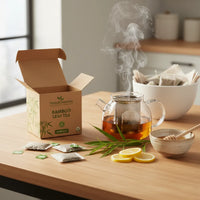
When you use Bamboo Leaf Tea 24 Bags | Nature's Silica – Collagen & Biotin Support, you enjoy both the wellness benefits and the lower environmental impact of bamboo fiber bags.
Are Bamboo Leaf Tea Bags Compostable? How to Tell What’s in Your Bag
Before adding used tea bags to your compost pile or city green bin, the first step is to determine if they’re truly compostable. Bamboo fiber and bamboo leaf are generally considered biodegradable and break down well in both home and industrial compost systems. But many tea bags also include non-compostable parts, so check for these:
- Bag Materials: Bamboo, hemp, or paper bags are usually compostable. Nylon, PET, or mesh bags are not.
- String and Tags: Strings made from cotton or hemp are safe for compost. Glossy, coated, or plastic tags should be removed.
- Staples: Metal staples are not suitable for compost—always take them off before composting.
Additionally, for those seeking to replace standard tea bags with more eco-minded alternatives for their daily tea, Organic Papaya Leaf Tea | 24 Premium Bags – Caffeine-Free is a great plant-based option.
Simple Ways to Identify Your Tea Bag Materials
- Soak Test: Compostable bags will become soft and break apart in hot water. Synthetics tend to hold their shape.
- Check Packaging: Look for packaging claims like “100% compostable,” “plastic-free,” or “made with bamboo.” Brands like Herbal Goodness often specify this for transparency.
- Look for Seals: Some third-party certifications (e.g., Compostable logo, BPI) signal that bags meet compostability standards. If in doubt, set aside questionable bags for landfill or other disposal options.
For those looking to diversify their compostable beverage routine, consider Soursop Leaf Tea | Organic Graviola 24 Bags – Immunity & Cell Renew which, in addition to being eco-friendly, offers unique antioxidant benefits.
How to Check Your Local Compost Rules for Tea Bags
Municipal composting guidelines are not universal. Some city programs accept plant fiber tea bags (including bamboo leaf), while others only allow loose tea leaves or specifically exclude all bags. To avoid contaminating your compost bin—which could result in rejected pickups or fines—it’s crucial to confirm your city’s stance on bamboo tea bags:
- Check the City Website: Most municipal waste departments have online lists of accepted compost items. Search for terms like “tea bags,” “plant fiber compost,” or “bamboo fiber.”
- Contact Customer Service: When info isn’t clear online, call your city’s compost hotline or email for clarification. Ask if they accept bamboo, plant-based, or compostable tea bags.
- Look for Curbside Bin Guides: Some community programs distribute illustrated guides (print or digital) that feature “yes/no” lists for composting. Check under the food waste section.
- Ask at Farmers’ Markets or Community Gardens: Local composting enthusiasts and garden educators often have direct experience navigating city rules for tea bags and can provide helpful insights.
What If My City Excludes Tea Bags?
If your city does not accept tea bags, you can still compost them at home (if they’re truly compostable) or explore other disposal options—covered below.

Prepping Bamboo Leaf Tea Bags for Compost: Step-by-Step Guide
Proper preparation before composting maximizes breakdown, keeps compost clean, and ensures a high-quality end product—whether in a backyard pile or community bin.
1. Remove Non-Compostable Elements
- Take off any staples, plastic tags, or plastic-coated string. Only compost the actual bag, tea leaves, and natural-fiber parts.
- If the string is plastic, snip it off. Cotton or hemp strings can stay.
2. Empty Loose Tea (If Needed)
- For bags not accepted by your city, snip them open and compost the loose bamboo tea leaves. Dispose of bag and string in trash or follow low-waste ideas below.
3. (Optional) Shred or Tear the Bag
- Breaking large bags into smaller pieces helps them decompose faster in home compost.
- Industrial compost systems are optimized for breakdown, but for backyard bins, small pieces work best.
4. Dry Before Adding (Optional)
- Drying the spent tea bag makes storage neater until you’re ready for composting—a handy trick if you compost weekly.
5. Mix into Compost for Even Breakdown
- Bury bags inside the compost pile or green bin to boost decomposition and avoid pests.

Composting in Curbside Bins vs. Home Piles
- For curbside programs, follow all prep steps and place only bagged tea that meets city guidelines in your green bin.
- For home compost, as long as your bag is truly bamboo or paper with no synthetic additives, it’s safe to compost as outlined. In fact, brewing with Bamboo Leaf Organic 15X Liquid Extract | Silica, Collagen & Biotin can be an eco-minded alternative for those who want bamboo wellness benefits in a liquid format—no bag waste involved.

For variety, switching between sustainable tea bags and a liquid extract, such as the one above, offers flexibility in maintaining an eco-friendly kitchen routine.
What to Do if Your City Won’t Compost Bamboo Tea Bags
Some cities restrict what goes into organic bins for various reasons: contamination concerns, processing methods, or current compost markets. If your city won’t accept bamboo or plant-fiber tea bags:
- Home Compost Pile: Compost them yourself if you have yard space. Bamboo is a natural fiber that breaks down in backyard compost.
- Worm Bin (Vermicomposting): Most compostable bags are suitable for worm bins when shredded and free of staples or plastic.
- Local Collection Bins: Check with local farms, community gardens, or drop-off compost sites—many accept bamboo and paper bags even when municipal recycling doesn’t.
- Throw Away Responsibly: If composting isn’t possible, dispose of spent bags in your garbage—but remove tea leaves first, if practical, to put in kitchen scrap bins.
- Eco-Friendly Crafts or Reuse: Use cleaned-out empty bags in DIY projects, as seed starters, or as gentle cleaning pads. This can delay landfill impact.
Alternating with our organic herbal teas can further reduce single-use product waste and give you compostable loose leaves without bags.
Exploring Low-Waste Disposal Alternatives for Bamboo Tea Bags
If composting is not an option, you can still minimize waste with these ideas:
- Mulch Around Plants: Shredded, untreated bamboo bags can be raked into garden beds as mulch, adding a slow-release carbon source to soil.
- Garden Paths or Pavers: Bury spent, washed bags under outdoor paving stones to rot naturally and suppress weeds, provided they are genuinely plant-based.
- Green Waste Drop-Off Days: Some cities offer seasonal yard waste programs that accept non-traditional compostables. Check event lists or ask public works.
- Zero-Waste Mindset: Buy only loose-leaf or 100% certified compostable tea bags to start, reducing future landfill contributions.
If you’re in search of wellness teas that support the zero-waste mindset, Wellness Tea Blends – 4oz Organic Premium Herbal Infusions provide loose options ideal for both brewing and composting with minimal impact.
Why Quality and Materials Matter for Composting Bamboo Leaf Tea Bags
Premium or organic bamboo tea bags often use fewer additives and are more likely to be plastic-free. When shopping for tea bags, look for:
- Clear Ingredient Labels: Brands that spell out “bamboo leaf only” or “no plastic” make it easier to compost with confidence.
- Third-Party Certifications: Seals from compostability organizations or trusted eco-labels signal the bag is designed with breakdown in mind.
- Minimal Packaging: The less packaging on your tea box, the better for your compost bin—and the planet.
Herbal Goodness and similar companies often choose bamboo or plant-fiber bags because they serve both tea quality and eco-friendly disposal, helping you shop for the best quality while feeling good about your waste footprint. For liquid alternatives, Bamboo Leaf Organic 15X Liquid Extract | Silica, Collagen & Biotin is well-suited for those seeking to avoid single-use packaging but retain the benefits of bamboo.
Recap: A Simple Checklist for Composting Bamboo Leaf Tea Bags in Your City
To make composting bamboo tea bags part of your routine, follow this quick checklist:
- [ ] Identify bag materials (bamboo, paper, or hemp = good)
- [ ] Remove non-compostable parts (staples, plastic, glossy tags)
- [ ] Check your city or facility’s current compost rules
- [ ] Prep tea bags by shredding and drying if needed
- [ ] Compost loose leaves if whole bag is not accepted
- [ ] Use home compost, worm bin, or local drop-off as alternatives
- [ ] Buy premium, certified bamboo tea bags for easier composting
By taking these steps, you help ensure your tea ritual creates less waste, supports healthier soils, and fits perfectly with your city’s or community’s sustainability goals. Whether you compost at home, through curbside pickup, or seek out low-waste alternatives, every little action adds up.
FAQs:
- Can I put bamboo leaf tea bags in my city green bin?
Acceptance varies by city. Check your local composting guidelines or contact your municipal waste department to confirm if bamboo fiber tea bags are allowed in green bins.
- How do I tell if my tea bag is compostable?
Look for bags labeled as 'compostable' or made from bamboo, paper, or hemp. Avoid bags with plastic, staples, or glossy tags. If unsure, perform a soak test: compostable bags usually soften and break apart in hot water.
- What should I remove before composting spent tea bags?
Remove any staples, plastic or foil tags, and synthetic strings. Compost only the bag, tea leaves, and natural-fiber string when possible.
- Can I compost bamboo tea bags at home if my city won’t take them?
Yes, as long as the tea bag is 100% bamboo or paper without any non-compostable components, it is safe for home composting or worm bins.
- What can I do if neither my city nor home compost accepts tea bags?
You can compost just the loose tea leaves, reuse the bag for crafts, use as mulch, or ensure responsible landfill disposal of the bag itself.
- Are premium or organic bamboo leaf tea bags different in compostability?
Premium or organic bamboo leaf tea bags often contain fewer additives, making them more likely to be plastic-free and compost friendly.
- Where can I find the best quality bamboo leaf tea bags for composting?
Seek brands that clearly label ingredients, verify compostability certifications, and offer minimal-waste packaging for easier composting and eco-friendly disposal.
Author Name:
Herbal Goodness Editorial Team
Author Bio:
The Herbal Goodness Editorial Team specializes in holistic health and superfoods, blending science and nature to educate and empower our community.
References:
Introducing Graviola to Young Taste Buds: Fun, Family-Friendly Flavor Exploration
Graviola in the Classroom and at Home: Creative Activities to Teach Kids About Tropical Plants