





Black Seed Oil: Compare Liquid vs Capsule Labels Before Buying

Black seed oil, derived from Nigella sativa, has captured worldwide interest for its rich history in traditional wellness and diverse uses. Shoppers see bottles labeled for kitchen use, capsules in supplement aisles, and even topical oils showcased in beauty sections. But what do these labels really mean—and why do some black seed oil products come as liquids while others are packaged in capsules with very different labeling? This guide explains how black seed oil is categorized as a food, supplement, or cosmetic, focusing on the real-world labeling differences between liquid oils and capsules. By learning how to spot clues on bottles, jars, and packaging, you’ll understand which products match your needs, how to compare them, and how to shop responsibly and with confidence.
What Is Black Seed Oil and Where Do You Find It?
Black seed oil, sometimes called black cumin seed oil, is pressed from the seeds of Nigella sativa. Its earthy, slightly bitter taste is valued in various cultures as a culinary oil, and it's also long appreciated for its traditional uses in herbal wellness and personal care. Because black seed oil fits into several categories—kitchen, health, and beauty—it appears in stores and online under three main types of labeling:
- Culinary (Food or Cooking oil)
- Dietary Supplement (usually capsules)
- Cosmetic (topical use oil)
Deciphering these categories helps you avoid confusion and select the right product for your desired use. If you're looking to expand your kitchen oils with nutrient-rich options, consider exploring Black Seed Oil 8oz | Cold-Pressed Nigella Sativa – Immune & Daily Wellness as a natural culinary choice.
Culinary Black Seed Oil: Food Labeling Essentials
When black seed oil is sold for culinary purposes, it is regulated as a food. You’ll recognize it in the grocery or natural foods sections, usually in glass or dark plastic bottles. Here’s what to look for on culinary labels:
Key Label Clues for Culinary Black Seed Oil
- Ingredient Listing: Generally reads simply as “100% Pure Black Seed Oil” or “Nigella sativa oil.”
- Serving Size and Nutrition Panel: Details like “Serving Size: 1 tsp (5 ml)” and a Nutrition Facts panel indicating calories, fat, and sometimes naturally occurring iron or other nutrients.
- Usage Language: Descriptions such as “For Dressing and Cooking,” “Drizzle on Salads,” or “For Culinary Use.”
- No Supplement Facts: Food oils never display a Supplement Facts panel.
- Storage Instructions: Often specify cool, dry places and sometimes refrigeration after opening to preserve freshness.
These products are intended to be enjoyed in food preparation, much like olive or flaxseed oil. If your goal is to use black seed oil in recipes, drizzle on foods, or blend into smoothies, a culinary-labeled oil is your best match.
For additional wellness support, you might want to complement your diet with Raw Sea Moss 8oz Bag | St. Lucia Wildcrafted – Nature's Multivitamin, which also offers a nourishing addition to various recipes.
Black Seed Oil Supplements: Capsulated and Liquid Oil Labeling
When sold as a supplement, black seed oil is regulated under dietary supplement guidelines. This typically means you’ll see the oil encapsulated in softgels, though some liquid black seed oils (especially those with higher concentrations or standardized extracts) may be labeled this way as well. Here’s how to spot a dietary supplement distinction:
Label Indicators for Black Seed Oil Supplements
- Supplement Facts Panel: The clearest giveaway—this replaces the conventional Nutrition Facts. It will note “Serving Size: 2 capsules,” with milligram (mg) details for the black seed oil content per serving.
- Suggested Use Instructions: Language such as “As a dietary supplement, take 1-2 capsules daily with food.”
- Additional Ingredients: Capsule materials (like gelatin or vegetarian cellulose) are listed, sometimes alongside carrier oils.
- Cautions: Look for advisory statements about keeping out of reach of children, use only as directed, or consult a professional if pregnant or nursing.
- No Cooking or Culinary Language: Supplement-labeled black seed oil doesn’t mention food preparation or tasting notes.
Black seed oil supplements are chosen by those aiming for more convenient, measured servings, or who prefer not to consume the oil’s natural flavor. It’s important to match product labeling to your intended purpose. If you're looking for easy and consistent supplement serving, Blood Platelet Plus Capsules 20X | 60ct – Advanced Platelet Formula provides a practical option in capsule form to support overall wellness.
Cosmetic Black Seed Oil: Topical Oil Labeling and Intended Use
Black seed oil’s popularity extends to skin and hair care products, where it is labeled as a cosmetic. This labeling is common for stand-alone topical oils as well as oils blended into creams or serums.
Cosmetic Label Features to Recognize
- Cosmetic Ingredient Declaration: Simply lists “Nigella sativa seed oil” or similar, sometimes alongside other ingredients.
- Usage Instructions: Wording such as “Apply a few drops to skin or hair,” “For external use only,” or “As a facial oil.”
- Absence of Nutrition/Supplement Info: Cosmetic products don’t display Nutrition Facts or Supplement Facts.
- Warnings and Storage Guidance: Advisories often include “Avoid contact with eyes,” “Patch test before use,” and ideal storage conditions.
- Packaging: Cosmetic oils are often found in small dark glass bottles, sometimes with droppers, rather than larger pour bottles or capsulated formats.
Using black seed oil on the skin or hair? Double-check for clear topical application instructions and avoid any oil not specifically labeled for external use. Those interested in natural hair and follicle support could also consider Bamboo Silica + Biotin Hair Growth Extract | 15X Liquid | Natural Hair & Follicle Support as a beauty alternative.
Why Do Labeling Categories Matter for Black Seed Oil?
Understanding whether black seed oil is labeled as a food, supplement, or cosmetic protects the consumer in several key ways:
1. Intended Use & Directions
- Oils labeled for culinary use aren’t tested or dosed as dietary supplements, and cosmetic oils aren’t evaluated for food safety.
- Using a product for a different purpose than labeled risks taste, potency, or application suitability.
2. Quality, Purity, and Transparency
- Dietary supplements require manufacturers to disclose active ingredients per serving for consumer transparency.
- Foods must show nutrition information and allergen statements if relevant.
- Cosmetics must list all included ingredients, particularly for those with sensitive skin or allergies.
Selecting a product like Black Seed Oil 8oz | Cold-Pressed Nigella Sativa – Immune & Daily Wellness ensures you clearly understand the origin, content, and intended use so you can use it safely and appropriately.
3. Proper Storage for Maximum Freshness
- Culinary oils may need refrigeration after opening; supplements often require a dry, cool place.
- Cosmetic oils may be blended with other ingredients or stabilized for shelf life.
For those also seeking to boost wellness with targeted products for immune or platelet support, explore Blood Platelet Support with Papaya Leaf | Organic 15X Liquid Extract as another carefully labeled liquid botanical.
4. Comparison Shopping and Safety
- Label category determines quality assurances, recalls, and compliance checks by regulatory bodies.
- Responsible shopping means selecting a product with labeling and original intended use that matches your needs.
Liquid Black Seed Oil vs Capsule: The Role of Format in Labeling
While both liquid oils and capsules may contain similar core ingredients, their labeling reflects differences in use, dosing, and expectations.
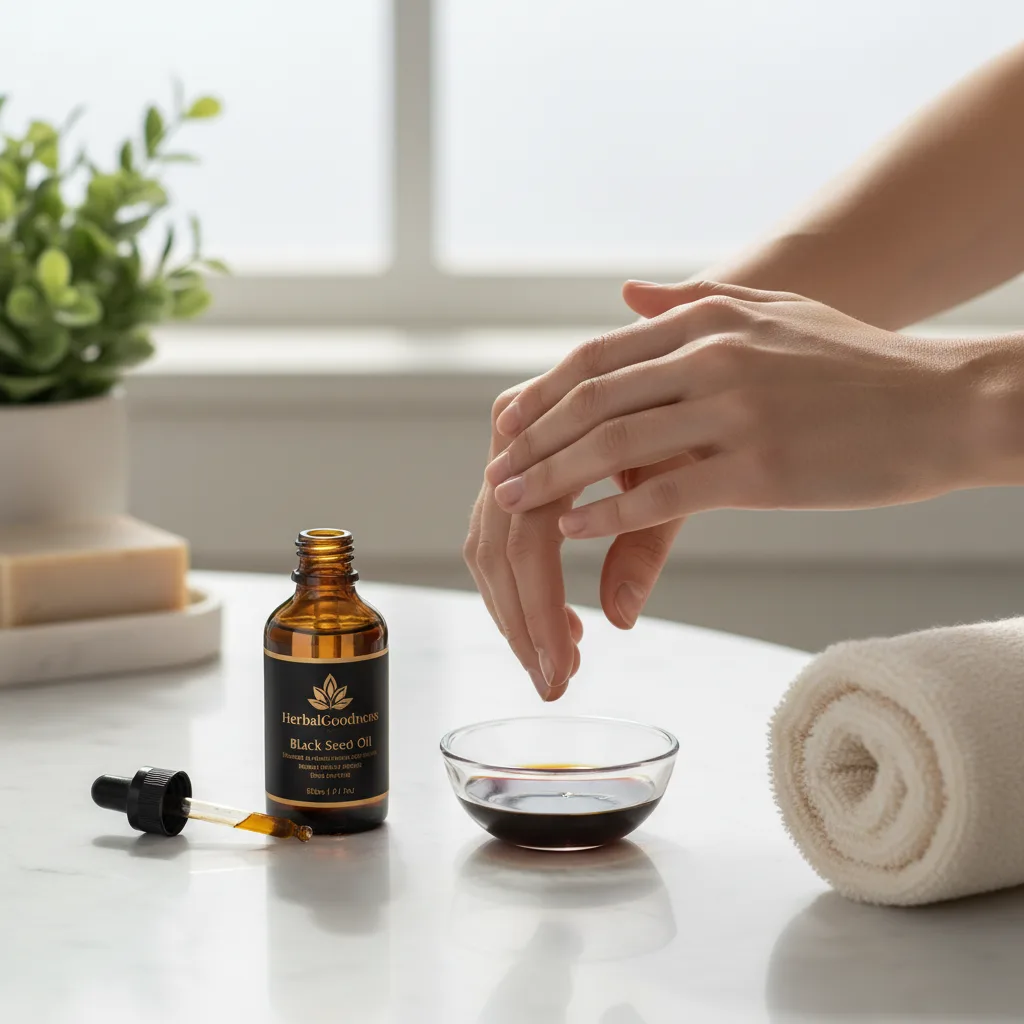
Liquid Black Seed Oil
- Can be labeled as food, supplement, or cosmetic.
- If food, look for Nutrition Facts, ingredient-only panels, and flavor usage suggestions.
- If supplement, expect directed serving sizes (like “1 teaspoon daily”), a Supplement Facts panel, and quality certifications.
- If cosmetic, the packaging will indicate topical use, possibly include essential oil blends, and carry warnings for external use only.
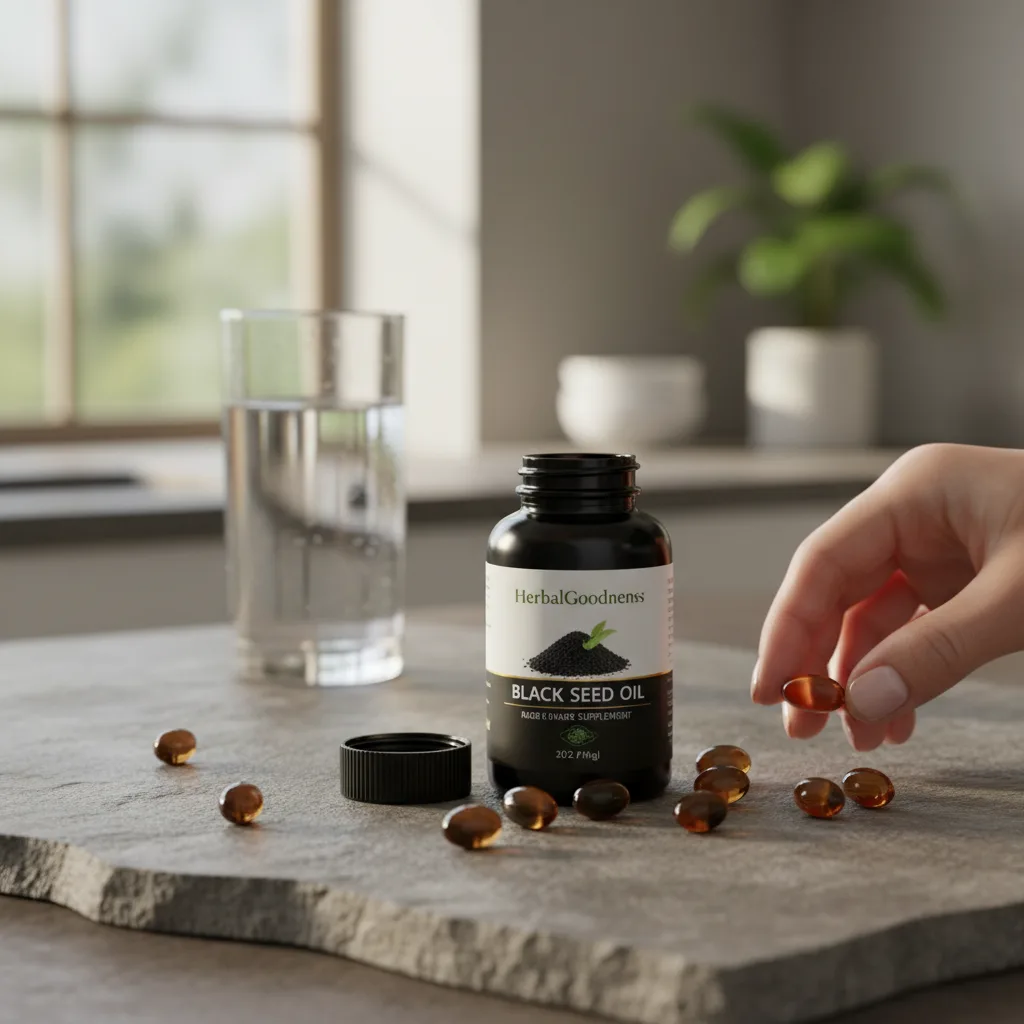
Capsule or Softgel Black Seed Oil
- Always labeled as a dietary supplement.
- Look for Supplement Facts (not Nutrition Facts), suggested serving in capsules, capsule shell ingredients, and storage advisories.
- No mention of pourable uses or topical application.
Understanding these distinctions helps consumers purchase the format and labeling that truly match their intentions. For those who prefer consistency in their supplement regimen, Blood Platelet Plus Capsules 20X | 60ct – Advanced Platelet Formula offers a reliable dietary supplement option.
Practical Label Clues: Comparing Black Seed Oil Products
Shopping in-store or online, here are some decisive steps to evaluate black seed oil labels and formats:
- Look for Panel Type: Instantly scan for Nutrition Facts (food), Supplement Facts (supplement), or just an ingredient panel (cosmetic).
- Read the Suggested Use: Culinary oils reference food prep, supplements reference daily intake, cosmetics reference topical application.
- Check Ingredient Disclosures: Food and cosmetic oils may be pure, but supplements sometimes include carrier oils, preservatives, or capsule materials.
- Confirm Intended Use and Storage: Reputable brands clearly state intended use and proper storage to help avoid confusion or misapplication.
- Avoid Making Assumptions: The same brand’s black seed oil may appear with different labels for different uses. Trust the product labeling, not just the front panel marketing.
For those who want to support their daily wellness goals, Black Seed Oil 8oz | Cold-Pressed Nigella Sativa – Immune & Daily Wellness brings clarity in its comprehensive label, helping you make a confident purchase.
Tips for Responsible Black Seed Oil Shopping
Empowered shoppers take a careful, label-first approach to choosing black seed oil products. To compare responsibly:
- Buy for Your Intended Use: Choose culinary, supplement, or cosmetic labeling that matches what you need.
- Evaluate Serving Info: Capsules deliver a consistent amount per serving; liquids can vary based on measuring accuracy.
- Ask Questions as Needed: If sourcing or purity is unclear, contact the brand for more information.
- Check Storage Needs: Culinary and supplement oils may require different storage to maximize shelf life and freshness.
- Inspect for Certification Symbols: While not always required, third-party testing or organic certification are extra assurance markers.
- Observe All Safety Warnings: Follow all directions and advisories for proper use and storage of your black seed oil.

If you want even more ways to support your immune system, try pairing black seed oil culinary use with nutrient-dense botanicals such as Raw Sea Moss 8oz Bag | St. Lucia Wildcrafted – Nature's Multivitamin.
Why Label Transparency Matters for Every Category
Label transparency benefits consumers by:
- Ensuring you get what you pay for
- Supporting responsible use (culinary, supplemental, or topical)
- Promoting safety by outlining cautions and storage
- Helping you make sense of differences between capsule and liquid oil labeling
By taking a few extra moments to review black seed oil labels through the lens of their regulatory category and intended use, shoppers can confidently compare products and make the best possible selections for their routines.
Frequently Asked Questions
Question 1: What is the difference between black seed oil liquid and capsule forms?
Answer: The main difference is labeling and usage: liquid black seed oil can be labeled as a food, supplement, or cosmetic, while capsule forms are always supplements. For example, Black Seed Oil 8oz | Cold-Pressed Nigella Sativa – Immune & Daily Wellness is suited for culinary or supplement purposes, whereas Blood Platelet Plus Capsules 20X | 60ct – Advanced Platelet Formula comes only as a dietary supplement.
Question 2: How should I choose between culinary, supplement, or cosmetic black seed oil?
Answer: Choose based on intended purpose: for recipes or salads, pick a culinary-labeled oil such as Black Seed Oil 8oz | Cold-Pressed Nigella Sativa – Immune & Daily Wellness; for supplementation, capsules like Blood Platelet Plus Capsules 20X | 60ct ensure consistent serving; for hair or skin, choose a product labeled for topical use.
Question 3: What should I look for on the label of black seed oil products?
Answer: Scan for Nutrition Facts or Supplement Facts panels, serving recommendations, and clear instructions. Labels for culinary use typically feature serving size and usage language, while supplements provide dosage in mg per serving. For those concerned with transparency, products like Black Seed Oil 8oz | Cold-Pressed Nigella Sativa – Immune & Daily Wellness are good examples.
Question 4: Is it safe to use supplement or cosmetic labeled black seed oil in cooking?
Answer: No; supplement and cosmetic oils are not tested or approved for food use. Use only culinary-labeled black seed oil in recipes. Always follow the label’s intended use for safety.
Question 5: How is storage different for black seed oil supplements versus culinary oils?
Answer: Culinary black seed oils may require refrigeration after opening, while supplements (capsules or specific liquids) typically need a cool, dry place. Always check the label storage instructions for each product.
Question 6: Are there other herbal products that support immune and platelet wellness?
Answer: Yes. In addition to black seed oil, Raw Sea Moss 8oz Bag | St. Lucia Wildcrafted – Nature's Multivitamin and Blood Platelet Support with Papaya Leaf | Organic 15X Liquid Extract offer targeted support for overall wellness.
Always review black seed oil labels closely to ensure the naming, format, and usage instructions meet your needs. If shopping for culinary, supplement, or cosmetic black seed oil, choosing based on clear regulatory labeling helps you make informed, confident decisions.
About the Author
Herbal Goodness Editorial Team
The Herbal Goodness Editorial Team specializes in holistic health and superfoods, blending science and nature to educate and empower our community.
References
Share this
Popular posts


FAQs
1. What are the main benefits of drinking bamboo leaf tea?
Drinking bamboo leaf tea supports hydration, relaxation, skin wellness, and antioxidant balance.
2. What is bamboo leaf extract used for?
It’s used for general body wellness, skin elasticity, hair and nail support, and overall vitality.
3. Can bamboo leaf help with skin care and body wellness?
Yes, bamboo leaf is rich in silica and antioxidants, which promote healthy skin, strong nails, and a youthful glow.
4. What forms of bamboo leaf are available?
You can find dried bamboo leaf, powder, extract, drops, oil, and bamboo leaf green tea.
5. Are there any side effects of bamboo leaf?
Bamboo leaf is generally safe when consumed in moderation. Always consult your healthcare provider before starting any new herbal supplement.