





Cold-Pressed Black Seed Oil Label Guide: Dates, Codes & Freshness

Buying cold-pressed black seed oil is a journey that goes beyond picking any bottle off the shelf or clicking “add to cart.” When you care about quality, freshness, and getting the most value, it’s essential to know how to read and interpret the label details you’ll find on bottles and online listings. “Press date,” “harvest date,” “lot code,” and “expiry” might sound like industry jargon, but each tells a story about freshness, quality, and traceability—key elements for ensuring you're bringing home genuine, flavorful oil that fits your wellness routine.
Let’s break down the meaning behind these dates and codes, why they matter, and what questions you might ask before making your purchase. When you understand these details, you’re equipped to choose cold-pressed black seed oil that’s as fresh and trustworthy as possible.
Why Freshness and Traceability Matter for Cold-Pressed Black Seed Oil
Cold-pressed black seed oil, also known as black cumin oil, is cherished for its natural taste and traditional benefits. But not all oils are created equal. Two crucial factors—freshness and traceability—define your experience and the quality you receive.
Freshness influences the flavor and longevity of black seed oil. Oils gradually lose their signature taste and beneficial properties as they age, especially after opening or prolonged storage. Traceability means being able to track where and when an oil was sourced, pressed, and bottled, offering you confidence about what you’re getting.
Brands like Herbal Goodness list important details on their bottles and product descriptions to help empower your decision-making. Features such as detailed press dates, transparent sourcing, and clear labeling often set premium oils apart. Equipping yourself with this information ensures that your purchase supports your wellness routine and delivers peak potency.
What Does “Press Date” Mean on Cold-Pressed Black Seed Oil?
The press date (sometimes called the “manufactured on” or “production date”) refers to the exact day the black cumin seeds were pressed to extract the oil. Since cold pressing does not involve heat or chemical processing, knowing the press date is vital:
- Flavor intensity: Freshly pressed oil boasts a rich flavor profile and a subtle peppery undertone. Over time, oxidation can dull these natural notes.
- Nutrient content: While oils are stable, the natural plant compounds are best enjoyed soon after pressing.
- Shelf life guidance: Calculating time from the press date tells you how many months remain until the oil is considered past its prime.
For the freshest Black Seed Oil 8oz | Cold-Pressed Nigella Sativa – Immune & Daily Wellness, look for a recent press date and confirm how long the oil stays fresh after pressing. Knowing how recent the oil was produced puts you in a better position to benefit from the oil’s natural flavor and potential health benefits.
How to Understand “Harvest Date” and Its Importance
While the press date pinpoints oil extraction, the harvest date signals when the black cumin seeds were picked and gathered from the farm. Why does this matter?
- Seed freshness: Recently harvested seeds usually translate into livelier, more potent-tasting oil.
- Quality indication: A close harvest-to-press interval shows efficient sourcing and processing.
- Transparency: Seeing harvest dates allows you to track the oil’s journey from field to bottle.
Some premium brands may specify both harvest and press dates, revealing their commitment to quality and transparency. Having access to both these details enables you to compare with other freshness-focused botanicals such as Raw Sea Moss 8oz Bag | St. Lucia Wildcrafted – Nature's Multivitamin, where harvest timing is also vital for quality.
Decoding Lot Codes on Cold-Pressed Black Seed Oil Bottles
Lot codes (sometimes called batch numbers) are unique identifiers assigned to each batch of oil produced. They serve important purposes, but can look like random strings of numbers and letters. Here’s what you need to know:
- Safety and recalls: Lot codes make it possible to quickly trace and recall any batch if quality concerns arise.
- Manufacturing transparency: The code connects your bottle to a specific production batch, sometimes including details such as the press date or shift.
- Quality assurance: Trusted brands use lot codes so they can respond to questions about freshness, storage, or supply chain.
You can often find lot codes printed on the label or neck of the bottle. If in doubt, ask the seller what the current lot code covers and how it links to their freshness standards. For long-term users of Soursop Leaf Graviola Extract 15X Liquid | Organic Cell & Immunity, these lot codes are similarly critical for tracking product quality over time.
What Does “Expiry” or “Best Before” Mean for Black Seed Oil?
The expiry date (or “best before” date) indicates the manufacturer’s recommended time frame for consuming the oil at peak quality. This is not a firm “use by” deadline, but a guideline for best taste and integrity. Key points:
- Typical shelf life: Cold-pressed black seed oil typically stays fresh for 12–24 months after pressing if stored properly in cool, dark conditions.
- Beyond best before: Oils opened past this date may still be usable if they smell and taste normal, but freshness may decline.
- Quality preservation: Adhering to the manufacturer’s recommended date ensures the most enjoyable sensory experience and potential wellness value.
Always check the expiry or best before date, especially if you’re buying in advance or stocking up. It’s also wise to do this when purchasing any sensitive herbal extract, such as Moringa Leaf Extract 15X Liquid | Organic – Immunity & Total Wellbeing.
Why Label Clarity Adds Trust When Purchasing Black Seed Oil
When a brand clearly lists press dates, lot codes, harvest dates, and expiry on packaging or website listings, they’re making an effort to earn your trust. Transparent labeling is a sign that the supplier values quality and traceability, giving you peace of mind:
- You know exactly what you’re getting: Direct information lets you assess how fresh the oil is and where it comes from.
- Suppliers stand behind products: Traceability means they’re accountable and responsive if you have questions.
- You can make informed choices: Access to key dates and codes puts buying power in your hands, supporting confident decision-making.
With Black Seed Oil 8oz | Cold-Pressed Nigella Sativa – Immune & Daily Wellness, label clarity is prioritized—making it easy to spot freshness indicators and make a confident purchase.
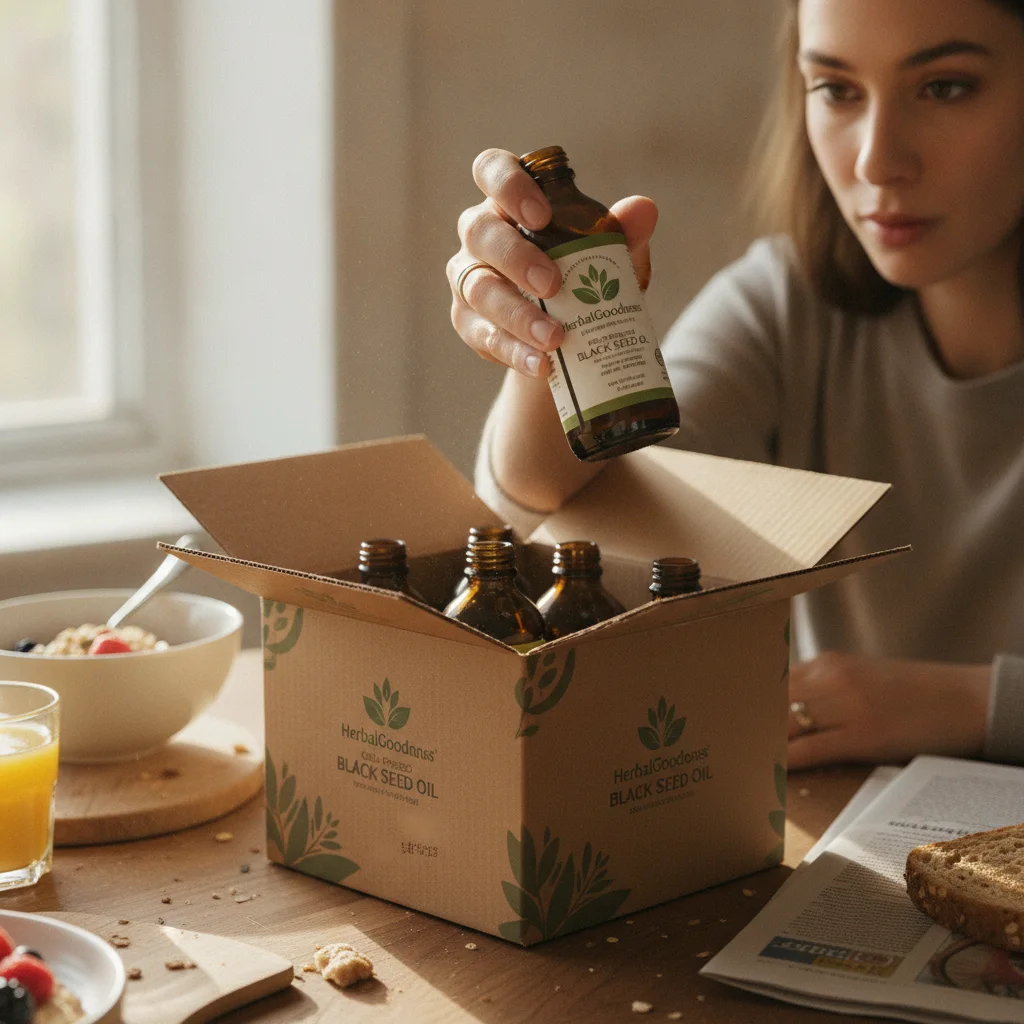
How to Read a Cold-Pressed Black Seed Oil Label Step-by-Step
For anyone new to interpreting oil labels, here’s a straightforward breakdown of what to look for and how to decode the information:
- Find the press date: This may be printed as “pressed on” or “manufactured on.”
- Look for the harvest date: If listed, check how close it is to the press date—the closer, the better for freshness.
- Locate the lot/batch code: Usually a combination of numbers and letters, this code links to the production batch.
- Check the expiry/best before date: Make sure there’s a comfortable window before the date, especially if buying multiple bottles.
- Contact the seller for clarification: Don’t hesitate to ask questions about labeling or to request up-to-date information on current inventory.
Armed with this approach, you’ll spot quality and transparency quickly, and avoid common pitfalls. Many herbal wellness enthusiasts practice these tips whether they purchase oils, teas, or supplements, including those considering Soursop Leaf Tea | Organic Graviola 24 Bags | Soursop Tea Benefits for Immunity & Wellness.
Questions to Ask Sellers Before Buying Cold-Pressed Black Seed Oil
Even the best labels can vary in detail or clarity. Here are simple, direct questions to ask before you finalize your purchase:
- What is the press date on your current stock?
- How close was the harvest date to the press date for your last batch?
- Is there a visible lot code or batch number on the bottle?
- What is your recommended shelf life for unopened black seed oil?
- How do you store your oil prior to shipping?
Asking these questions puts you in control and ensures you’re getting fresh, high-quality cold-pressed black seed oil. For additional reassurance, request current lot code information on Black Seed Oil 8oz | Cold-Pressed Nigella Sativa – Immune & Daily Wellness, which maintains a focus on transparency.
Tips for Storing Cold-Pressed Black Seed Oil at Home
Once you bring home a bottle of cold-pressed black seed oil, your storage habits play a big role in preserving its flavor and shelf life. Here are a few reminders:
- Store in a cool, dark place: Light and heat accelerate oil breakdown.
- Keep tightly sealed: Exposure to air can cause oxidation and decrease freshness.
- Use clean utensils: Pour carefully to avoid contamination.
- Monitor smell and taste: Fresh black seed oil has a distinctive, earthy aroma—any sour or off smells mean it’s time to replace your bottle.

Smart storage will retain the oil’s benefits and allow you to enjoy fresh flavor over time. Those interested in combining cold-pressed oils with other superfoods regularly pair them with Raw Sea Moss 8oz Bag | St. Lucia Wildcrafted – Nature's Multivitamin for maximum wellness support.
Making the Most of Label Information for Smart Purchasing
Understanding how to read press dates, lot codes, and expiry on cold-pressed black seed oil empowers you to make informed choices, whether you’re shopping online or in person. By seeking out brands with transparent labeling, asking the right questions, and storing your oil properly at home, you’ll experience the full flavor and potential benefits of this time-honored herbal oil. Let clear label information be your guide as you explore the world of black seed oil, ensuring every drop delivers on freshness and traceability.
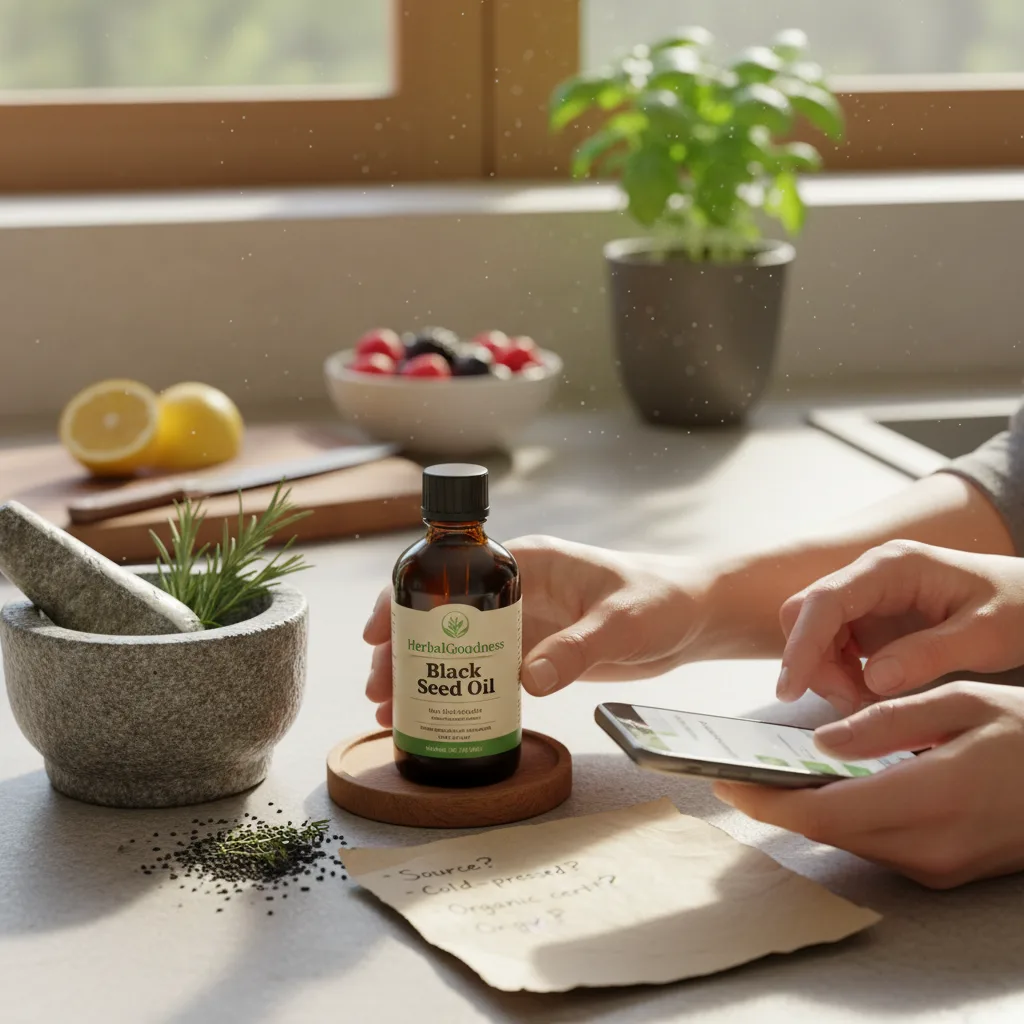
Frequently Asked Questions
Question 1: How can I ensure my cold-pressed black seed oil is fresh?
Answer: Check the press date and expiry date on the product. Selecting Black Seed Oil 8oz | Cold-Pressed Nigella Sativa – Immune & Daily Wellness with a recent press date maximizes freshness.
Question 2: What is the significance of the lot code on black seed oil?
Answer: The lot code allows you to trace your bottle to a specific production batch. Brands offering products like Soursop Leaf Graviola Extract 15X Liquid | Organic Cell & Immunity use lot codes to ensure transparency and safety.
Question 3: Can I use black seed oil after its expiry date?
Answer: You may use cold-pressed black seed oil beyond the best before date if it smells and tastes normal, but peak freshness and benefits are optimal before expiry.
Question 4: How should I store my cold-pressed black seed oil for best results?
Answer: Keep the oil tightly sealed in a cool, dark spot. This protects its potency and taste, a tip also recommended for Raw Sea Moss 8oz Bag | St. Lucia Wildcrafted – Nature's Multivitamin.
Question 5: What information should I look for on a quality black seed oil label?
Answer: Look for the press date, harvest date, lot code, and expiry date. These help you gauge freshness and traceability, as seen on Black Seed Oil 8oz | Cold-Pressed Nigella Sativa – Immune & Daily Wellness.
Question 6: Are freshness and traceability as important for other herbal extracts?
Answer: Yes, freshness and traceability are crucial for all sensitive extracts including Moringa Leaf Extract 15X Liquid | Organic – Immunity & Total Wellbeing and herbal teas.
Question 7: Why should I ask sellers about their current stock?
Answer: To ensure you receive the freshest batch possible. Requesting recent press and harvest dates gives you peace of mind for your purchase.
The next time you buy cold-pressed black seed oil, use this label guide to ask smart questions and feel confident in your choices. Informed reading is the first step toward a flavorful, quality experience.
About the Author
Herbal Goodness Editorial Team
The Herbal Goodness Editorial Team specializes in holistic health and superfoods, blending science and nature to educate and empower our community.
References
Oregano Oil vs. Black Seed Oil: Sensory & Sourcing Guide
How to Find a Fast-Shipping Oregano & Black Seed Oil Bundle Online
How to Evaluate Oregano + Black Seed Oil Bundles Online: A Shopper’s Checklist
How to Buy 8 oz Cold-Pressed Black Seed Oil Sustainably Online
How Much Thymoquinone in Black Seed Oil Is Good? Full Buyer's Guide
Find the Best Black Seed Oil Deals: Cost Per Serving and Bundle Breakdown
Share this

Popular posts


FAQs
1. What are the main benefits of drinking bamboo leaf tea?
Drinking bamboo leaf tea supports hydration, relaxation, skin wellness, and antioxidant balance.
2. What is bamboo leaf extract used for?
It’s used for general body wellness, skin elasticity, hair and nail support, and overall vitality.
3. Can bamboo leaf help with skin care and body wellness?
Yes, bamboo leaf is rich in silica and antioxidants, which promote healthy skin, strong nails, and a youthful glow.
4. What forms of bamboo leaf are available?
You can find dried bamboo leaf, powder, extract, drops, oil, and bamboo leaf green tea.
5. Are there any side effects of bamboo leaf?
Bamboo leaf is generally safe when consumed in moderation. Always consult your healthcare provider before starting any new herbal supplement.