Black Seed Oil Across Cultures: Rituals, Beauty, and Women’s Traditions

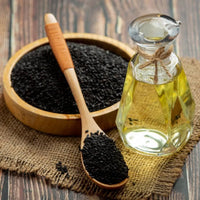
Throughout centuries, black seed oil has held a cherished place in households, especially in women’s routines, rituals, and cultural narratives. Revered for its distinctive aroma and deep black hue, this oil is derived from the tiny seeds of Nigella sativa, a plant native to South and Southwest Asia. Passed down from generation to generation, the uses of black seed oil transcend simple household applications—its story is woven with traditions, folklore, and a sense of renewal that many women across the world continue to celebrate. This exploration unpacks the intricate tapestry of black seed oil’s cultural lineage, highlighting how it has intertwined with the daily rhythms, beauty rituals, and ceremonial observances in countless communities.
The Origins and Significance of Black Seed Oil in Ancient Cultures
Black seed oil finds its roots in antiquity. Ancient civilizations, including the Egyptians, Greeks, and Romans, valued Nigella sativa for its multifaceted uses and aromatic presence. Historical narratives often describe black seed oil as a treasure found among personal belongings and used in household preparations carried out by women.
Women were often the guardians of family remedies and rituals, so the presence of black seed oil in these practices underlines its trusted place. Stories and artifacts suggest that this oil was an integral ingredient in sacred ceremonies, personal grooming, and preparation of aromatic balms, signifying its vital role in daily and special events.
Folklore and Oral Traditions: Black Seed Oil in Storytelling
The tales and wisdom surrounding this traditional oil have been passed down through storytelling, songs, and oral tradition. Women, in particular, shared knowledge about extracting and using the oil during close-knit gatherings. These traditions leaned heavily on observation, ancestral instructions, and creative experimentation.
In Middle Eastern folklore, black seed oil symbolized hospitality and protection. Oral legends speak of women anointing family members with the oil as part of welcoming rituals or significant life transitions, weaving an added layer of meaning into everyday practices. These time-honored stories are echoed in the way women continue to infuse meaning into self-care, drawing on Beauty Builder - 1oz 15X Liquid Extract - Anti-Aging & Skin Elasticity for modern routines seeking a link to their heritage.
Rituals and Ceremonies: Black Seed Oil in Women's Gatherings
Family Gatherings and Home Life
Women frequently incorporated black seed oil during family milestones, such as weddings, new motherhood, or seasonal celebrations. Application of the oil within these ceremonies was often symbolic, marking thresholds and transitions within one’s personal life or the family structure.
Beauty and Self-Care Traditions
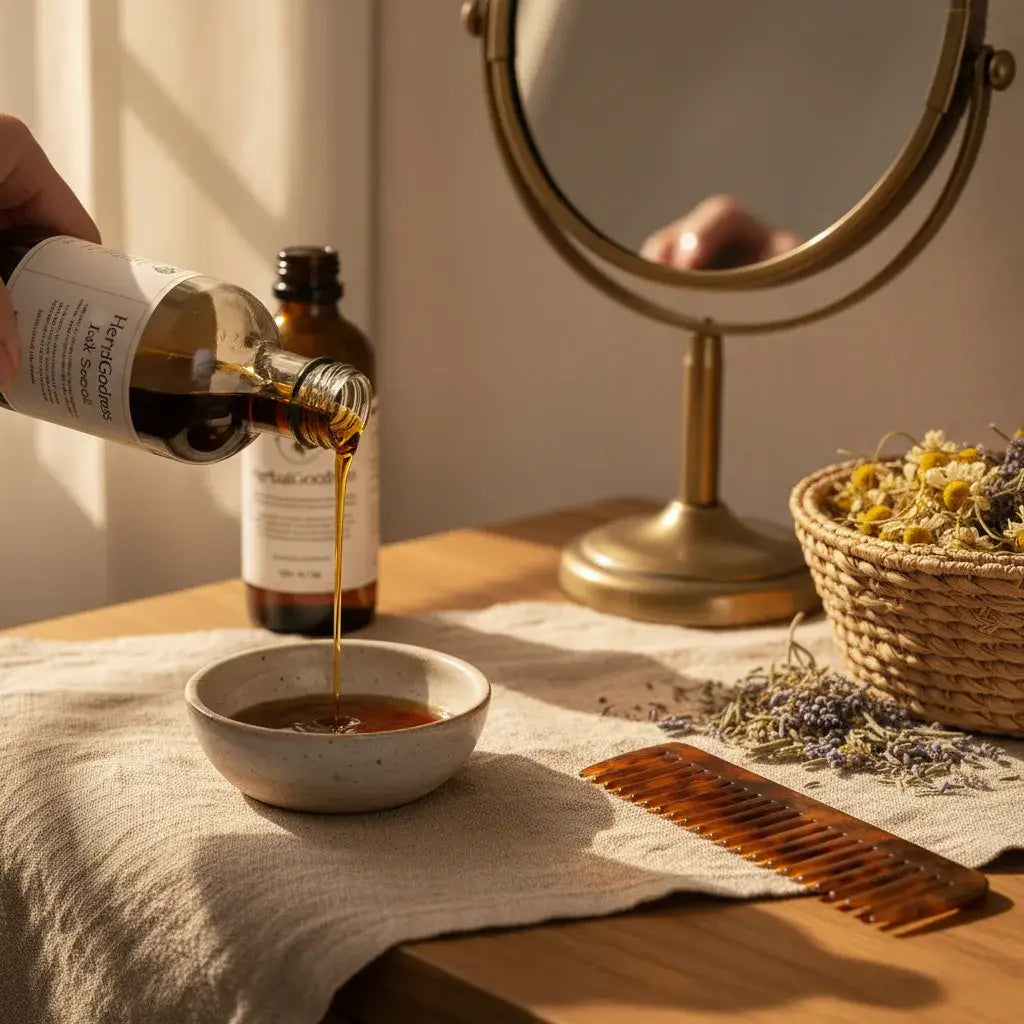
Personal grooming using black seed oil is an enduring hallmark among women in regions spanning North Africa to South Asia. Traditional beauty routines, handed down through mothers and grandmothers, included massaging the oil into the scalp or mixing it with other botanicals to create scented balms and ointments. These rituals often took place in communal spaces, strengthening bonds and cultural identity.
Application in Hair and Skin Rituals
Another striking expression of black seed oil’s legacy is its inclusion in hair oiling rituals. Women massaged the oil into their hair, often blending it with ingredients like henna or coconut oil. In beauty gatherings, sharing anecdotes about different blends and techniques fostered a sense of solidarity and tradition. Those interested in nurturing their hair today may appreciate Hair Growth - 15X Liquid Extract - Hair & Follicles, a modern nod to the botanical blends of the past.
The same holds true for skincare routines: black seed oil frequently appears as an ingredient in homemade salves, creams, or aromatic waters. Passages in journals and oral accounts describe how women would anoint their hands and faces, especially before significant festivities, as a mark of personal care and rejuvenation. For an added boost to skin vitality, some now look to Radiantly Good Looking - 2fl.oz - Skin & Anti-Aging, merging past practice with current innovation.
Scented Rituals and Aromatic Spaces
Black seed oil’s earthy aroma made it a popular choice for perfuming both the body and living spaces. Throughout history, women created aromatic sachets and natural perfumes using the oil, infusing their homes and garments with a signature fragrance. This practice turned everyday spaces into sanctuaries of comfort and warmth, reinforcing connections between scent, memory, and cultural belonging. In today's world, seeking out naturally scented home products—including body care items like Herbal Papaya Bath Soap - 2 bars/3.5oz—can evoke similar feelings of peace and cultural continuity as experienced in generations past.
Black Seed Oil in Textile and Household Traditions
Beyond personal care, black seed oil was often used in the care of textiles and home items. Women would blend the oil with other natural substances to maintain the quality of fabrics, polish heirlooms, or even scent household linens. This multipurpose use highlighted resourcefulness and reinforced ritualistic domestic habits.
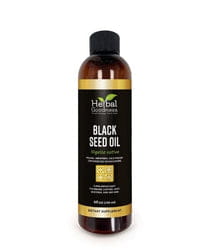
Storytelling Through Recipes: Culinary Use and Family Bonds
In many cultures, the culinary use of black seed oil became another extension of tradition. Women infused it into breads, savory dishes, or desserts served during special occasions. Culinary stories and recipes were preserved as treasured family secrets, often woven into heritage celebrations. Sharing recipes in this manner builds culinary confidence and connects generations, bringing everyone together over infused baked breads, much in the way that Papaya Leaf Extract - Organic 16oz 15X Liquid Extract is used in family wellness blends today.
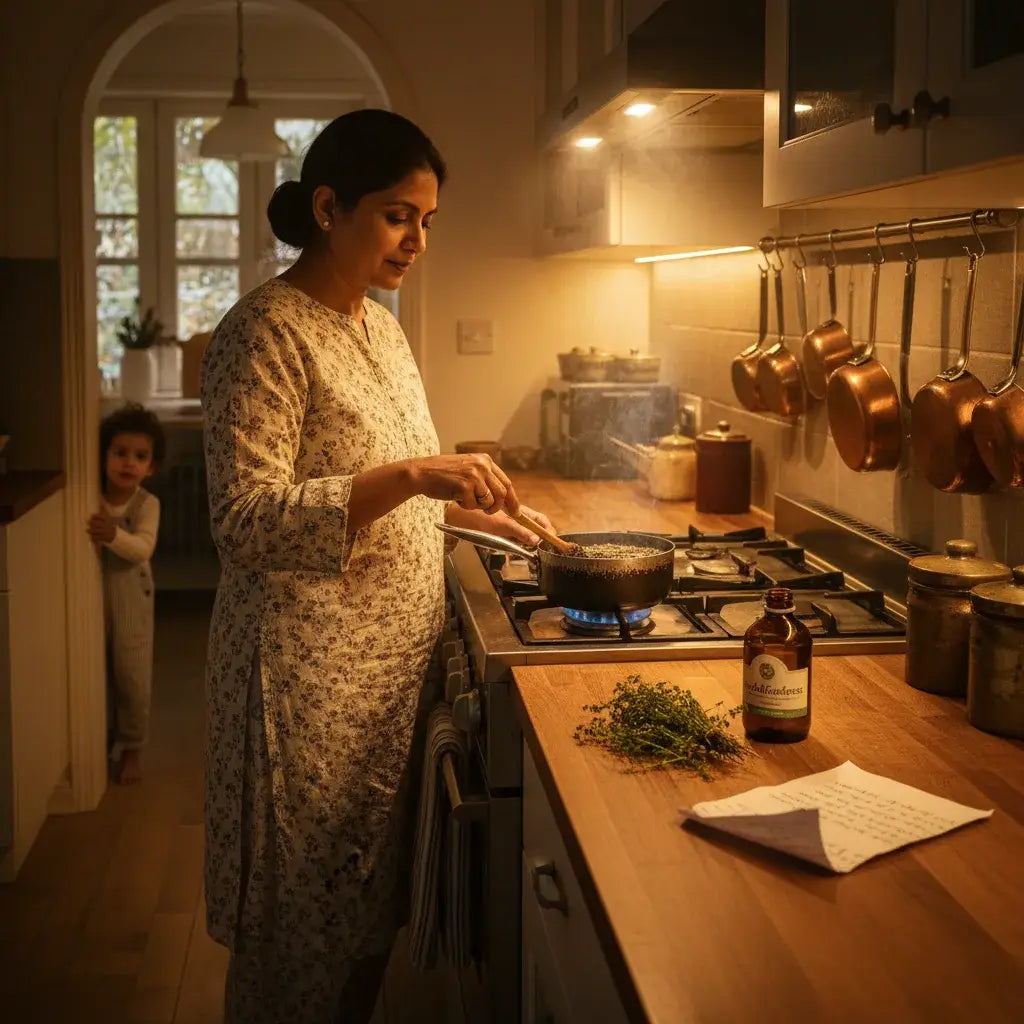
Intergenerational Recipe Sharing
The passing down of black seed oil recipes created opportunities for storytelling, learning, and connection among women of different ages. Highlights from family histories recount sessions in warm kitchens where secrets of dough, spice mixtures, and oil infusions were exchanged with laughter and pride. This shared culinary knowledge strengthened family ties and preserved cultural identity over time. Modern households can echo these traditions by incorporating Sea Moss - Raw Dried from St Lucia - 8oz Bag - Nature's MultiVitamins into their recipes, blending historic wisdom with contemporary superfoods.
Modern Revival: Black Seed Oil as a Bridge Between Past and Present
Today, there is a renewed interest in ancestral wisdom and natural botanicals. Women across the globe are rediscovering the rituals and creative applications of black seed oil, inspired by time-honored stories and practices. This revival combines old-world knowledge with contemporary routines, allowing women to craft their own connections to heritage while personalizing how they use this celebrated oil.
Social media and online communities have become platforms for sharing black seed oil traditions. Tutorials and firsthand stories foster a global dialogue, enabling women to learn new techniques, adapt old ones, and celebrate a shared appreciation for this distinctive botanical resource. Just as women cherish gathering together in-person, these virtual communities become a source of empowerment, with recommendations for everything from daily wellness regimens to restorative blends like Radiance Boost - 15X Liquid Extract - Beauty From Within.
The Symbolism and Meaning Behind Black Seed Oil Practices
Black seed oil’s enduring presence in women’s rituals stems from its deep symbolic value. Its use represents care for the self, care for family, and respect for tradition. Whether applied during moments of reflection, celebration, or daily routines, it serves as a bridge between the wisdom of ancestors and the lives of modern women.
Women who use black seed oil today are often embracing more than just a routine—they are participating in rituals passed down through generations, finding new ways to honor heritage while connecting with others who share an appreciation for age-old practices. The ongoing story of black seed oil is, above all, a narrative of community, continuity, and creativity.
FAQs:
- What cultures have historically used black seed oil in women's traditions?
Black seed oil has been a staple ingredient in the traditions of many cultures, particularly in regions such as the Middle East, North Africa, South Asia, and the Mediterranean. Women in these areas often incorporated black seed oil into their routines, ceremonies, and home-based rituals, preserving its uses through stories and family customs.
- How was black seed oil used in traditional beauty rituals?
In traditional beauty rituals, black seed oil was commonly applied to hair and skin. Women used it to create aromatic balms, massage oils, and ointments, which were typically shared in communal settings as part of beauty gatherings and personal grooming routines.
- Are there specific ceremonies where black seed oil played a role?
Yes. Black seed oil often appeared in ceremonies marking family milestones—such as weddings, coming-of-age celebrations, and new motherhood. Women would use the oil in anointing rites, symbolic gestures, or as part of preparing special beauty blends for significant events.
- Is black seed oil still used in modern beauty traditions?
Absolutely. Black seed oil enjoys a renewed interest today. Women around the world incorporate it into modern hair and skincare routines, often blending it into products or homemade remedies inspired by traditional practices.
- How did women share knowledge about black seed oil's uses across generations?
Knowledge about black seed oil was traditionally shared through oral storytelling, songs, family gatherings, and hands-on demonstrations. Mothers and grandmothers would pass down recipes, beauty tips, and rituals involving black seed oil, ensuring each generation retained the cherished practices.
Author Name:
Herbal Goodness Editorial Team
Author Bio:
The Herbal Goodness Editorial Team specializes in holistic health and superfoods, blending science and nature to educate and empower our community.
References:
Introducing Graviola to Young Taste Buds: Fun, Family-Friendly Flavor Exploration
Graviola in the Classroom and at Home: Creative Activities to Teach Kids About Tropical Plants