





Beyond the Hype: What’s Actually in Avocado Leaf Tea? Aroma and Plant Compounds Unveiled
Avocado leaf tea is gaining interest among tea enthusiasts and wellness seekers. Its intriguing aroma, subtle flavor, and botanical origin set it apart from mainstream teas. While the hype might hint at mystical properties, a deeper look at the actual components within avocado leaves—like their phytochemicals and aromatic elements—offers a balanced appreciation of what really fills your cup. Understanding how harvesting and brewing methods alter these compounds can help you sip smarter, while a guided look at initial scientific reports will refine how you interpret claims beyond the marketing buzz.
The Origins: How Avocado Leaf Tea Came Into the Spotlight
Avocado trees, known botanically as Persea americana, are native to Central and South America. While the creamy fruit is celebrated worldwide, the leaves have long been used in traditional culinary and wellness practices in places like Mexico. Only recently has avocado leaf tea become popular beyond its native regions, piquing curiosity about what sets it apart.
Traditional Uses and Modern Curiosity
In various Latin American regions, avocado leaves have been used as a flavorful seasoning. Their subtle aroma and complex flavor profile now make them an intriguing option for herbal infusions, appealing to those seeking alternatives to classic teas or coffee. If you're interested in exploring more herbal infusions with rich traditional roots, consider adding Papaya Leaf Tea to your repertoire for a unique tasting journey.
What Are the Main Plant Compounds in Avocado Leaf Tea?
The distinctive aroma and taste of avocado leaf tea arise from a complex assortment of plant constituents, often called phytochemicals.
Phytochemicals: Nature’s Botanical Palette
Phytochemicals are naturally occurring compounds in plants that contribute to their flavor, color, and aroma. Avocado leaves contain a diverse array of these compounds. Let’s look at some of the main ones found in the leaves as reported in early scientific literature:
1. Flavonoids
Flavonoids lend subtle bitterness and contribute to the leaf’s antioxidant profile. Notable types found in avocado leaves include:
- Quercetin: Recognized for its presence in many fruits and vegetables, quercetin supports plant resilience. For an additional quercetin-rich option, you might try Bamboo Leaf Tea, known for its collagen and biotin benefits.
- Rutin: Often valued for its role in plant pigmentation, rutin also influences the mouthfeel of herbal teas.
2. Phenolic Compounds
- Catechins: Known mainly from green tea, catechins impart a pleasant astringency and earthy notes. Papaya Leaf Extract also delivers notable phenolic content to support wellness routines.
- Caffeic acid derivatives: These contribute to the rich, slightly roasted undertones in the tea’s aroma.
3. Terpenes and Aromatic Compounds
Avocado leaves are rich in aromatic terpenes and related volatiles:
- Estragole: Responsible for the characteristic anise-like scent in many avocado leaf teas.
- Alpha-pinene and beta-caryophyllene: Imparting woody, peppery, and herbal notes.
- Linalool: Adds a floral, gently citrus aroma, rounding out the bouquet of the tea.
4. Alkaloids and Other Minor Constituents
While the concentration of alkaloids in avocado leaves is generally lower than in some other botanicals, a small presence adds to the complexity of taste and aroma.
“The interplay of these compounds creates an experience that is both familiar and unique to the seasoned tea drinker.”
The Aromatic Experience: Why Avocado Leaf Tea Smells and Tastes So Distinct
The aroma of avocado leaf tea is remarkably unique—a fusion of herbal, floral, and subtle spicy undertones. But what shapes this sensory profile?
Natural Aromatics at Work
- Estragole is the dominant volatile oil, found in both fresh and dried leaves. This compound is also present in basil and tarragon, lending a sweet, anise-like scent.
- Pinene and caryophyllene add depth, reminiscent of a walk through a sunlit forest.
- Linalool brings a touch of uplifting brightness, enhancing the overall bouquet.
How Aroma Affects Flavor Perception
Our experience of herbal tea is multisensory. The way we perceive flavor is closely tied to what we smell, making the aromatic compounds in avocado leaf tea foundational to its taste. If you're curious about how different botanicals influence aroma, the Herbal Tea Trio - Guava, Hibiscus & Avocado Bundle offers a chance to explore vibrant and distinct herbal profiles.
Harvesting and Processing: The Hidden Influence on Compound Content
The way avocado leaves are harvested and processed can change the balance of plant compounds, affecting both aroma and flavor.
Harvest Timing
- Younger leaves: Typically milder, with delicate aromatics and a subtler taste.
- Mature leaves: Contain higher concentrations of flavonoids and terpenes, resulting in a bolder, richer infusion.
Drying and Storage
- Air-drying helps preserve volatile oils that give the tea its distinct character.
- Excessive heat during processing can drive off delicate aromatic compounds, flattening the taste.
- Proper storage in airtight containers retains essential volatiles and prevents off-notes from developing.
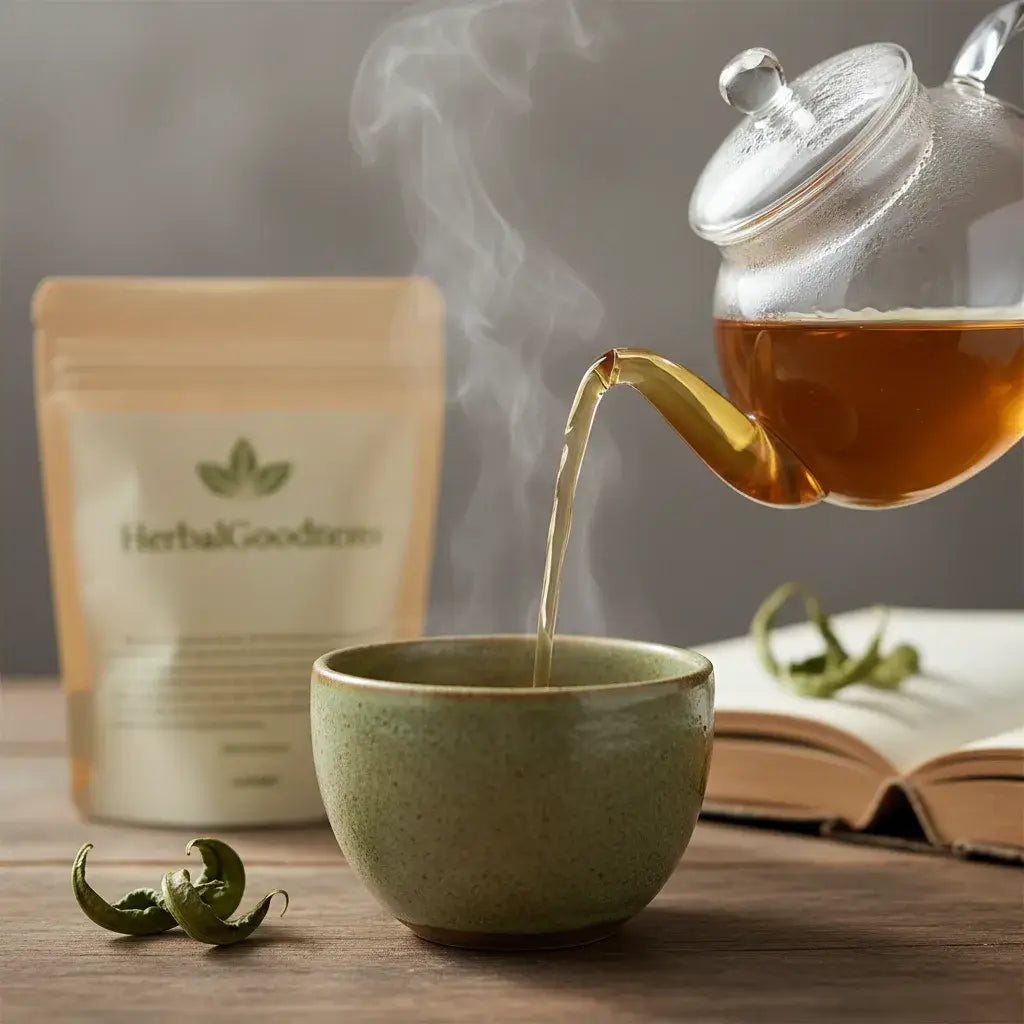
Brewing Methods: Maximizing Aroma and Flavor
How you brew avocado leaf tea matters. Extraction techniques and water temperature can influence which compounds are most pronounced.
Temperature and Extraction
- Hot, not boiling water (around 85–90°C or 185–194°F): This range extracts flavonoids and volatile aromatics without overwhelming bitterness.
- Steep time (4–7 minutes): Enough to liberate the core aromas and subtle flavors while avoiding excess astringency.
- Longer steeping or decoction: Can produce a more robust flavor, but may suppress some of the green freshness provided by linalool and pinene.
Fresh vs. Dried Leaves
- Fresh leaves offer more of the delicate top notes and green freshness, while dried leaves spotlight deeper, more concentrated aromatics.
Experimenting with brew strength, steep time, and water temperature can help you discover your personal preference for aroma and taste.
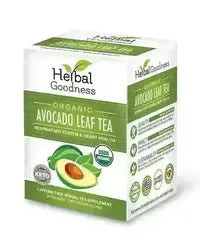
If you're seeking convenient access to pure ingredients for infusions, Avocado Leaf Tea - Organic 24/2g Tea bags - Immunity & Heart Health delivers expertly handled leaves ready for distinct flavor and freshness in every cup.
Reading Scientific Reports About Avocado Leaf Compounds
It’s tempting to leap from chemical analysis straight to broad conclusions. However, early scientific reports on avocado leaf compounds are best understood as stepping stones for further research, not as definitive evidence for benefits or effects.
Key Principles for Beginners
- Correlation does not equal causation: The presence of a compound in the leaf doesn’t automatically translate to a specific action in the cup.
- Study context is crucial: Many early studies focus on isolated compounds under laboratory conditions, not on actual brewing or daily consumption.
- Look for sources that cite methods and sample sizes: This adds credibility and helps evaluate the significance of findings.
For those interested in plant-based research, Avocado Leaf - Organic 1oz 15X Liquid Extract - Immunity & Heart Health is an option that offers the concentrated goodness of avocado leaf compounds, supporting exploration into botanically focused nutrition.
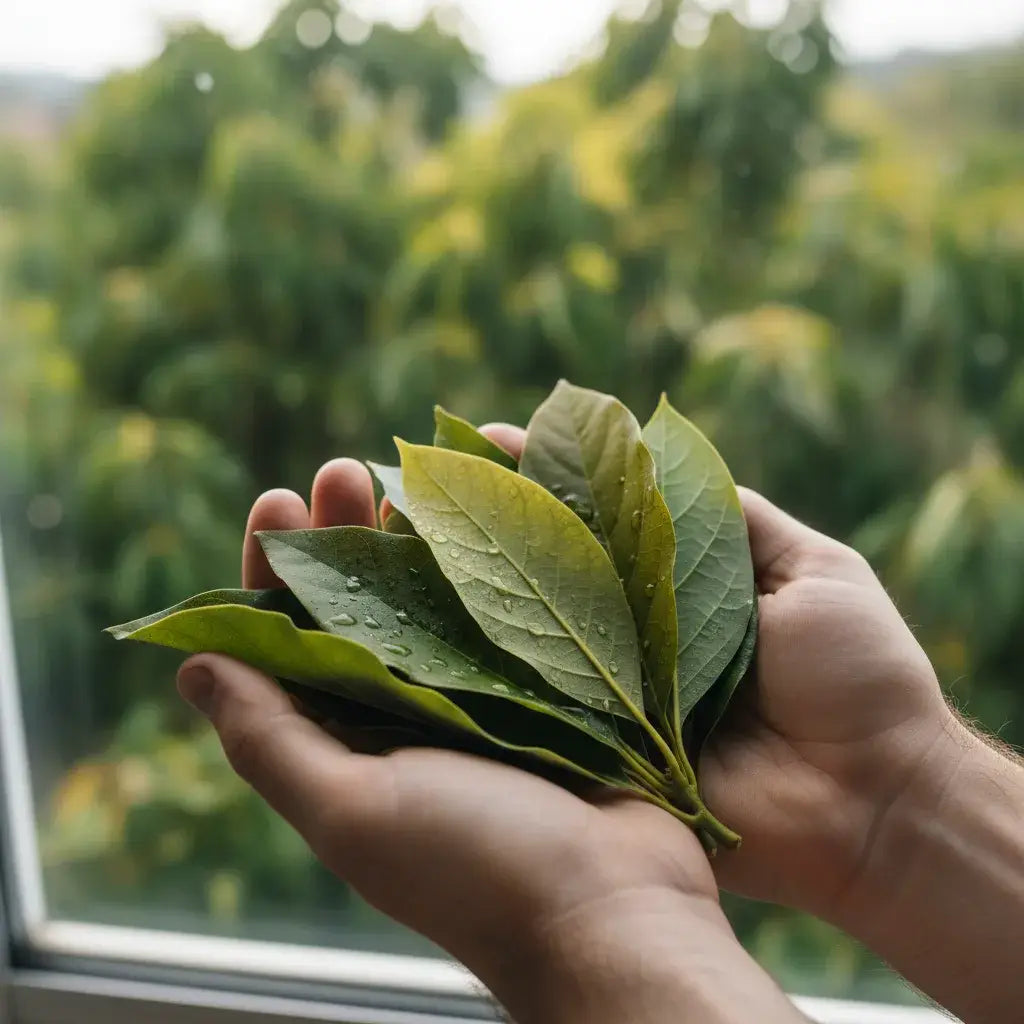
Responsible Enjoyment: Savoring the Complexity of Avocado Leaf Tea
Building a thoughtfully brewed cup of avocado leaf tea begins with understanding its rich phytochemical diversity. Savor the unique combination of flavors and aromas—woody, floral, and subtly spicy—knowing that every sip is shaped by how the leaves were grown, picked, processed, and prepared. Embrace the satisfaction of indulging in an ancient tradition that is both refreshingly modern and steeped in plant chemistry.
Try exploring further by pairing your cup with wellness-focused teas like Soursop Leaf Tea Graviola Leaves - Organic 24/2g Tea Bags - Immunity & Cell Renew, which broadens your herbal taste spectrum while supporting immune health.
How To Choose Quality Avocado Leaf Tea
- Source transparency: Choose products that clearly list the origin and harvesting methods of their avocado leaves. The Herbal Tea Gift Set – Wellness Tea Gift Variety Collection - Organic 24 Teabags showcases quality and traceability across a range of botanical blends.
- Freshness: Seek leaves that are vibrantly colored and free from obvious blemishes or mold.
- Reputable suppliers: Go for brands that emphasize quality and traceability.
Discovering avocado leaf tea means going beyond trends and welcoming the botanical magic in your teacup. Every element—from the first whiff of scent to the gentle finish on your palate—reflects centuries of nature’s subtle craft.
FAQs:
- What gives avocado leaf tea its unique aroma and flavor?
The unique aroma and flavor of avocado leaf tea come from its rich content of plant compounds, including estragole, pinene, caryophyllene, linalool, quercetin, and catechins. These compounds combine to deliver an herbal, floral, and slightly spicy profile.
- Do harvesting and brewing methods affect avocado leaf tea?
Yes, harvesting timing and processing significantly influence the chemical composition and sensory profile. Brewing with appropriate temperature and timing can maximize both aroma and flavor.
- Can I use fresh or dried avocado leaves to brew tea?
Both fresh and dried avocado leaves can be used to make tea. Fresh leaves tend to offer lighter, greener notes, while dried leaves emphasize deeper aromas and a richer profile.
- Are there specific phytochemicals unique to avocado leaves?
Avocado leaves are notable for estragole, a compound also found in herbs like tarragon and basil, along with a blend of flavonoids, phenolics, and aromatics that are distinctive to the species.
- How should beginners interpret scientific studies on avocado leaves?
Approach scientific studies as preliminary overviews of plant chemistry. Focus on the methods and context, and avoid drawing broad conclusions from limited early reports.
Author Name:
Herbal Goodness Editorial Team
Author Bio:
The Herbal Goodness Editorial Team specializes in holistic health and superfoods, blending science and nature to educate and empower our community.
References:
Introducing Graviola to Young Taste Buds: Fun, Family-Friendly Flavor Exploration
Graviola in the Classroom and at Home: Creative Activities to Teach Kids About Tropical Plants


FAQs
Drinking bamboo leaf tea supports hydration, relaxation, skin wellness, and antioxidant balance.
It’s used for general body wellness, skin elasticity, hair and nail support, and overall vitality.
Yes, bamboo leaf is rich in silica and antioxidants, which promote healthy skin, strong nails, and a youthful glow.
You can find dried bamboo leaf, powder, extract, drops, oil, and bamboo leaf green tea.
Bamboo leaf is generally safe when consumed in moderation. Always consult your healthcare provider before starting any new herbal supplement.