





Best Organic Herbal Tea Bundles: Compare Cost Per Cup Before You Buy

Navigating the world of organic herbal tea can seem overwhelming when you’re looking for both quality and wallet-wise options. With a growing interest in affordable, sustainable wellness routines, many shoppers want to get the best value without sacrificing flavor or freshness. But how do you actually compare organic herbal tea bundles and know which one is best for your home or office? The answer is simpler than you might think—break it down by cost-per-cup, account for re-steeping potential, shelf life, and even packaging considerations. Let’s unlock practical ways to make every penny and every sip count.
Understanding Cost‑Per‑Cup in Organic Herbal Tea
When it comes to purchasing organic herbal tea bundles, it’s easy to look at the price tag and make a quick decision. But the smartest shoppers dig a little deeper. The real question isn’t just "How much does the bundle cost?"—it's "What am I truly getting for each cup I brew?" This is where cost-per-cup calculation shines.
Cost-per-cup is an intuitive metric that helps break down the actual value hiding inside each bundle. It reflects not only the number of servings promised on the label, but also considers how many times you can re-steep each serving, how well the blend preserves its flavor, and practical issues like tea lost to storage or packaging waste. This method allows you to compare even different types or sizes of tea bundles on equal terms.
The Cost‑Per‑Cup Worksheet: What to Consider
To get a clear picture, it helps to use a simple worksheet that factors in:
- Bundle Price: The listed cost of the tea package
- Servings per Bundle: How many cups you’re expected to get
- Re-steeps per Serving: Many herbal teas taste great when steeped multiple times
- Shelf Life: The best-by date or estimated freshness window after opening
- Storage Loss: Teas may lose aroma or flavor when not kept in airtight conditions
- Packaging Waste: Unusable tea left in the bag or from tea dust (especially in lower-cost blends)
- Flavor Yield: How robust the taste remains in subsequent cups
Let’s take a look at each of these points and see how they shape the cost and value you get from different organic herbal tea bundles.
Serving Size: Why Bigger Isn’t Always Better
At first glance, larger tea bundles might appear to be the better deal. But serving size can be a little deceiving. Not all brands measure servings in the same way, and not every cup is brewed equally strong.
- Standard Serving: Typically, a single tea serving is 2 grams of loose leaf (about one teaspoon). For tea bags, it’s usually one bag per 8–10 ounces of water.
- Bundle Labeling: Some labels round up servings, not accounting for practical loss during scooping or residual tea left behind. Check carefully.
- Practical Use: If you prefer stronger tea, your servings may be bigger, effectively reducing the total number of cups you get from a bundle.
Understanding your personal tea habits is key—if you consistently brew larger cups or double up bags, the "per-cup" cost rises even if the bundle seems inexpensive upfront.
The Power of Re-Steeping: Doubling Down on Value
Organic herbal teas are often celebrated for their re-steeping potential. While not every herb holds its flavor, many do—letting you stretch a bundle further and improve its cost-per-cup.
- Typical Re-steeping: Many herbs (like chamomile, peppermint, or lemongrass) can be steeped 2–3 times per serving.
- Flavor Profile: The first steep usually delivers the most robust flavor, while subsequent steeps can be gentler or reveal new subtleties.
- Calculation Shortcut: If a 30-serving bundle allows two re-steeps each, you effectively enjoy 60 cups from a single purchase.
When shopping, look for brands that suggest or support re-steeping—Herbal Goodness, for instance, often notes the best number of re-steeps for their blends. Add this into your cost-per-cup math for real-world savings.
Shelf Life: How Long Does Organic Herbal Tea Stay Fresh?
Tea is technically a dry good, but every herbal blend has an ideal freshness window. Organic teas are typically sold in smaller, more frequent batches (sometimes with fewer preservatives), making shelf life an important factor.
- Labeled Shelf Life: Most high-quality organic teas are best within 12–24 months of packaging. Loose leaf varieties maintain freshness best if kept airtight; tea bags may have added protection from individual wrapping.
- Storage Impact: Humidity, light, and air can degrade flavor faster. If you seldom brew tea, smaller bundles with shorter shelf life may be more economical (less waste).
- Expiration Realism: If you don’t think you’ll finish a 100-serving bundle within its suggested freshness window, estimate how much you’ll actually use—and adjust your per-cup calculation accordingly.
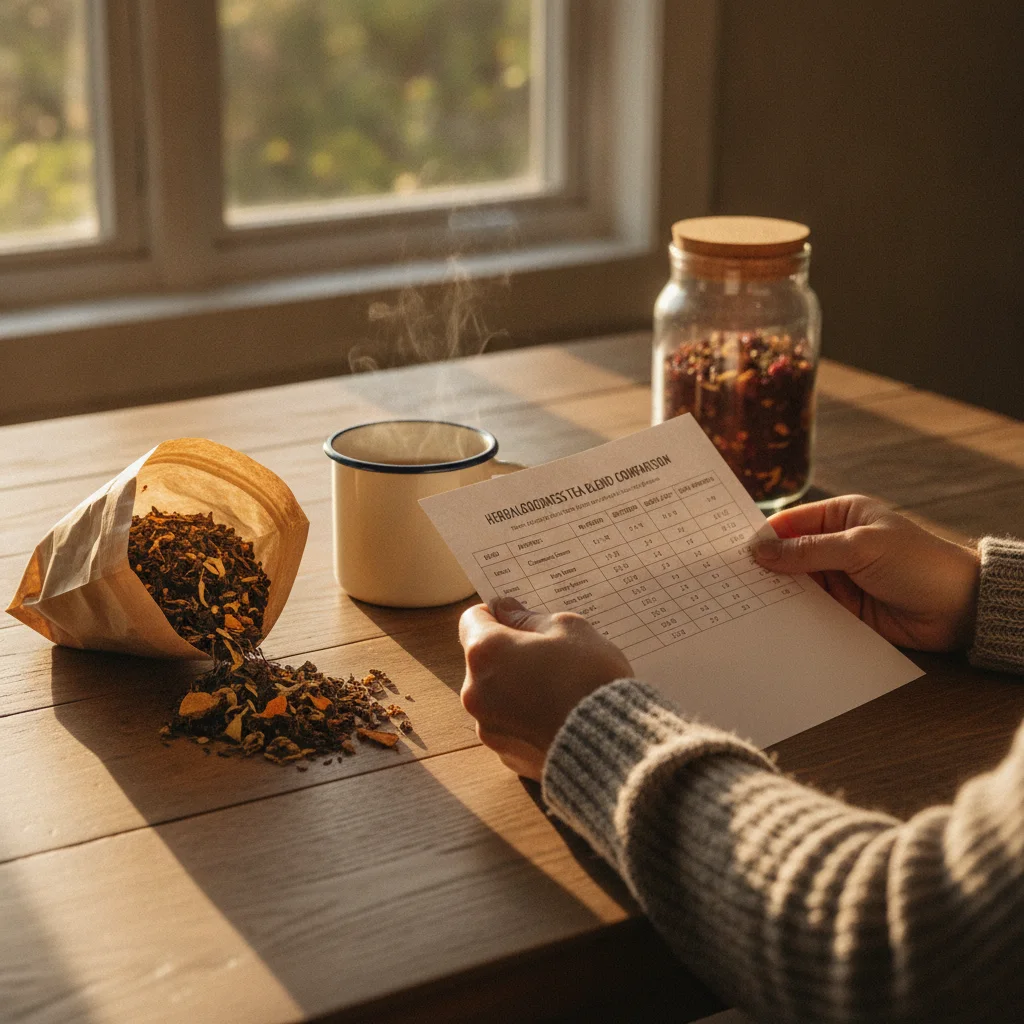
Storage Loss & Packaging Waste: The Hidden Costs in Every Bundle
It’s easy to overlook how much tea might be lost in the storage and preparation process. This includes tea dust at the bottom of loose leaf bags, or that final teaspoon that never makes it out of the package.
- Loose Leaf vs. Bags: Often, bags produce less waste (no loose tea left behind), but can sometimes be lower in flavor intensity or offer smaller re-steeps.
- Bulk Packaging: Larger, bulk packages can sometimes force you to handle more product at once—risking exposure to air and humidity.
- Packaging Design: Brands that use resealable, opaque packaging (as Herbal Goodness does) tend to better protect your investment.
Estimate that you might lose 2–5% of your bundle to practical waste—adjusting your serving count can give a more accurate cost-per-cup.
Flavor Yield: Getting the Most Enjoyment from Every Cup
A thrifty approach shouldn’t come at the cost of taste. Organic herbal teas often boast complex flavors—yet some blends remain flavorful through several re-steeps, while others fade after the first cup.
- Testing at Home: When choosing between bundles, try a sample size if available. Brew each serving twice, comparing taste ouptut on each run.
- Feedback and Reviews: See if the brand offers guidance on expected number of flavorful cups. Community reviews or product information on Herbal Goodness can be helpful here.
- Personal Preference: If full-bodied flavor is your goal, you might accept fewer total cups per bundle for a richer experience per cup.
Simple Cost‑Per‑Cup Worksheet for Organic Herbal Tea
You don’t need a spreadsheet to evaluate your next bundle. Here’s a quick formula you can jot down before buying:
Cost‑Per‑Cup = (Bundle Price) ÷ [(Number of Servings x Average Re-steeps) – Estimated Storage Loss]
Example Calculation:
- Bundle Price: $15
- Servings: 30
- Average Re-Steeps per Serving: 2
- Estimated Storage Loss: 2 cups (rounded up for simplicity)
Actual Cups: (30 servings x 2 re-steeps) – 2 = 58 cups Cost‑Per‑Cup: $15 ÷ 58 = $0.26 per actual cup
Adjust numbers reflecting your tea preparation and how you plan to use the tea. This gives you measurable comparisons between different organic herbal tea bundles.
Comparing Affordability, Freshness, and Flavor Before You Buy
Taking a few minutes to walk through these numbers can save both money and disappointment. Here’s how to apply your worksheet:
- Set Priorities: Decide what matters most—lower cost per cup, freshness, robust flavor
- Use the Formula: Plug in numbers for each bundle you’re considering
- Assess Packaging: Look for features that will realistically help preserve your tea and minimize waste
- Check for Re-Steep Guidelines: Choose blends with good re-steep value if maximizing servings is a priority
- Revisit Shelf Life: Don’t buy more than you’ll use within the suggested window

With these steps, you can shop smarter, reduce waste, and enjoy organic herbal tea that checks every box on your wish list.
Adapt Your Approach: Loose Leaf, Bags, and Variety Packs
Different tea bundle formats offer unique value profiles:
- Loose Leaf Bundles: Often yield more cups per ounce, especially if re-steeped. Need airtight storage.
- Tea Bags: Convenient, pre-portioned, with less flavor variation cup-to-cup, but sometimes limit re-steeping.
- Variety Packs: Let you sample flavors without committing to a large single-bundle purchase—perfect for freshness and experimenting with new tastes like the Organic Herbal Tea Gift Set | 24 Teabags Wellness Collection.
Matching your bundle style to your drinking habits and kitchen setup guarantees the best value for your daily ritual.
Sustainability Considerations: Waste Less, Enjoy More
Beyond sheer economics, conscious shoppers often weigh the environmental aspects of packaging and food waste:
- Minimalist Packaging: Opt for brands that use recyclable or compostable materials
- Right-Sized Bundles: Choosing a smaller or just-right size reduces risk of unused tea expiring
- Efficient Resealing: Features like zip closures extend freshness and lower storage loss
Herbal Goodness and like-minded brands often highlight these features, supporting both your budget and eco-friendly values.
Final Thoughts: Smarter Tea Shopping Starts with the First Cup
Comparing organic herbal tea bundles using cost-per-cup is about more than just saving money—it’s a practical, rewarding approach to maximizing every aspect of your tea experience. Factoring in serving size, re-steeps, shelf life, and packaging efficiency arms you with the tools to choose teas that fit your taste, values, and budget—not just today, but for each cup you enjoy in the months to come.
Frequently Asked Questions
Question 1: How do I maximize value when purchasing organic herbal tea bundles?
Answer: Use a cost-per-cup formula, factor in re-steeping, and consider bundles like the Organic Herbal Tea Trio – Build-Your-Own Bundle that let you sample flavors and styles.
Question 2: Are loose leaf herbal teas or tea bags more cost-effective?
Answer: Loose leaf bundles, such as those in Bulk Loose Leaf Teas & Tisanes, often yield more cups per ounce thanks to re-steeping, but tea bags offer greater convenience and portion control.
Question 3: What is the shelf life of most organic herbal teas?
Answer: High-quality organic teas generally stay fresh for 12–24 months if kept airtight. Options like the Organic Herbal Tea Gift Set are often packeted for longer shelf life.
Question 4: How can I reduce waste and keep my tea fresh?
Answer: Choose bundles with resealable or airtight packaging, such as Wellness Tea Blends – 4oz Organic Premium Herbal Infusions, to minimize practical tea loss and maintain freshness.
Question 5: What are the benefits of variety or sampler packs for herbal tea?
Answer: Variety packs like the Herbal Tea Trio Bundle | Guava, Hibiscus & Avocado let you try multiple flavors and minimize the chance of waste from unused or disliked teas.
Question 6: How many times can I re-steep organic herbal teas for good flavor?
Answer: Many blends support 2–3 re-steeps per serving. Check product details—selecting options such as those in the Organic Papaya Leaf Tea | 24 Premium Bags – Caffeine-Free can help you get more from every cup.
Ready to make your next tea purchase with confidence? Try out our worksheet and take a closer look at organic herbal tea bundles—your smartest cup could be the next one you brew.
About the Author
Herbal Goodness Editorial Team
The Herbal Goodness Editorial Team specializes in holistic health and superfoods, blending science and nature to educate and empower our community.
References
Introducing Graviola to Young Taste Buds: Fun, Family-Friendly Flavor Exploration
Graviola in the Classroom and at Home: Creative Activities to Teach Kids About Tropical Plants
Share this

Popular posts


FAQs
1. What are the main benefits of drinking bamboo leaf tea?
Drinking bamboo leaf tea supports hydration, relaxation, skin wellness, and antioxidant balance.
2. What is bamboo leaf extract used for?
It’s used for general body wellness, skin elasticity, hair and nail support, and overall vitality.
3. Can bamboo leaf help with skin care and body wellness?
Yes, bamboo leaf is rich in silica and antioxidants, which promote healthy skin, strong nails, and a youthful glow.
4. What forms of bamboo leaf are available?
You can find dried bamboo leaf, powder, extract, drops, oil, and bamboo leaf green tea.
5. Are there any side effects of bamboo leaf?
Bamboo leaf is generally safe when consumed in moderation. Always consult your healthcare provider before starting any new herbal supplement.