





Before You Buy Bulk Herbal Tea: Understanding Terroir & Quality

When you sip a cup of herbal tea, you're tasting more than just the dried leaves, flowers, or roots in your cup. The story of every herbal infusion begins in the field and unfolds through harvest and into every step of processing. For wholesale buyers, café owners, and makers who want to offer unique, memorable herbal teas, understanding the concept of 'terroir'—the special combination of origin, harvest timing, and processing—is both an art and a science. This guide demystifies how terroir shapes the taste, aroma, and color of organic herbal teas, and offers practical advice for selecting blends that resonate with your customers’ palates and seasonal menus.
What Is Herbal Tea Terroir?
Terroir, a term often reserved for wine or specialty coffee, simply means the total impact of a tea’s environment—where and how it’s grown and processed—on its signature qualities. With herbal tea, terroir takes the idea further, integrating not just the soil and climate, but also the timing of harvest and the nuances of processing. This combination influences:
- Unique flavor notes (from citrusy to earthy)
- Aroma intensity and style
- Liquor color and clarity
- Mouthfeel and aftertaste
Recognizing terroir empowers buyers to choose teas that capture the true expression of a place and its seasons. Exploring specialty herbal infusions like Organic Hibiscus Tea 24 Bags | Heart Health & Antioxidant Wellness allows you to experience terroir-driven depth in every cup.
How Soil and Climate Define Herbal Tea Character
Soil Types and Mineral Content
Every plant draws flavor from the earth. Mineral-rich soils—like volcanic, sandy, or loamy grounds—can amplify natural sweet, floral, or herbaceous tones in herbal teas. For example:
- Chamomile grown in sandy, well-drained soils often has a delicate lightness and gentle apple notes.
- Lemongrass from volcanic soils can display vibrant citrus aromatics and bold taste.
When sourcing herbal blends, consider using Bulk Loose Leaf Teas & Tisanes - Organic 4oz - Herbal Wellness Teas to showcase a spectrum of terroir-driven flavors. Plants like nettle or moringa can yield a distinctive profile depending on whether they’re grown in nutrient-rich river valleys or drier hillsides.
Microclimate: The Role of Elevation and Weather
Microclimate encompasses elevation, temperature swings, rainfall, humidity, and even sun exposure. These factors influence:
- Growth rate
- Essential oil development
- Size and tenderness of leaves or flowers
For instance, hibiscus harvested from tropical, humid lowlands will often be punchier and more tart, while those from semi-arid, higher-altitude farms may yield a subtler acidity and deeper color. You can taste these regional distinctions with the Herbal Tea Trio Bundle | Guava, Hibiscus & Avocado – 3 Organic Packs, which makes origin exploration easy and fun.
Why Harvest Timing Matters for Herbal Teas
Optimal Harvest Windows
The moment a plant is picked has a dramatic effect on its chemical composition, and therefore its taste and aroma. Many popular organic herbs are traditionally harvested at the peak of oil or sap content (for maximal flavor and scent), early morning when aromatic compounds are most concentrated, and before flowers or leaves mature past their tender best.
Examples of Harvest Impact
- Peppermint: Early harvest tends to produce a softer, sweeter cup; late-season leaves are intensely mentholated and brisk.
- Elderflower: When picked just as buds open, tea is fragrant and honeyed. Later harvests become drier and less aromatic.
Working with a Bulk Herbs & Roots Online for Tea, Tinctures & DIY Wellness - Organic 4oz Bags program that offers traceability ensures you can match timing to the profiles your customers want.
Processing Methods: Shaping Taste, Aroma, and Color
Drying Techniques
Drying is at the core of preserving and shaping herbal teas. The primary methods include:
- Air drying: Gentle and traditional, preserving delicate aromatics
- Oven or kiln drying: Faster and yields a slightly toasted undertone or deeper color
- Sun drying: Used in some regions, this creates sun-warmed, mellow notes but risks uneven results if not precisely managed
Each method leaves its fingerprint on the finished tea. Hibiscus flowers dried slowly often preserve an almost berry-like tang, whereas faster processing emphasizes bright acidity.
Cutting, Sifting, and Grading
After drying, herbs may be cut (coarse or fine), sifted, and graded. These steps affect brew strength and clarity, infusion time, aroma liberation, and visual appeal in blends. Finely cut peppermint, for example, infuses more quickly and intensifies in both flavor and aroma.
Fermentation and Curing
Some herbs (notably certain roots or barks) may go through curing or light fermentation, yielding nuanced earthy or malty notes beloved in specialty tisanes. If your focus is specialty roots, consider a high-quality bulk source like Wellness Tea Blends – 4oz Organic Premium Herbal Infusions for consistent flavor results.
Questions Wholesale Buyers Should Ask Herbal Tea Suppliers
Quality-conscious buyers and menu planners can sharpen their selection process with targeted questions:
- What is the specific origin (farm, region, and country) of this herbal tea?
- Which soil types and growing conditions shaped this batch?
- When was it harvested, and under what climatic conditions?
- Which drying and processing methods were used?
- How is batch consistency achieved, and are samples available from recent harvests?
- Are there certifications for organic practices and ethical sourcing?
- How does this batch compare, flavor-wise, to previous lots or alternative origins?
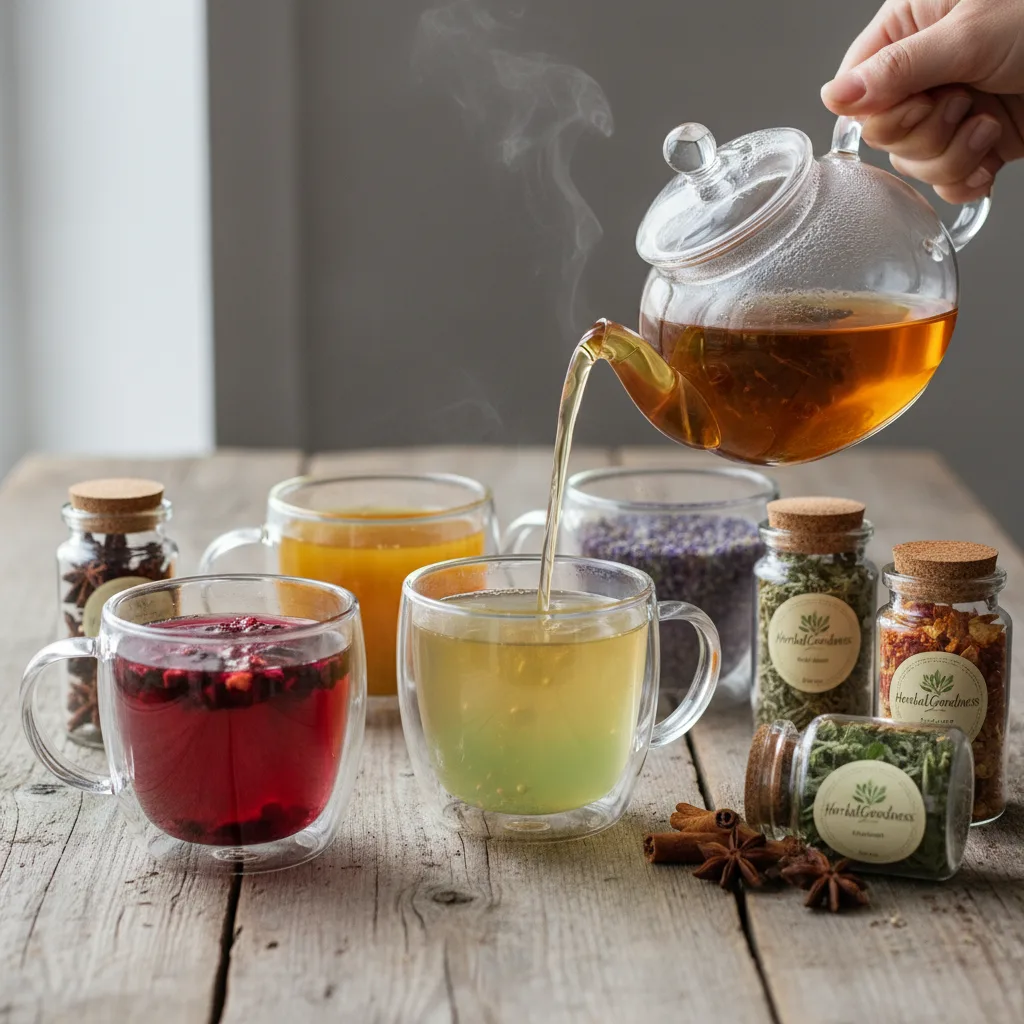
A reputable supplier—such as those who partner with brands like Herbal Goodness—will welcome these inquiries and often provide tasting notes, terroir details, and meaningful traceability.
Matching Herbal Tea Terroir Profiles to Customer Preferences
Understanding Customer Palates
Wholesale buyers and café managers succeed when they curate teas that align with their clientele’s preferences and seasonal desires. Citrus-forward teas (like lemongrass or lemon balm from sun-drenched origins) appeal in summer menus. Earthy, robust roots (such as traditional dandelion or ginger) suit autumn or wellness-focused menus. Floral infusions (chamomile, hibiscus) sourced from farms with cooler climates often offer nuanced aromas perfect for relaxing tea flights.

For creative gift menus or seasonal bundles, adding Organic Herbal Tea Trio – Build-Your-Own Bundle | Mix & Match Any 3 USDA Organic Herbal Teas & Save 20% to your lineup boosts customer excitement and loyalty.
Seasonality and Menu Planning
Highlighting origin and processing details on menus is increasingly popular. Describe not only the herb but also its story:
- "Moroccan chamomile, harvested at dawn and air-dried for floral clarity."
- "Volcanic soil hibiscus, sun-dried for a deep, berry-rich infusion."
Allowing flexibility to swap in new terroir-driven batches keeps offerings fresh and sparks curiosity among regulars and new customers alike. For broader menu versatility, Organic Papaya Leaf Tea | 24 Premium Bags – Caffeine-Free can provide a unique herbal accent with easy rotation.
Building Relationships with Herbal Tea Producers and Suppliers
Direct Engagement
The best way to truly understand a tea’s terroir is through direct communication or even visiting growers when possible. Sample questions:
- Can we receive terroir-specific samples with batch notes?
- How do you ensure harvest timing optimizes flavor?
- What unique techniques set your region’s processing apart?
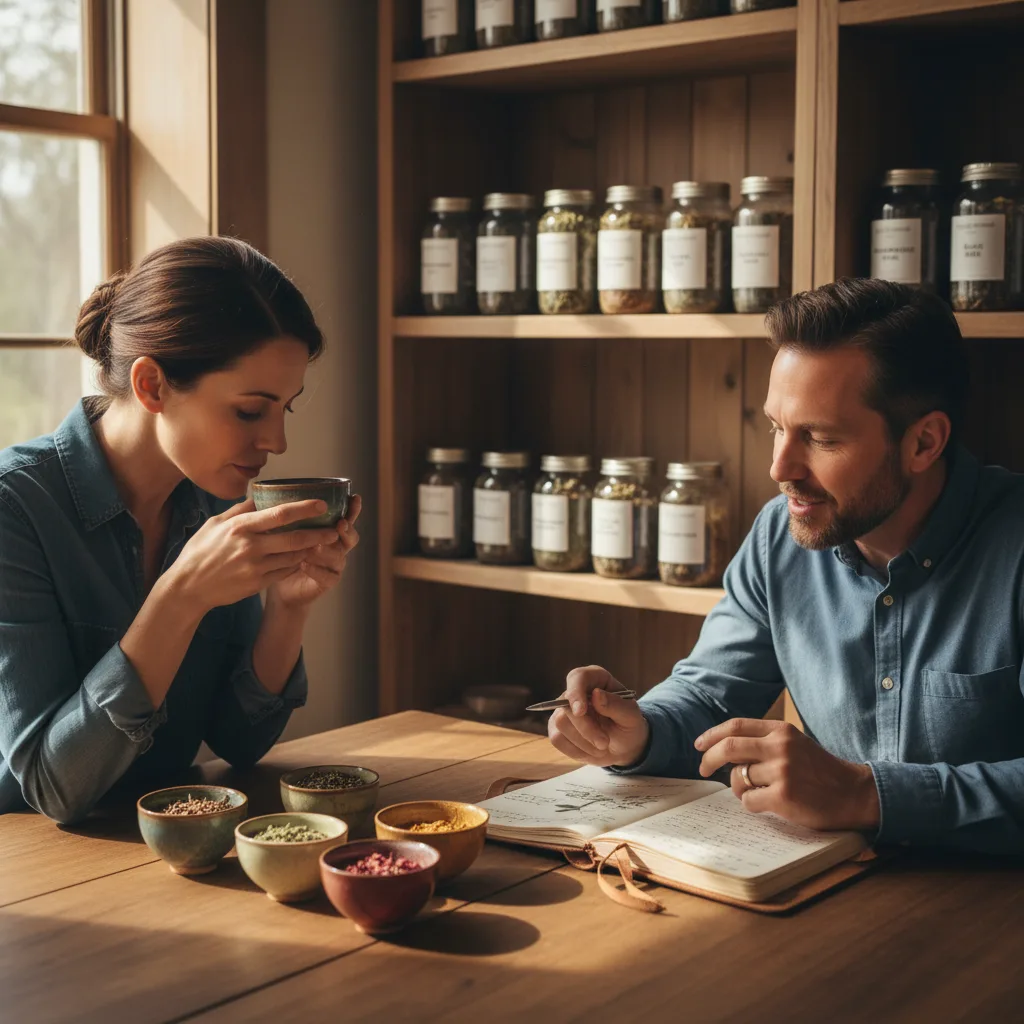
Structured tastings using a variety of Bulk Herbs & Roots Online for Tea, Tinctures & DIY Wellness - Organic 4oz Bags help staff and buyers identify and remember the subtle effects of terroir on finished beverages.
Tasting and Evaluation
Develop a structured tasting protocol—evaluate aroma, appearance, liquor color, flavor clarity, and mouthfeel. Note how these traits correlate with origin and processing. This evaluation becomes the foundation for both purchasing decisions and staff training.
Common Herbal Teas and How Terroir Impacts Their Profiles
Chamomile (Matricaria chamomilla)
- Region: Europe vs. North Africa
- Impact: European batches often show apple-like roundness; Moroccan origins deliver a sweeter, honeyed edge.
Hibiscus (Hibiscus sabdariffa)
- Region: West Africa, Egypt, Southeast Asia
- Impact: African hibiscus is tart with vivid color, while Southeast Asian flowers tend toward floral and mild.
Peppermint (Mentha x piperita)
- Region: Pacific Northwest USA, Egypt
- Impact: U.S. Northwest peppermint produces bold, cooling oils from rich soils and cool fogs. Egyptian mint may yield more mellow, herbal sweetness.
Lemongrass (Cymbopogon citratus)
- Region: Southeast Asia, India, Central America
- Impact: Soil and sun interact for either delicate citrus or vibrant, lemon-forward profiles.
Herbal Goodness partners with global growers to source and showcase these terroir differences, offering transparency into every harvest.
Ready to Elevate Your Herbal Tea Menu?
When you understand and embrace terroir, you can curate herbal tea selections that tell a story—one rooted in origin, timing, and processing. By asking detailed questions and requesting samples, wholesale buyers can source herbs that surprise and delight, matched to both menu themes and customer tastes. Take an intentional approach to your next round of sampling, and let the land, the harvest, and the craft shape your next standout blend.
Frequently Asked Questions
Question 1: How does terroir affect the taste of herbal teas?
Answer: Terroir, which combines soil, climate, and processing, can bring out unique flavors, aromas, and even change the color of blends. Using blends such as Organic Hibiscus Tea 24 Bags | Heart Health & Antioxidant Wellness allows you to truly taste terroir in your cup.
Question 2: What questions should I ask suppliers about herbal teas?
Answer: Ask about the specific origin, soil type, climate, harvest timing, processing, and batch traceability. High-quality programs like Bulk Loose Leaf Teas & Tisanes - Organic 4oz - Herbal Wellness Teas often provide these details so you can select the best teas.
Question 3: Why does harvest timing matter for herbal tea quality?
Answer: Harvest timing impacts oil and sap content, which directly shapes taste and aroma. Suppliers focused on premium product lines such as Bulk Herbs & Roots Online for Tea, Tinctures & DIY Wellness - Organic 4oz Bags can help ensure optimal timing.
Question 4: How can I build a seasonal herbal tea menu?
Answer: Curate blends to match the season. Citrus-forward teas for summer and earthy roots for autumn or wellness menus. Using options like the Herbal Tea Trio Bundle | Guava, Hibiscus & Avocado – 3 Organic Packs allows you to flexibly rotate offerings by terroir and season.
Question 5: What are some good bulk herbs and roots for creating custom blends?
Answer: High-quality roots and botanicals make unique blends. Explore Wellness Tea Blends – 4oz Organic Premium Herbal Infusions for diverse mixes that showcase natural terroir.
Question 6: What's the best way to introduce terroir-driven herbal teas to my customers?
Answer: Highlight the tea's unique origin, processing method, and harvest details—consider bundle sets like the Organic Herbal Tea Trio – Build-Your-Own Bundle | Mix & Match Any 3 USDA Organic Herbal Teas & Save 20% for a tasting experience.
Question 7: Are there herbal teas suitable for caffeine-free menus?
Answer: There are many caffeine-free options. Organic Papaya Leaf Tea | 24 Premium Bags – Caffeine-Free is versatile and fits perfectly for caffeine-free or wellness-focused menus.
Curious about how terroir can elevate your herbal tea program? Explore detailed origin notes, request samples, and talk directly with your supplier to find the perfect match for your menu and customers.
About the Author
Herbal Goodness Editorial Team
The Herbal Goodness Editorial Team specializes in holistic health and superfoods, blending science and nature to educate and empower our community.
References
A World Map of Adaptogenic Herbs: Origins & Traditions
Share this

Popular posts


FAQs
1. What are the main benefits of drinking bamboo leaf tea?
Drinking bamboo leaf tea supports hydration, relaxation, skin wellness, and antioxidant balance.
2. What is bamboo leaf extract used for?
It’s used for general body wellness, skin elasticity, hair and nail support, and overall vitality.
3. Can bamboo leaf help with skin care and body wellness?
Yes, bamboo leaf is rich in silica and antioxidants, which promote healthy skin, strong nails, and a youthful glow.
4. What forms of bamboo leaf are available?
You can find dried bamboo leaf, powder, extract, drops, oil, and bamboo leaf green tea.
5. Are there any side effects of bamboo leaf?
Bamboo leaf is generally safe when consumed in moderation. Always consult your healthcare provider before starting any new herbal supplement.