





Best Organic Guava Leaf Tea Bags for Truly Plastic-Free Tea Brewing

Rethinking your daily cup of tea can be a powerful way to care for the planet, especially as more shoppers seek organic guava leaf tea that aligns with authentic plastic-free values. If you’re new to eco-conscious tea shopping, it can be surprisingly tricky to tell whether guava leaf tea bags are truly plastic-free or just cleverly labeled. This beginner’s checklist helps you decode labels, spot truly compostable options, and understand how your choices impact taste, aroma, and waste—all while brewing a cup that feels as good as it tastes.
Know Your Tea: Why Plastic-Free Matters in Organic Guava Leaf Tea Bags
Plastic may not be the first thing that comes to mind when steeping your favorite guava leaf tea, but traditional tea bags often hide small amounts of plastic that can affect how your tea brews, what ends up in your cup, and the footprint you leave behind. For many, the desire to savor organic guava leaf tea in its purest form goes beyond flavor—it’s about caring for soil, water, and future generations. Being informed helps ensure your choices truly mirror your intentions.
Hidden Plastics: Where They Appear in Tea Bags
- Seals and Fibers: Conventional tea bags often use polypropylene—a type of plastic—to seal edges or reinforce weak spots.
- String Attachments: Some bags are sealed or reinforced with plastic threads, especially those with heat-sealed seams.
- Mesh and Silken Bags: Bags labeled “silky” or “mesh” may actually use nylon or PET, synthetic materials derived from petroleum.
With organic guava leaf tea, opting for plastic-free materials preserves more than just sustainability—it honors the taste and essence of the leaf itself.
Decoding Labels & Certifications: Clues to Genuinely Plastic-Free Tea Bags
Key Label Language to Look For
- "Plastic-Free": This direct statement should be clearly visible and not hidden in the fine print.
- "Fully Compostable" or "Home Compostable": Indicates the bag can break down in a home compost bin, not just in industrial settings.
- "Biodegradable": Beware—this term can be vague. Some bags degrade only under specific industrial conditions and may still contain plastics.
- "Plant-Based Materials": Genuine plant fibers like abaca, hemp, or unbleached paper are good signs.
Certifications That Back Up Sustainability Claims
- TÜV Austria OK Compost Home: Certified home compostable packaging and products.
- EN 13432 / ASTM D6400: International and U.S. standards for compostability.
- USDA Organic: Ensures the guava leaves are grown without synthetic chemicals, which aligns with eco-conscious goals, though it does not guarantee the bag itself is plastic-free.
Carefully reviewing these certifications on guava leaf tea packaging helps you separate truly plastic-free options from clever marketing.
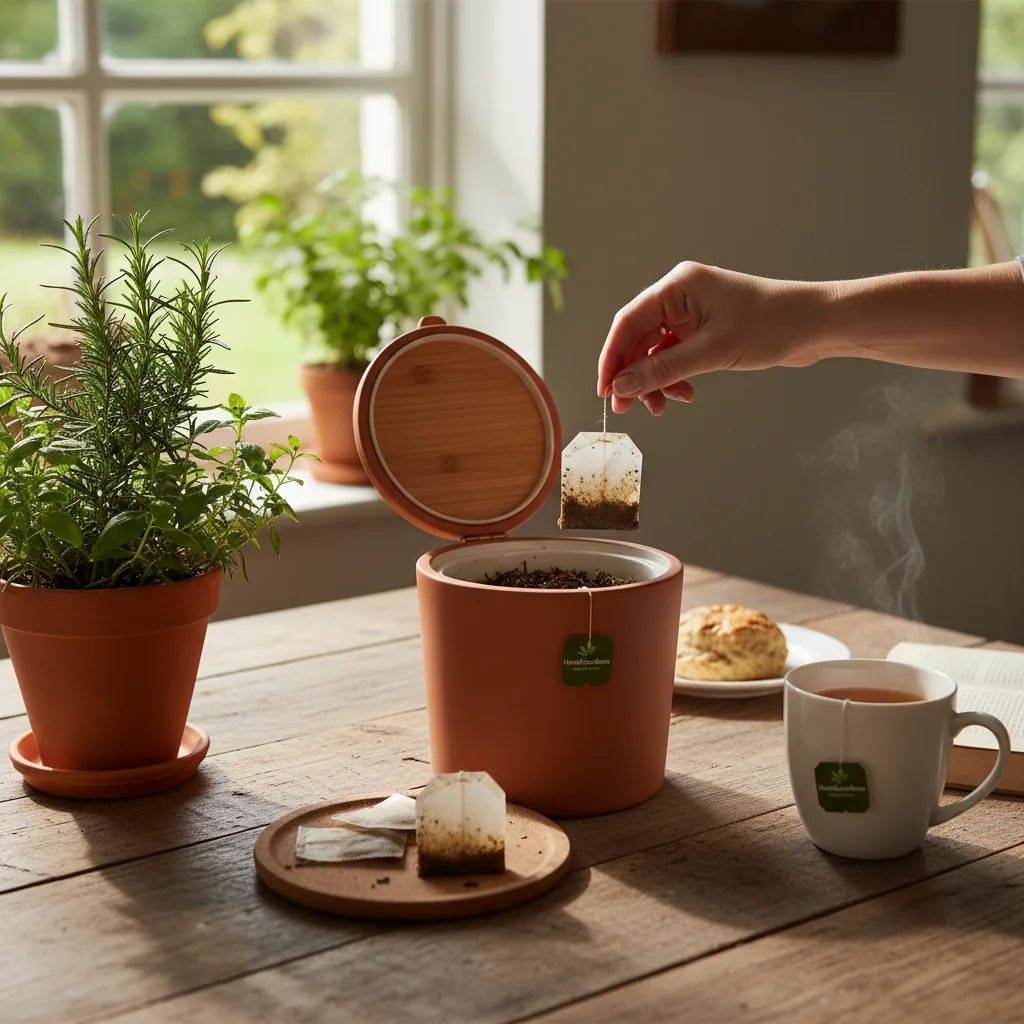
Common Tea Bag Materials: How They Affect Taste, Aroma, and Waste
Paper-Based Bags
- Abaca (Manila hemp): Durable, naturally compostable, and flavor-neutral, ideal for guava leaf tea.
- Unbleached Paper: Minimally processed, leaves no aftertaste, and is compostable at home.
Plant Starch and PLA Bags
- Polylactic Acid (PLA): Plant-based but often derived from corn; compostable only in industrial facilities. May create confusion if not clearly labeled.
Nylon and PET “Silk” Bags
- Not derived from silk; these plastics do not break down at home and can leach microplastics when exposed to hot water.
Staples, Strings, and Tags
- Look for bags stitched with organic cotton string and tags attached with natural glue or by knotting—no metallic staples or plastic adhesives required.
The choice of material not only impacts eco-friendliness but also preserves the nuanced flavors and soothing qualities of guava leaf tea, without imparting artificial notes. For those seeking variety in their eco-friendly herbal infusions, exploring options like Bamboo Leaf Tea 24 Bags can also fit within a plastic-free and sustainable lifestyle.
Packaging Clues: Signs of Authentic Plastic-Free Tea Bags
Often, even genuinely plastic-free tea bags are packaged within plastic wrappers for shelf-life or convenience. Here’s how to analyze the package for assurance:
What to Check on the Box
- Inner Pouches: Look for compostable or paper-based pouches rather than glossy plastic sleeves.
- Box Material: Recyclable cardboard, minimal ink, and no plastic window cutouts reveal a commitment to sustainability.
- Ink and Glue: Water-based inks and natural adhesives are less likely to contain microplastics or synthetic chemicals.
External Packaging Seals or Certifications
If the box or bag mentions a specific compostability standard or plastic-free certification, this typically means the whole product—not just the bag—is designed for minimal environmental impact.
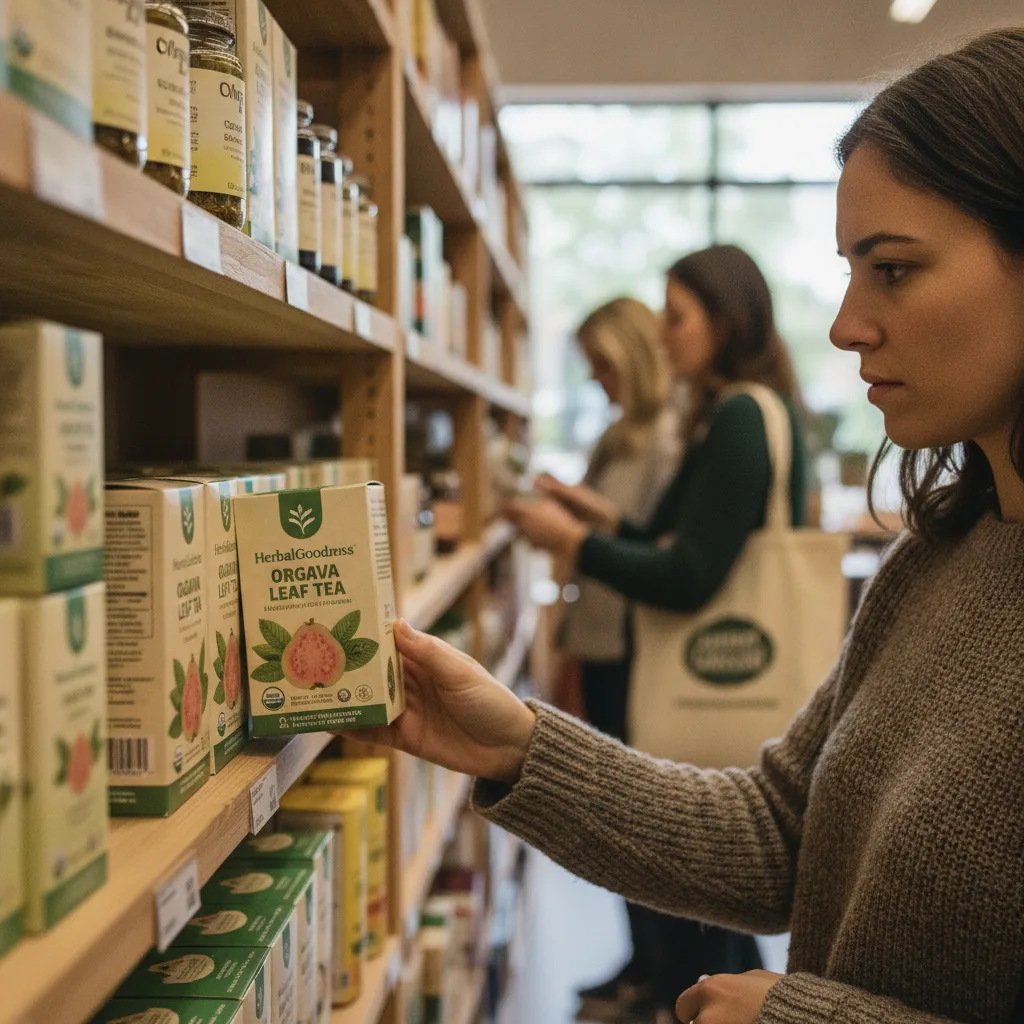
Step-by-Step: How to Identify and Buy Truly Plastic-Free Organic Guava Leaf Tea Bags
Buying with confidence starts by developing a quick process for reviewing your options:
1. Pause at the Label
Read statements closely. If a product says “biodegradable mesh” or “suitable for industrial compost,” dig deeper, as these may not break down at home. For a product that makes clear compostable and plastic-free promises, check out Guava Leaf Tea Organic 24 Bags | Immunity & Gut Wellness – Caffeine-Free.
2. Scan for Recognizable Certifications
Look for compostable certifications relevant to home composting, such as TÜV Austria OK Compost Home, on both bags and outer packaging. If you’re seeking further options or a bundled experience, Herbal Tea Trio Bundle | Guava, Hibiscus & Avocado – 3 Organic Packs features multiple organic teas in responsible packaging.
3. Examine Material Descriptions
Check for “abaca,” “unbleached paper,” or “plant fiber” in the ingredient list. For guava leaf tea bags, these materials signal a more authentic plastic-free approach.
4. Assess the Packaging
Is the packaging as eco-friendly as the tea bag? Boxes described as recyclable, with no plastic lining or inner foil, typically reflect a sincere eco promise. This holistic concern for environmental impact is also seen in complementary wellness teas, such as Organic Papaya Leaf Tea | 24 Premium Bags – Caffeine-Free, utilizing nature-forward materials.
5. Research the Brand’s Sourcing and Standards
Brands such as Herbal Goodness openly discuss traceable sourcing and their approach to eco-friendly packaging. Aligning your purchase with a company’s broader sustainability story can make a difference.

At-Home Composting and Disposal: Turning Used Guava Leaf Tea Bags into Soil
After you’ve enjoyed your cup, what comes next matters. Plastic-free, compostable guava leaf tea bags unlock simple at-home disposal routines:
How to Compost Your Plastic-Free Guava Leaf Tea Bags
- Remove Tags and String: If made of organic cotton or paper, these can go in the pile. Avoid including staple-backed tags.
- Tear or Open Bag: Exposing loose guava leaves speeds decomposition.
- Mix with Carbon Material: Layer the used tea bag with dried leaves, shredded paper, or cardboard for an efficient compost process.
- Watch It Break Down: In a well-managed home compost, genuine plant-based tea bags break down in a few months.
If you’re searching for other wellness teas that can be included in your compost routine, Soursop Leaf Tea | Organic Graviola 24 Bags | Soursop Tea Benefits for Immunity & Wellness provides health benefits while maintaining sustainable packaging for easy disposal.
Landfill Disposal: Last Resorts
If composting isn’t possible, plastic-free tea bags still carry a much lighter footprint than plastic mesh or PLA alternatives, breaking down more naturally when sent to landfill.
Building Confidence as an Eco-Conscious Guava Leaf Tea Shopper
Stepping into the world of eco-friendly tea isn’t just about what’s left out (plastic)—it’s about ensuring each detail from field to cup honors your intentions. By learning to read labels critically, check certifications, assess tea bag and packaging materials, and compost at home, you can make every cup of guava leaf tea a mindful choice. With each informed purchase, you join a growing community of shoppers supporting a healthier and more sustainable world—no matter where you are on your eco journey.
Frequently Asked Questions
Question 1: How can I tell if my guava leaf tea bags are truly plastic-free?
Answer: Look for clear label language such as "plastic-free" and compostable certifications like TÜV Austria OK Compost Home. Products like Guava Leaf Tea Organic 24 Bags | Immunity & Gut Wellness – Caffeine-Free display these distinctions.
Question 2: What materials should I avoid when choosing eco-friendly tea bags?
Answer: Steer clear of bags containing PLA, nylon, PET, or those marketed as 'mesh' or 'silk.' Opt instead for plant-based options such as abaca, unbleached paper, or responsibly sourced alternatives like Bamboo Leaf Tea 24 Bags.
Question 3: How do I properly compost my tea bags at home?
Answer: Remove tags and strings (unless made from organic cotton or paper), open the bag for faster breakdown, and mix with shredded paper or leaves. Genuine plastic-free tea bags like those in Organic Papaya Leaf Tea | 24 Premium Bags – Caffeine-Free compost quickly at home.
Question 4: Is the outer packaging as important as the tea bag itself?
Answer: Yes, assess packaging for recyclable cardboard and compostable inner pouches. The Herbal Tea Trio Bundle | Guava, Hibiscus & Avocado – 3 Organic Packs is a good example of sustainable packaging inside and out.
Question 5: Can I find other herbal teas with plastic-free bags?
Answer: Absolutely. Explore teas such as Soursop Leaf Tea | Organic Graviola 24 Bags | Soursop Tea Benefits for Immunity & Wellness and Bamboo Leaf Tea 24 Bags | Nature's Silica – Collagen & Biotin Support for more eco-conscious choices.
Question 6: What’s the difference between biodegradable and compostable tea bags?
Answer: "Biodegradable" is often a vague term and can still include plastic. "Compostable"—especially home compostable—means the bag will break down quickly in typical home composting environments. Seek products that clearly state they are home compostable.
Question 7: Are there benefits to drinking guava leaf tea beyond sustainability?
Answer: Yes, guava leaf tea may support immunity and gut wellness. Options like Guava Leaf Organic 15X Liquid Extract | Immunity & Gut Wellness are valued for these potential benefits.
Ready to embrace eco-friendly tea habits? Use this checklist the next time you shop for organic guava leaf tea bags and enjoy each cup with greater confidence and peace of mind.
About the Author
Herbal Goodness Editorial Team
The Herbal Goodness Editorial Team specializes in holistic health and superfoods, blending science and nature to educate and empower our community.
Related blogs:
A Buyer's Guide to Gymnema Tea Bags: Packaging and Freshness When Shopping Online
How to Judge Organic Guava Leaf Tea Online: Visual Buyer's Guide
Where to Buy Jasmine Flowers Online: Guide to Types, Quality, and Sour
Decoding Multi-Herb Labels: How to Evaluate Moringa When It’s Part of
Order Gymnema Tea Online: How to Search, Compare, and Choose Wisely
Cat’s Claw Research for Bone Health: How Scientists Study Herbs
How to Choose the Best Oregano Brand for Kitchen and Herbal Projects
Buy Lion’s Mane Online for Brain Health: Understanding Informed First Steps
Papaya Seed Cleanse Supplements: How to Search and Evaluate Online
Decaf vs. Naturally Caffeine-Free: A Shopper’s Guide to Buying Truly C
Share this

Popular posts


FAQs
1. What are the main benefits of drinking bamboo leaf tea?
Drinking bamboo leaf tea supports hydration, relaxation, skin wellness, and antioxidant balance.
2. What is bamboo leaf extract used for?
It’s used for general body wellness, skin elasticity, hair and nail support, and overall vitality.
3. Can bamboo leaf help with skin care and body wellness?
Yes, bamboo leaf is rich in silica and antioxidants, which promote healthy skin, strong nails, and a youthful glow.
4. What forms of bamboo leaf are available?
You can find dried bamboo leaf, powder, extract, drops, oil, and bamboo leaf green tea.
5. Are there any side effects of bamboo leaf?
Bamboo leaf is generally safe when consumed in moderation. Always consult your healthcare provider before starting any new herbal supplement.