





Choosing Organic Guava Leaf Liquid Extract for Beverage Formulation

Organic guava leaf liquid extract is gaining attention among innovative chefs, bartenders, and craft beverage creators. From sparkling waters and herbal teas to sophisticated cocktails, guava leaf’s subtle flavor and botanical nuance make it an enticing option for beverage research and development (R&D). But how do industry professionals actually evaluate and select the best organic guava leaf liquid extract for their early-stage concepts? This primer offers an accessible introduction for culinary creators seeking to understand the practical criteria—sensory, stability, sourcing, and pairing—used during ingredient discovery and prototyping.
Understanding Organic Guava Leaf Liquid Extract in Beverage R&D
When developing a new beverage, ingredient selection shapes the overall profile, experience, and appeal of the finished product. Organic guava leaf liquid extract is increasingly in the spotlight for its adaptability and clean-label appeal. Beverage developers look for ways to understand this ingredient’s essential qualities early in the R&D process—before formulation advances to large-scale tests.
What Is Organic Guava Leaf Liquid Extract?
Organic guava leaf liquid extract is a concentrated preparation derived from the leaves of the guava tree, typically produced through water or food-grade alcohol extraction. The resulting liquid aims to capture the genuine aroma, flavor, and plant-based properties of guava leaves in a shelf-friendly, easy-to-blend format. Sought after for its nuanced, slightly herbaceous taste, and attractive wellness associations, these extracts are now being used by chefs and beverage makers focused on natural, plant-forward ingredients. If convenience and consistency are important, practical options such as Guava Leaf Tea Organic 24 Bags | Immunity & Gut Wellness – Caffeine-Free offer measurable flavor for streamlined R&D.
Sensory Evaluation: How Flavor Experts Tackle Tasting and Aroma
For beverage developers, sensory analysis is the foundation for ingredient understanding. Whether you’re a chef, mixologist, or beverage scientist, tasting is where the evaluation begins.
Setting Up a Sensory Tasting
A simple but consistent approach yields the best results. Professionals often:
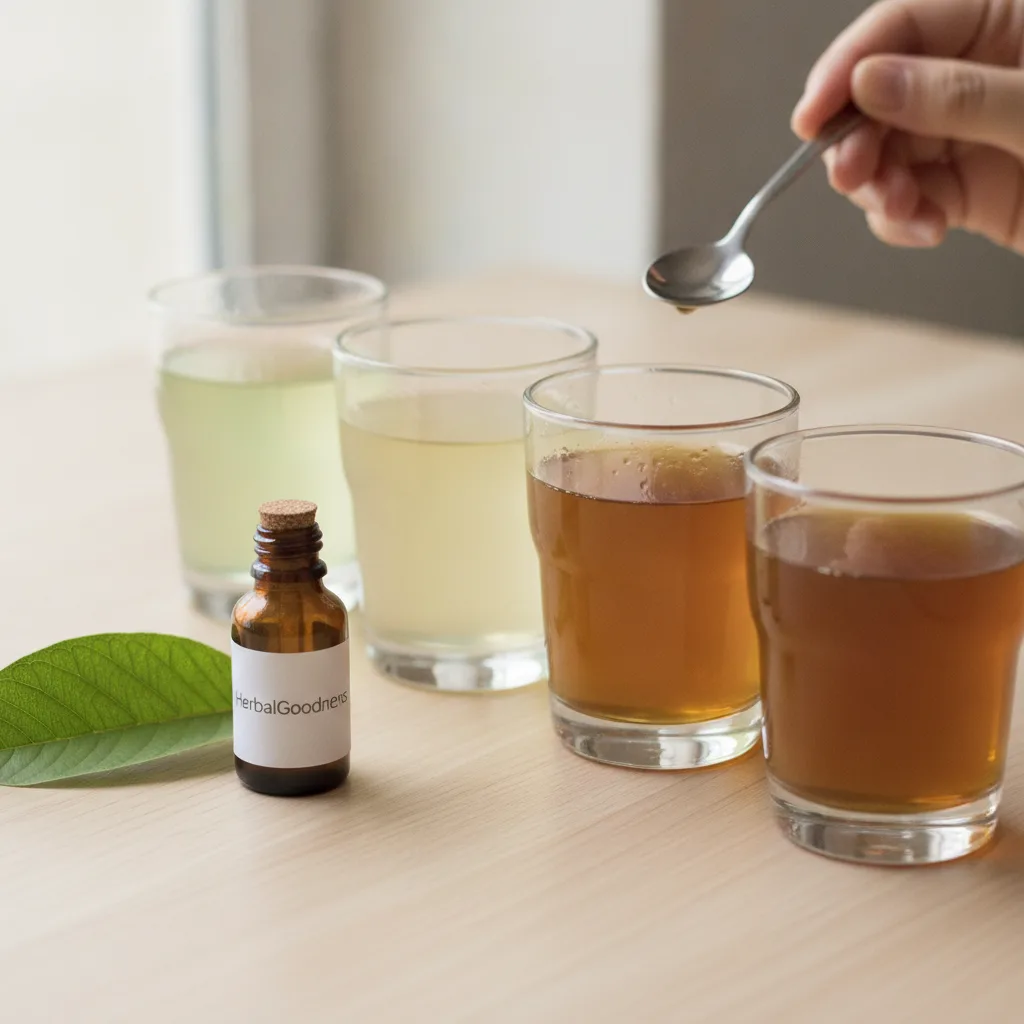
- Compare several guava leaf extract samples side by side
- Use small, neutral glasses or cups
- Evaluate at room temperature
- Include water and plain crackers for palate cleansing
- Take structured notes
What Does Guava Leaf Taste Like In Extract Form?
Guava leaf extract is known for delivering a unique combination of:
- Subtle herbal and woody notes
- Delicate green tea undertones
- Gentle bitterness, balanced with mild sweetness
- Crisp, slightly astringent finish
Each brand and batch may reveal more grassy, floral, or earthy dimensions. Some beverage developers also note faint hints of citrus zest or hay in premium extracts. For a slightly different but complementary flavor evaluation, you might consider taste-testing Mango Leaf Organic 15X Liquid Extract – Cardiovascular & Antioxidant Wellness Support, which offers its own botanical complexity.
Recording Sensory Observations
Keep tasting notes straightforward and descriptive. Consider the following categories:
- Aroma (nose): Is it grassy, floral, woody, or neutral?
- Flavor: How intense, sweet, or bitter is the taste?
- Body/Mouthfeel: Is the extract light, watery, or slightly viscous?
- Finish: Does any sensation or aftertaste linger?
Documenting these observations helps teams compare different extracts and pinpoint the profile best suited to their concept—whether it’s a refreshing iced tea, botanical soda, or cocktail. Comparing taste and mouthfeel across several liquid extracts, such as Guava Leaf Organic 15X Liquid Extract | Immunity & Gut Wellness alongside alternatives like Organic Papaya Leaf Extract 16oz | 15X Liquid – Best Value Size, offers meaningful reference points in these tastings.
Stability Basics: Shelf Life and Performance in Beverage Applications
Stability—how an extract holds up over time and under common beverage conditions—is a key practical concern, especially in early R&D. Beverage developers want to know:
- Will the flavor degrade or change after mixing?
- Does the extract support clear, homogeneous blends, or does it separate?
- How does it perform at various temperatures?
Simple Stability Checks for R&D
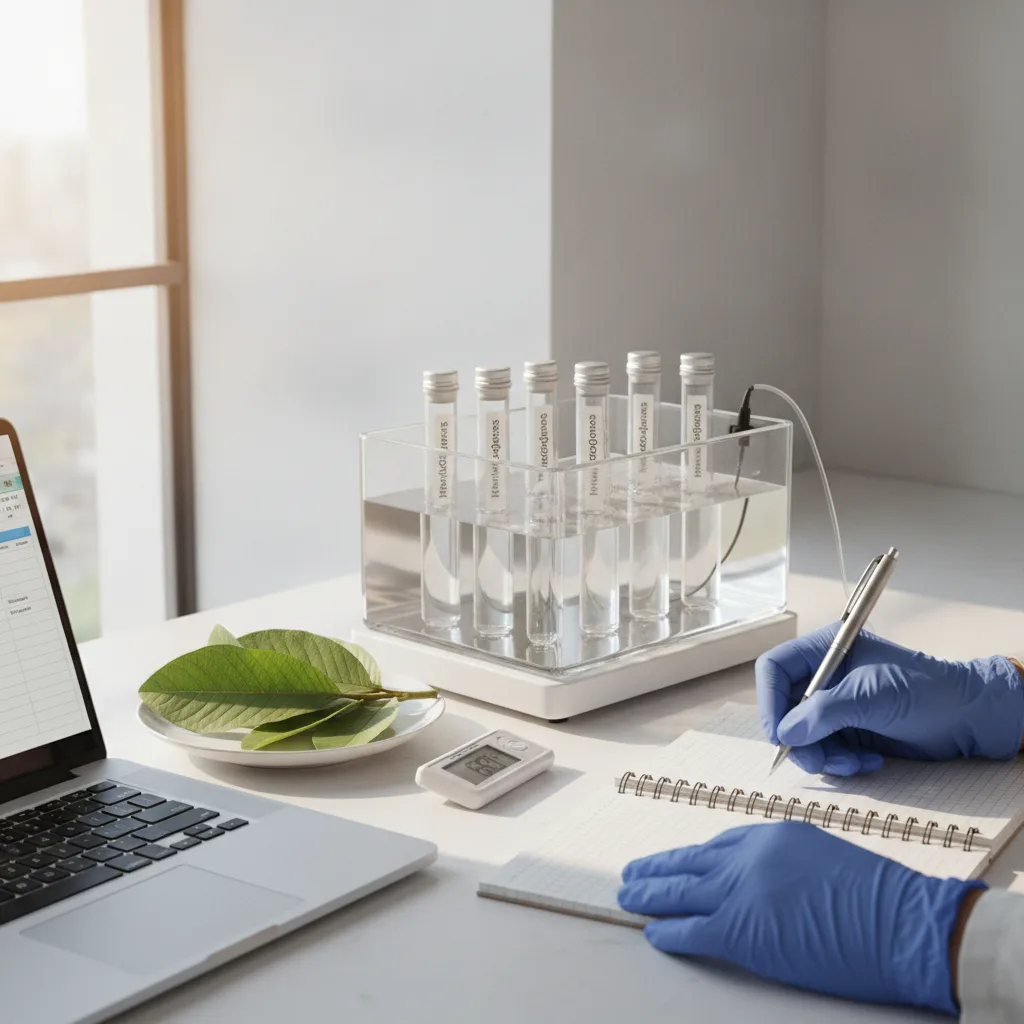
Non-technical stability screening can be done at the benchtop without specialized equipment:
- Dilution Test: Blend the extract with water (or a base beverage) in clear glass. Observe for cloudiness, sediment, separation, or color changes over 24–48 hours.
- Temperature Test: Chill or gently heat the diluted extract. Watch for precipitation or loss of clarity.
- Time Test: Leave a diluted sample at room temperature and observe daily for aroma and flavor changes.
Making notes on clarity, taste changes, or sediment formation helps beverage makers select extracts that integrate smoothly and maintain quality from shelf to serve. Comparing results between guava and Guava Leaf Tea Organic 24 Bags | Immunity & Gut Wellness – Caffeine-Free reveals how each form performs under varied beverage conditions.
Practical Tips for Sampling
- Use the recommended dilution ratio from the supplier
- Label all samples and test points
- Store away from strong odors or sunlight during testing
Pairing Framework: Matching Guava Leaf with Complementary Ingredients
In beverage R&D, ingredient compatibility can make or break a new formula. Guava leaf extract’s gentle earthiness and hint of green bitterness provide a versatile base, but careful pairing is key.
Common Pairings for Guava Leaf Extract
Beverage makers often find guava leaf blends well with:
- Citrus (lime, lemon, orange)
- Apple or pear
- Floral notes (elderflower, chamomile)
- Berries (blueberry, raspberry)
- Light botanicals (mint, lemongrass)
- Sparkling water for a subtle herbal seltzer
The extract’s harmonizing capabilities mean it won’t overpower, but layers depth into simple or complex blends. In cocktails, bartenders often use guava leaf extract as a nuanced modifier in spritzes, low-ABV drinks, and herbal punches. For even greater complexity, blending with botanicals such as Bamboo Leaf Tea 24 Bags | Nature's Silica – Collagen & Biotin Support adds both flavor and wellness appeal.
Pairing Dos and Don’ts
- Do: Start with low concentrations—guava leaf’s flavor develops over time.
- Do: Taste frequently as ingredients are added.
- Don’t: Combine with overly sweet syrups at first—this may mask herbal notes.
- Don’t: Assume all extracts behave identically—test each new batch.
Ingredient Sourcing: What Chefs and Beverage Makers Ask About Organic Guava Leaf Extract
Choosing the right supplier is just as important as tasting and blending. Sourcing considerations often guide chefs and developers as they compare ingredients and brands.
Questions to Ask Ingredient Suppliers
- Is the extract truly organic and third-party certified?
- What extraction process is used—water, alcohol, glycerin?
- Is the guava leaf responsibly harvested and traceable?
- Are samples and batch-specific documentation available?
- What is the extract’s country of origin?
- How is it packaged and how long is its shelf life?
Asking these questions can clarify differences in quality, consistency, and sustainability. High-standard brands like Guava Leaf Organic 15X Liquid Extract | Immunity & Gut Wellness often provide documentation and traceability to help R&D teams make informed decisions.
Format Considerations
Guava leaf liquid extracts can come in various forms, including:
- Concentrated liquid drops
- Ready-to-mix syrups
- Aqueous herbal solutions
Beverage innovators benefit from evaluating which form best aligns with their production and formulation workflow.

If cross-category inspiration is needed, compare guava’s versatility to Organic Papaya Leaf Extract 16oz | 15X Liquid – Best Value Size, popular for both experimental and established beverage formulas.
Simple Early-Stage Comparison Checklist
To help beverage developers get started, here’s a checklist for evaluating potential guava leaf liquid extracts:
- Taste multiple samples side by side
- Record aroma, flavor, aftertaste, and mouthfeel
- Observe clarity and any changes post-mixing
- Run basic stability checks for sediment and separation
- Pair extract with leading recipe flavors
- Confirm organic certification and supplier sourcing policies
Having a repeatable evaluation process during ingredient discovery slashes development time and boosts the odds of finding the right extract for your intended beverage experience. Whenever you need ingredient alternatives for blending or to meet specific wellness needs, products such as Bamboo Leaf Tea 24 Bags | Nature's Silica – Collagen & Biotin Support and Organic Papaya Leaf Extract 16oz | 15X Liquid – Best Value Size are great additions to consider.
Guidance for the Experimental Kitchen or Bar
Bringing organic guava leaf liquid extract into your creative process doesn’t have to be technical or intimidating. Reliable, authentic flavors emerge from methodical tasting, routine stability checks, and open communication with trusted suppliers. By focusing on early-stage sensory and practical evaluations, developers and culinary innovators make more confident, informed decisions—bringing vibrant botanical flavors into their beverage programs with both creativity and assurance.
Frequently Asked Questions
Question 1: What makes organic guava leaf liquid extract unique for beverage R&D?
Answer: Its subtle herbal and woody notes, clean-label appeal, and natural plant-based profile make organic guava leaf liquid extract a standout in beverage development.
Question 2: How do I test the stability of guava leaf liquid extract in other beverages?
Answer: Perform dilution, temperature, and time tests as described above. Experiment with stable formats like Guava Leaf Tea Organic 24 Bags | Immunity & Gut Wellness – Caffeine-Free to compare clarity and sediment.
Question 3: What are some key pairing ideas for guava leaf extract?
Answer: Guava leaf extract pairs well with citrus fruits, berries, floral herbs, or light botanicals such as Bamboo Leaf Tea 24 Bags | Nature's Silica – Collagen & Biotin Support for more creative beverage blends.
Question 4: What questions should be asked when sourcing guava leaf extract?
Answer: Ensure the extract is certified organic, responsibly harvested, and comes with supplier documentation. Reference trusted products like Guava Leaf Organic 15X Liquid Extract | Immunity & Gut Wellness for standards.
Question 5: Are there similar plant-based extracts for beverage R&D?
Answer: Yes—Organic Papaya Leaf Extract 16oz | 15X Liquid – Best Value Size and Mango Leaf Organic 15X Liquid Extract – Cardiovascular & Antioxidant Wellness Support are two versatile plant extracts that add unique profiles.
Question 6: Can I use guava leaf extract in both teas and cocktails?
Answer: Absolutely. Try Guava Leaf Tea Organic 24 Bags | Immunity & Gut Wellness – Caffeine-Free for an easy tea infusion or dose a few drops of liquid extract in cocktail recipes for nuanced flavor.
Question 7: How do I record sensory notes when testing guava leaf extracts?
Answer: Use categories like aroma, flavor, body, and finish. Compare tasting notes between Guava Leaf Organic 15X Liquid Extract | Immunity & Gut Wellness and other herbal extracts to precisely describe differences.
If you are exploring new formulations or enhancing beverage menus, consider a structured, sensory-driven approach to evaluating organic guava leaf liquid extract for reliable results and creative inspiration.
About the Author
Herbal Goodness Editorial Team
The Herbal Goodness Editorial Team specializes in holistic health and superfoods, blending science and nature to educate and empower our community.
References
Why Organic Guava Leaf Extract Availability Fluctuates Online: Sourcing Tips
Guava Leaf Extract for Mocktails: Taste, Use and Simple Recipes
Guava Leaf Tea Benefits: 9 Reasons to Make This Tropical Herb Wellness
How Shipping Affects Organic Guava Tea Bag Freshness and Flavor
How Water Quality Affects Guava Leaf Liquid Extract Taste & Aroma
How to Test Guava Leaf Tea for Re-Steeping, Strength & Better Value
Mindful Morning Rituals with Organic Guava Leaf Tea: How to Start a Calm Tea Practice
Share this
Popular posts


FAQs
1. What are the main benefits of drinking bamboo leaf tea?
Drinking bamboo leaf tea supports hydration, relaxation, skin wellness, and antioxidant balance.
2. What is bamboo leaf extract used for?
It’s used for general body wellness, skin elasticity, hair and nail support, and overall vitality.
3. Can bamboo leaf help with skin care and body wellness?
Yes, bamboo leaf is rich in silica and antioxidants, which promote healthy skin, strong nails, and a youthful glow.
4. What forms of bamboo leaf are available?
You can find dried bamboo leaf, powder, extract, drops, oil, and bamboo leaf green tea.
5. Are there any side effects of bamboo leaf?
Bamboo leaf is generally safe when consumed in moderation. Always consult your healthcare provider before starting any new herbal supplement.