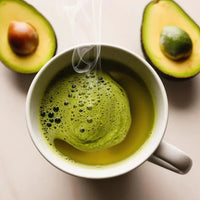
Avocado Leaf Tea: Exploring Global Traditions, Unique Flavors & Origins

In recent years, avocado leaf tea has captivated tea enthusiasts and curious explorers alike, emerging as a cherished herbal infusion with an intriguing story to tell. As the appreciation for unique, plant-based beverages flourishes worldwide, avocado leaf tea stands out—not just for its subtle flavors, but also for its rich roots in global traditions. Across continents, generations have savored the leaves of the Persea americana (avocado) tree, crafting warming infusions that offer a gentle, satisfying experience steeped in history. This article opens the teapot lid on avocado leaf tea, journeying through centuries-old heritage, aromatic profiles, and the cultural rituals that continue to shape its preparation.
The Global Legacy of Avocado Leaf Tea
Early History and Cultural Significance
The reputation of avocado leaf tea stretches far beyond modern health trends. Its story begins thousands of years ago in Mesoamerica, where avocado trees grew abundantly and found a central place in indigenous customs. Native communities in regions like Mexico, Guatemala, and South America recognized the potential in these deep green leaves, incorporating them into culinary techniques and daily life.
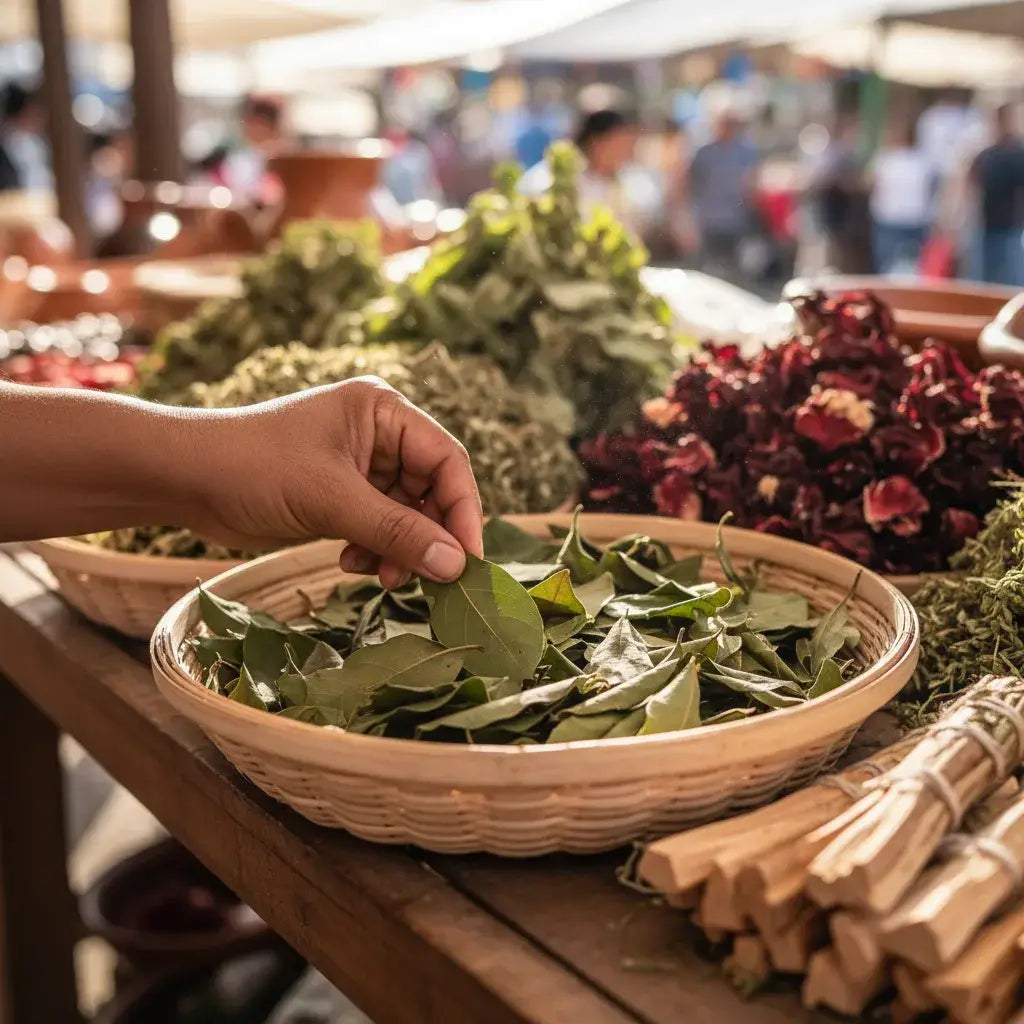
In ancient markets of Central America, avocado leaves were often dried and steeped to create a soothing beverage. This traditional infusion became a staple at gatherings and family tables, symbolizing warmth and unity. Over time, the leaves' aromatic quality gained attention, and the slow, mindful process of brewing them transformed into a cherished ritual. Embracing both flavor and function, similar herbal infusions such as Soursop Leaf Tea Graviola Leaves - Organic 24/2g Tea Bags - Immunity & Cell Renew have also held prominent places in the historical beverage landscape.
Expansion Across Continents
As avocado cultivation expanded worldwide, the appreciation for its leaves followed suit. Spanish and Portuguese explorers introduced the avocado tree to Africa, Asia, and the Caribbean, blending local tastes with ancestral knowledge. In West Africa, for example, avocado leaves infused in hot water became popular in both urban and rural settings, with flavors tailored to local palates. Similarly, Asian communities merged the avocado leaf with indigenous herbs, incorporating it into their spirited tea culture. For enthusiasts interested in the health benefits associated with herbal teas, exploring options such as Bamboo Leaf Tea – 24/1.5g Tea Bags - Nature's Collagen & Biotin can offer complementary experiences.
As global trading routes flourished, so too did the sharing of botanical secrets. The art of preparing avocado leaf tea shifted alongside migration, commerce, and the evolving appreciation for diverse herbal infusions.
Unpacking the Flavor & Aroma Profile
Aroma: From Earthy to Sweet-Spicy
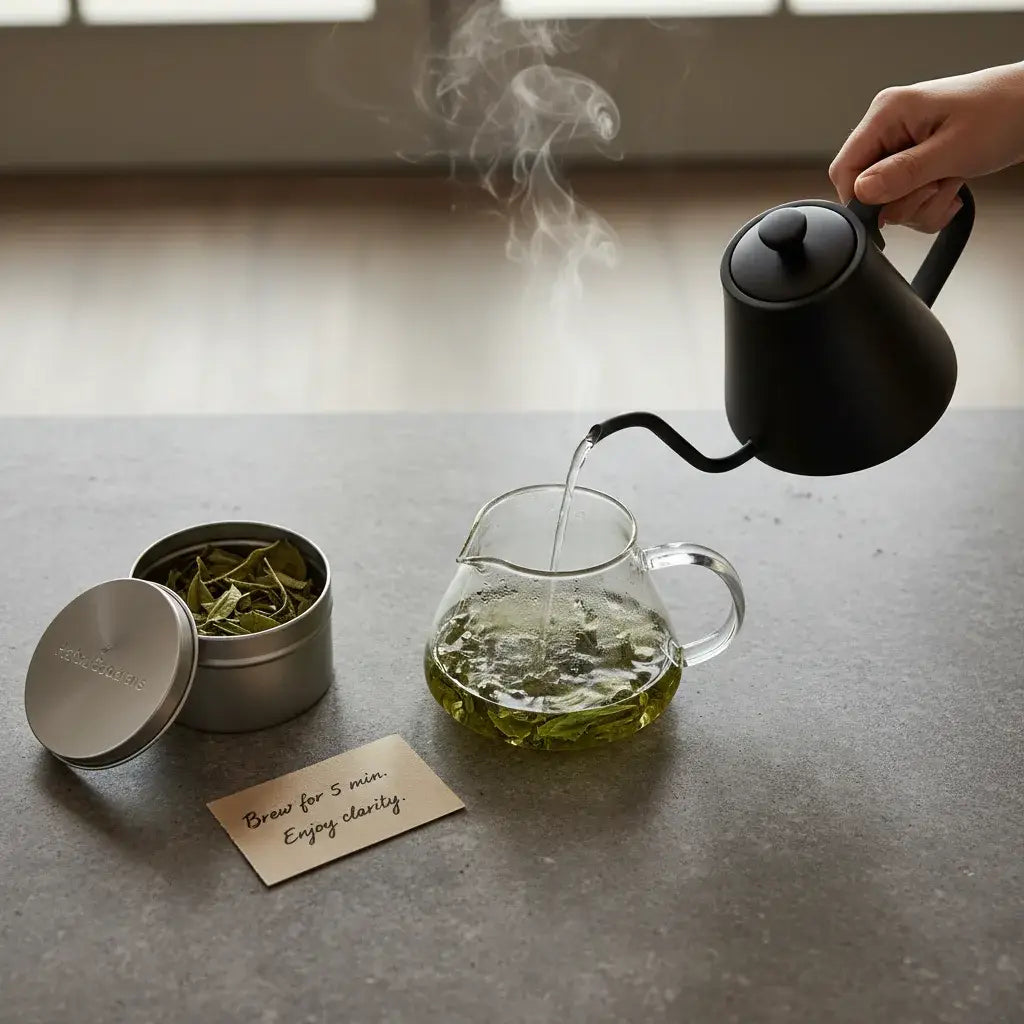
Avocado leaf tea delivers a uniquely layered aroma that distinguishes it from other herbal infusions. Upon steeping, tea drinkers often note an initial earthy and toasted fragrance, reminiscent of roasted chestnuts or fresh hay. As the brew develops, subtle sweet and anise-like undertones emerge, adding warmth to the bouquet. In certain regional traditions, lightly smoking or pan-toasting the leaves intensifies these aromatic qualities, producing a gently spiced scent evocative of cinnamon or star anise.
Taste: A Journey Through the Palate
Much like its aroma, the taste of avocado leaf tea is notable for its complexity. The first sip introduces a delicate balance of mellow, nutty notes with hints of licorice and natural sweetness. Some compare it to a mild herbal tea with a velvety finish—never overpowering, yet richly satisfying. Depending on preparation method and leaf variety, subtle grassy or floral tones may appear, especially when fresh leaves are used. For those who appreciate variety in taste and want to explore additional nutritious infusions, Papaya Leaf Tea - Organic 24/2g Tea Bags delivers its own remarkable flavor profile.
Regional nuances play a role as well. In Mexican infusions, sun-dried avocado leaves impart a hint of aromatic bitterness, contrasted by the smoothness of gently toasted varieties. Caribbean-style preparations often lean toward a light, refreshing taste with a whisper of vanilla.
Rituals and Regional Preparation Methods
Traditional Techniques
Each culture infuses avocado leaves in a way that celebrates local identity. In Mexico, it is common to use whole, mature leaves that have been sun-dried, imparting greater depth of flavor. The leaves are steeped in hot water, either alone or alongside other aromatic herbs, creating a brew that serves both as a daily comfort and a centerpiece for gatherings. The convenience and diversity of Herbal Tea Trio - Guava, Hibiscus & Avocado Bundle – Refreshing Tea Collection allows tea lovers to embrace such rituals with botanical blends, enhancing the sensory journey.
West African practices typically favor younger leaves, which may be tenderized before infusion to soften their natural flavor. Here, the tea is sometimes enjoyed as an afternoon refreshment, poured from elegant silver teapots and accompanied by conversation.
Asian tea artists, always keen on blending botanicals, have been known to integrate avocado leaves with green or oolong teas, allowing a subtle complexity to emerge. Infusions might include ginger, lemongrass, or citrus peel for an added dimension of fragrance and taste.
Modern Innovations
Contemporary tea culture often celebrates inventiveness. Artisans and at-home enthusiasts alike are exploring roasting, blending, and cold-brewing techniques to bring out varied notes from avocado leaves. Some favor infusing with honey, cinnamon sticks, or dried fruit, while others relish the minimalist approach of pure, unadorned leaves. Savvy consumers may wish to broaden their collection with Avocado Leaf Tea - Organic 24/2g Tea bags - Immunity & Heart Health, crafted for both flavor and well-being benefits.
Regardless of preparation, the unifying theme remains a reverence for tradition—each cup invites reflection on the stories, flavors, and sensory experiences that connect cultures worldwide.
Selecting and Storing Avocado Leaves
Choosing Quality Leaves
For the most authentic experience, selecting high-quality avocado leaves is essential. Look for leaves that are deep green, free from spots or tears, and preferably harvested from mature trees. Leaves should be dried carefully to preserve their aroma and flavor integrity. Many specialty tea shops and online retailers now offer avocado leaves sourced from reputable growers, ensuring optimal freshness and wellness benefits.
Storage Tips for Lasting Freshness
Proper storage keeps avocado leaves in peak condition. Store dried leaves in an airtight container, away from direct sunlight and moisture. A cool, dry pantry is ideal. When stored properly, dried avocado leaves can maintain their character for several months. For those who prefer fresh leaves, gentle refrigeration in a sealed bag will help retain their texture and aroma for up to a week.
Brewing Avocado Leaf Tea: A Step-by-Step Guide
Classic Hot Infusion
- Gather Ingredients: Use 2–3 dried avocado leaves per cup. Rinse gently.
- Boil Water: Heat water to just below boiling (about 200°F/93°C).
- Steep: Add leaves to the water and steep for 8–10 minutes. Adjust steeping time for a stronger or lighter brew.
- Strain and Serve: Remove leaves, and pour the infusion into your favorite cup. Optionally, add a touch of honey or a slice of citrus for variety. For convenience, pre-portioned tea bags, like those in Avocado Leaf Tea - Organic 24/2g Tea bags - Immunity & Heart Health, make brewing easier and more consistent.
Creative Blends
- Combine with dried lemon peel, mint, or ginger for a refreshing twist.
- Experiment with cinnamon sticks or star anise to accentuate the tea's natural undertones.
- Serve over ice as a cool, aromatic summer beverage. Herbal infusions such as Papaya Leaf Tea - Organic 24/2g Tea Bags also lend themselves beautifully to creative blending and hot or cold preparations.
Exploring Avocado Leaf Tea in Modern Life
A Bridge Between Past and Present
Drinking avocado leaf tea connects modern tea lovers to ancient rituals and global customs. Each cup serves as an aromatic reminder of the simple, deeply rooted pleasures that herbs and plants have offered humanity for countless generations. Whether enjoyed as a daily ritual or a special treat, this herbal infusion continues to unite and inspire communities across the world. If you're passionate about exploring herbal blends, Herbal Tea Gift Set – Wellness Tea Gift Variety Collection - Organic 24 Teabags invites you to savor a diverse medley with every cup.
Savoring the Experience
Beyond its fascinating story and layered taste profile, avocado leaf tea provides a sensory journey. Its preparation invites mindfulness and appreciation, fostering a sense of presence that elevates even the simplest moments. As more people embrace slow living and conscious consumption, this unique infusion is poised to captivate new palates and foster cross-cultural celebration for generations to come.

Curious to experience the unique flavors and heritage of avocado leaf tea? Explore high-quality leaves from trusted sources and craft a cup that bridges the best of tradition and innovation! Savor each sip and immerse yourself in a sensory journey—your next favorite herbal infusion awaits.
FAQs:
- What does avocado leaf tea taste like?
Avocado leaf tea offers a nuanced flavor profile with nutty, earthy notes and hints of natural sweetness, sometimes highlighted by subtle licorice or floral undertones depending on the region and preparation.
- How is avocado leaf tea traditionally prepared?
Traditional preparation involves drying mature avocado leaves, then steeping them in hot water for 8–10 minutes. Regional variations may include adding other herbs or spices to the infusion.
- Can you blend avocado leaf tea with other ingredients?
Yes, avocado leaf tea pairs beautifully with additions like lemon peel, ginger, mint, or cinnamon, allowing for creative, flavorful blends that suit individual tastes.
- Where did avocado leaf tea originate?
Avocado leaf tea has its origins in Mesoamerica, particularly in ancient Mexican and Central American cultures, where the avocado tree is native and has been used for centuries.
- How should avocado leaves be stored for tea making?
Store dried avocado leaves in an airtight container in a cool, dark place to preserve their flavor and aroma. Fresh leaves should be refrigerated and used within a week.
Author Name:
Herbal Goodness Editorial Team
Author Bio:
The Herbal Goodness Editorial Team specializes in holistic health and superfoods, blending science and nature to educate and empower our community.
References:
Introducing Graviola to Young Taste Buds: Fun, Family-Friendly Flavor Exploration
Graviola in the Classroom and at Home: Creative Activities to Teach Kids About Tropical Plants