Alcohol-Free vs Alcohol-Based Ashwagandha Liquid Extracts

Ashwagandha root liquid extracts have surged in popularity as convenient ways to enjoy the revered properties of this ancient botanical. Strolling through an online store, you may notice ashwagandha root offered as a liquid tincture or labeled as a glycerite, alcohol-free, vinegar-based, or even in oil. With so many options and unfamiliar terminology, it can be tough to determine which ashwagandha extract format best matches your taste preferences, daily ritual, or dietary needs. This guide demystifies the differences between alcohol-free and alcohol-based ashwagandha root liquid extracts—covering taste, shelf life, labeling, everyday uses, and smart storage practices so you can confidently choose a formulation that fits your lifestyle.
Understanding Liquid Ashwagandha Extract Formats
When browsing for ashwagandha root liquid extracts, you’ll see several carrier bases listed on ingredients panels. Each base or solvent not only impacts the extract’s flavor and aroma, but also its shelf stability, labeling guidelines, and practical uses in your daily routine. Let’s explore the primary formats found on the market:
Alcohol-Based Ashwagandha Tinctures
Alcohol-based extracts, also called tinctures, use ethanol (often organic cane alcohol) to pull active plant compounds from ashwagandha root. The alcohol acts both as a potent solvent and as a natural preservative.
Key characteristics:
- Usually labeled as “ashwagandha root tincture,” “ashwagandha liquid extract,” or “alcohol-based ashwagandha”
- Shelf stable for several years when stored properly
- Generally feature a mildly bitter, herbal, and slightly astringent taste
- Suitable for adults who are comfortable with trace amounts of alcohol (typically less than a standard beverage)
Consumers who want maximum potency often opt for Ashwagandha Extract | Organic Root Liquid – Stress, Energy & Mood, which delivers the classic benefits of ashwagandha in a concentrated tincture form. Its stability and efficacy make it a top pick for daily wellness routines.
Alcohol-Free Ashwagandha Glycerites
Glycerites are alcohol-free liquid extracts that use food-grade vegetable glycerin to extract and carry the beneficial properties of ashwagandha. Glycerin is naturally sweet and gentle, making these formulations appealing to those avoiding alcohol.
Key characteristics:
- Marketed as “alcohol-free ashwagandha extract,” “ashwagandha root glycerite,” or “glycerin-based ashwagandha”
- Usually milder, sweeter, and gentler on the palate
- Well suited for children, sensitive individuals, and those following alcohol-free routines
- Shelf life of 1–2 years in sealed packaging
For families seeking gentle, kid-friendly supplements, Kids Plant-Based Supplements 1oz | Organic – Focus, Calm, Sleep & Tummy is a thoughtful alternative featuring easy-to-blend liquid extracts designed for younger taste buds.
Vinegar-Based Ashwagandha Extracts
Some ashwagandha extracts use apple cider vinegar or other culinary vinegars as their solvent. Vinegar-based preparations are often chosen by those seeking a tangy, food-friendly flavor or who wish to avoid both alcohol and glycerin.
Key characteristics:
- Frequently labeled as “apple cider vinegar-based ashwagandha”
- Distinct tart and tangy taste with mild herbal undertones
- Popular in culinary mixes, mocktails, or added to salad dressings
- Shelf life is typically 1–2 years (check individual brand guidance)
If you enjoy culinary experimentation, working these tangy extracts into homemade dressings or wellness sodas can introduce botanical benefits into everyday meals. Ingredient flexibility is also a key consideration for individuals with specific dietary protocols.
Oil-Based Ashwagandha Extracts
A less common format, some ashwagandha extracts are suspended in oils such as extra virgin olive or coconut oil. These are designed primarily for those wishing to add ashwagandha to fat-based recipes or topical rituals.
Key characteristics:
- Labeled as “ashwagandha in oil” or “ashwagandha root extract in oil”
- Rich, smooth texture and mild herbal taste, often masked by the carrier oil flavor
- Used in smoothies, dressings, or culinary preparations
- Refrigeration may be required; shelf life varies (refer to product label)
In addition to ashwagandha, Black Seed Oil 8oz | Cold-Pressed Nigella Sativa – Immune & Daily Wellness offers another example of an oil-based herbal extract, prized for its daily support and smooth blendability.
Comparing Taste: What to Expect from Different Ashwagandha Bases
The sensory experience of ashwagandha root liquid extract is shaped by its carrier base. Taste can influence how easily an extract integrates into your daily habits, be it a morning tonic or evening tea.
- Alcohol-based tinctures: Sharp, earthy, and slightly bitter with a warming finish. Best for fast absorption when taken diluted in water or juice.
- Glycerite (alcohol-free): Mildly sweet and comforting, masking much of the raw root’s natural bitterness. Well received by picky palates.
- Vinegar-based: Tart, zesty, and bright. Complements beverages like shrubs, kombucha, or citrus-based mocktails.
- Oil-based: Creamy, smooth, and rich. The herbal notes blend well with the neutral or nutty flavor of the carrier oil, making these suitable for blending into nutritional shakes or culinary dishes.
Among glycerite-based options, integrating them into nut milks or oatmeal to mask the flavor can provide a sweet, gentle method for introducing adaptogenic herbs to children.
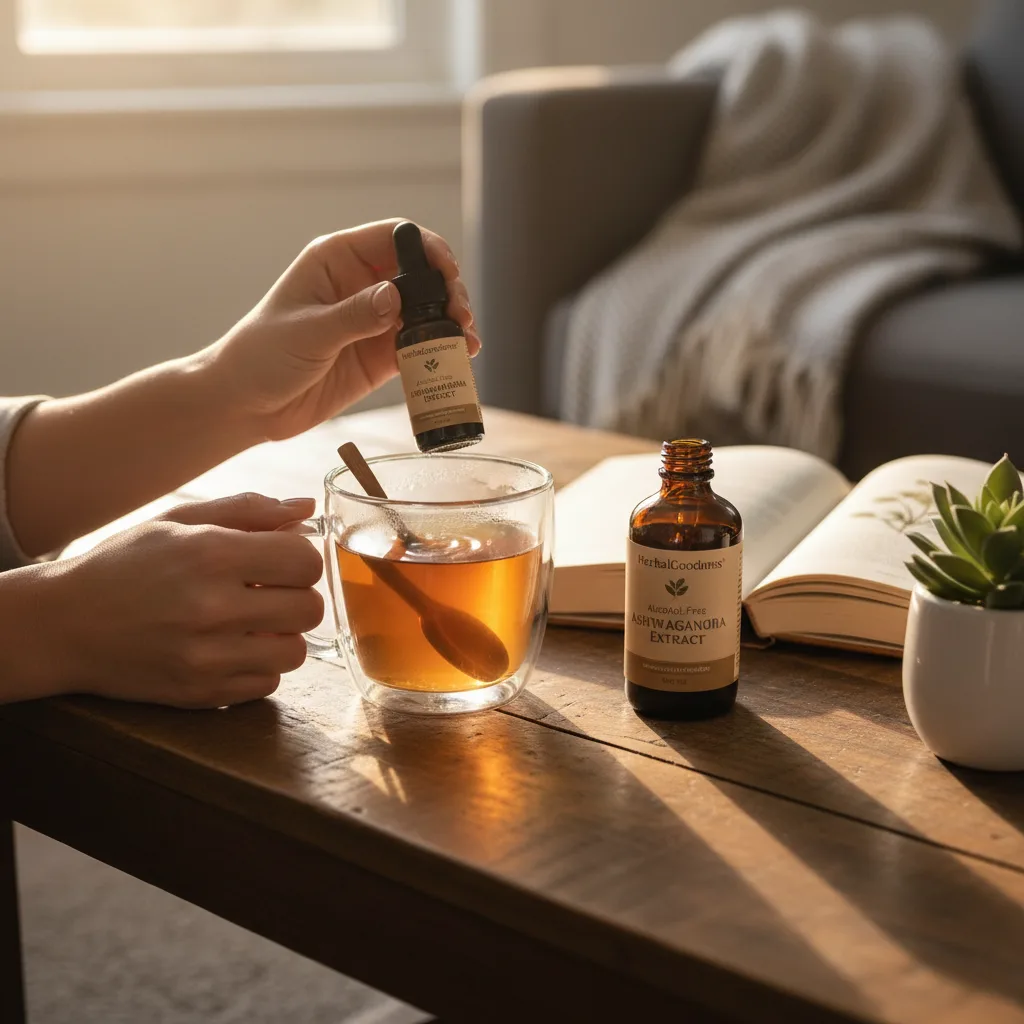
For an oil-based route, those seeking a creamy, smooth experience might enjoy blending oil-based extracts into warm grain bowls or energy bars or nutrition balls, providing both texture and nutritional support.
Shelf Life and Stability: Choosing Extracts That Fit Your Routine
When shopping online for ashwagandha root liquid extracts, considering shelf life is an important practical point—especially if you use the extract infrequently or plan to store it for travel, work, or home use.
Alcohol-based tinctures:
- Among the longest-lasting options, with a typical shelf life of up to 3–5 years unopened
- The alcohol content naturally protects against spoilage or microbial growth
- Store in a cool, dark place away from sunlight for optimal stability
Glycerite (alcohol-free):
- Shelf stable for around 1–2 years when unopened
- Sensitive to high heat and humidity (ideal storage in a pantry or cupboard)
- Refrigeration can extend freshness, especially after opening
Vinegar-based:
- Generally remain fresh for up to 1–2 years
- Vinegar serves as a moderate preservative but isn’t as robust as alcohol
- Keep sealed tightly and store at room temperature, away from direct heat
Oil-based:
- Typically have a more limited shelf life (6 months to 1 year, depending on the oil)
- Oils can go rancid if exposed to heat or light; refrigeration may be necessary
- Always check the “best by” or expiration date when buying online
To support overall supplement longevity and adaptogenic benefit, Mushroom Blend | Reishi, Lion's Mane & Chaga Organic 15X Extract | Adaptogen for Brain & Immunity demonstrates an extended shelf life similar to alcohol-based tinctures, and is another top extract for long-term use.
Decoding Product Labels and Ingredient Language
Understanding how ashwagandha root liquid extracts are labeled will help you select the format that aligns with your values and needs.
Common labeling cues:
- “Tincture” or “extract” usually implies alcohol as a base
- “Alcohol-free” or “glycerite” signifies a glycerin base
- “Vinegar-based” or “infused in vinegar” signals a culinary vinegar
- “Herbal oil” or “oil extract” indicates a plant-based oil carrier
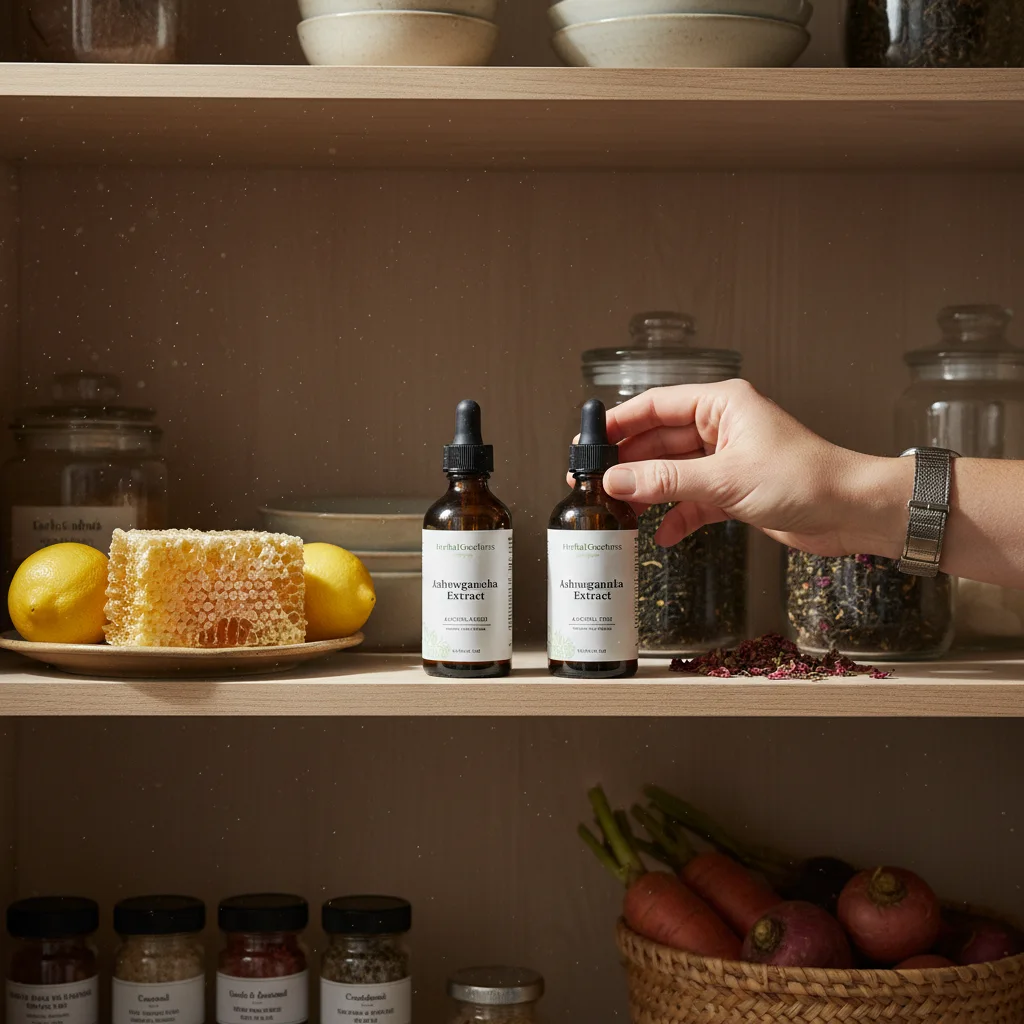
Special Label Notes
- For family or child use, look for "alcohol-free" or "glycerite" specifically
- Vegan labeling indicates non-animal-derived glycerin or solvent
- Organic certification may reflect both the herb and the solvent quality
Whether you select a classic ashwagandha root tincture or an alcohol-free solution, always consult the label for storage, dosing, and quality certifications.
Who Might Prefer Each Type of Ashwagandha Liquid Extract?
The best format for you will depend on personal preference, taste sensitivity, dietary restrictions, and how you plan to use ashwagandha in your routines.
- Alcohol-based tincture: Appealing for adults who want the traditional format, prioritize long shelf life, and seek quick dispersion in water or juice.
- Alcohol-free glycerite: Chosen by families, children, those sensitive to alcohol’s taste, or anyone following a strict alcohol-free lifestyle.
- Vinegar-based: Ideal for creative cooks, those enjoying tart culinary infusions, or people who already use vinegar-based products in daily rituals.
- Oil-based: Favored for blending into creamy beverages, salad dressings, or topical body rituals (always check product suitability).
If you want to create a botanical daily habit, establishing an enjoyable flavor profile is crucial. Whether choosing alcohol-based ashwagandha root liquid extract or a mild glycerite, look for the solvent base that matches your family’s preferences and sensitivities.
Everyday Ways to Use Ashwagandha Liquid Extracts
Finding a form of ashwagandha that tastes good and fits your lifestyle will encourage consistent, enjoyable use. Here are simple, practical ways to incorporate each liquid format into your days:
Alcohol-Based Tinctures
- Stir into a small glass of water or juice as a quick morning ritual
- Add a few drops to a herbal tea or smoothie before blending
- Use in mocktails requiring a subtle herbal edge
Paired with other herbal extracts, Soursop Leaf Graviola Extract 15X Liquid | Organic Cell & Immunity can complement ashwagandha in wellness elixirs aimed at general health support.
Alcohol-Free Glycerites
- Mix into children’s juices, nut milks, or oatmeal to mask the flavor
- Blend smoothly into non-alcoholic wellness shots or dessert recipes
- Drizzle over yogurt or granola for a gentle daily boost
If pursuing an alcohol-free extract, you may also enjoy Blood Platelet Support with Papaya Leaf | Organic 15X Liquid Extract, which is formulated for mild taste and ease of daily use, especially in sensitive individuals.
Vinegar-Based Extracts
- Whisk into salad dressings or marinades for an herbal tang
- Splash into sparkling water for a homemade botanical soda
- Combine with honey and water as a tart, food-friendly elixir
Oil-Based Extracts
- Swirl into smoothies, creamy beverages, or warm grain bowls
- Add to homemade energy bars or nutrition balls
- Incorporate into massage rituals if designated as suitable for topical use
Smart Storage and Packaging Tips
Since packaging influences both quality and convenience—especially for online orders—here are a few tips for best results:
- Look for dark glass bottles to shield extracts from light
- Ensure the dropper or cap seals tightly to avoid leakage
- Store all liquid extracts in cool, dry cabinets out of direct sunlight
- Refrigerate glycerites or oil-based extracts after opening if suggested by the brand
- Always note product batch numbers and best-by dates when your package arrives
For storage longevity and label transparency, choosing reputable options such as Ashwagandha Extract | Organic Root Liquid – Stress, Energy & Mood can help ensure your extract maintains freshness and efficacy throughout its intended use period.

Purchasing Online: What to Consider
When you shop online for ashwagandha root liquid extracts, consider both the base format and the packaging details. Reputable brands like Herbal Goodness list their extraction method, carrier base, and storage instructions clearly on the product page and packaging. Customer reviews can also be helpful for feedback on flavor and ease of use.
Prioritizing your taste preferences, longevity needs, and daily habits will ensure you select a product that feels right for you and your family—making your herbal ritual both enjoyable and sustainable.
Frequently Asked Questions
Question 1: What is the main difference between alcohol-based and alcohol-free ashwagandha extracts?
Answer: Alcohol-based tinctures use ethanol for extraction and have a classic herbal, slightly bitter taste and longer shelf life. Alcohol-free extracts, such as Kids Plant-Based Supplements 1oz | Organic, use glycerin for milder flavor and are more suitable for children or anyone avoiding alcohol.
Question 2: Which ashwagandha extract is suitable for children?
Answer: Alcohol-free glycerites are ideal for children and those with alcohol sensitivities due to their mild, sweet flavor and gentle extraction process.
Question 3: How long do oil-based and vinegar-based ashwagandha extracts last?
Answer: Oil-based extracts typically last 6 months to 1 year and may require refrigeration. Vinegar-based versions generally remain fresh for 1–2 years when stored properly, but are less robustly preserved than alcohol-based tinctures.
Question 4: What’s the best ashwagandha extract for creating food and beverage recipes?
Answer: Vinegar-based extracts work well in salad dressings or drinks, while oil-based extracts are great in smoothies and nutrition balls. For immunity blends, consider Soursop Leaf Graviola Extract 15X Liquid | Organic Cell & Immunity or Blood Platelet Support with Papaya Leaf | Organic 15X Liquid Extract for a broad-spectrum cocktail of botanicals.
Question 5: How should I store ashwagandha root liquid extracts to maximize shelf life?
Answer: Store unopened bottles in a cool, dark place with a tight cap. Refrigerate glycerite and oil-based ashwagandha extracts after opening. For added convenience and longevity, choose reputable options such as Ashwagandha Extract | Organic Root Liquid – Stress, Energy & Mood.
Question 6: Can I mix ashwagandha with other herbal extracts for daily wellness?
Answer: Yes, ashwagandha can be blended with other adaptogenic or immune-supporting extracts such as Mushroom Blend | Reishi, Lion's Mane & Chaga Organic 15X Extract and soursop leaf graviola for synergistic wellness benefits.
Question 7: What should I look for on ashwagandha extract labels when purchasing online?
Answer: Check for clear indications on the solvent used (alcohol, glycerin, vinegar, oil), organic certification, vegan status, and storage instructions. Trustworthy brands will provide thorough details—refer to Ashwagandha Extract | Organic Root Liquid – Stress, Energy & Mood for a model example.
When exploring ashwagandha root liquid extract options online, review the carrier base, flavor notes, shelf life, and storage tips to discover a format that suits your lifestyle and taste—whether you’re seeking alcohol-free comfort or the classic experience of an herbal tincture.
About the Author
Herbal Goodness Editorial Team
The Herbal Goodness Editorial Team specializes in holistic health and superfoods, blending science and nature to educate and empower our community.