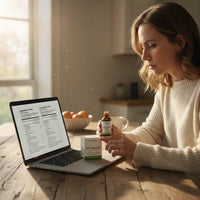
How to Choose Ashwagandha Liquid Drops for Scent Sensitivity

For those who value the traditional benefits of ashwagandha but find scents overwhelming, shopping for ashwagandha liquid drops can feel daunting. Liquid botanical supplements often carry natural aromas inherited from their herbal source, plus added ingredients like carriers or flavorings. If you’re scent-sensitive or have previously reacted to strongly scented wellness products, knowing what to look for on supplement labels — and how to assess samples safely — empowers you to make more comfortable, confident choices.
Understanding Ashwagandha Liquid Drops: What to Expect
Ashwagandha (Withania somnifera) liquid drops are a popular way to incorporate this adaptogenic root into wellness routines. Extracted either in alcohol, glycerin, or water bases, these drops may capture both the active plant compounds and aromatic notes of the root. Each bottle can vary in scent intensity and character due to differences in formulation and packaging.
The nature of extraction plays a role similar to other herbal extracts. For instance, many people seeking gentle flavor and scent also turn to Organic Papaya Leaf Extract 16oz | 15X Liquid – Best Value Size, which utilizes careful preparation for a mild experience.
Why Aroma Varies Between Brands
The aroma of ashwagandha liquid drops is shaped by multiple factors:
- Extraction Method: Alcohol-based tinctures typically carry a strong herbal scent. Glycerin, a milder extractant, can help mask or soften natural odors.
- Concentration: Highly concentrated extracts feature more robust flavors and scents.
- Additional Ingredients: Some products use essential oils or natural flavorings to enhance or disguise the base aroma.
- Packaging: Amber glass bottles can shield the product from sunlight, helping preserve the original scent, while dropper types can minimize exposure to air.
If you’re seeking a neutral start with another adaptogen, the Moringa Leaf Extract 15X Liquid | Organic – Immunity & Total Wellbeing is appreciated by users avoiding strong scents in their routines.
Label Clues for Scent-Sensitive Shoppers
A careful label review gives early insight into how a liquid ashwagandha product might smell or taste. Below are the specific elements scent-sensitive individuals should consider.
Key Terms and Ingredient Clues
- Essential Oils: If the label mentions essential oils, anticipate a more noticeable fragrance. Essential oils contribute concentrated aroma; if you are highly sensitive, these may trigger a reaction even in small amounts.
- Added Flavors or Natural Flavorings: Flavor terms like “natural vanilla flavor” or “organic fruit extracts” often suggest an intentional scent profile addition. For some, these make the product more palatable; for scent-sensitive folks, they can increase complexity or intensity. Other herbal liquids, such as the Soursop Leaf Graviola Extract 15X Liquid | Organic Cell & Immunity, might state added flavors clearly on the label to provide reassurance to users.
- Glycerite/Glycerin-Based: A “glycerite” is an alcohol-free liquid extract using vegetable glycerin as the carrier. Glycerin has almost no scent and can significantly soften herbal aromas versus alcohol-based tinctures.
- Alcohol-Based Extracts: Alcohol efficiently extracts plant compounds but also highlights the raw scent of ashwagandha root. If alcohol is listed first, expect earthy or spicy notes.
- No Added Flavors: Labels stating “pure ashwagandha extract, no added flavors” generally promise fewer aromatic distractions, but the natural scent of the herb may remain unchanged.
Allergy and Sensitivity Alerts
- Fragrance-Free: This term is uncommon for herbal liquid products, but if present, suggests extra screening for scent-sensitive people.
- Other Botanicals: Some products blend ashwagandha with other herbs (e.g., ginger, mint) that could add or mask aromas. Always scan the full ingredient list to be sure ingredients meet your needs.
Common Carriers in Ashwagandha Liquid Drops
The carrier is the main liquid used to extract, preserve, and deliver ashwagandha. Scents and flavor profiles depend heavily on this choice. Understanding common carrier ingredients will help you filter options that may suit your nose.
Top Carriers and Their Aromatic Profiles
- Vegetable Glycerin: Nearly odorless and subtly sweet. Frequently used for child-friendly or alcohol-sensitive formulas. Best for minimizing herbal aroma.
- Distilled Water: Simple and generally neutral, but doesn’t mask herbal scents on its own. Those who prefer water-based options may also tolerate Bamboo Silica + Biotin Hair Growth Extract | 15X Liquid | Natural Hair & Follicle Support which offers an elegant balance of scent and wellness.
- Alcohol (Ethanol): Amplifies herbal fragrance, sharpness, and complexity of the scent. Can be drying or irritating to sensitive noses.
Some brands specify vegetable glycerin from organic or non-GMO sources. While this doesn’t always impact aroma, lower-quality carriers may occasionally have faint off-notes noticed by the highly scent-conscious.
How Packaging and Concentration Influence Aroma
Liquid ashwagandha drops are sensitive to environmental influences and formulation strength. Two bottles with the same carrier may still smell different due to:
Packaging Choices
- Amber Glass: Reduces light exposure, maintaining scent stability and freshness longer.
- Opaque or High-Barrier Bottles: Further prevent aroma deterioration but may limit your view of the product inside.
- Quality of Dropper/Dispenser: Air-tight droppers limit evaporation and preserve the original scent profile. Loose or poorly fitting lids can cause subtle shifts in aroma over time.
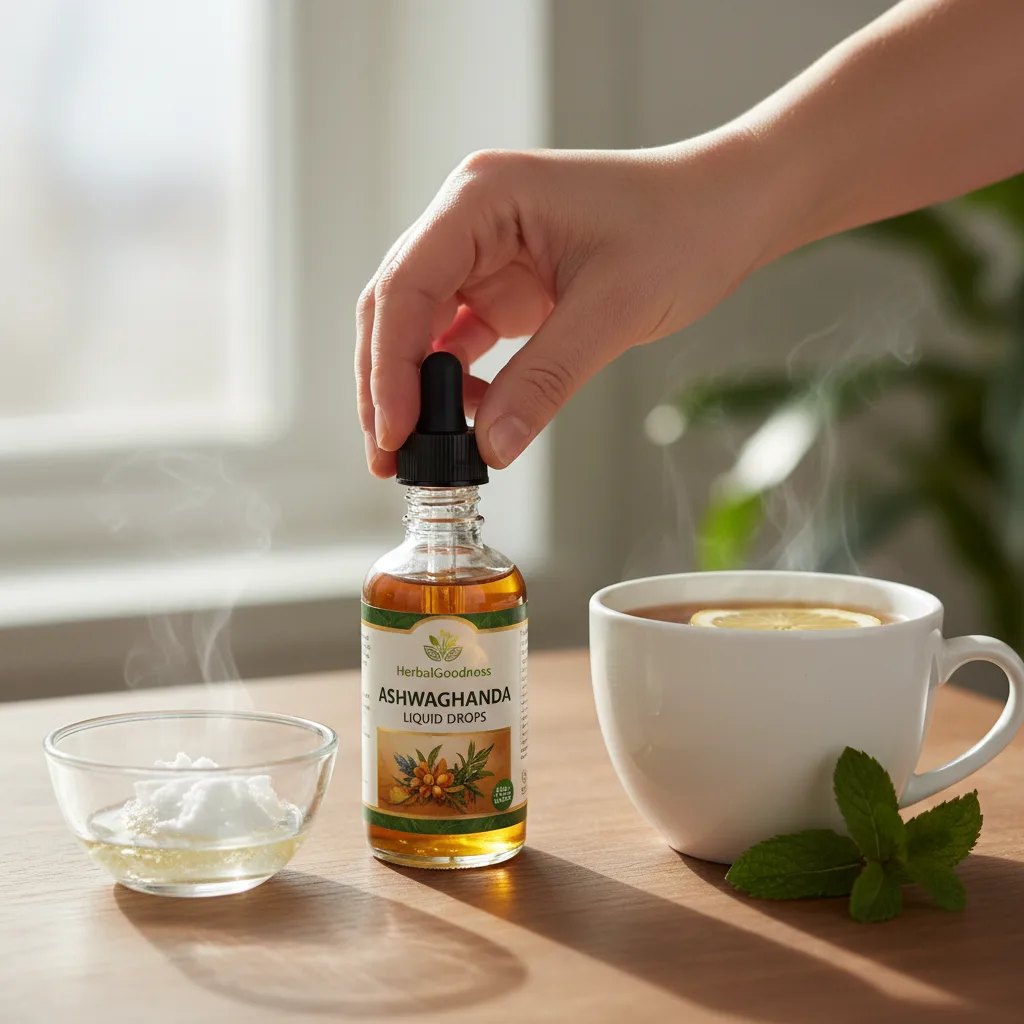
Concentration and Ratio Matters
- Herb-to-Solvent Ratio: If a product advertises a high-strength ratio (e.g., 1:2, 1:3 extract), expect a comparatively intense scent. Lower ratios or “diluted” versions typically smell milder, though potency is reduced. Comparing this effect in other concentrated formulas, Blood Platelet Support with Papaya Leaf | Organic 15X Liquid Extract can serve as a benchmark for how carrier ratios transform sensory experience.
- Batch Variability: Small-batch or artisan products, like many offered by Herbal Goodness, may have naturally occurring aromatic distinctions between lots. Larger manufacturers typically offer more consistency.
Identifying Scent Profiles From Label Language
Sometimes, the way a label describes its product gives a clue about consumer experience. Sample terms and what they can mean for scent:
- “Smooth,” “Mild,” or “Gentle Taste”: May denote formulations created for sensitive or child use, often using more glycerin and less raw-herb intensity. Consider looking at alternatives like Kids Plant-Based Supplements 1oz | Organic – Focus, Calm, Sleep & Tummy for milder taste, often preferred in family wellness.
- “Robust,” “Earthy,” or “Traditional”: Likely signals a more pronounced ashwagandha root aroma, possibly from a more concentrated or alcohol-based extract.
- “No Artificial Colors or Flavors”: While this reveals an absence of synthetic additives, it does not clarify scent intensity. Rely on the full ingredient list for more insight.

Running a Simple Sensory Test: Sample, Sniff, and Wait
Even after close label inspection, each person’s scent sensitivities and preferences can vary. A quick in-home sensory test with a sample or new bottle is a safe way to gauge aroma tolerance before regular use.
Step-by-Step Sensory Assessment
- Uncap in a Well-Ventilated Space: Open the bottle slowly in a room with ample airflow, holding it away from your face.
- Waft, Don’t Sniff Directly: Move the bottle several inches under your nose. Avoid inhaling directly from the dropper, which may exaggerate intensity.
- Note Immediate Impressions: Is the scent sharp, sweet, earthy, or floral? If you notice discomfort or a strong fragrance, this may indicate heightened aromatic ingredients.
- Recap and Set Aside: Wait a few minutes to see if any lingering scent remains. Sometimes, initial impressions fade quickly in the air or on the skin.
How to Do a Simple Patch Test With Liquid Ashwagandha
For heightened scent sensitivity, a skin patch test helps assess both any possible topical reaction and further reveals the drop's scent profile outside the bottle.
Patch Test Steps for Ashwagandha Drops
- Clean a Small Section of Inner Arm: Soap and dry completely.
- Apply One Drop: Use a cotton swab to place a single drop on the skin. Let air-dry without covering. You can employ the same routine with other gentle liquid herb products, such as Blood Platelet Plus Capsules 20X | 60ct – Advanced Platelet Formula, if you want to test potential topical sensitivity.
- Observe for 15–30 Minutes: Note sensations of tingling, heat, or noticeable fragrance. If none occur, monitor over 24 hours for any delayed response.
- Wash Area After Test: Wash with mild soap. If you experience a persistent or overwhelming aroma, look for a product with a different base carrier or fewer added ingredients.

When to Sample and When to Move On
Everyone’s scent threshold is unique, and there’s no universal solution for hypersensitivity. If, after patch and sniff tests, you still find the aroma uncomfortable, consider a different product base (like glycerites), a lower-concentration variant, or a brand with minimal added flavorings. Products that emphasize "pure, simple formulas" and feature carriers like vegetable glycerin are usually the ideal starting point for scent-sensitive individuals.
If you are interested in a trial before committing to a full-size bottle, the Organic Papaya Leaf Extract 1oz | 15X Liquid – Trial & Travel Size offers a sample-friendly approach for safe testing at home.
Building Comfort: Tips for Scent-Sensitive Herb Lovers
Shopping for wellness products like ashwagandha liquid drops with a scent-sensitive perspective doesn’t need to be a hurdle. With careful label reading, clear knowledge about carrier choices, and safe at-home trial techniques, you can discover options that align with your wellness intentions and comfort preferences.
Always remember that reputable natural wellness brands, such as Herbal Goodness, are transparent about their ingredient sources and formulation choices. Look for clear labeling and customer support that welcomes questions — it’s a sign of a company prepared to accommodate various needs, including scent sensitivity.
Frequently Asked Questions
Question 1: What type of carrier base is best for scent-sensitive shoppers looking for ashwagandha drops?
Answer: Vegetable glycerin is nearly odorless and subtly sweet, making it ideal for minimizing herbal aroma. Products like Bamboo Silica + Biotin Hair Growth Extract | 15X Liquid | Natural Hair & Follicle Support often use glycerin for a gentle sensory experience.
Question 2: How do added flavors impact the scent of liquid extracts?
Answer: Added natural flavors or essential oils can significantly increase the scent intensity of liquid extracts. Always review the label and consider starting with products labeled as having no added flavors like Ashwagandha Extract | Organic Root Liquid – Stress, Energy & Mood.
Question 3: Can I do a patch test with herbal liquid drops to check for scent and sensitivity?
Answer: Yes, apply a small amount to the inner arm, let it dry, and monitor for reactions. This approach is also useful for products such as Blood Platelet Support with Papaya Leaf | Organic 15X Liquid Extract if you have a history of topical sensitivities.
Question 4: Are there trial sizes available before committing to a full-size herbal supplement?
Answer: Some herbal brands, including Herbal Goodness, offer trial bottles. Organic Papaya Leaf Extract 1oz | 15X Liquid – Trial & Travel Size is one example for safe and convenient in-home testing.
Question 5: Do alcohol-based extracts have a stronger scent compared to glycerin-based options?
Answer: Yes, alcohol-based tinctures almost always amplify the herbal fragrance compared to glycerin-based formulas. If scent is a concern, opt for a glycerin-based extract or a product with clearly labeled minimal fragrance additions.
Question 6: How does packaging influence the aroma of my herbal liquid drops?
Answer: Amber glass and airtight droppers help preserve the original scent profile by limiting light exposure and evaporation. This is beneficial regardless of extract—whether Ashwagandha Extract or Moringa Leaf Extract 15X Liquid | Organic – Immunity & Total Wellbeing.
Question 7: Which ingredient terms on the label should I avoid as a scent-sensitive shopper?
Answer: Look for terms like 'essential oils,' 'natural vanilla flavor,' or 'fruit extracts' as these ingredients often increase aroma intensity. Stick with simple, pure extracts documented on transparent labeling.
If you’re sensitive to scents but interested in exploring ashwagandha liquid drops, remember: reading ingredient labels, understanding common carriers, and trying simple home tests can help you find a gentle wellness option that fits your comfort zone.
About the Author
Herbal Goodness Editorial Team
The Herbal Goodness Editorial Team specializes in holistic health and superfoods, blending science and nature to educate and empower our community.
References
A World Map of Adaptogenic Herbs: Origins & Traditions