





Best Herbal Teas for Detox: Hibiscus Leads in 2026

Best overall for a tart, unsweetened drink: hibiscus. Best after-meal option: ginger. Best for a minty cup: peppermint. The best herbal teas for detox in 2026 are beverages you enjoy—not proven ways to remove toxins—and this guide separates everyday tea choices from unsupported cleanse claims.
- Hibiscus leads this best herbal teas for detox guide for flavor, not proven toxin removal.
- Ginger and peppermint suit different after-meal preferences; neither tea is a proven cleanse.
- Herbalgoodnessco herbal teas include papaya leaf and soursop leaf options; choose by plant and preparation.
- Skip laxative cleanse blends and do not treat liquid extracts as interchangeable with brewed tea.
What makes the best herbal teas for detox?
- Clear plant identity: The label names the herb and plant part, rather than hiding them behind a cleanse formula.
- An enjoyable cup: Taste matters more than an unsupported promise to flush your system.
- An appropriate preparation: Tea bags, loose leaves, capsules, and liquid extracts are different formats.
- Evidence that matches: Research on an extract does not automatically establish benefits for tea.
- Sensible safety information: Ingredients, preparation directions, and precautions belong in the buying decision.
Herbal teas at a glance
These 2026 picks rank beverage fit, ingredient clarity, and preparation—not detox potency. No option earns a higher position by promising stronger cleansing.
| Tea | Best for | Standout feature | Key limitation |
|---|---|---|---|
| Organic Hibiscus Tea | Tart, unsweetened drinking | A distinctly tangy herbal infusion | Not evidence of toxin removal |
| Ginger tea | A warming after-meal cup | Recognizable spicy flavor | Supplement research does not establish brewed-tea effects |
| Peppermint tea | A minty alternative | Fresh aroma without a bitter leaf profile | Peppermint can aggravate reflux |
| Organic Papaya Leaf Tea | Exploring papaya leaf in tea form | A caffeine-free, bagged leaf preparation | Leaf tea is not papaya fruit or a papaya enzyme supplement |
| Dandelion root tea | An earthy, roasted-style drink | Root-based preparation rather than leaf tea | Traditional use does not prove liver cleansing |
| Soursop Leaf Tea | Comparing graviola preparations | Soursop leaf in tea bags | Safety questions make it a poor default daily choice |
Why this matters
A detox label does not establish a detox effect. The National Center for Complementary and Integrative Health, or NCCIH, explains in Detoxes and Cleanses: What You Need To Know that research does not convincingly support detox diets for eliminating toxins. Its guidance also discusses risks associated with some cleansing practices.
Your liver and kidneys already perform essential waste-processing functions. Drinking herbal tea is a beverage choice; it does not demonstrate that these organs need a cleanse or that a particular herb improves their work.
For your 2026 tea routine, replace the vague goal of detoxing with a concrete one: an unsweetened drink, a pleasant after-meal ritual, or an introduction to a named botanical. Those goals make the choice easier to assess without turning ordinary tea into medical care.
1. Hibiscus: best herbal tea for a tart everyday drink
Hibiscus tea makes a tangy infusion that works hot or chilled. It takes the first position because its beverage purpose is clear: you get a flavorful alternative to sweetened drinks, not a promise to clear toxins.
Herbalgoodnessco offers Organic Hibiscus Tea in a 24-bag format. Choose it because you like hibiscus and want tea bags; the product's wellness positioning is not proof of a cleansing effect.
Hibiscus pros:
- Distinct tart flavor helps you judge whether you enjoy it.
- Suitable for hot or chilled preparation.
- Tea bags avoid measuring loose herbs.
Hibiscus cons:
- Tartness will not suit every palate.
- A hibiscus infusion is not a demonstrated detox intervention.
- A single-herb label still requires a safety review if you take medication.
Best for: Someone seeking an unsweetened drink with a noticeable flavor.
Verdict: Buy for taste, not toxin removal.
2. Ginger: best herbal tea for a warming after-meal cup
Ginger tea uses the ginger rhizome, commonly called ginger root. Its warming, spicy flavor makes it a practical choice when you want a different drink after eating.
NCCIH's Ginger fact sheet discusses research on ginger preparations, including studies of nausea. That research does not establish that an ordinary cup removes toxins, and supplement findings should not be presented as results for every brewed tea.
Ginger pros:
- Recognizable flavor makes ingredient-led shopping straightforward.
- Fresh ginger and packaged ginger tea offer different preparation options.
- Fits an after-meal ritual without requiring a cleanse program.
Ginger cons:
- Strong ginger flavor is not for everyone.
- Ginger can cause digestive discomfort, including heartburn.
- Brew strength varies with the preparation.
Best for: Someone who prefers warmth and spice rather than a tart or minty drink.
Verdict: Buy for an after-meal beverage; skip detox promises.
3. Peppermint: best herbal tea for a minty alternative
Peppermint tea is an infusion of peppermint leaves. Choose it when you want a fresh-smelling cup rather than ginger's spice or hibiscus's tartness.
NCCIH's Peppermint Oil guidance makes an important evidence distinction: research on peppermint oil is not the same as research on peppermint leaf tea. Do not transfer findings about concentrated, specially formulated oil products to a cup of tea.
Peppermint pros:
- Clear mint flavor makes it easy to choose by preference.
- Simple leaf tea avoids an unnecessary multi-herb cleanse blend.
- Offers a different sensory profile from the other leading picks.
Peppermint cons:
- Peppermint can worsen reflux or heartburn.
- Oil research does not establish equivalent tea benefits.
- Mint flavor can dominate a blend.
Best for: Someone who enjoys mint and does not find that peppermint aggravates reflux.
Verdict: Buy for flavor; skip if peppermint triggers heartburn.
4. Papaya leaf: best herbal tea for exploring papaya preparations
Papaya leaf tea uses the leaves of the papaya plant—not the fruit and not the seeds. That distinction matters because different plant parts contain different constituents and should not share interchangeable benefit claims.
Herbalgoodnessco lists Organic Papaya Leaf Tea as caffeine-free in a 24-bag format. It belongs in this guide as a clearly identified tea preparation, not as evidence that papaya leaf cleanses your body.
Papaya leaf pros:
- The named plant part reduces confusion with fruit or seed products.
- The listed preparation is caffeine-free.
- Bagged tea offers a format distinct from capsules and extracts.
Papaya leaf cons:
- Leaf flavor differs from sweet papaya fruit.
- Claims about papaya enzymes do not automatically apply to leaf tea.
- This ranking does not establish a detox benefit or a medically appropriate serving.
Best for: An informed shopper specifically interested in papaya leaf as a beverage.
Verdict: Hold until you have checked the directions and precautions.
5. Dandelion root: best herbal tea for an earthy flavor
Dandelion root tea is a root preparation; roasted versions have a different flavor from dandelion leaf infusions. Choose the preparation explicitly rather than treating every dandelion product as the same drink.
NCCIH's Dandelion fact sheet describes limited human research and does not establish compelling evidence for health benefits. Traditional use is context, not confirmation that dandelion tea cleans your liver.
Dandelion root pros:
- Offers an earthy alternative to mint, ginger, and hibiscus.
- Root identification helps distinguish it from leaf preparations.
- Roasted preparations provide another flavor choice.
Dandelion root cons:
- Its flavor is not a close match for every coffee drinker.
- Allergy and medication considerations still apply.
- Liver-cleanse claims exceed the evidence described by NCCIH.
Best for: Someone choosing an earthy drink on flavor grounds.
Verdict: Buy for the beverage; skip liver-cleansing claims.
6. Soursop leaf: best for comparing graviola tea preparations
Soursop and graviola refer to the same plant. Herbalgoodnessco offers Soursop Leaf Tea in a 24-bag format, giving shoppers a tea option rather than a liquid extract or capsule.
This is a comparison slot, not a default recommendation. Memorial Sloan Kettering Cancer Center's Graviola monograph discusses safety concerns, including neurotoxicity findings from preclinical research. Those findings do not quantify the risk of a particular cup, but they are a reason not to assume routine use is harmless.
Soursop leaf pros:
- The label identifies the leaf preparation.
- Tea bags distinguish it from concentrated graviola extracts.
- Recognizing the graviola name helps you spot duplicate ingredients.
Soursop leaf cons:
- Safety questions deserve attention before routine use.
- Laboratory findings do not establish human detox benefits.
- Tea format does not eliminate ingredient-related concerns.
Best for: A shopper comparing graviola formats with professional guidance.
Verdict: Wait for a safety review before making it a regular drink.
Tea, extract, or capsule: choose the preparation first
A brewed infusion, liquid extract, and capsule are not interchangeable. For 2026 shopping, start with the format you actually want rather than choosing the product with the strongest-sounding label.
- Tea bags: A packaged herb preparation brewed according to its directions.
- Loose herbs: A preparation you measure and strain yourself.
- Liquid extracts: Products with their own concentration and serving instructions.
- Capsules: Swallowed preparations that are not a substitute for brewing tea.
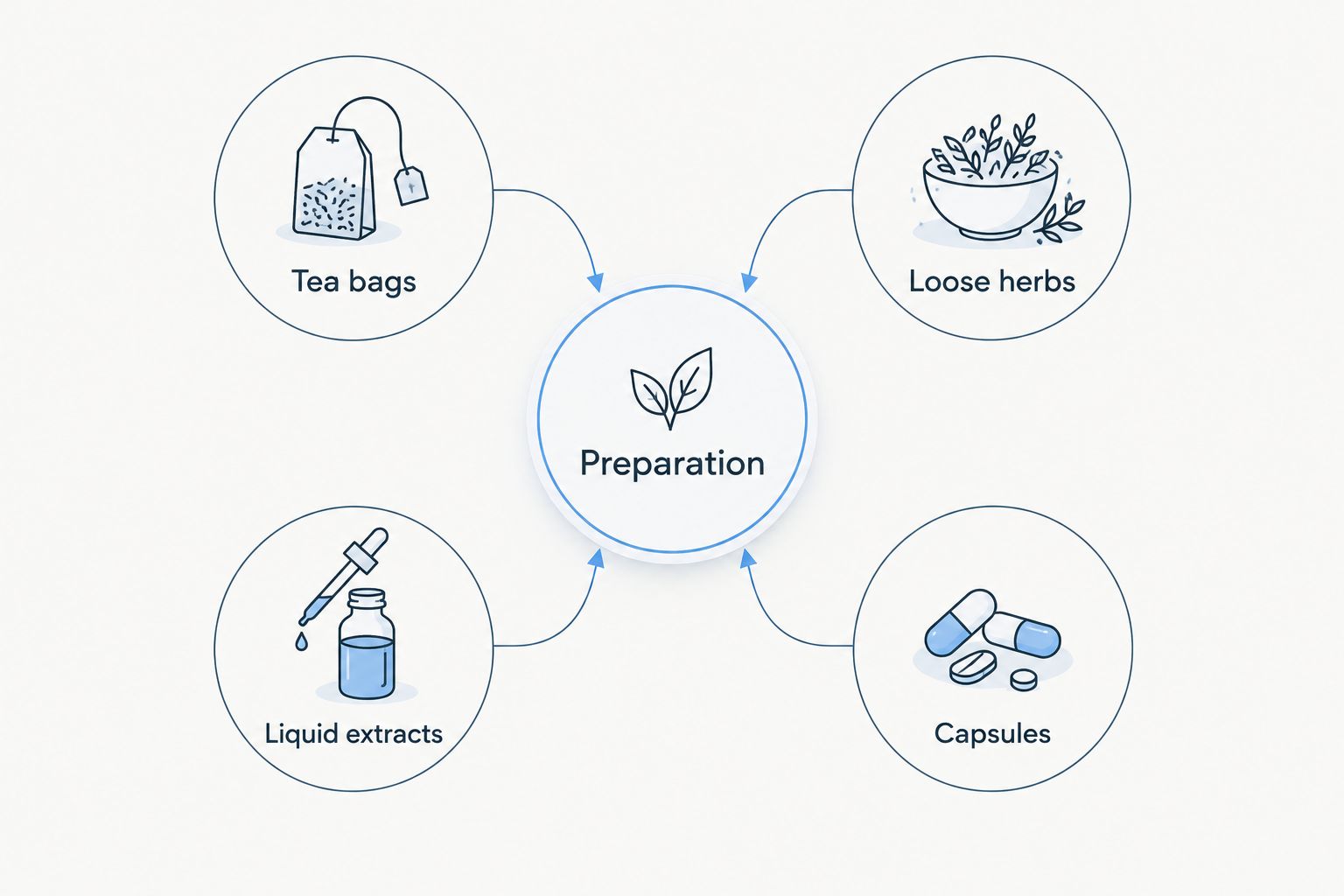
A concentration statement on an extract does not tell you how to brew a tea or establish that the extract is a better beverage choice. Follow each product's directions separately. Do not add a concentrated extract to tea simply to make your routine feel more intensive.
For retailers and health practitioners, the same distinction belongs in shelf descriptions and client education. Keep plant name, plant part, and preparation visible; avoid grouping unlike products under a blanket promise of full-body cleansing.
How these teas were ranked
This 2026 ranking prioritizes a clear beverage purpose, understandable ingredients, preparation fit, and evidence boundaries. Hibiscus leads for tart flavor; ginger and peppermint fill distinct after-meal preferences. Papaya leaf, dandelion root, and soursop leaf address specific botanical interests rather than competing for the same default recommendation.
Herbalgoodnessco herbal teas are best for shoppers comparing named botanicals in tea form, not seeking a proven detox treatment. The ranking does not claim clinical testing, measured toxin removal, or equivalent safety across the plants.
The evidence references serve different purposes. NCCIH's detox guidance addresses cleansing claims; its ingredient fact sheets describe research limitations and precautions. Memorial Sloan Kettering's graviola monograph supplies additional safety context for soursop.
Which herbal tea should you choose?
Choose hibiscus if you are undecided and enjoy tart drinks. Choose ginger for spice or peppermint for mint, with the precautions above. Those are preference-based decisions you can make without accepting a detox claim.
For a 2026 wellness routine, keep the experiment simple: choose one preparation, read its directions, and pay attention to how you tolerate it. Do not combine several unfamiliar herbs merely because each carries a cleanse label.
If you are pregnant, breastfeeding, taking medication, or managing a health condition, ask a qualified healthcare professional about the specific ingredients first. Persistent digestive symptoms, unusual fatigue, or other health concerns need assessment—not a stronger tea blend.
FAQ
What's the best herbal tea for detox in 2026?
Hibiscus is this guide's default for a tart, unsweetened drink, but no listed tea is recommended as a proven detox. Ginger and peppermint suit different flavor preferences.
Do herbal detox teas actually remove toxins?
Herbal detox teas are not established methods for removing toxins. NCCIH's detox guidance says research does not convincingly support detox diets for eliminating toxins.
Is ginger tea better than peppermint tea after meals?
Neither is universally better: ginger offers spice, while peppermint offers mint. Peppermint can aggravate reflux, and findings about supplements or oils should not be applied automatically to brewed tea.
Is papaya leaf tea the same as papaya enzyme tea?
No, papaya leaf tea is a leaf preparation, not automatically a papaya enzyme product. Check the plant part and ingredients instead of transferring claims between papaya fruit, leaf, and seed preparations.
Can I use dandelion tea to cleanse my liver?
Dandelion tea is not established as a liver-cleansing treatment. NCCIH describes limited human research on dandelion, so choose it for its beverage qualities rather than a liver-detox promise.
Is soursop tea a good everyday detox drink?
Soursop tea is not this guide's default everyday drink because evidence and safety questions remain. Memorial Sloan Kettering's graviola monograph discusses preclinical safety concerns; seek advice before routine use.
Can I replace herbal tea with a liquid extract?
No, liquid extracts and herbal teas are different preparations with separate directions. Do not substitute serving amounts or assume a concentrated extract provides the same experience as brewed tea.
Should I choose a detox tea containing laxatives?
Skip laxative tea as a routine detox strategy. Laxative effects are not evidence of toxin removal, and NCCIH's cleansing guidance discusses dehydration and other risks associated with such practices.
One last thing
Read the ingredient list before the word detox. A tea's full plant name and plant part tell you more about what you are buying than a cleanse promise does. If the product cannot clearly identify its ingredients and preparation, choose another option.
Related guides
Share this

Popular posts


FAQs
1. What are the main benefits of drinking bamboo leaf tea?
Drinking bamboo leaf tea supports hydration, relaxation, skin wellness, and antioxidant balance.
2. What is bamboo leaf extract used for?
It’s used for general body wellness, skin elasticity, hair and nail support, and overall vitality.
3. Can bamboo leaf help with skin care and body wellness?
Yes, bamboo leaf is rich in silica and antioxidants, which promote healthy skin, strong nails, and a youthful glow.
4. What forms of bamboo leaf are available?
You can find dried bamboo leaf, powder, extract, drops, oil, and bamboo leaf green tea.
5. Are there any side effects of bamboo leaf?
Bamboo leaf is generally safe when consumed in moderation. Always consult your healthcare provider before starting any new herbal supplement.