Zero-Waste Herbal Tea Production: How It Actually Works at Scale

The rising popularity of herbal teas is matched by growing awareness of their environmental impact. Today’s conscious consumers often seek more than just wellness—they want assurance that their choices support a healthier planet. In response, many herbal tea manufacturers are adopting large-scale zero-waste strategies, significantly reducing waste during both production and packaging. From upcycling spent botanicals to utilizing circular packaging, these practices play an essential role in the journey from farm to cup for clean, organic, plant-based wellness products.
Understanding Zero‑Waste Approaches in Herbal Tea Production
Zero-waste principles aim to eliminate unnecessary waste at every step—prioritizing resourcefulness, minimizing landfill contributions, and embracing full-circle use of raw materials. For herbal tea manufacturers, scaling these practices means rethinking traditional processes and innovating new pathways for sustainability.
Why Zero-Waste Matters for Plant-Based Wellness Brands
Clean, organic, and plant-based wellness products are built on values of purity, safety, and environmental stewardship. Waste from manufacturing or packaging can diminish both ecological trust and consumer confidence. By striving for zero-waste processing, herbal tea producers help ensure their products align with the holistic health ideals that define quality plant-based offerings.
Reducing Agricultural Waste: Upcycling and Imperfect Harvests
Herbal tea production begins with the harvesting of leaves, roots, flowers, and other botanicals. Traditionally, only the most aesthetically pleasing parts of crops were used. However, modern manufacturers are challenging this notion:
- Imperfect Harvests Find Purpose: Many herbal tea makers are embracing the full bounty of the field by using ‘imperfect’ leaves and off-spec botanicals. These elements are often just as potent and flavorful, allowing for more efficient use of every plant and reducing food waste at the source.
- Upcycling Spent Botanicals: After steeping to extract flavors and compounds, the remaining plant material—known as spent botanicals—isn’t always destined for disposal. Manufacturers frequently upcycle these byproducts into compost, animal feed, or even as natural dyes and additives in other industries. This practice extends the lifecycle of precious plant resources and minimizes what ends up as landfill.
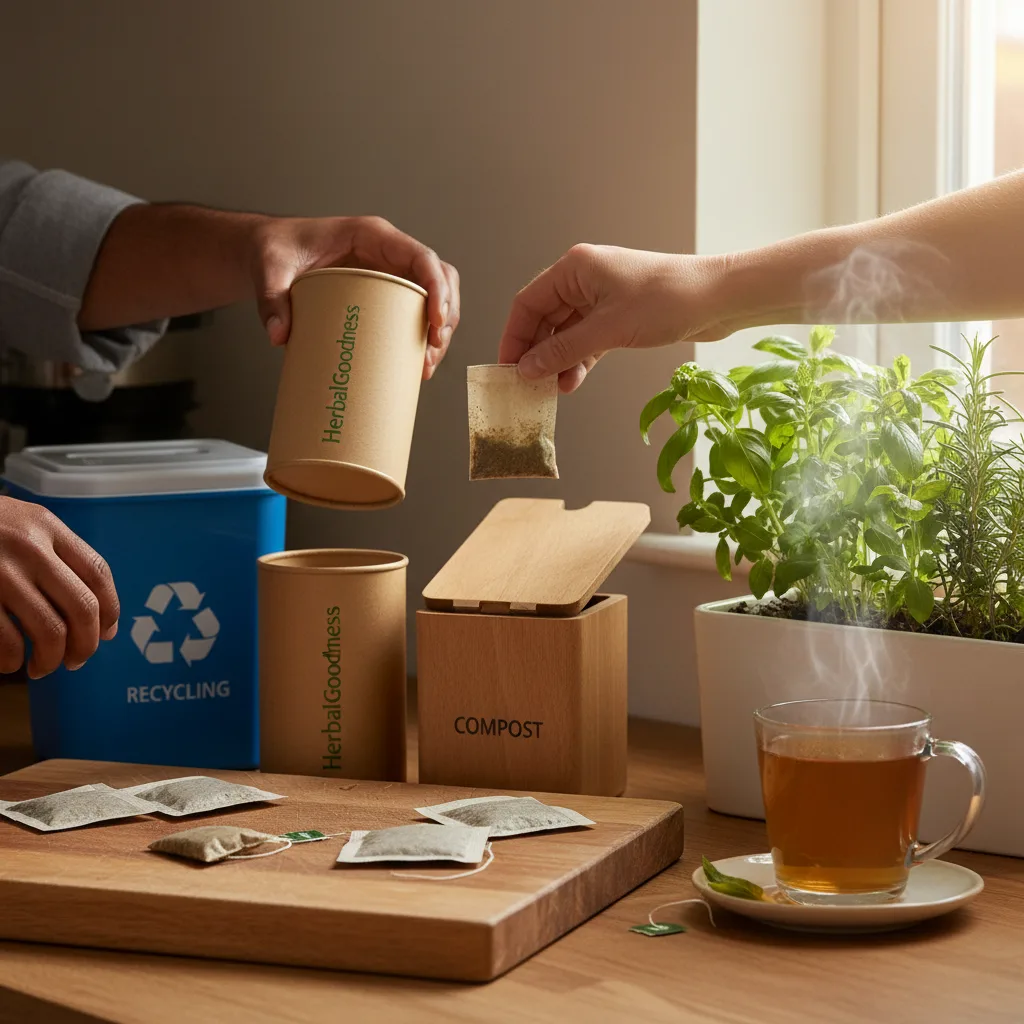
One approach celebrated by both producers and eco-minded consumers is turning byproducts into new wellness opportunities. For instance, upcycling can transform botanical trimmings into nutrient-rich compost, creating a closed-loop system that supports soil fertility for future organic cultivation. Plant-based solutions like bamboo are also gaining prominence for being easily composted or upcycled, reinforcing the zero-waste approach.
The Benefits of Using the Whole Plant
Prioritizing whole-plant utilization means that herbal tea manufacturers maximize harvests and value, supporting both environmental goals and pricing fairness for organic growers. Less wasteful operations help secure sustainable supplies of rare or nutrient-rich botanicals for future generations. Products like the Soursop Leaf Graviola Extract 15X Liquid | Organic Cell & Immunity exemplify this dedication, making effective use of botanicals while supporting holistic wellness.
Embracing Composting and Circular Systems
Composting is a cornerstone of zero-waste efforts. Herbal tea production typically generates organic byproducts—such as stems, pulp, or unneeded trimmings—which can be returned to the earth through:
- On-Site Composting: Some facilities transform this biomass into nutrient-rich compost, closing the loop by using it to nourish future crops.
- Collaborative Partnerships: Others share spent materials with local farms, gardens, or community composting programs, ensuring nothing goes to waste.
Circular systems also involve capturing byproducts for non-edible uses, such as natural fiber packing materials, reducing the need for virgin resources in other segments of the supply chain. Compost-friendly packaging further amplifies these eco benefits, and blends such as Bamboo Leaf Tea 24 Bags | Nature's Silica – Collagen & Biotin Support often come in biodegradable packaging designed with sustainability in mind.
Water and Energy Efficiency in Large-Scale Herbal Tea Production
Producing quality herbal tea at scale necessitates significant water and energy input. Forward-thinking manufacturers minimize their impact through:
- Water Reuse and Recycling: Systems are in place to capture, filter, and reuse rinse and process water, drastically lowering total consumption.
- Precision Irrigation and Drought-Tolerant Crops: When sourcing botanicals, choosing regenerative farming partners who use targeted irrigation saves water from the field onward.
- Energy-Efficient Processing: Modern equipment can reduce electricity use by optimizing drying, milling, and packaging. Solar-powered or renewable energy systems further curb production’s environmental footprint.
Resource efficiency isn’t just an operational matter; it ensures that the value of every crop is maximized. Some organic teas, like Soursop Leaf Tea | Organic Graviola 24 Bags – Immunity & Cell Renew, are crafted by producers who integrate water-saving and energy-reducing protocols, making them excellent examples of large-scale sustainability in action.

The Impact of Resource Conservation
Resource efficiency directly enables sustainable scale. When less water and energy are used, more product can be crafted without overburdening nature—allowing clean, organic teas to be available in volume without compromise to green values. The Organic Papaya Leaf Tea | 24 Premium Bags – Caffeine-Free showcases how efficient, thoughtful sourcing can go hand-in-hand with zero-waste objectives.
Rethinking Herbal Tea Packaging: From Waste to Circularity
Packaging remains one of the largest sources of waste in the entire food and beverage sector. Herbal tea manufacturers are championing greener options by:
- Compostable and Biodegradable Materials: Using plant-based packaging that breaks down naturally after use, such as compostable tea bags, cellophane made from cellulose, or containers crafted from recycled paperboard.
- Post-Consumer Recycled Content: Incorporating recycled materials in boxes, pouches, and labels reduces the need for virgin resources and closes packaging loops.
- Minimalist and Refillable Designs: Shrinking overall package size, avoiding excess layers, and exploring refillable containers are further ways to shrink waste.
- Clear Labeling for Responsible Disposal: Consumer education on how to recycle or compost packaging after use helps ensure zero-waste efforts don’t end at the warehouse.

Circular packaging strategies mean every herbal tea product is designed with lifecycle in mind—from sustainable sourcing, to usefulness, and finally to easy reintegration into regenerative systems at end-of-life. By investing in these packaging innovations, manufacturers reinforce the core message of holistic, planet-minded wellness. Bundled sets like the Organic Herbal Tea Trio – Build-Your-Own Bundle | Mix & Match Any 3 USDA Organic Herbal Teas & Save 20% enable consumers to participate in waste reduction through thoughtful purchasing and packaging selection.
Transparent Sourcing and Supply Chain Accountability
Zero-waste doesn’t just happen within a factory’s walls. It requires alignment with growers, suppliers, and logistics partners who support responsible practices. Leading herbal tea companies prioritize:
- Selecting Organic, Regenerative Growers: These partners prioritize soil health and minimized waste from the outset.
- Tracking Ingredient Journeys: End-to-end transparency helps ensure that all materials—whether imperfect harvests or upcycled waste—are handled in eco-conscious ways at every step.
- Supplier Education and Engagement: Collaborative relationships enable the sharing of zero-waste innovations across regions and markets, accelerating progress at scale.
The Raw Sea Moss 8oz Bag | St. Lucia Wildcrafted – Nature's Multivitamin is one example where direct-from-source transparency is paramount, demonstrating how zero-waste and ethical sourcing can align for superfood wellness.
Zero-waste also relies on strong supply chain partnerships. For cafés, retailers, and wellness brands looking to source at scale while staying aligned with sustainable practices, click here to get started as a retailer or wholesaler and explore bulk access and partnership opportunities.
Measuring Progress and Inspiring Industry Standards
Sustainability is an ongoing journey, and data-driven measurement ensures that zero-waste efforts are effective and continually improving. Herbal tea producers track metrics including:
- Percentage of waste diverted from landfill
- Volume of composted or upcycled byproducts
- Reductions in packaging material sourced and disposed
- Water and energy use per unit produced
Choosing brands that report these metrics—like those offering the Wellness Tea Blends – 4oz Organic Premium Herbal Infusions—signals both commitment and leadership in sustainable plant-based wellness. These metrics not only guide internal improvements but can inspire the broader plant-based wellness industry to elevate its standards and expectations, making mindful consumption and transparency the new norm.
Why Zero-Waste Matters for Clean, Organic, Plant-Based Wellness Products
Zero-waste manufacturing protects natural resources, reduces environmental impacts, and honors the full value of every botanical used. For those who choose organic, plant-centric wellness, these behind-the-scenes practices ensure that every cup of herbal tea supports both personal health and planetary wellbeing—building trust and integrity into every sip.
Adopting zero-waste at scale isn’t just a trend for herbal tea manufacturers—it’s a responsibility embraced by brands committed to the highest standards for clean, organic, wellness-forward living.
Choosing herbal teas that embrace zero-waste production and packaging supports your wellness journey and the planet’s future. Explore brands committed to sustainability and join the movement toward mindful, plant-based living.
As demand for sustainable, organic herbal teas grows, more brands are building around zero-waste sourcing. If you’re ready to stock or distribute these products, click here to get started as a retailer or wholesaler and join our bulk supply network.
FAQs:
- What does zero-waste mean in herbal tea manufacturing?
Zero-waste in herbal tea manufacturing means minimizing or eliminating waste during production and packaging by upcycling spent botanicals, using imperfect harvests, composting organic byproducts, prioritizing water and energy efficiency, and selecting circular, eco-friendly packaging materials.
- How do herbal tea brands upcycle spent botanicals?
Herbal tea makers upcycle spent botanicals by turning leftover plant material from the brewing or extraction process into compost, animal feed, or natural additives. This reduces landfill contributions and supports resource circularity.
- Why are clean, organic, plant-based wellness products linked to zero-waste manufacturing?
Brands specializing in clean, organic, plant-based wellness often adopt zero-waste methods to align their products with values of sustainability and environmental stewardship, ensuring integrity from sourcing through packaging.
- What packaging do zero-waste herbal tea manufacturers use?
Zero-waste herbal tea producers opt for compostable, biodegradable, or recyclable packaging made from plant-based or post-consumer recycled materials, and often provide guidance for responsible disposal or refilling.
- How can I choose herbal teas that support zero-waste practices?
Look for brands that openly share details on their manufacturing, sourcing, and packaging sustainability, use compostable or recycled packaging, and prioritize eco-friendly practices in their plant-based product lines.
- Are imperfect or upcycled ingredients used in premium organic teas?
Yes, many premium organic brands use imperfect harvests and upcycled botanicals to reduce waste, support growers, and make efficient use of high-quality plant resources, all without sacrificing purity.
- Does zero-waste affect herbal tea quality?
Zero-waste practices do not compromise quality—manufacturers ensure that upcycling and efficient resource use support both the purity and holistic values expected in organic, plant-based teas.
Author Name:
Herbal Goodness Editorial Team
Author Bio:
The Herbal Goodness Editorial Team specializes in holistic health and superfoods, blending science and nature to educate and empower our community.
References:
Introducing Graviola to Young Taste Buds: Fun, Family-Friendly Flavor Exploration
Graviola in the Classroom and at Home: Creative Activities to Teach Kids About Tropical Plants