





Where to Buy High Carvacrol Oregano Oil: Quality Explained

Curious about why some oregano oils are described as "high-carvacrol" while others aren't? The journey from an oregano field to the final bottle of oil involves a series of thoughtful choices by growers and distillers, each of which can dramatically alter the carvacrol levels—the plant compound most valued in oregano oil. Whether you’re reading ingredient panels or comparing brands like Herbal Goodness, understanding the steps that influence carvacrol content empowers you to ask meaningful questions when shopping for quality oregano oil.
Understanding Carvacrol: Nature’s Signature Compound in Oregano Oil
Carvacrol is a naturally occurring compound found in specific species of oregano (Origanum spp.). It's primarily responsible for the oil’s characteristic aroma and is the main marker by which oils are compared. The higher the carvacrol content, the more pronounced the traditional qualities of oregano oil. But why do these levels vary so widely?
The Impact of Oregano Plant Variety on Carvacrol Levels
Different Species, Different Potentials
Not all oregano plants are created equal. The two varieties most often used for oil—Origanum vulgare and Origanum onites—can differ in their typical carvacrol content. Other herbs sometimes labeled as “oregano,” such as Mexican oregano (Lippia graveolens), naturally produce less carvacrol. This makes plant species selection the first step in optimizing oil quality.
Selecting High-Carvacrol Cultivars
Growers may further select specific cultivars—subtypes bred for certain qualities—that naturally accumulate more carvacrol. Over time, gardens and farms may nurture plants known for consistent aroma, flavor, and carvacrol levels, laying the foundation for a potent oil. If you value reliable potency in herbal extracts, you might also consider exploring the Oil of Oregano 75% Carvacrol | 2oz – Potent Immune & Antifungal Support for its standardized carvacrol content.
Harvest Timing: When Oregano is Picked Matters
Peak Time for Essential Oils Oregano’s essential oil content, and the specific share of carvacrol within it, fluctuates with the plant’s growth cycle. Research and traditional knowledge indicate that harvesting just before flowering often yields the most potent balance of compounds. If harvested too early or after seeds have set, the oil composition shifts, usually resulting in reduced carvacrol.
Environmental Factors at Play Sunlight, rainfall, and elevation can affect growth and the plant's chemistry. Regions with intense sun—like the Mediterranean hills—often foster oregano with higher carvacrol, simply due to climate. Similarly, for those interested in adaptogenic options supported by robust environmental sourcing, Mushroom Blend | Reishi, Lion's Mane & Chaga Organic 15X Extract | Adaptogen for Brain & Immunity also demonstrates the role of climate on plant actives.
Drying Methods: Preserving Oil Potential
Why Drying is Necessary Before distillation, oregano is typically dried to reduce water content. Too much moisture can dilute essential oils during the distillation process.
Air Drying vs. Mechanical Dryers How the leaves are dried matters. Traditional air drying, out of direct sunlight and with good ventilation, tends to protect fragile compounds like carvacrol. Mechanical dryers offer speed but—if used at too high a temperature—can cause precious oils to evaporate or degrade. Growers looking to maximize carvacrol content usually aim for low, steady temperatures and minimal handling.
Distillation Parameters: Extracting the Maximum Carvacrol
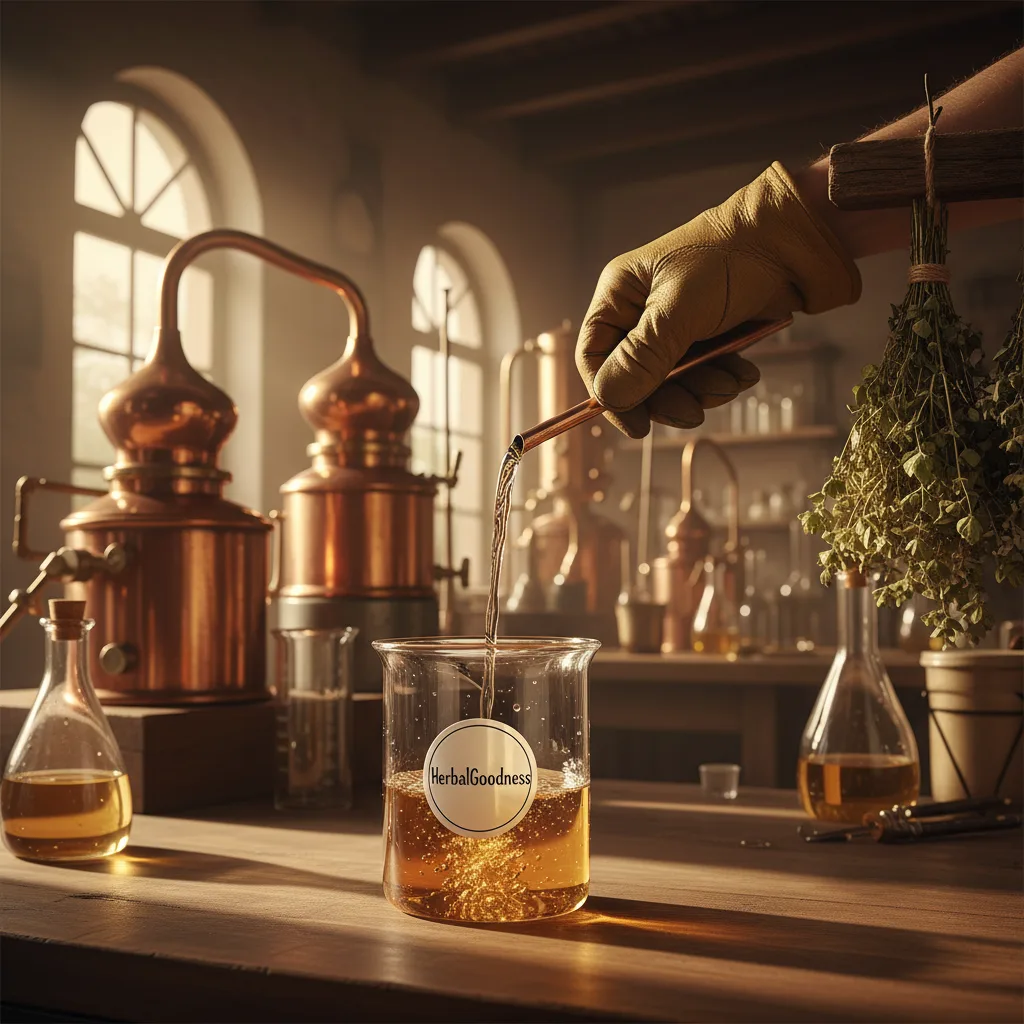
Steam Distillation Basics Most oregano oil is produced through steam distillation. Leaves and flowering tops are exposed to steam, which lifts volatile oils before being cooled and separated. This process preserves delicate compounds if handled correctly.
Time, Temperature, and Expertise Getting the most carvacrol depends on controlling the duration and temperature of distillation. Too hot or too long, and heat-sensitive constituents can break down. Most experienced distillers aim for moderate temperatures and carefully monitor the process. These craft decisions mean that “extra-long” or “high-heat” runs may actually reduce carvacrol, not boost it.
Batch Size and Equipment Material
Smaller batch sizes, and the use of food-grade stainless steel stills, can improve yield and purity. Non-reactive materials prevent chemical interactions that might impact oil quality, while closely-packed plant material ensures even distillation. This is akin to the care required in producing potent extracts for wellness, as seen in the Soursop Leaf Graviola Extract 15X Liquid | Organic Cell & Immunity.
Storage and Preservation: Keeping Carvacrol at Peak Quality
Sensitivity to Air, Heat, and Light Once distilled, oregano oil must be carefully stored. Carvacrol is vulnerable to oxidation—a chemical change accelerated by air, light, and heat. Exposure over time can diminish both aroma and carvacrol levels.
Best Practices for Storage Top producers, including those at Herbal Goodness, store oregano oil in dark glass bottles, ideally in cool, stable environments with minimal exposure to air. Some even use nitrogen to fill gaps above the oil, protecting it from oxygen. Each step helps preserve the carvacrol so buyers get an authentic product. Implementing such best practices for preservation is vital not only for oregano oil but also for other powerful plant extracts, such as Black Seed Oil 8oz | Cold-Pressed Nigella Sativa – Immune & Daily Wellness, which also benefits from protected storage to maintain integrity.
Comparing oregano oils, shoppers may notice broad differences in labeled carvacrol content. Oils could range from around 60% to over 80% carvacrol by volume, typically reflecting:
- The original oregano species and specific cultivar used
- The climate and region where it was grown
- Harvest timing and drying technique
- Distillation expertise, equipment, and parameters
- Post-distillation handling and storage
If a producer does not specify these details, it can be challenging to judge quality. Quality-focused brands often emphasize both origin and method for transparency. When searching for clarity in herbal purchases, reviewing the stated details for products like Oil of Oregano 75% Carvacrol can offer reassurance about content and careful handling.
What Questions to Ask When Comparing Oregano Oil Options
When assessing oregano oil for purchase, curious shoppers can ask:
- Which oregano species and cultivar was used?
- When was the oregano harvested during its growth cycle?
- Was low-heat drying employed, and how quickly after harvest?
- Are distillation details—such as temperature and duration—shared?
- What is the labeled carvacrol percentage?
- How is the oil stored and packaged afterward?
A reputable producer will welcome these questions. While not all details may be available, specific and transparent answers typically signal close oversight of quality.

The Role of Sourcing and Traceability in Quality Oregano Oil
As consumer awareness grows, traceability has become an important factor. Brands such as Herbal Goodness may highlight direct relationships with growers or use independent testing to verify carvacrol content. Traceable sourcing not only supports fair farming practices but also helps ensure consistent oil quality. For similar assurance in botanical supplements, check that extracts like Soursop Leaf Graviola Extract 15X Liquid and Black Seed Oil 8oz have detailed sourcing and certificates shared.
Understanding Labels and Certificates
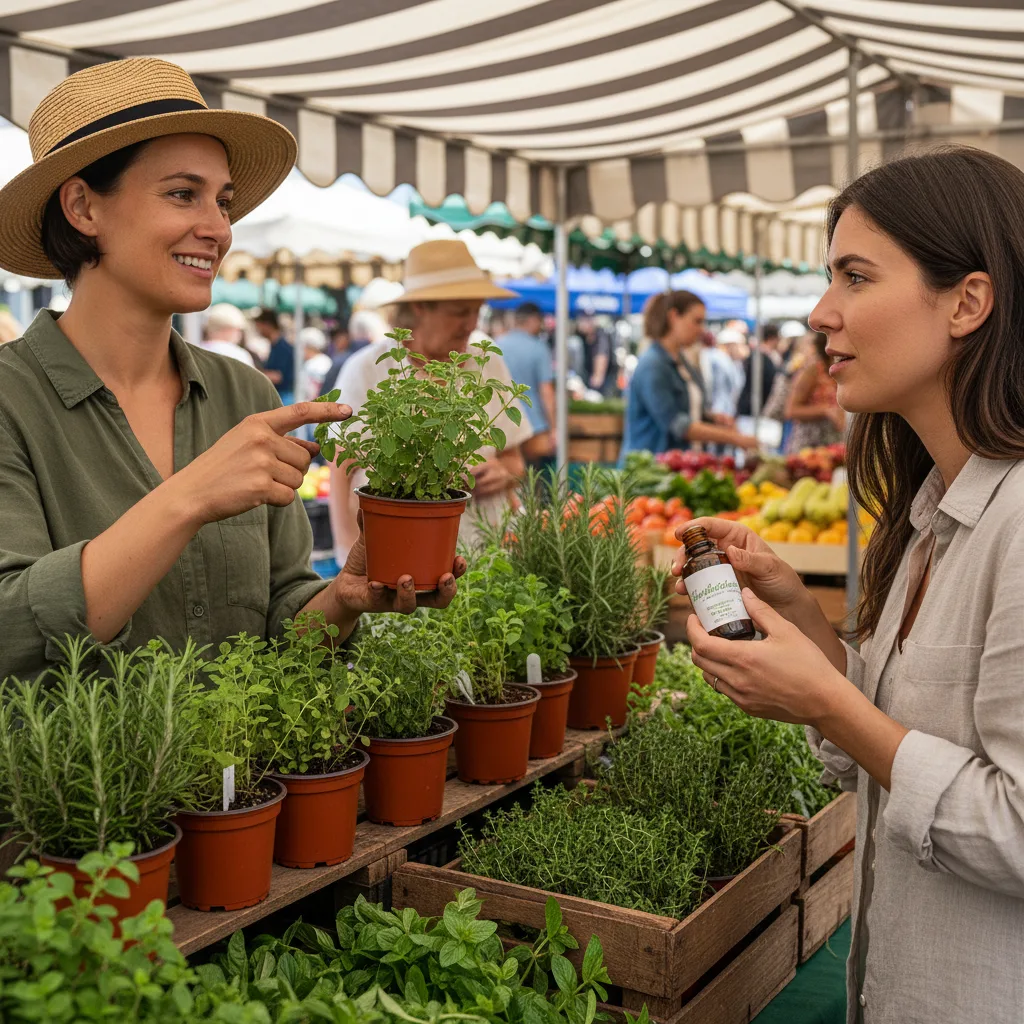
Carvacrol Percentage on the Label A clear carvacrol percentage tells you the main plant compound’s strength in that bottle—an important comparison point if seeking a traditionally robust oil. This is a marker of transparency you will often see in Oil of Oregano 75% Carvacrol, making it easier to compare potency among options.
Purity and Origin Certificates Certificates verifying origin, purity, or organic production lend further confidence and may indicate that those extra steps were taken from field, to drying, to still, to sealed bottle. For discerning shoppers, similar certifications found on products such as Soursop Leaf Graviola Extract 15X Liquid reinforce product trust.
Summary: Connecting Field, Still, and Your Choices
The carvacrol content in oregano oil is shaped by a series of key decisions, from plant selection and timing of harvest to the technical craft of distillation and the care of subsequent storage. As a buyer, understanding these steps allows you to better compare options and seek out oregano oil that meets your expectations for quality and potency. The journey from field to still is a story of knowledge, skill, and passion—all reflected in that little bottle.
Frequently Asked Questions
Question 1: Why do some oregano oils have a higher carvacrol percentage than others?
Answer: Carvacrol content varies based on oregano species, cultivar selection, harvest timing, drying and distillation methods, and careful post-distillation storage. Choosing products like the Oil of Oregano 75% Carvacrol ensures a standardized carvacrol percentage.
Question 2: Does the way oregano is dried impact oil quality?
Answer: Yes, gentle air drying out of direct sunlight helps preserve sensitive compounds. Oils from herbs handled with care, similar to those used in Black Seed Oil 8oz | Cold-Pressed Nigella Sativa – Immune & Daily Wellness, retain more key phytochemicals.
Question 3: How important is storage after distillation for oregano oil potency?
Answer: Storage is vital. Protecting oregano oil from light and air—by using dark glass bottles and minimizing oxygen—keeps carvacrol levels higher for longer. This approach is also employed in products such as Soursop Leaf Graviola Extract 15X Liquid.
Question 4: What details should I look for on the label when comparing oregano oils?
Answer: Check for carvacrol percentage, species and cultivar, and certificates of purity or origin. Products with clear labels like Oil of Oregano 75% Carvacrol are likely to be more reliable.
Question 5: How does traceability impact oregano oil quality?
Answer: Traceable sourcing supports fair practices and consistent quality. When brands provide test results or share grower details, as seen with Soursop Leaf Graviola Extract 15X Liquid, it reflects higher quality assurance.
Question 6: Are there similar factors influencing quality in other herbal extracts?
Answer: Yes! Whether you choose Mushroom Blend | Reishi, Lion's Mane & Chaga Organic 15X Extract or Black Seed Oil 8oz, careful sourcing, processing, and storage always matter.
When evaluating oregano oil, ask about carvacrol content, harvest and production practices to make an informed choice. Understanding these steps helps you confidently select the oil that best matches your needs.
About the Author
Herbal Goodness Editorial Team
The Herbal Goodness Editorial Team specializes in holistic health and superfoods, blending science and nature to educate and empower our community.
References
Share this

Popular posts


FAQs
1. What are the main benefits of drinking bamboo leaf tea?
Drinking bamboo leaf tea supports hydration, relaxation, skin wellness, and antioxidant balance.
2. What is bamboo leaf extract used for?
It’s used for general body wellness, skin elasticity, hair and nail support, and overall vitality.
3. Can bamboo leaf help with skin care and body wellness?
Yes, bamboo leaf is rich in silica and antioxidants, which promote healthy skin, strong nails, and a youthful glow.
4. What forms of bamboo leaf are available?
You can find dried bamboo leaf, powder, extract, drops, oil, and bamboo leaf green tea.
5. Are there any side effects of bamboo leaf?
Bamboo leaf is generally safe when consumed in moderation. Always consult your healthcare provider before starting any new herbal supplement.