





Where Ashwagandha Comes From: Origins, Harvesting, and Sustainable Sourcing

Ashwagandha has become a staple in the wellness world, but few people know the real story behind its roots—literally. Understanding where ashwagandha comes from sheds light on its unique properties and why sourcing methods matter for quality and sustainability. In this guide, we trace the journey of ashwagandha from its origins in rich agricultural landscapes to the finished product in your supplements. Whether you're a conscious consumer or simply curious, exploring the natural habitats, cultivation methods, and ethical sourcing of ashwagandha equips you to make informed choices.
Unveiling Ashwagandha’s Natural Habitat
Ashwagandha, also known as Withania somnifera, is an ancient herb indigenous to arid regions of India, North Africa, and parts of the Middle East. Its robust, drought-resistant nature allows it to thrive in semi-arid climates. Traditionally, ashwagandha grows in sandy, well-drained soils, and is often found alongside crops like millet and sorghum in rural farmlands.
Prominent Growing Regions
- Central and Northern India: These areas produce the majority of the world's ashwagandha. The states of Madhya Pradesh, Rajasthan, and Uttar Pradesh are particularly well-known for their mature and high-quality plants.
- Nepal and Pakistan: These countries cultivate ashwagandha on a smaller scale, often using traditional farming techniques.
- North Africa and the Middle East: While found less abundantly, ashwagandha plants flourish in select dry regions, contributing to the plant's genetic diversity.
- Expansion to Other Regions: Modern global demand has led to experimental cultivation in places like the United States and Australia, although the unique qualities imparted by Indian soils remain most valued.
The region where ashwagandha is cultivated influences the mineral content and quality of the plant. For example, sandy and loamy soils in drier climates often create optimal conditions not only for ashwagandha but also for other ancient herbs, leading many global supplement brands to choose their ingredients from such environments to ensure the finest quality. Similarly, consumers interested in sourcing superfoods from optimal growing conditions may explore options like Sea Moss - Raw Dried from St Lucia - 8oz Bag - Nature's MultiVitamins, celebrated for being sourced from pristine wild environments.
The Importance of Soil and Climate
Ashwagandha draws much of its potency from its environment. The soil’s mineral content and the region’s temperature extremes contribute to the characteristics of the plant’s roots. Sandy and loamy soils with minimal rainfall create ideal conditions, ensuring the roots do not become waterlogged or rot. This same logic of regional influence applies to many adaptogenic botanicals; for instance, wild- and farm-sourced Bulk Herbs & Roots - Organic 4oz Bags - Herbal Tea provide flexibility for customized wellness approaches drawing from a range of traditional roots.
Cultivation Methods: Wild-Harvested vs. Farmed Ashwagandha
When examining where ashwagandha comes from, it is crucial to distinguish between wild-harvested (foraged from untamed landscapes) and farmed (cultivated for commercial production) crops.
Wild-Harvested Ashwagandha
- Natural Environment: Wild ashwagandha grows unattended in native soils, often alongside a diverse range of local flora.
- Biodiversity Support: Harvesting from wild populations supports seed dispersal and the maintenance of plant diversity, but can place strain on natural populations if done irresponsibly.
- Characteristics: Wild roots often display variability in size, shape, and density, reflecting the plant’s adaptation to its unique micro-environment.
Supporting wild harvesting must be balanced with ethical sourcing and sustainability practices to protect native plant populations.
Farmed Ashwagandha
- Controlled Cultivation: Farmers prepare the land, select superior seeds, and nurture plants through watering and soil enhancement when necessary.
- Consistency and Quality Control: Cultivation on farms allows for standardized growing conditions and predictable yields, producing uniform roots suitable for large-scale processing.
- Economic Impact: Farming ashwagandha provides livelihoods for many rural families and enables traceable, responsible supply chains.
Farm cultivation also encourages traceability and testing—qualities health-conscious consumers value when selecting products for their routine. When evaluating other botanicals, high-quality products like Papaya Leaf Extract - - Organic 16oz 15X Liquid Extract highlight the benefits of careful oversight and ethical sourcing from farm to bottle.
The Growing Season and Natural Cycle
Ashwagandha is typically planted at the onset of the monsoon (early summer) and matures over 150–180 days, with harvest usually occurring in the late autumn or early winter. Timing is crucial: roots harvested at peak maturity boast the most robust profile.
Understanding Sustainable and Ethical Sourcing
Sustainability isn’t just a buzzword—it's a guiding principle for conscious consumers seeking the highest-quality ashwagandha while protecting the environment. Understanding what sustainable sourcing encompasses can help you make mindful purchasing decisions.
Key Pillars of Sustainable Ashwagandha Sourcing
- Organic Farming Practices: Using non-synthetic fertilizers and natural pest management promotes soil health and reduces chemical runoff. These principles are the backbone of high-nutrient value botanicals, including Bulk Herbs & Roots - Organic 4oz Bags - Herbal Tea.
- Regenerative Agriculture: Techniques such as crop rotation, cover cropping, and minimum tillage help replenish soil fertility and maintain ecological balance.
- Fair Trade and Community Partnerships: Collaborating with smallholder farmers ensures fair compensation and supports local communities.
- Wildcrafting Ethics: Wild ashwagandha should be collected in accordance with local regulations and best practices, ensuring enough rootstock remains for future growth.
- Traceability: Reliable brands and suppliers provide transparency about region, source, and harvesting practices, much like transparency standards seen with Ashwagandha Root Liquid Extract - Organic - Energy & Mood.
The Impact of Unsustainable Practices
Excessive wild harvesting without proper oversight can threaten native plant populations and disrupt local ecosystems. Unsustainable cultivation may deplete soil nutrients, requiring increased chemical inputs and reducing long-term land productivity. Choosing certified and tested products protects these treasured botanicals and the communities who farm them.
From Field to Finished Product: The Harvesting Journey
The transformation of raw ashwagandha into consumer supplements involves several critical steps. Knowing these not only adds to appreciation, but also highlights the importance of careful sourcing.

Harvest Timing and Technique
- Root Maturity: Healthy ashwagandha plants are typically ready for harvest 5 to 6 months after planting, once their roots reach optimal thickness.
- Manual Uprooting: Farmers use hand tools to gently uproot the plants, preserving structural integrity of the roots.
- Cleaning and Sorting: Roots are washed to remove soil, then sorted for size and quality before further processing.
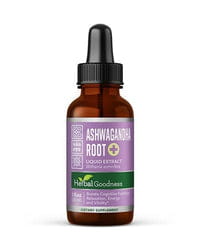
Care is also invested in ensuring supplemental roots and herbs reach you with maximum potency and purity. This standard of care is clear in innovative supplements like the Ashwagandha Root Liquid Extract - Organic - Energy & Mood, where sourcing and processing uphold quality every step of the way.
Processing for Supplements
- Drying: Sun-drying or mechanical drying decreases moisture content, maximizing shelf life and safeguarding natural compounds.
- Grinding or Slicing: Cleaned roots are either ground into powder or sliced, depending on the desired finished format.
- Testing and Quality Assurance: Responsible producers regularly test for purity, moisture, and unwanted contaminants to uphold product standards.
These steps reflect the journey of herbs in many supplement forms. Whether enjoying a root infusion or trying out blended Bulk Herbs & Roots - Organic 4oz Bags - Herbal Tea, quality control and transparency are always priorities.
What to Look for in Ethically Sourced Ashwagandha
As a consumer, you play an important role in supporting sustainable sourcing by looking for certain indicators:
Certifications and Transparency
- Organic Certification: Verify stamps from recognized organizations such as USDA Organic or India Organic.
- Third-Party Testing: Look for brands that test for residual chemicals, heavy metals, and quality.
- Traceability: Reputable companies provide details on country of origin, farming cooperative, and harvest season, as demonstrated by the Papaya Leaf Extract - - Organic 16oz 15X Liquid Extract, which includes clear disclosures and third-party testing results for peace of mind.

Brand Commitment to Sustainability
Brands committed to sustainability will share stories from the field, partner with smallholder farmers, and invest in environmentally friendly packaging or programs that give back to the land. When selecting your wellness essentials, consider those who offer Bulk Herbs & Roots - Organic 4oz Bags - Herbal Tea and adaptogenic options like Sea Moss - Raw Dried from St Lucia - 8oz Bag - Nature's MultiVitamins, produced with an eye toward environmental responsibility.
Supporting Farmers and Communities
Ethical sourcing isn’t just about plant health—it’s closely tied to the welfare of farmers and their communities. Fair trade initiatives and direct partnerships empower growers, supporting education, healthcare, and infrastructure improvements. By choosing ethically sourced ashwagandha, you are voting for social responsibility and lasting positive change. Brands that offer herbal products in bulk, such as Bulk Herbs & Roots - Organic 4oz Bags - Herbal Tea, often participate in these community-empowering initiatives.
The Future of Ashwagandha Cultivation
With global demand on the rise, the future of ashwagandha lies in responsible stewardship:
- Agroforestry Integration: Planting ashwagandha with other crops supports biodiversity and soil conservation.
- Research and Innovation: Ongoing research into optimal growing conditions, pest management, and harvest timing continues to improve yields and sustainability. These practices are mirrored in the responsible harvesting of superfoods and adaptogens throughout the industry, much as seen with premium Sea Moss - Raw Dried from St Lucia - 8oz Bag - Nature's MultiVitamins.
- Consumer Awareness: As more people learn about the journey from field to supplement, demand for transparency and responsible sourcing is expected to grow, shaping the market for years to come.
Conscious choices empower you to enjoy ashwagandha’s time-honored benefits while protecting the very environments in which it grows. Prioritizing sustainable sourcing, traceability, and support for local communities ensures that ashwagandha remains a cherished part of global wellness traditions, now and for generations ahead.
FAQs:
- Where is ashwagandha typically grown?
Ashwagandha is most commonly grown in the arid and semi-arid regions of India, particularly in Madhya Pradesh, Rajasthan, and Uttar Pradesh. Smaller quantities are also cultivated in Nepal, Pakistan, North Africa, and parts of the Middle East.
- What is the difference between wild-harvested and farmed ashwagandha?
Wild-harvested ashwagandha is foraged from its natural environment, preserving biodiversity but potentially impacting wild populations if not managed well. Farmed ashwagandha is cultivated on dedicated farmland, allowing for greater consistency and traceability.
- How can I identify sustainably sourced ashwagandha?
Look for certifications such as USDA Organic and third-party quality assurance. Check if the brand provides information about the region of origin, relationships with local farmers, and sustainable farming or harvesting practices.
- Why does the harvesting season matter for ashwagandha quality?
Roots harvested at full maturity—usually after 5 to 6 months—tend to provide superior quality in terms of size, texture, and retention of natural compounds important for supplement production.
- What are the environmental benefits of sustainable ashwagandha sourcing?
Sustainable sourcing supports soil health, conserves water, maintains regional biodiversity, and reduces reliance on synthetic inputs. It also benefits local farming communities through fair trade practices.
Author Name:
Herbal Goodness Editorial Team
Author Bio:
The Herbal Goodness Editorial Team specializes in holistic health and superfoods, blending science and nature to educate and empower our community.
References:
Introducing Graviola to Young Taste Buds: Fun, Family-Friendly Flavor Exploration
Graviola in the Classroom and at Home: Creative Activities to Teach Kids About Tropical Plants
Share this

Popular posts


FAQs
1. What are the main benefits of drinking bamboo leaf tea?
Drinking bamboo leaf tea supports hydration, relaxation, skin wellness, and antioxidant balance.
2. What is bamboo leaf extract used for?
It’s used for general body wellness, skin elasticity, hair and nail support, and overall vitality.
3. Can bamboo leaf help with skin care and body wellness?
Yes, bamboo leaf is rich in silica and antioxidants, which promote healthy skin, strong nails, and a youthful glow.
4. What forms of bamboo leaf are available?
You can find dried bamboo leaf, powder, extract, drops, oil, and bamboo leaf green tea.
5. Are there any side effects of bamboo leaf?
Bamboo leaf is generally safe when consumed in moderation. Always consult your healthcare provider before starting any new herbal supplement.