What 'Top-Rated' Means for Herbal Skin Supplements: A Beginner’s Guide
Exploring Top-Rated Herbal Skin Supplements: A Beginner's Introduction
The world of herbal skin supplements is filled with dazzling claims, shiny “top-rated” badges, and a wide array of review stars. For the wellness-minded beginner, this landscape can be as overwhelming as it is promising. Many ask: What does it really mean when a plant-based skin supplement is called "top-rated"? Are all these badges and reviews trustworthy indicators, or is there more to the story?
This guide takes you beyond hype. It breaks down what truly matters in reviews, how to interpret labels, why lab tests and certifications matter, and what those “top-rated” signals can (and cannot) tell you. By the end, you’ll feel more empowered to spot genuine quality and make informed choices with a discerning eye.
Understanding 'Top-Rated': Beyond the Star Ratings
In herbal wellness, the phrase “top-rated” carries weight. But what determines that coveted label? While it often references high scores on popular retail or review platforms, the reality is more nuanced:
- Review Quality: Not all reviews are created equal. Authentic feedback tends to describe real experiences with product taste, texture, and effects, without sounding exaggerated or scripted.
- Review Quantity: A single 5-star review says little, while hundreds of consistent ratings may signal broader satisfaction.
- Source of Ratings: Ratings from independent third-party platforms may differ from those on brand websites. Some platforms verify purchases, which boosts review credibility.
Remember: While positive reviews are encouraging, it's important to read a mix of positive and critical feedback. Patterns, rather than isolated stories, provide the best insights.
How to Assess Supplement Review Platforms
Navigating supplement review sites can feel tricky. Here are key points to consider:
- Verified Purchase Reviews: Some platforms (like Amazon) tag reviews from buyers who've actually purchased the item. These carry more weight than unverified testimonials.
- Detailed Feedback: Look for reviews that go beyond “It worked!” Credible reviews often mention taste, daily use, or comparison to other products.
- Watch for Red Flags: Overly generic praise (“Best supplement ever!”) or similar phrasing across reviews may hint at incentivized feedback.
- Supplement-Specific Communities: Independent forums or wellness blogs may offer more in-depth, experience-based commentary, though opinions may vary widely.
Why It Matters: Understanding review context helps you differentiate between authentic user satisfaction and possible exaggeration.
Demystifying Supplement Labels: What to Look For
Supplement labels are a goldmine of information—if you know what to look for. Here’s what beginners should pay attention to:
- Ingredient Transparency: Quality supplements list the plant source, extract ratio (e.g., 10:1), and sometimes even the origin of raw ingredients. Check if a plant-based formula such as Radiantly Good Looking - 2fl.oz - Skin & Anti-Aging clearly displays both botanical and common plant names.
- Serving Size and Dosage: Clear serving instructions and measured ingredient quantities are a sign of reputable labeling.
- No Fillers or Additives: Watch for unnecessary additives, flavorings, or artificial colors—these signal a more processed product.
- Botanical Names: Including both the common and Latin name (e.g., Aloe vera) helps ensure you’re getting the plant you expect.
- Manufacturing Quality Marks: Some labels feature marks such as “GMP” (Good Manufacturing Practices) or “Vegan,” offering a quick snapshot of third-party validations.
Tip: The more specific and transparent the label, the more confidence you can place in what’s inside each bottle or capsule.
The Role of Third-Party Lab Tests and Certificates of Analysis (COA)
Independent lab testing is a key differentiator among plant-based supplements, especially when it comes to product safety and ingredient accuracy.
-
What Is a COA?
A Certificate of Analysis (COA) is a lab-issued document that details what was found during testing of a supplement batch. This can include the amounts of key plant compounds, the presence of heavy metals, and a brief rundown of purity checks. -
Why It Matters: Lab-tested supplements provide extra assurance that what’s on the label matches what’s in the jar, and that the product was screened for impurities. Many reputable brands share batch-specific lab results for clear traceability; for instance, Beauty Builder - 1oz 15X Liquid Extract - Anti-Aging & Skin Elasticity posts this information on their site.
-
How to Read a COA: Look for sections that mention the plant’s main active ingredients, any test limits set for purity, and whether results “Pass” (met standard) or “Fail.”
-
Requesting Reports: Some brands, like Herbal Goodness, make COAs available upon request or on their website—the transparency alone is a mark of extra quality care.
Note: Not all “top-rated” supplements publish their lab results. Choosing companies that do shows a commitment to ingredient quality and safety.
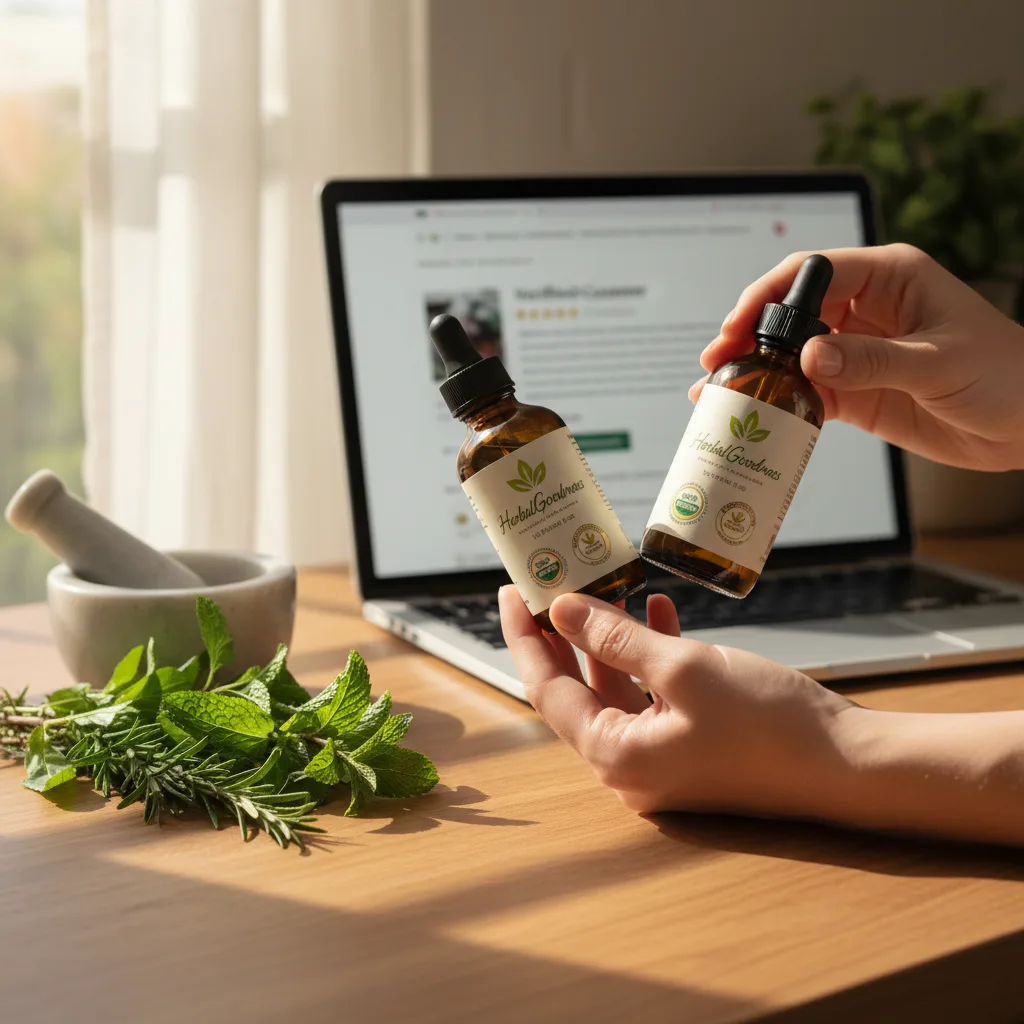
Understanding Certifications: Badges That Matter
Certifications are more than buzzwords—they hold supplements to verifiable standards in sourcing, processing, and quality.
- USDA Organic: Confirms no synthetic pesticides or fertilizers in production.
- Non-GMO Project Verified: Ensures the product contains no genetically modified organisms.
- GMP (Good Manufacturing Practices): Indicates the supplement was made in a facility held to strict quality standards. Radiantly Good Looking - Skin & Anti-Aging is one example carrying this mark.
- Vegan/Vegetarian: Certifies plant-only or animal-free ingredients.
- Gluten-Free, Allergen-Free: Useful for those with dietary sensitivities.
What to Watch: Sometimes labels feature singular claims (“All Natural”) that aren’t regulated. Prioritize badges from recognized, reputable certification bodies when shopping for plant-based skin supplements.
Ingredient Sourcing: The Foundation of Herbal Quality
Where, how, and under what conditions herbs are grown and harvested impact the final product’s character.
- Transparent Sourcing: High-integrity brands share sourcing details—farm regions, sustainable harvest practices, and small-batch sourcing are all positive signs. For example, the Sea Moss - Raw Dried from St Lucia - 8oz Bag - Nature's MultiVitamins specifically highlights its geographic origin and minimal processing.
- Fair Trade and Ethical Sourcing: These labels indicate a commitment to community support, biodiversity, and fair compensation for growers.
- Traceability: Some supplements offer batch numbers or QR codes that link back to farm or process data.
Why Sourcing Matters:
- Potency: Where and how a plant is grown influences its phytochemical content. Traditional herbs such as those in Papaya Leaf Extract - Organic 16oz 15X Liquid Extract are often prized for robust sourcing and minimal adulteration.
- Sustainability: Responsible sourcing helps protect plant populations and local ecosystems.
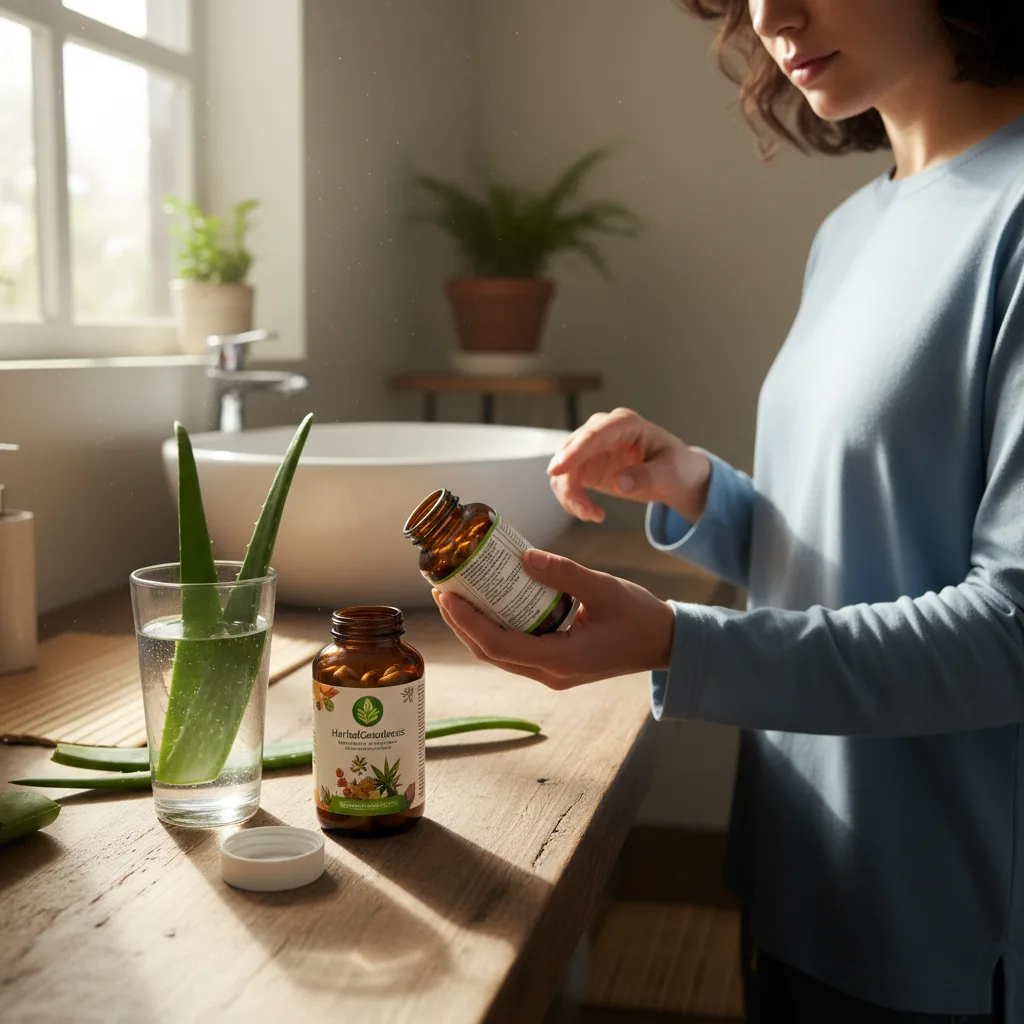
For those curious about what truly separates “top-rated” herbal brands, ingredient origin and transparency are foundational factors. Always look for detailed sourcing for products like Beauty Builder - 1oz 15X Liquid Extract - Anti-Aging & Skin Elasticity, which clearly specify how their botanicals are obtained and processed.
Spotting Red Flags in Herbal Skin Supplement Marketing
With so much positive language in marketing, it can be tricky to separate reliable signals from “too good to be true” claims.
- Unregulated Claims: Be wary of supplements that make definitive statements about skin transformation or results.
- Lack of Transparency: If lab reports, ingredient details, or sourcing information aren’t available, proceed with caution. A lack of any mention of certification or unclear sourcing sections on supplements means it might be prudent to consider an alternative like Radiantly Good Looking - 2fl.oz - Skin & Anti-Aging.
- Inflated Ratings or Unusual Badges: Look for clear explanations of what “top-rated” means—if it’s based on a single platform or a small selection of reviews, it may not represent the full picture.
- Fine Print and Hidden Ingredients: Disclose blend amounts and inactive ingredients—products that don’t may not have the integrity you expect.
- Aggressive Sales Techniques: Pressure to buy now, or “miracle” phrasing, typically indicates more marketing than substance.

A Beginner-Friendly Decision Checklist
As you explore plant-based skin supplements for the first time, use this non-promotional checklist:
- Read several detailed, verified reviews—both positive and neutral.
- Check if the supplement’s label lists clear ingredient sourcing and extraction ratios. For a practical example, look to Papaya Leaf Extract - Organic 16oz 15X Liquid Extract for sourcing clarity.
- Ask the brand for a batch-specific Certificate of Analysis (COA). Prioritize companies that make this level of documentation readily available (similar to Beauty Builder - Anti-Aging & Skin Elasticity).
- Look for meaningful certifications like Organic, Non-GMO, or GMP.
- Assess if the brand shares its sourcing and sustainability efforts. Well-documented origin stories, as shown with Sea Moss - Raw Dried from St Lucia, are promising.
- Watch for red-flag claims and overpromising language.
- Compare similar products to identify consistent strengths and differences.
Final Thoughts: Building Confidence as an Herbal Supplement Beginner
It takes more than a badge or a five-star rating to truly define a “top-rated” herbal skin supplement. As you become more familiar with reading reviews, interpreting labels, and recognizing transparent brands, your skill in evaluating supplements will grow—helping you make choices that genuinely align with your values and wellness intentions.
As always, if you have questions about herbs, ingredients, or supplement types, seek out information from trusted sources and certified professionals before adding a new product to your regimen.
FAQs:
- How do I know if a 'top-rated' skin supplement is actually high quality?
Look beyond the star rating. Check that there are numerous verified, detailed reviews. Read labels for transparency in ingredients and certifications, and look for the availability of third-party lab results for added assurance.
- What is a Certificate of Analysis (COA) in supplements?
A COA is a report from an independent lab that verifies ingredient amounts and tests for purity, providing confidence that what’s on the supplement label matches what’s in the product.
- Why do some reviews sound fake or overly positive?
Some brands incentivize reviews or filter out critical feedback. Genuine reviews usually mention specific experiences, mention taste or usage, and vary in positivity.
- Do certifications like 'Organic' or 'Non-GMO' matter for skin supplements?
These certifications confirm certain quality and production standards and can help consumers choose supplements aligned with their wellness and sourcing preferences.
- How can I compare different herbal skin supplements effectively?
Compare by reading independent reviews, analyzing label and ingredient transparency, checking for lab testing, and considering the sourcing and certification details provided by each brand.
- What are red flags when buying herbal skin supplements online?
Be cautious of products with vague ingredient lists, lack of third-party lab information, unverified reviews, or exaggerated marketing claims.
- Why is ingredient sourcing important for herbal skin supplements?
The region and farming methods can impact the supplement’s plant composition and overall quality, while responsible sourcing helps ensure sustainability and ethical practices.
Author Name:
Herbal Goodness Editorial Team
Author Bio:
The Herbal Goodness Editorial Team specializes in holistic health and superfoods, blending science and nature to educate and empower our community.
References:
Introducing Graviola to Young Taste Buds: Fun, Family-Friendly Flavor Exploration
Graviola in the Classroom and at Home: Creative Activities to Teach Kids About Tropical Plants
Why Social Impact Matters in Plant-Based Wellness