What to Ask and Try When You Type Mullein Tea Shop Near Me: A Local Tasting Guide

Sometimes the rich world of herbal teas calls us off the internet and into our neighborhood—especially when your search for “mullein tea shop near me” sparks genuine curiosity about what’s truly available close by. Stepping inside a local tea shop can be both inspiring and a little overwhelming, especially if you’re new to exploring mullein tea in person. This guide provides a clear, practical roadmap for what to look for, what to ask, and how to make the most of your in-store mullein tea experience.
Rather than wandering the aisles unsure, you’ll discover how to request sample steeps, interpret clues about quality, and engage with vendors about sourcing and sustainability. Think of this as your expert companion—so you can make informed decisions and discover the best quality mullein tea with confidence, whether you want to buy a loose-leaf blend, organic selection, or something truly unique.
Mapping Your Visit: Why Explore a Local Mullein Tea Shop?
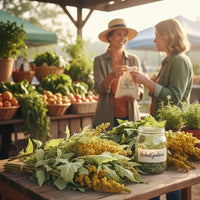
Typing “mullein tea shop near me” reveals fresh possibilities—not just for purchase, but for a deeper, sensory exploration of mullein leaf varieties. Shopping in person allows you to:
- See, touch, and smell loose mullein leaves before buying.
- Ask about harvest details, sourcing practices, and shop standards.
- Try sample brews for immediate, firsthand experience.
- Discover premium or organic mullein teas unique to local shops.
- Engage in conversation with knowledgeable staff for tips and answers.
Visiting neighborhood shops is also a wonderful way to support sustainable business practices and connect with the story behind your cup of tea. Those interested in expanding their selection can also seek organic herbal blends, such as the Organic Herbal Tea Trio – Build-Your-Own Bundle, which can give variety seekers a diverse experience.
What Questions Should You Ask When Shopping for Mullein Tea?
The best way to ensure you find high quality mullein tea for sale is by asking thoughtful, open-ended questions. Here are essential topics to explore with a vendor or tea specialist:
Where is the Mullein Sourced, and Is it Organic?
Ask about the geographical origin of the mullein leaves. Is it cultivated or wild-harvested? Was it grown organically or with minimal interventions? Premium mullein tea often comes from farms or cooperatives committed to clean, sustainable practices. Knowing the origin can help you spot high quality, fresh mullein that aligns with your values.
When Was This Mullein Harvested or Packaged?
Freshness plays a tremendous role in herbal tea quality. Ask a vendor when the batch was harvested and if it’s from the most recent season. Tea shops with transparent sourcing usually display harvest or packaging dates on their bins. Fresher leaves will retain more aroma and subtle flavor notes, making your purchase feel more worthwhile. As an alternative in-store, consider bulk options, such as Bulk Herbs & Roots Online for Tea, which allow for assessment of freshness firsthand.
Can I Try a Sample Cup or Smell the Loose Leaves?
Most reputable tea shops will gladly prepare a small sample steep or allow you to smell loose mullein. Sampling helps you:
- Judge the leaf’s aroma (should be slightly sweet, earthy, and clean)
- See the texture and color up close
- Experience the flavor before you shop
Don’t hesitate to politely request a taste—it’s an excellent way to confirm freshness and make a more enjoyable purchase.
Are There Sustainable or Low-Waste Packaging Options?
If sustainability is important to you, ask if the shop offers bulk mullein leaf, refill stations, or compostable packaging. Many tea shops are passionate about limiting waste and offer incentives for bringing your own container or choosing eco-friendly packaging. For the truly eco-minded, shopping mullein tea in bulk, like our organic herbal teas, enables limiting waste while supporting local shops.
What Is the Shop’s Approach to Quality Control?
It’s fair to ask how the tea shop ensures purity and maintains high product standards. Look for answers about batch testing, trusted suppliers, and a commitment to organic or pesticide-free sourcing. Transparent vendors appreciate informed customers.
Simple Sensory Cues for Judging Mullein Tea Quality in Person
Once you’re at the shop, your senses become your best guide for finding premium mullein leaf. Here’s how to use them effectively:
Appearance and Color
- Fresh mullein leaves: Light green to silvery-green, soft and fluffy appearance
- Stale or old mullein: Smudgy brown, brittle, or dusty-looking leaves
- Loose leaf premium: Evenly sized, minimal dust at the bottom of the bin
Aroma
- High quality: Sweet, slightly floral, and earthy scent; subtle and pleasant
- Aged or poor quality: Musty, dull, or off-putting odors may signal poor storage
Texture
- Fresh cut: Soft, velvety, and springy to the touch
- Older stock: Dry, crumbly, or overly coarse
Flavor (If Sampling)
- Premium mullein: Mild, smooth, and soothing flavor; not bitter or harsh
- Low quality: Faint, stale, or overly astringent taste
By following these cues, you can confidently buy mullein tea that offers the best sensory and sipping experience.
How to Read Loose-Leaf Cuts, Origin Notes, and Harvest Labels
Understanding the language of tea shop labels empowers you to identify the best quality mullein tea available.
Loose-Leaf Cuts
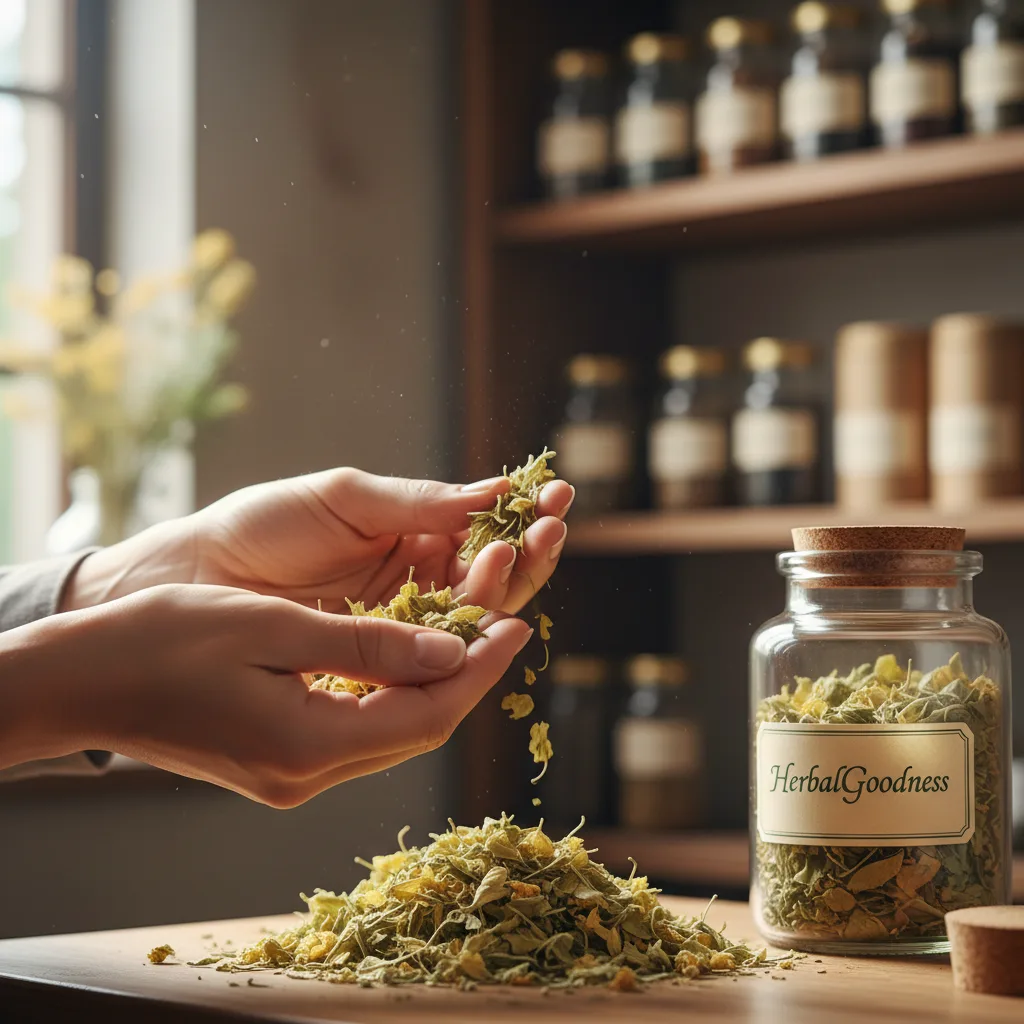
- Whole leaf: Larger, fluffier pieces; signals gentle processing and retention of compounds
- Broken or dust: Smaller, fragmented leaves; may lose strength faster and indicate lower grade
Whole leaf mullein often commands a premium price because of its quality—something to pay attention to if you’re shopping for the very best.
Origin and Harvest Notes
- Region: Some shops note if mullein is Appalachian-grown, European, or from other regions
- Harvest season: Spring and early summer harvests are prized for their vibrancy
- Wild vs. cultivated: Wildcrafted mullein often has subtle flavor variations and appeals to those seeking more traditional options.
Additional Label Insights
- Certified organic or “pesticide-free” often signifies adherence to higher quality standards.
- Look for batch numbers or best-by dates to ensure peak freshness and shop only the latest stock.
Engaging with Vendors: Building Trust and Finding the Best Mullein Tea for Sale
In-store staff can dramatically promote your buying experience. Here are ways to make your interaction smoother and more rewarding:
- Mention you’re exploring mullein tea and share your curiosity—it often leads to thoughtful recommendations.
- Ask for guidance between bulk, bagged, or specialty formats such as mullein tea blends or loose leaves from premium sources.
- If Herbal Goodness mullein is available, inquire about its botanical sourcing or unique preparation standards to learn more about what sets it apart.
- Don’t feel pressured to buy right away; most shops appreciate you taking time to make an informed choice.
This open, friendly interaction ensures that you feel empowered when making that final choice, whether you shop immediately or return in the future.

Exploring Mullein Tea Formats and Value: What to Look for Before You Order
When shopping for mullein tea in person, you may encounter various formats, each with unique benefits:
Bulk Loose Mullein Leaf
- Typically sold by the ounce or gram in bulk bins
- Lets you inspect freshness and aroma directly
- Often best value and lower-waste option—for further value, check Bulk Herbs & Roots Online for Tea, which carry herbal options ideal for blending or daily use.
Bagged or Pre-Portioned Tea
- Convenient for quick preparation
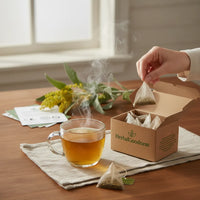
- May limit hands-on inspection, so check for quality certifications on the box. For ready-to-brew convenience, Mullein Leaf Tea Organic 24 Bags keeps things simple at home.

Blends and Specialty Infusions
- Some shops offer mullein blended with other compatible botanicals
- Can provide unique taste experiences—always ask to see ingredient lists or request to sample. This is where products like Wellness Tea Blends – 4oz Organic Premium Herbal Infusions shine for those looking to expand their tasting adventure.
When comparing prices, remember that best quality mullein tea may be sold at a premium, especially if it is organic, wildcrafted, or locally sourced. Ask about in-house or seasonal specials for the best price when you buy mullein tea from smaller shops.
Sustainability and Ethical Sourcing: Questions for the Conscious Shopper
If you are committed to mindful shopping, take time to discuss sourcing with the vendor:
- What are the tea shop’s partnerships with growers or cooperatives?
- Does the shop prioritize low-waste packaging or support local farmers?
- Are there certifications (such as USDA Organic or Non-GMO Project) for certain mullein teas?
Vendors who take pride in sustainable practices will be eager to share details about the journey from mullein seed to cup. Opting for options like our organic herbal teas can further sustainable intentions by minimizing packaging waste.
Making Your Choice: Bringing Home the Best Quality Mullein Tea
By the end of your shop visit, you’ll be ready to confidently pick the mullein tea that aligns with your senses, values, and flavor preferences. Choose options that reflect:
- Freshness and vibrant appearance
- Transparent sourcing and organic standards, if desired
- Sustainable, low-waste packaging
Keep in mind that every local shop has its own specialty—explore, ask questions, and trust your instincts when selecting what to buy.
This roadmap ensures that every time you type “mullein tea shop near me” and step inside a store, you’re prepared to find the premium, organic mullein tea you desire.
FAQs:
- How can I judge the freshness of mullein tea in a local shop?
Fresh mullein tea usually appears light green to silvery with a soft texture and a sweet, gentle aroma. Stale leaves may look brown, brittle, or dusty and smell musty. Don’t hesitate to ask if you can see or smell loose leaves before you buy.
- What should I ask when looking to buy mullein tea in-store?
Ask about the origin, whether the mullein is organic or wildcrafted, the most recent harvest or packaging date, and if you can sample a steep. Also inquire about the shop’s sourcing standards and available packaging options.
- Are there benefits to choosing organic or premium mullein tea at local shops?
Organic and premium mullein teas often come from farms committed to sustainable practices and may offer a fresher taste and higher leaf quality. Selecting organic is also a great choice for those prioritizing eco-friendly sourcing.
- Where can I find the best price or special offers on mullein tea?
Many local tea shops feature seasonal specials, bulk discounts, or loyalty programs that help you find the best price. It’s beneficial to ask vendors about current deals or value formats when shopping.
- How do bulk, bagged, and blended mullein tea formats differ?
Bulk loose leaf lets you assess freshness yourself and is usually more economical and eco-friendly. Bagged tea offers convenience, while blended options provide unique flavor experiences. Always check for ingredient transparency and origin notes.
- What packaging options support sustainability when you shop mullein tea locally?
Look for compostable or recyclable packaging, bulk bins, and refilling stations. Many shops offer discounts for bringing your own container, helping you reduce waste while buying quality mullein tea.
- Is it helpful to sample mullein tea before buying?
Yes. Sampling allows you to experience aroma and flavor firsthand and ensures you’re satisfied with the freshness and quality before making a purchase.
Author Name:
Herbal Goodness Editorial Team
Author Bio:
The Herbal Goodness Editorial Team specializes in holistic health and superfoods, blending science and nature to educate and empower our community.
References:
Mullein – National Center for Complementary and Integrative Health