





What Soursop Leaf Tea Color and Aroma Reveal About Freshness

Few moments are as comforting as the preparation of a warm cup of herbal tea. For many, soursop leaf tea is a new discovery—an infusion celebrated for its unique flavor and inviting scent. While sipping is a pleasure, there is as much to be learned from observing the cup before tasting. The journey from leaf to kettle brings forward subtle lessons: the color, aroma, and even subtle details of your brewed soursop leaf tea tell a story about freshness, quality, and your personal ritual. Let’s explore what these sensory cues reveal, and how beginners can craft an engaging, adaptable tea experience—one cup at a time.
Visual and Aromatic Cues: The Language of Soursop Leaf Tea
Every freshly brewed cup of soursop leaf tea offers silent cues to guide your senses. Paying close attention to color and aroma isn’t just for experienced tea aficionados: anyone, even a complete beginner, can easily learn to interpret these signals to assess freshness, quality, and brewing technique.
Understanding Color in Soursop Leaf Tea
The hue of your brewed tea serves as a gentle communicator, hinting at leaf age, processing, and brewing methods. When you pour hot water over soursop leaves, the transformation is immediate, and what happens next depends on several factors:
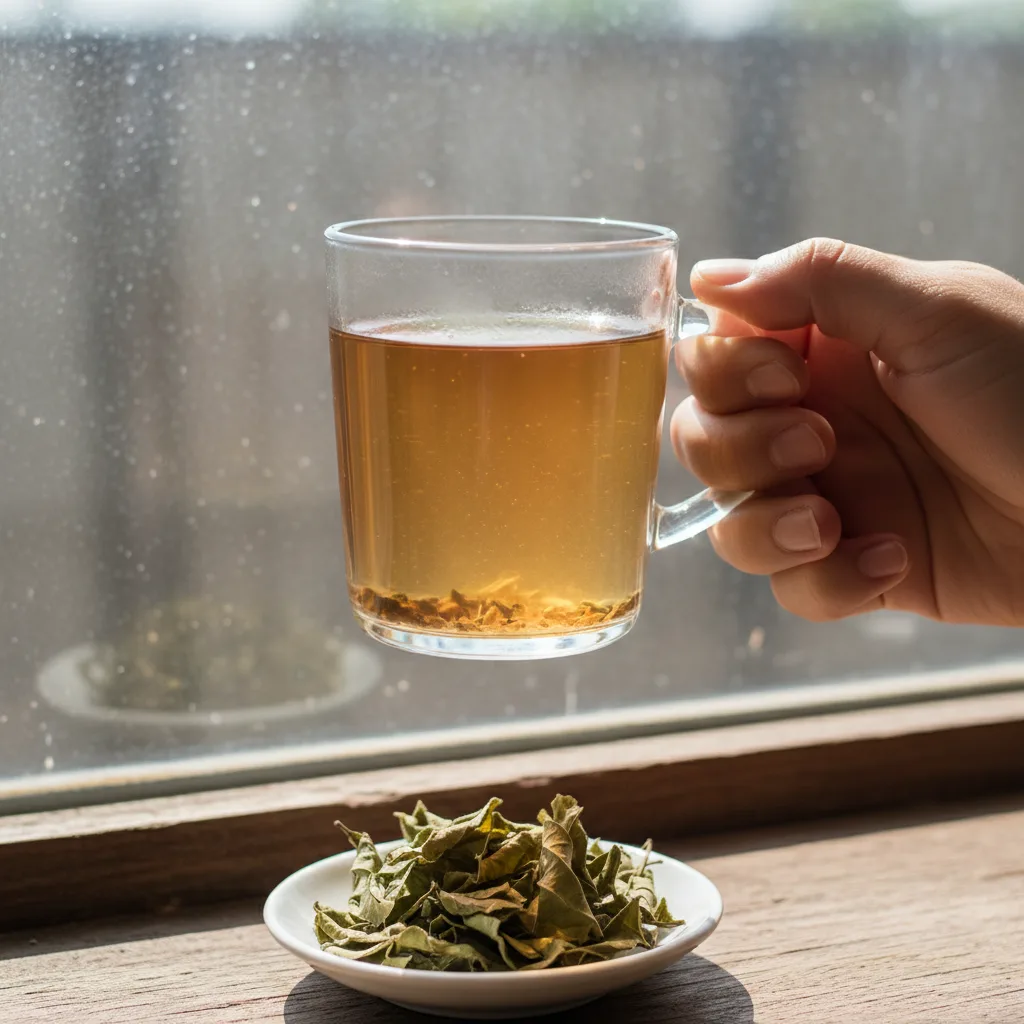
- Leaf Age: Freshly dried, recently harvested soursop leaves are likely to yield a brighter golden-green, while older leaves may veer toward a deeper, earthier brown as volatile compounds gently fade.
- Processing Method: Leaves that are air-dried tend to preserve more vibrant, lighter tones. Sun-drying or pan-drying, on the other hand, imparts darker, richer shades due to prolonged exposure to heat and air.
- Brewing Technique: A short steeping time yields a pale infusion, often mild in both aroma and taste. Longer steeping times or hotter water extract more plant compounds, deepening both the color and strength of the tea.
Enjoying a cup of Soursop Leaf Tea | Organic Graviola 24 Bags | Soursop Tea Benefits for Immunity & Wellness can help you easily interpret these color cues, as the tea's vibrant hue is a direct reflection of the leaf quality and preparation methods.
What Each Color Suggests
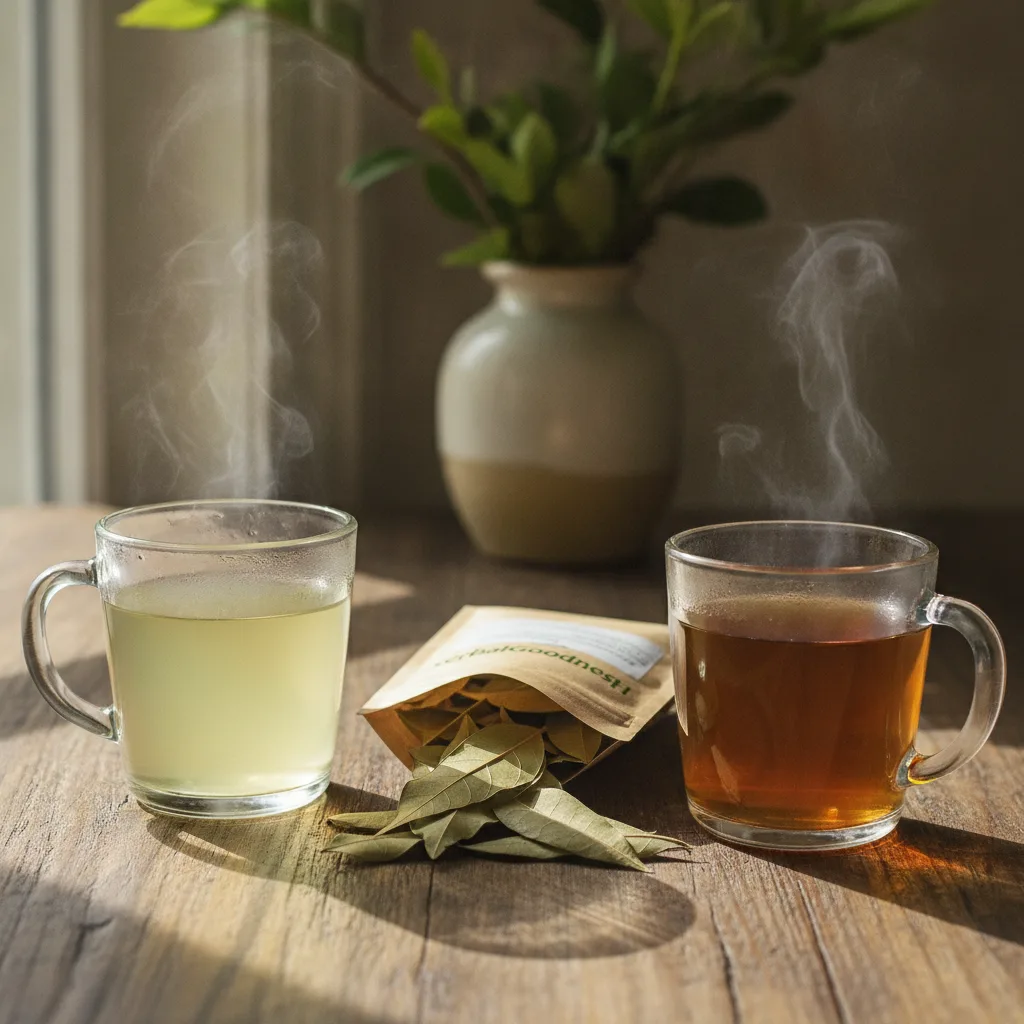
- Light yellow-green: Suggests fresher leaves, lighter drying, or a gentle simmer; often paired with a more delicate flavor.
- Richer golden or amber: May indicate mature leaves, slightly longer steeping, or a combination of sun and air drying.
- Dark brown: Could reflect older leaves or extended steeping—sometimes a sign to check leaf freshness for maximum enjoyment.
The Scent of Freshness: Assessing Soursop Tea Aroma
Aroma is a powerful messenger, carrying hints of the soursop plant’s natural chemistry straight to your senses. The smell of your soursop leaf tea carries information about leaf type, age, and your technique.
- Fresh Leaves: Look for a crisp, grassy, lightly floral scent. This typically points to well-preserved leaves.
- Older Leaves or Overbrewing: If you notice a dull, woody, or muted aroma, the leaves may have aged or brewed too long, releasing tannins that can overpower subtle notes.
- Processing Impact: Gently dried leaves retain a clean, slightly sweet fragrance, while leaves subjected to higher temperatures exhibit toasted, earthy, or nutty undertones.
Approach your tea with curiosity. Take a breath before your first sip and note how the initial scent changes as the cup cools.
Leaf Age, Drying, and Their Influence on the Cup
Learning the journey of your soursop leaves—how and when they are picked, dried, and handled—lays the foundation for understanding the final cup.
If you’re seeking different herbal experiences, Organic Papaya Leaf Tea | 24 Premium Bags – Caffeine-Free is another excellent option, providing a comparable sensory journey with its distinctive color and aroma.
How Leaf Age Affects Your Brew
- Newly Harvested Leaves: The color and aroma are vibrant—expect lively herbal notes and a lighter hue.
- Aged Leaves: Blunt or faded appearance in both scent and taste can signal leaves that have sat too long or have not been correctly stored.
Drying Methods: Air, Sun, or Pan
- Air-drying: Usually creates a leaf that brews into a clear, verdant cup with bright aromatics.
- Sun-drying: Often yields a deeper golden to amber shade, with a more pronounced, rounded aroma.
- Pan-drying: A process involving gentle heating, producing a richer infusion with a subtle roasted tang.
Each drying method brings a different element to the cup, meaning that aroma and color will shift depending on the producer’s practices.
Brewing Choices: Time, Temperature, and Sensory Results
The ritual of brewing soursop leaf tea is as customizable as your preference for color and aroma. The choices you make at this stage have perhaps the greatest impact on the look and scent of your tea.
For those who want to enhance their wellness routine, trying the Soursop Leaf Graviola Extract 15X Liquid | Organic Cell & Immunity provides a potent and convenient alternative to traditional brewing.
How Steeping Time Shapes the Experience
- Short Steep (2–3 minutes): Delicate aroma and lighter color—perfect for those who enjoy subtlety.
- Moderate Steep (4–6 minutes): Full-bodied infusion with a balance of depth in both hue and scent.
- Long Steep (7+ minutes): Strongly aromatic, robust colors, and pronounced plant character; some tannic sharpness may develop.
The Role of Water Temperature
- Optimal Range (175–185°F): Preserves fresh green color and essence, preventing excessive flavor extraction.
- Higher Temperatures (above 190°F): Quickly deepen color and draw out fuller, sometimes more bitter tastes; may mask finer aromas.
Experimenting with steeping and temperature lets you find the intersection of clarity and flavor that fits your taste—there’s no single right answer, only your personal preference shaped by observation.
For those who like to experiment with different wellness tea blends, Bulk Loose Leaf Teas & Tisanes - Organic 4oz - Herbal Wellness Teas provide versatile options to discover new sensory notes.

Sensory Checks for Freshness and Enjoyment
Several quick checks can help ensure that your soursop leaf tea experience is both fresh and enjoyable, whether you are preparing loose leaves, a bag, or a blend.
If you're committed to immune wellness, combining your tea ritual with Soursop Graviola Leaf Extract Capsules 10X | 60ct – Cell & Immunity can be a powerful daily addition.
What to Look For:
- Leaf Color Before Brewing: Vibrant green or olive hues are a good sign; faded or uneven coloring may signal age.
- Fragrance When Dry: Fresh soursop leaves often have a subtly sweet, vegetal, or herbal scent; musty or stale odors can indicate the need for fresher stock.
- Post-Brew Clarity and Aroma: Clear, bright appearance and appealing scent are linked to careful handling. If your cup is cloudy or the scent is off, review your brewing parameters or check the source of your leaves.
Trusting your eyes and nose helps develop confidence in selecting and preparing your tea, allowing you to gradually refine your preferences.
Customizing Your Soursop Tea Ritual
Building a soursop tea ritual isn’t only about correct technique—it’s also about crafting a personalized, enjoyable moment. Beginners may want to start simple: one heaping teaspoon of soursop leaves per cup, steeped in freshly boiled water at the right temperature, is often enough to reveal the tea’s true character. From there, small adjustments to time, temperature, or water quantity allow you to discover what suits your senses.
- Noting Your Favorites: Keep a journal or mental notes on leaf color, scent, and flavor—over time, you’ll zero in on your ideal cup.
- Seasonal Tweaks: You might find your preference for color and aroma changes with the weather or time of day. There are no rigid rules: your senses are the perfect guide.
- Sharing the Experience: Brewing tea can be a social or solitary delight. Explore varying steep times when serving guests, comparing each cup’s color and aroma to build shared appreciation.
For those looking to broaden their collection, the Organic Herbal Tea Gift Set | 24 Teabags Wellness Collection provides a thoughtful variety for every palate, making it easy to share sensory adventures.
Conclusion: The Soursop Leaf Tea Experience Begins With Your Senses
At its heart, tea appreciation is a sensory experience—one that starts long before the first sip. The color and aroma of your soursop leaf tea serve as daily guides to the freshness, care, and artistry involved in every batch. Whether you’re new to soursop or deepening an existing passion, mindful observation and playful experimentation bring the beauty of cup chemistry to life. With a few simple checks, you can assess leaf quality and tune your brewing process, making every cup uniquely your own.
Frequently Asked Questions
Question 1: How can I tell if my soursop leaf tea is fresh?
Answer: Check the vibrant green or olive color of the leaves before brewing and notice the fresh, grassy scent. Using Soursop Leaf Tea | Organic Graviola 24 Bags | Soursop Tea Benefits for Immunity & Wellness ensures a reliably fresh experience.
Question 2: What does the color of brewed soursop tea indicate?
Answer: A light yellow-green points to fresher leaves or gentle drying, while deeper golden or amber signals mature leaves or longer steeping. If you notice a dark brown, it may be time to refresh your stash or adjust your brew.
Question 3: How can I enhance my soursop tea ritual for wellness?
Answer: Consider pairing your tea with Soursop Leaf Graviola Extract 15X Liquid | Organic Cell & Immunity or Soursop Graviola Leaf Extract Capsules 10X | 60ct – Cell & Immunity for added daily benefits.
Question 4: Are there caffeine-free herbal tea options with similar sensory profiles?
Answer: Yes, Organic Papaya Leaf Tea | 24 Premium Bags – Caffeine-Free offers a vibrant and aromatic caffeine-free alternative.
Question 5: What brewing time produces the most aromatic soursop tea?
Answer: A moderate steep of 4–6 minutes tends to bring out full-bodied aroma and color. Adjust according to your personal taste preferences.
Question 6: What other herbal teas can I try for variety?
Answer: Explore Bulk Loose Leaf Teas & Tisanes - Organic 4oz - Herbal Wellness Teas or an Organic Herbal Tea Gift Set | 24 Teabags Wellness Collection to find new flavor and aroma combinations.
Experiment with your next cup of soursop leaf tea—observe its color and aroma, and tailor your brewing process for a truly personal tea ritual.
About the Author
Herbal Goodness Editorial Team
The Herbal Goodness Editorial Team specializes in holistic health and superfoods, blending science and nature to educate and empower our community.
References
Introducing Graviola to Young Taste Buds: Fun, Family-Friendly Flavor Exploration
Graviola in the Classroom and at Home: Creative Activities to Teach Kids About Tropical Plants
Share this

Popular posts


FAQs
1. What are the main benefits of drinking bamboo leaf tea?
Drinking bamboo leaf tea supports hydration, relaxation, skin wellness, and antioxidant balance.
2. What is bamboo leaf extract used for?
It’s used for general body wellness, skin elasticity, hair and nail support, and overall vitality.
3. Can bamboo leaf help with skin care and body wellness?
Yes, bamboo leaf is rich in silica and antioxidants, which promote healthy skin, strong nails, and a youthful glow.
4. What forms of bamboo leaf are available?
You can find dried bamboo leaf, powder, extract, drops, oil, and bamboo leaf green tea.
5. Are there any side effects of bamboo leaf?
Bamboo leaf is generally safe when consumed in moderation. Always consult your healthcare provider before starting any new herbal supplement.