What 'Organic' Really Means for Guayusa Loose Leaf Tea: Sourcing, Farming, and Environmental Impact

Guayusa loose leaf tea has gained international attention for its naturally energizing properties and smooth, earthy flavor. As conscious consumers increasingly seek environmentally friendly products, the "organic" label became a top consideration for tea lovers looking to support sustainable growing and ethical sourcing. However, what exactly does organic certification entail for guayusa? How does guayusa farming differ from other tea crops, and what environmental or social factors should you look for on the label? This guide provides a clear, approachable overview for anyone exploring the world of organic guayusa loose leaf tea.
Understanding Organic Certification for Guayusa
For guayusa loose leaf tea to be labeled "organic," it must comply with strict standards set by recognized certifying bodies. These rules are designed to promote the responsible production of crops while minimizing impact on the environment and supporting social responsibility.
What Does 'Organic' Certification Entail?
Organic certification typically means:
- No synthetic pesticides or herbicides are used at any stage of plant production
- No artificial fertilizers or genetically engineered seeds
- Sustainable soil fertility practices are employed, such as composting or crop rotation
- Preservation of biodiversity and protection of surrounding ecosystems
- Post-harvest handling avoids synthetic additives and contaminants
Certifications may include USDA Organic, EU Organic, or country-specific marks. These frameworks create accountability for farmers and processors, as regular audits, inspections, and documentation are required.
Why Is Organic Certification Important for Guayusa?
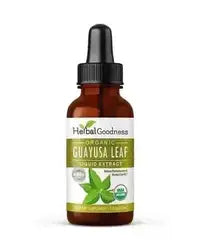
The certification is particularly important for guayusa, as the plant is native to the Amazon rainforest and traditionally cultivated by indigenous communities. Well-enforced organic standards help protect native flora, soil health, and local water sources from chemical residues while empowering farmers with safer, time-tested practices. Supporting organic products, such as Guayusa Leaf - Organic 1oz 15X Liquid Extract - Energy & Natural Caffeine, can play a central role in this effort.
The Journey of Guayusa: From Forest to Cup
Understanding how guayusa is grown can help you appreciate the environmental difference between organic and conventional options.
Shade-Grown vs. Monoculture Farming
One of the defining features setting guayusa apart is its traditional cultivation method:
Shade-Grown Agroforestry
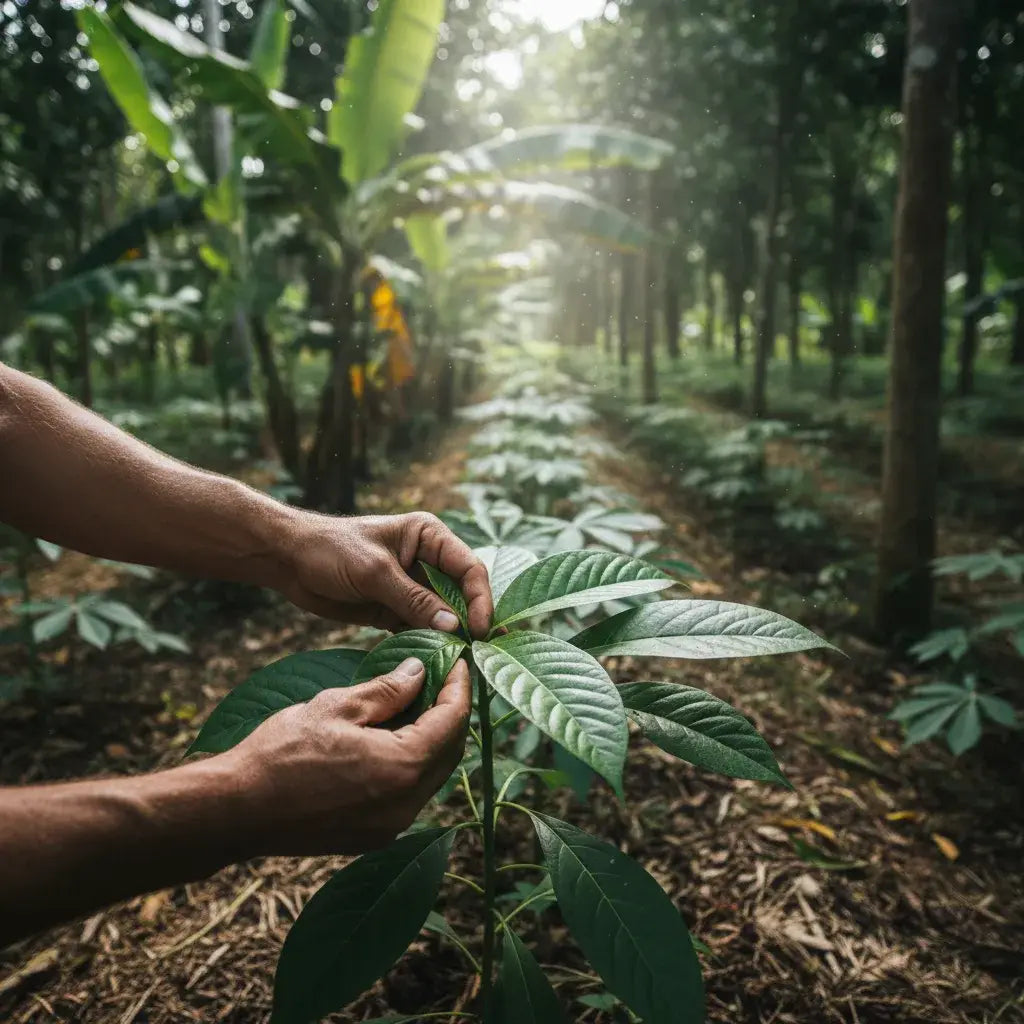
Organic guayusa is usually grown under the shade of diverse native trees—a practice known as agroforestry. In this system:
- Guayusa plants thrive in their natural habitat alongside other species.
- The canopy protects leaves from direct sunlight, preserving flavor and nutrients.
- Diverse plantings help mimic original forest conditions, supporting wildlife and beneficial insects.
- Soil moisture and fertility are maintained naturally by leaf litter and root systems.
Diverse agroforestry environments are similar to those where nutritious botanicals like Sea Moss - Raw Dried from St Lucia - 8oz Bag - Nature's MultiVitamins are sustainably harvested, reflecting a broader trend toward holistic, nature-preserving cultivation.
Monoculture and Its Challenges
By contrast, monoculture refers to farming a single crop in open fields without shade. While this can boost yields, it has drawbacks:
- Loss of biodiversity, making crops more vulnerable to pests
- Greater reliance on chemical inputs (not permitted in organic systems)
- Increased soil erosion and depletion of nutrients
Organic Practices in Guayusa Farming
Organic guayusa farming emphasizes:
- Manual weeding and natural pest management
- No chemical runoff, protecting rivers and aquatic life
- Composting and green manures to maintain soil structure
- Hand harvesting, ensuring minimal impact on the plant and surrounding area
These methods support a long-term balance, ensuring guayusa cultivation does not disrupt delicate Amazonian ecosystems. Similar eco-friendly principles are applied in our organic herbal teas, reinforcing the benefits of conscious agriculture.
Environmental and Social Factors in Sourcing Guayusa
Choosing organic guayusa means more than checking a certification stamp. The sourcing story behind your tea also matters—affecting both the land and the communities who tend it.
Environmental Advantages of Organic Guayusa
1. Forest Conservation: Shade-grown guayusa helps conserve rainforest acreage, providing vital habitat for birds, insects, and mammals. The agroforestry model actively supports reforestation efforts and combats deforestation trends in the Amazon.
2. Soil Nourishment: The organic approach prevents soil degradation and fosters healthy microbial communities within the soil, which keeps plants resilient and reduces the need for intervention.
3. Water Protection: Without synthetic chemicals, water runoff is safe for local rivers and streams. Traditional shade systems also regulate water cycling in the ecosystem.
4. Biodiversity Protection: Mixed-crop agroforestry retains the diversity of native species—far beyond simply growing guayusa alone.

Social Impact: Empowering Indigenous Communities
A significant portion of the world’s guayusa is still farmed by smallholder and indigenous communities in Ecuador and the broader Amazon. Key social considerations include:
- Fair trade policies and transparent supply chains
- Support for traditional knowledge and cultivation techniques
- Revenue that stays within local villages, funding education and infrastructure
- Empowering women and family farmers
By supporting organic and ethically sourced guayusa, consumers take a small but meaningful part in strengthening these communities' sustainable livelihoods. This ethical approach parallels brands committed to transparency in products such as Guayusa Leaf Extract Tea - Organic 24/2g - Energy & Focus Support - Herbal Goodness.
Evaluating Organic and Sustainability Claims on Guayusa Packaging
As interest in organic guayusa increases, so do the claims on packaging. Here’s how to make an informed choice:
Which Labels and Certifications Matter?
- USDA Organic, EU Organic, or comparable seals: Verify that the product was grown and processed without prohibited substances.
- Third-party fair trade certifications: Ensure that growers and workers receive a fair share of profits and are treated with dignity.
- B Corp, Rainforest Alliance, or similar: Broader recognition of environmental, social, and economic sustainability.
Reading Beyond the Label
Not all sustainability is certified, especially for small producers unable to afford annual certification fees. Research the brand’s sourcing information, how transparently they support farmers, and whether they invest in direct community programs. Supporting herbal teas with clear sourcing, like Herbal Tea Gift Set – Wellness Tea Gift Variety Collection - Organic 24 Teabags, ensures your cup supports both environmental and social standards.
Common Ethical Sourcing Red Flags
- Vague language about 'natural' or 'eco-friendly' without certification
- Little detail on origin or farmer relationships
- No information on shade-grown or agroforestry practices
Choose brands that invite you into their sourcing story with photos, stories, and clear documentation. This level of transparency is also valuable when considering the impact and authenticity of other premium botanicals, for example, Papaya Leaf Extract - - Organic 16oz 15X Liquid Extract.
The Taste and Aroma Difference: Why Organic Guayusa Stands Out
Organic guayusa lovers often note differences in flavor and aroma compared to conventional options. This is no coincidence—agroforestry and organic methods are closely tied to sensory quality.
Factors Affecting Taste in Organic Guayusa
- Shade Growth: Slower leaf development allows fuller natural flavors to develop.
- Soil Health: Nutrient-rich, living soil imparts subtle but significant complexity.
- Freshness: Direct relationships help ensure teas are harvested and shipped promptly, maximizing their freshness.
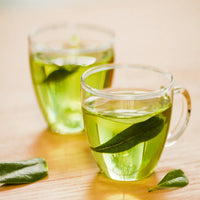
When brewed, organic guayusa reveals a naturally sweet, smooth profile with subtle herbal undertones—a result of careful, chemical-free cultivation. These features are akin to what tea lovers seek in carefully sourced products available in our organic herbal teas.
How to Select and Brew Organic Guayusa Loose Leaf Tea
Once you’re ready to try organic guayusa, knowing how to choose and prepare your tea will deepen the experience.
What to Look for in Loose Leaf Guayusa
- Vibrant, glossy whole leaves (not dust or small fragments)
- Aromas that are fresh and subtly sweet
- Packaging that protects from light and moisture
- Traceable sourcing information on the label
For a variety of organic loose leaf options, look to premium blends such as Guayusa Leaf - Organic 1oz 15X Liquid Extract - Energy & Natural Caffeine and the nature-focused our Bulk Herbs collection.
Simple Brewing Guide for Maximum Enjoyment
- Use 1-2 teaspoons per cup of water.
- Steep at just below boiling (about 200°F/93°C) for 5-7 minutes.
- Strain and savor as is, or finish with a slice of citrus, a sprig of mint, or a hint of honey for variety.
Experiment with ratios and steeping times to find your ideal flavor profile. Organic guayusa is naturally smooth and forgiving—a perfect introduction to premium loose leaf teas.
Making an Informed and Impactful Choice
Understanding what "organic" means for guayusa loose leaf tea helps you make choices that reflect your values. Certified organic, shade-grown guayusa is not only about what’s left out of the production process—but what is carefully nurtured for the long term. When you reach for truly sustainable guayusa, you contribute to resilient rainforests, thriving communities, and a richer tea experience with every cup.
FAQs:
- What does organic certification mean for guayusa loose leaf tea?
Organic certification for guayusa loose leaf tea ensures the tea is produced without synthetic pesticides, herbicides, or artificial fertilizers. It also means the farming follows sustainable practices that protect soil, water, and biodiversity, verified by recognized certifying organizations.
- How is organic guayusa different from conventional guayusa?
Organic guayusa is cultivated using natural farming methods, often within diverse, shade-grown agroforestry systems. Conventional guayusa may be grown in monoculture environments and can involve chemical inputs, impacting both flavor and environmental sustainability.
- Why is shade-grown farming important for guayusa?
Shade-grown farming helps preserve rainforest ecosystems, supports biodiversity, and maintains soil and water health. It provides a natural setting for guayusa, enhancing flavor and minimizing environmental impact.
- What social benefits are linked to organic guayusa sourcing?
Organic guayusa sourcing often involves fair trade principles, supporting smallholder and indigenous farmers. It helps drive community development, preserves traditional agricultural knowledge, and empowers local growers through equitable partnerships.
- How can consumers verify if guayusa is truly organic and sustainably sourced?
Look for credible third-party certifications like USDA Organic and Fair Trade, and review brand transparency regarding sourcing, farming practices, and direct support for local communities.
- Does organic guayusa taste different than regular guayusa?
Yes, organic guayusa often features a smoother, naturally sweet flavor profile thanks to shade-grown agroforestry practices and nutrient-rich soil, whereas conventional varieties may lack these nuanced notes.
Author Name:
Herbal Goodness Editorial Team
Author Bio:
The Herbal Goodness Editorial Team specializes in holistic health and superfoods, blending science and nature to educate and empower our community.
References:
Introducing Graviola to Young Taste Buds: Fun, Family-Friendly Flavor Exploration
Graviola in the Classroom and at Home: Creative Activities to Teach Kids About Tropical Plants