What Defines High-End Herbal Solutions? Guide to Quality & Sustainability

What Defines High-End Herbal Solutions? Guide to Quality & Sustainability
When shopping for herbal products, descriptors like “luxury,” “high-end,” or “premium” are everywhere—but what do they really mean? For consumers who want more than just a generic label, understanding what truly defines a high-quality herbal solution is essential. This guide takes a deep dive into sourcing origins, terroir, processing methods, small-batch craftsmanship, certifications, packaging, and ethical supply chains, so you can see past the marketing and make informed choices for your wellness journey.
Understanding the Hallmarks of High-End Herbal Products
The difference between standard and luxury herbal solutions often comes down to attention to detail at every stage—from seed to shelf. Let’s explore the key factors that set high-end herbal products apart in an increasingly crowded market.
The Meaning of “High-End” in the Herbal World
“High-end” isn’t just about price. Instead, it signals elevated standards in sourcing, crafting, and stewardship throughout the entire product lifecycle. Consumers seeking premium options typically look for:
- Rigorous ingredient selection
- Responsible and transparent sourcing
- Advanced, gentle processing techniques
- Certifications verifying purity and ethics
- Eco-friendly and thoughtful packaging
- Support for sustainability and fair practices
Sourcing: Origins, Terroir, and Traceability
The Importance of Ingredient Origins
Where a botanical is grown—and how—is a powerful predictor of its quality and potency. High-end herbal brands commonly emphasize:
- Single-Origin Sourcing: Herbs sourced from a specific region or farm tend to offer more consistency and traceability, reducing the risk of contamination or adulteration.
- Soil and Climate (“Terroir”): Like fine wine or coffee, the flavor profile, aroma, and phytochemical content of herbs can be influenced by their local environment—sunlight, altitude, rainfall, and soil conditions all play a part.
Traceability and Transparency
Top-tier producers invest in systems that allow consumers to trace ingredients back to their source. Look for products with:
- Lot numbers and batch codes you can check
- Storytelling about farms, harvesters, and communities
- Transparency about cultivation and harvesting practices
Processing Methods: Preserving Botanical Integrity
Traditional vs. Modern Extraction
High-end herbal solutions go beyond basic drying or milling. Extraction methods play a crucial role in preserving the beneficial compounds found in plants:
- High-Pressure/Cold Extraction: Used to gently draw out nutrients without degrading volatile compounds, which can be affected by heat. This can retain flavor and aromatics, as well as valuable plant constituents.
- Solvent-Free or Food-Grade Solvents: Premium products often specify the use of water, food-grade ethanol, or even CO2 for extraction, avoiding harsh chemicals.
- Whole-Herb vs. Standardized Extracts: Both have their place; whole-herb may maintain the full spectrum of compounds, while standardized extracts ensure consistent potency batch-to-batch.
Many users seek out products like Soursop Leaf Graviola Extract - - Organic 15X Liquid Extract - Cell Renew & Immunity, which highlight both modern extraction and single-origin sourcing in their creation.
Small-Batch Craftsmanship
In contrast to mass production, small-batch herbal preparations are closely monitored and crafted with attention to detail at every step:
- Hand harvesting and sorting
- Artisan blending by specialists
- Batch-testing for consistency and purity
This approach often leads to higher expenses but can improve quality control and the overall sensory experience.

Certifications: Trustworthy Markers of Quality and Ethics
When evaluating premium herbal products, certifications can help separate substantiated quality from clever marketing.
Types of Relevant Certifications
- Organic Certification: Verifies cultivation free from synthetic pesticides and fertilizers.
- Fair Trade: Indicates that growers and workers received fair compensation and worked in safe, ethical conditions.
- Non-GMO, Vegan, Kosher, or Halal: Serve special dietary or cultural values, reflecting a commitment to inclusivity and transparency.
- Third-Party Testing: Labs unaffiliated with the producer test for contaminants, adulterants, and verify potency.
With a variety of third-party certification and small-batch monitoring, items like Papaya Leaf Extract - - Organic 16oz 15X Liquid Extract showcase robust quality assurance for the discerning buyer.
What Certifications Don’t Tell You
While certifications are helpful, they are not infallible. Even within certified products, the difference in quality can come down to the producer’s philosophy and ongoing diligence. Batch-to-batch transparency is essential; seek high-quality Blood Platelet Plus - 60/600mg 20X Strength Capsule - Platelet Boost for options with detailed testing information provided.
Packaging: Beyond the Surface
Eco-Conscious and Functional Design
A high-end herbal experience is reflected in packaging that protects product integrity and aligns with sustainability values:
- UV-blocking or tinted glass jars: Shield botanicals from light to preserve freshness
- Recyclable or biodegradable materials: Reduce environmental footprint
- Tamper-evident seals: Offer extra peace of mind about safety
Products such as Soursop Leaf Tea Graviola Leaves - Organic 24/2g Tea Bags - Immunity & Cell Renew reflect this commitment, frequently featuring protective and sustainable packaging.
Information and Education
Top producers use their packaging to educate—not just to impress. You may notice:
- Detailed ingredient sourcing and extraction methods
- Clear storage and usage instructions
- Batch and expiry information
The presence of clear storage and batch information can be seen in offerings such as Papaya Leaf Extract - Organic 1oz 15X Liquid - Blood Platelet, giving consumers added confidence in their wellness routines.

Ethical and Sustainable Supply Chains
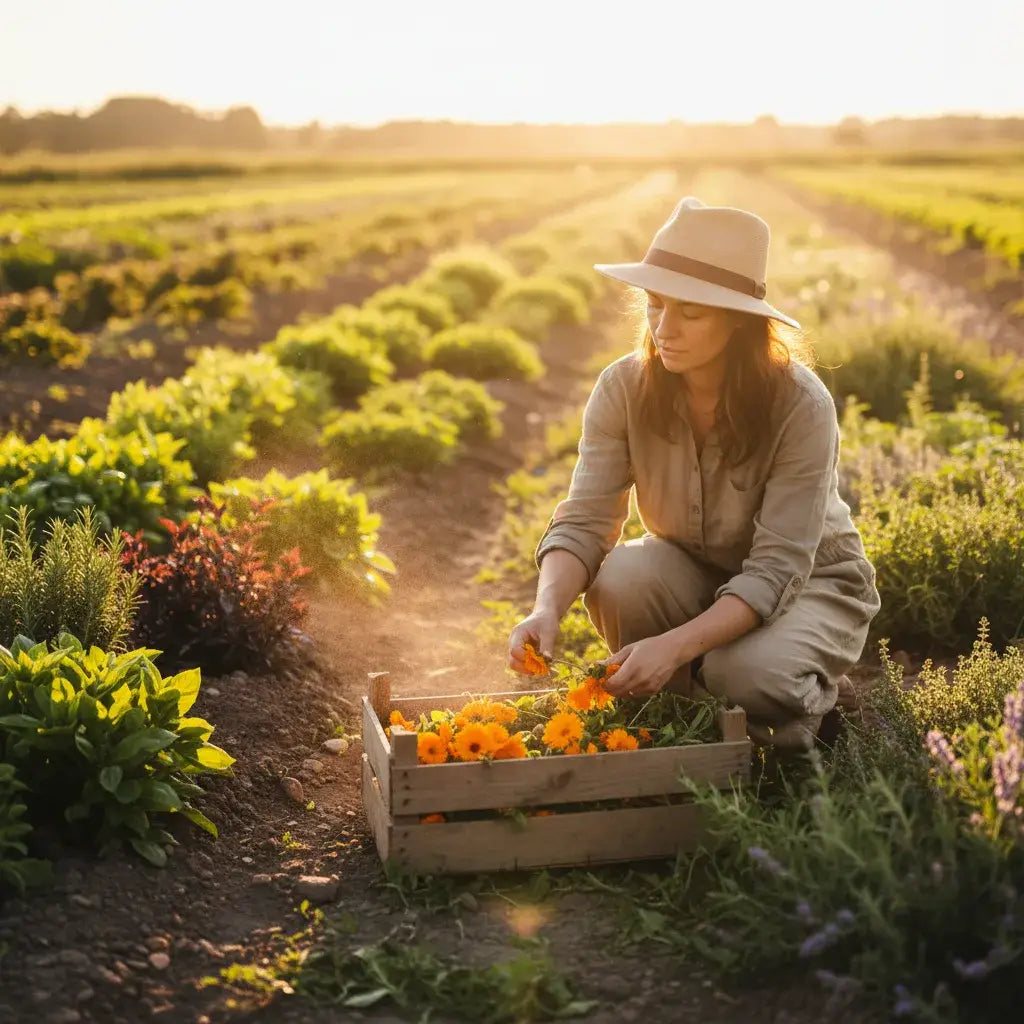
Regenerative and Responsible Harvesting
Sustainability goes beyond “organic” to consider:
- Wildcrafting with Care: When wild-harvested, are plants collected thoughtfully to minimize impact on local ecology?
- Regenerative Agriculture Practices: Some brands partner with farms prioritizing soil health, biodiversity, and community resilience.
A product such as Sea Moss - Raw Dried from St Lucia - 8oz Bag - Nature's MultiVitamins is an example of a wild-harvested superfood demonstrating commitment to both ingredient excellence and ecological stewardship.
Social Responsibility
High-end herbal suppliers often invest in:
- Equitable partnerships with growers
- Community development projects in farming regions
- Supporting traditional farming knowledge
These initiatives empower farming communities and help maintain high standards over the long term. Brands that openly describe their equitable sourcing and impact practices earn trust in a premium marketplace.
Price: What Are You Really Paying For?
Value Drivers Behind Premium Pricing
Why do premium herbal products cost more? Here’s a look at the main drivers:
- Superior raw ingredients: Sourced from optimal regions, often at a higher cost
- Careful processing and small batches: More labor and oversight
- Robust certifications and quality controls: Third-party testing fees add up
- Sustainable, fair supply chains: Ensuring ethical practices can raise costs
- Premium packaging: Sustainable materials and informative design aren’t cheap
Worth the Investment?
For many, the assurance of purity, potency, and responsible stewardship is well worth the extra cost. If sustainability, ethics, and authentic natural flavors matter to you, looking for these premium hallmarks can help guide your choice. Experience the difference with products formulated for transparency and strength, such as Graviola Soursop Leaf Extract – 10X 60/600mg Capsules - Cell Renew & Immunity.
Decoding Marketing Claims: What to Look For (and Question)
Signs of Substance
Not every luxurious-looking package tells the whole story. To truly decipher between hype and substance:
- Look for sourcing specifics: Vague terms like “pure” or “natural” don’t say much. Seek details about farm location, cultivation practices, or harvester partnerships.
- Request lab results: Responsible brands often provide or reference third-party test results.
- Check for batch traceability: Transparency stands as a key mark of authenticity.
Reliable options such as Papaya Leaf Extract Blood Support - 10X 60/450mg Capsules - Blood Platelet back up their claims with strong supporting evidence and clear labeling.
Beware of Red Flags
- Overly generic language: “Botanically enhanced” or “luxury” without explanation means little.
- Lack of sourcing or test information: True premium brands welcome questions and scrutiny.
- Over-the-top promises: Be cautious with products that make miraculous claims.
How to Evaluate and Choose High-End Herbal Solutions
A Step-by-Step Checklist
- Research ingredient origins: Where and how are herbs grown and harvested?
- Understand processing methods: How are herbs dried, extracted, and handled?
- Verify certifications: Are they current, third-party, and relevant to your needs?
- Inspect packaging: Does it serve quality and sustainability or just “look” fancy?
- Evaluate ethics and transparency: Could you trace the product from farm to bottle?
- Compare price and value: Are the added costs justified by genuine investments in quality, ethics, or sustainability?
Questions to Ask Before You Buy
- What steps are taken to ensure ingredient purity and potency?
- How does the company source its herbal ingredients?
- Are third-party lab results available for this product?
- Does the packaging protect product integrity and minimize environmental impact?
- What does the brand do to support sustainability and fair practices?
Conclusion: Making Sense of the Premium Herbal Marketplace
The world of high-end herbal solutions is nuanced and sometimes overwhelming, but with the right insights, you can confidently separate true luxury from simple marketing flash. Prioritizing transparency, responsible sourcing, careful processing, and authentic sustainability allows you to enjoy herbal products that align with both your wellness goals and your values—without sacrificing quality for aesthetics.
FAQs:
- What does 'high-end' mean for herbal products?
'High-end' in herbal products refers to those crafted with exceptional attention to sourcing, purity, responsible processing, independent certifications, and sustainable or ethical supply chains—moving beyond basic requirements to deliver a premium experience in quality, integrity, and environmental stewardship.
- How can I verify the origin of herbal ingredients?
Look for packaging or online information specifying the region or farm where the herb was grown. Some premium brands provide batch numbers or codes that can be traced, along with certifications that track ingredients from source to shelf.
- Why are high-end herbal solutions more expensive?
Premium pricing often reflects superior raw materials, small-batch processing, robust certifications, careful packaging, and investments in sustainable, ethical supply chains. These measures add value but also increase production costs.
- What certifications should I look for in premium herbal products?
Common markers of quality include USDA Organic, Fair Trade, Non-GMO, Vegan, Kosher, Halal, and especially third-party lab testing for purity and potency. These certifications provide assurance on specific practices and quality standards.
- How do I know if a brand is truly ethical or sustainable?
Genuine ethical and sustainable brands provide transparent information about their sourcing partnerships, community investments, regenerative or fair trade certifications, and environmental initiatives. Reputable companies will answer consumer questions openly.
- Do premium herbs always come in eco-friendly packaging?
Many high-end brands invest in glass, biodegradable, or recycled packaging to align with sustainability goals, though this can vary. Premium packaging should prioritize both quality protection and environmental responsibility.
- What questions should I ask before choosing a premium herbal product?
Ask about ingredient origins, processing methods, certifications, packaging materials, third-party testing, and the company’s commitment to ethical sourcing and sustainability. The thoroughness of their answers can reveal their true priorities.
Author Name:
Herbal Goodness Editorial Team
Author Bio:
The Herbal Goodness Editorial Team specializes in holistic health and superfoods, blending science and nature to educate and empower our community.
References:
Introducing Graviola to Young Taste Buds: Fun, Family-Friendly Flavor Exploration
Graviola in the Classroom and at Home: Creative Activities to Teach Kids About Tropical Plants
Why Social Impact Matters in Plant-Based Wellness