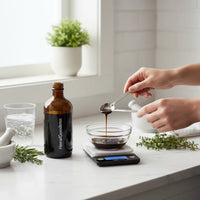
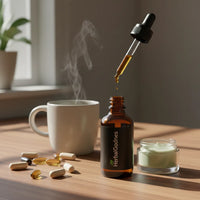
What Affects the Price of 8 oz Organic Cold-Pressed Black Seed Oil?

Introduction
Shopping online for an 8 oz bottle of organic, cold-pressed black seed (Nigella sativa) oil can be a journey of discovery — especially when prices seem to vary widely. For anyone looking to maximize both quality and value, understanding what truly influences the cost is essential. Beyond the simple question of “How much?” multiple factors—from the type of seeds grown and harvested, to the details of extraction and packaging—play a role in determining the final price you see on a website. This article breaks down each key aspect that impacts the cost of black seed oil and shares practical considerations to help you make informed decisions and identify listings that offer genuine quality and transparency.
Understanding the Core Ingredient: Seed Variety and Sourcing
The foundation of every bottle of black seed oil is the Nigella sativa seed. Not all seeds are created equal, and their origins can significantly shape both quality and price.
Seed Variety Matters
Black seed oil can be made from various cultivars of Nigella sativa. Some varieties yield higher concentrations of vital nutrients and are preferred for premium oils. That choice affects the cost because sourcing rarer or higher-quality seeds often requires more investment from the supplier.
When shopping for oils that maximize wellness support, it can be helpful to explore options that specifically mention their seed quality or origin, much like the focus seen in Black Seed Oil 8oz – Cold-Pressed Nigella Sativa Oil for Immune Support & Daily Wellness. This attention to seed sourcing can translate directly into product efficacy.
Geographic Origin and Farming Practices
Where the seeds are grown is another factor. Seeds cultivated in regions with optimal climates for Nigella sativa generally result in more robust crops. Organic certification adds another layer, as adhering to organic practices—free from synthetic pesticides and fertilizers—requires extra vigilance, documentation, and cost. Additionally, seeds harvested from small, dedicated farms may be priced higher due to their attention to quality and sustainability.
Premium wellness products, including herbal extracts like Soursop Leaf Graviola Extract - - Organic 15X Liquid Extract - Cell Renew & Immunity, also highlight the importance of transparency in raw ingredient origin.
Harvest and Yield: From Field to Press
The quantity of harvestable seeds determines the overall volume of oil each crop produces. Seasonal changes, weather unpredictability, and local farming methods can all impact yields.
Impact of Harvest Conditions
Factors such as rainfall, sunlight, and local soil quality can affect the density and oil content of each seed. Poor weather seasons or depleted soil can cause lower yields, making the oil extracted that year more expensive due to limited supply. Examining listings that specify harvest details offers greater confidence in the oil’s consistency and performance.
Extraction Method: Why Cold-Pressed Matters
One of the most significant cost influencers is the method of extracting oil from Nigella sativa seeds. The "cold-pressed" designation means oil is mechanically extracted at low temperatures, helping retain the seed’s natural properties.
Cold pressing tends to yield less oil than high-heat or solvent-based extractions, but it preserves natural flavors, aroma, and nutrient content. Because yields are lower and the process is slower and more specialized, cold-pressed oils are often more expensive. However, many consumers prefer this method for its cleaner extraction process and traditional roots. Those interested in plant-based wellness featuring minimally processed ingredients can also consider options like Papaya Leaf Extract 16oz – Organic 15X Liquid Papaya Leaf Herbal Supplement for their dedication to careful extraction processes.
Equipment and Expertise Required
Producers using cold-press extraction need advanced equipment and skilled operators to maintain quality. Meticulous processing, such as avoiding contamination and proper storage, adds labor and equipment costs passed along in the final price.
Quality Assurance: Certifications, Testing, and Purity
A key concern when purchasing any edible oil is knowing what you’re getting. Certifications and third-party testing are vital components affecting the cost of 8 oz organic, cold-pressed black seed oil.
Organic Certification
Products labeled “Certified Organic” have met strict standards regarding farming practices and ingredient handling, regularly verified by independent inspectors. Obtaining and maintaining these certifications incurs ongoing fees and compliance requirements, reflected in the retail price. Certified organic oils also often feature detailed packaging and labeling, which can be seen with products like Black Seed Oil 8oz – Cold-Pressed Nigella Sativa Oil for Immune Support & Daily Wellness.
Third-Party Testing
Many reputable sellers submit their oils to independent laboratories for analysis. These tests assess factors like purity, safety, and nutrient profile, providing consumers with assurance about what is—and isn’t—present in the bottle. Transparent companies often provide test results or batch numbers, a step demonstrating commitment to quality, but also incurring costs for regular laboratory evaluations. Herbal extracts focused on cellular renewal, such as Soursop Leaf Graviola Extract - - Organic 15X Liquid Extract - Cell Renew & Immunity, may also highlight third-party testing and transparency.
Packaging and Preservation: Protecting Freshness
How oil is packaged and stored safeguards its quality and shelf life, and these protective measures contribute to the final cost.
Bottle Material and Design
Oils sensitive to light and air, like black seed oil, are often stored in amber glass bottles to prevent oxidative damage. Glass is heavier and costlier than plastic, but is widely preferred for long-term preservation of delicate oils. Easy-pour spouts, tamper seals, and recyclable components can further increase packaging expenses. Those benefits are similar to the careful focus on high-quality packaging seen in Papaya Leaf Extract 16oz – Organic 15X Liquid Papaya Leaf Herbal Supplement, which aims to preserve freshness and potency.

Labeling Requirements
Detailed labeling—listing origin, extraction method, certifications, batch codes—demonstrates transparency. Complying with legal labeling requirements and providing accurate information are additional cost considerations for retailers.
Shipping, Handling, and Small Batch Production
Getting oil from producer to customer is the final leg of the journey, and the methods chosen for fulfillment influence pricing.
Shipping Factors
Heavy or fragile packaging (such as glass) increases shipping costs, as do temperature safeguards in transit. Premium brands may use protective packaging that reduces spoilage risks but slightly raises the shipping and handling fees you pay at checkout.
Small Batch Production
Some brands produce oil in small batches to maximize freshness and maintain quality oversight. While this practice can lead to higher prices per unit, it often means the product spends less time sitting in warehouses, reaching you at optimal quality.
Evaluating Value Beyond Price: A Smart Shopper’s Guide
Price is just one metric when comparing black seed oil products. Here’s how to assess value and spot authentic, transparent brands online.
- Source Details: Look for brands that clearly share the origin of their Nigella sativa seeds.
- Extraction Method: Choose listings that specify “cold-pressed” and clarify how their oils are processed.
- Certifications: Genuine products will list any relevant certifications (USDA Organic, Non-GMO, etc.).
- Testing Transparency: Companies that post lab results or batch information are demonstrating accountability.
- Packaging Description: Prefer brands that explain their packaging material and rationale—for both your safety and the oil’s longevity.

When making comparisons, consumers frequently examine Black Seed Oil 8oz – Cold-Pressed Nigella Sativa Oil for Immune Support & Daily Wellness details side-by-side with other leading immune-focused extracts like Soursop Leaf Graviola Extract - - Organic 15X Liquid Extract - Cell Renew & Immunity or Papaya Leaf Extract 16oz – Organic 15X Liquid Papaya Leaf Herbal Supplement, weighing transparency and customer feedback.
Red Flags to Watch For
- Vague Ingredient Lists: If details on seed variety, extraction and sourcing are missing, proceed with caution.
- Unsubstantiated Claims: Avoid listings with exaggerated or unverified benefit statements.
- Lack of Testing or Certification: Absence of third-party verification or recognized organic certification may indicate lower oversight or quality.
Practical Tips for Smart Purchasing
- Calculate Cost by Volume: When comparing, check unit cost (price per ounce) rather than just the sticker total for a perspective similar to evaluating value in larger bundle products.
- Examine Reviews and Vendor Reputation: Prioritize trusted sources with consistent positive feedback.
- Assess Return Policies and Batch Information: Brands offering clear return options and batch tracking often stand behind their product standards.
Industry Transparency: How Responsible Brands Build Trust
Responsible brands understand that educated buyers look beyond just price. They often share information about their farming partners, certifications, and test results, using packaging and labeling as vehicles for transparency rather than marketing buzzwords. Companies like Herbal Goodness may offer educational resources about black seed oil, helping consumers sift through options and feel confident in their purchase.

When evaluating brands and products, consider how much transparent information is made readily available. Consistent labeling, accurate batch data, and a willingness to answer customer questions all indicate a company’s commitment to excellence and authenticity. Such practices help differentiate responsible sellers in a crowded online marketplace.
References
Organic Product Certification – United States Department of Agriculture
Cold-Press Extraction of Nigella sativa Oil – PubMed
FAQs:
- What makes organic, cold-pressed black seed oil more expensive?
Organic, cold-pressed black seed oil typically costs more due to higher-quality seeds, specialized extraction methods, organic certifications, precise testing, and superior packaging—all contributing to product integrity and freshness.
- How can I verify the authenticity of black seed oil online?
Look for products listing seed origin, extraction methods, certifications, third-party test results, and clear batch numbers. Transparent brands provide detailed information about sourcing and processing.
- Why is glass packaging preferred for black seed oil?
Glass, especially amber glass, protects sensitive oil from light and oxidation, preserving flavor and nutrient content better than plastic. It also avoids potential leaching associated with some plastics.
- Does cold-pressed mean no heat is used in extraction?
Cold-pressed oil is extracted mechanically at low temperatures, preserving natural properties, though some friction heat may occur. The process still safeguards nutrient integrity better than high-heat methods.
- Are certifications like 'USDA Organic' important for black seed oil?
Certifications like 'USDA Organic' indicate adherence to strict organic standards, which can be meaningful for consumers prioritizing clean, environmentally responsible options.
- Why does shipping affect the final price of black seed oil?
Shipping heavy or fragile packaging, and maintaining temperature protection, adds to transportation costs. These factors, combined with packaging designed for freshness, influence the price.
- What are signs of a transparent black seed oil brand?
Transparent brands provide detailed sourcing, clear extraction processes, lab results, and responsive customer support, helping consumers confidently assess quality and legitimacy.
Author Name:
Herbal Goodness Editorial Team
Author Bio:
The Herbal Goodness Editorial Team specializes in holistic health and superfoods, blending science and nature to educate and empower our community.
References:
Introducing Graviola to Young Taste Buds: Fun, Family-Friendly Flavor Exploration