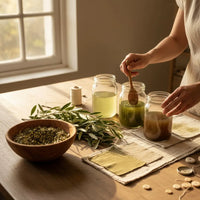
Understanding Olive Leaf: Botany, Symbolism, and How to Read Product Labels

Curious about what “olive leaf” truly means? You might see the term scattered across wellness products, culinary recipes, or even as a symbol of peace and wisdom. But what is the real identity of the olive leaf, and how does its meaning shift from botany to culture to ingredient label? This article is your gateway guide: we’ll clarify the botanical origins of olive leaf, unveil its enduring symbolism throughout ages and cultures, and arm you with expert-level label literacy so you can confidently recognize olive leaf ingredients—whether in teas, culinary traditions, or daily rituals. Plus, you’ll get practical, non-medical ways people safely bring olive leaf into their routines and tips on finding reliable research and professional guidance.
What is an Olive Leaf? Botanical Identity and Etymology
The “olive leaf” comes from the evergreen tree Olea europaea, a member of the Oleaceae family native to the Mediterranean basin. Olive trees are renowned for their longevity and their abundant production of both olives and rich, elongated leaves. Olive leaves are typically dark green above and silvery underneath—an adaptation to sunny, arid climates.
- Scientific name: Olea europaea leaf
- Origin: Mediterranean, parts of Asia, Africa, and now cultivated worldwide
- Harvest form: Fresh, dried, or processed extract
The etymology of the word “olive” can be traced to the Latin oliva and Greek elaia, both emphasizing the central role of the olive tree in ancient societies. The leaves, in particular, have been a botanical hallmark in herbal traditions and symbolic representation for thousands of years.
Olive Leaf in Culture: Symbolic Meanings Across Time and Place
Olive leaves have carried profound meaning long before their use in drinks and supplements. Their association with peace, purity, and resilience has been woven throughout art, literature, and ceremonies in diverse cultures.
Ancient Greece and Victory Crowns
In the ancient Olympic Games, victors wore crowns made of olive leaves (kotinos), symbolizing honor and unity with the gods.
Mediterranean Peace and Friendship
Offering an olive branch has signified gestures of peace and reconciliation since antiquity—a tradition reflected in global religious texts, folklore, and state symbolism.
Religious and Mythological Representation
Both Christian and Jewish traditions have embraced the olive leaf as a symbol of renewal. The dove bearing an olive leaf in the biblical Noah’s Ark story remains an enduring emblem of hope.
Olive Leaves in Decorative Art
Artists and architects, from Roman mosaics to contemporary motifs, have celebrated the olive leaf for its distinctive silhouette and its association with abundance and clarity.
From Tree to Label: Understanding Olive Leaf Product Terms
As interest in botanicals grows, “olive leaf” appears on an increasing number of product packages. However, understanding exactly what you’re getting requires label literacy—especially given the variety of forms olive leaf can take.
Fresh Olive Leaf
Harvested directly from the tree, fresh olive leaf is often used in culinary or ritual settings. Its robust, grassy aroma is prized in Mediterranean cooking and infusions. On labels, look for terms like “fresh olive leaf” or “whole leaf.”
Dried Olive Leaf
Drying olive leaves preserves them for teas and traditional use. Dried leaves are usually crumbled, chopped, or powdered. Look for “dried olive leaf,” “crushed olive leaf,” or “loose leaf.”
Olive Leaf Extract (Olea europaea Leaf Extract)
This concentrated form—sometimes labeled as Olea europaea leaf extract—can appear in capsules, tinctures, liquid extracts, or powders. Extracts typically involve water, alcohol, or glycerin-based processing to capture certain plant compounds. When reading labels, note the listed extraction ratio (e.g. 10:1), solvent type, and whether standardization (e.g. “standardized to X% oleuropein”) is mentioned, as this indicates a precise concentration of a primary marker compound. Herbal Goodness, for example, clearly states the parts used and the extraction details for their olive leaf products—an example of transparent labeling.
Key Ingredient Language to Recognize
- Olea europaea leaf: Scientific, most precise botanical name
- Olive leaf powder: Generally refers to ground dried leaf
- Olive leaf extract: Indicates concentrated form; check for extract ratio and solvent
- Standardized extract: Specifies a certain component concentration, like oleuropein
Beyond the Label: Common Olive Leaf Processing Terms
Understanding a few processing terms helps decode both quality and intended use:
Whole leaf: Refers to the complete, intact leaf—often preferred for teas or ceremonial use. For other botanical infusions, consider options like Soursop Leaf Tea | Organic Graviola 24 Bags | Soursop Tea Benefits for Immunity & Wellness if you’re curious about different herbal teas.
Crushed/Cut/sifted: Leaf has been fragmented for improved brewing or culinary mixing. If you enjoy experimenting with "loose leaf" style teas, our organic herbal teas offer a convenient way to blend and brew to your taste.
Powdered: Dried and ground leaves, easy to blend or encapsulate
Extracted: The key plant components have been drawn out, often in a solvent (water, alcohol)
Standardized: A certain active marker is measured to guarantee consistent potency
Always check for ingredient clarity, processing transparency, and whether the actual leaf or its concentrated extract is used. Consult the details on products such as Soursop Leaf Graviola Extract 15X Liquid | Organic Cell & Immunity to better understand how extraction and labeling are handled for potent herbal options.
Practical, Non-Medical Ways Olive Leaf Is Used
While olive leaf is studied for various properties, many individuals value it as a daily ritual, a culinary accent, or a mindful herbal infusion. Here are some common, safe, non-medical ways to incorporate olive leaf into your lifestyle:
Olive Leaf in Teas and Infusions
Dried or fresh olive leaves can be steeped to create a gentle, herbal tea. The taste is lightly grassy, sometimes compared to green tea but milder. People often enjoy olive leaf tea:
- On its own, brewed for a few minutes in hot water
- Blended with citrus zest or mint for flavor
- Served either hot or iced as a refreshing beverage
If you’re a fan of herbal infusions, you might find our organic herbal teas a great avenue for exploring blends that utilize both tradition and creativity.

Culinary Uses of Olive Leaf
In Mediterranean kitchens, olive leaves add a subtle, earthy note to roasted meats, stews, or grain dishes. Leaves can be wrapped around fish, incorporated into marinades, or infused in olive oil for an aromatic touch. Powdered olive leaf sometimes appears in seasoning blends.
Other powdered botanical products, such as Organic Papaya Seed Powder 4oz | Gut Cleanse & Digestive Support, are ideal for culinary experimentation alongside olive leaves.
Ritual, Decorative, and Mindful Uses
Olive leaves, with their deep symbolic associations, often appear in ceremonial garlands, holiday wreaths, or as table decorations for gatherings symbolizing peace and togetherness. In mindfulness practices, some use olive leaf tea as a grounding ritual, focusing on its connection to ancient traditions.
How to Interpret Olive Leaf Ingredient Labels: Practical Tips
Navigating ingredient labels can be daunting, but a few actionable tips can simplify the process:
Look for Botanical Names: “Olea europaea leaf” is the clearest indicator of genuine olive leaf. Avoid vague terms like “herbal blend” if olive leaf isn’t specified.
Check the Form: Are you seeing “fresh,” “dried,” or “extract”? Each provides a different experience and use case. If you are interested in highly concentrated extracts, Soursop Leaf Graviola Extract 15X Liquid | Organic Cell & Immunity is an excellent example of clear labeling and extraction standards.
Assess Processing Statements: A transparent label will disclose if the leaf is whole, powdered, extracted, or standardized.
Scan for Additives: Quality suppliers often avoid unnecessary fillers or additives. Straightforward ingredient lists, as seen in Organic Papaya Leaf Extract 16oz | 15X Liquid – Best Value Size, are a positive sign for quality.

Review Certifications: Labels indicating USDA Organic or Non-GMO Project Verified (when present) demonstrate additional supplier standards, though these don’t guarantee effectiveness.
Learn Key Terms: Familiarize yourself with terms like “standardization,” “extract ratio,” and “active marker compound” to better understand product potency.
If in doubt, reach out to the manufacturer with questions about ingredient sourcing, processing, or intended use. You can also consult offerings like Soursop Leaf Tea | Organic Graviola 24 Bags | Soursop Tea Benefits for Immunity & Wellness to study transparent labeling practices before making a decision.
Finding Trustworthy Olive Leaf Research
Curiosity often leads to further research, but it’s wise to consult trustworthy, evidence-based resources for balanced perspectives:
- National Institutes of Health (NIH) Office of Dietary Supplements offers fact sheets on botanicals.
- PubMed provides access to published peer-reviewed studies.
Always evaluate research summaries for their source, methodology, and limitations. Be wary of exaggerated claims or unsourced health promises.
When to Seek Professional Guidance
While incorporating olive leaf into a routine through teas or culinary use is widely considered safe for most healthy adults, there are occasions when more personalized advice is appropriate:
- If you’re pregnant, nursing, or planning to introduce olive leaf for children or older adults
- If you have questions about interactions with dietary choices or supplements
- If you’re considering olive leaf in conjunction with specific wellness practices
Consulting a qualified clinician ensures you can make informed, mindful choices aligned with your needs and values. For thorough personalized guidance, consider scheduling a Personal Consultation with Herbalist or Health Coach for credible answers on nourishment and wellness.
Bringing Olive Leaf Wisdom Home
The olive leaf’s ancient roots, symbolic richness, and current-day popularity make it a remarkable point of connection between plant, culture, and everyday life. Whether enjoyed in a cup of tea, cherished as a symbol of peace, or carefully read on a label, understanding what “olive leaf” really means deepens your appreciation—and helps you make confident, informed decisions.

Frequently Asked Questions
Question 1: What foods or teas pair well with olive leaf for home infusions?
Answer: Mildly grassy olive leaf pairs well with lemon, mint, and ginger. For herbal blends, try teas like Soursop Leaf Tea | Organic Graviola 24 Bags | Soursop Tea Benefits for Immunity & Wellness or add loose herbs from our organic herbal teas.
Question 2: How do I recognize real olive leaf extract on a product label?
Answer: The most precise term is "Olea europaea leaf." Also, look for standardized extracts or clear statements like those on Soursop Leaf Graviola Extract 15X Liquid | Organic Cell & Immunity for trustworthy examples.
Question 3: Are there herbal teas similar in use or ritual to olive leaf tea?
Answer: Yes, you might explore Organic Papaya Leaf Tea | 24 Premium Bags – Caffeine-Free or Soursop Leaf Tea | Organic Graviola 24 Bags | Soursop Tea Benefits for Immunity & Wellness for gentle, daily herbal rituals.
Question 4: Can I blend olive leaf with other powdered botanicals in cooking?
Answer: Absolutely. For seasoning or nutritional blends, natural options like Organic Papaya Seed Powder 4oz | Gut Cleanse & Digestive Support are great to use alongside olive leaf powder in smoothies or savory dishes.
Question 5: What should I ask a supplier about olive leaf products?
Answer: Ask about sourcing, whether the product is fresh, dried, or extract, and read details on processing—check for transparency like Soursop Leaf Graviola Extract 15X Liquid | Organic Cell & Immunity offers. Confirm certifications if important to your values.
Question 6: Where can I find unbiased research about olive leaf and other botanicals?
Answer: Explore resources from the NIH Office of Dietary Supplements or schedule a Personal Consultation with Herbalist or Health Coach for professional, evidence-based answers.
If you’re inspired to embrace olive leaf—whether as a mindful ritual or daily tea—let knowledge guide your choices. Seek suppliers who clearly label their ingredients and processing methods, and consult trusted references as you begin your journey toward herbal understanding.
About the Author
Herbal Goodness Editorial Team
The Herbal Goodness Editorial Team specializes in holistic health and superfoods, blending science and nature to educate and empower our community.
Related Articles
Papaya Leaf Powder Guide: What It Is, How It’s Made, and Everyday Uses
Herbal Tea vs Green Tea: A Friendly Guide to Origins, Caffeine, Flavor & Sipping
Buy Herbal Immune Support: Tea vs Tincture vs Capsules Guide