Trade-Show Checklist: Vetting Wholesale Suppliers of Immune-Focused Herbal Supplements
Meeting potential wholesale suppliers of immune-focused herbal supplements at trade shows offers a unique chance to look beyond glossy brochures and polished presentations. Retailers, makers, and procurement teams gain valuable face-to-face time to evaluate transparency, sourcing standards, and product quality more meaningfully than through emails or websites. Building reliable partnerships starts with asking the right questions and knowing exactly what to look for and request. In this article, you’ll find a straightforward, practical trade-show checklist for vetting wholesale herbal supplement suppliers, with tips for comparing offers, requesting meaningful samples, and spotting common red flags—all while keeping your focus on quality, transparency, and your business goals.
Understanding the Importance of In-Person Supplier Vetting
Visiting a trade show provides more than networking—it is an opportunity to observe supplier professionalism and gauge product authenticity on the spot. While online directories and email communications offer some insights, nothing replaces a direct conversation and hands-on product assessment. In-person visits let you:
- Ask detailed sourcing and quality questions in real time
- Request physical proof of certificates, product samples, and packaging
- Observe the supplier’s transparency and knowledge firsthand
- Compare multiple suppliers efficiently in a single day
Being well prepared maximizes your investment of time and travel. A good checklist anchors your conversations and ensures consistent, meaningful evaluation of every potential partner.
If you’re actively sourcing reliable, transparent suppliers for immune-focused herbal supplements, you can click here to fill our form to explore our wholesale program and see if we’re a fit for your business needs.
Key Points to Cover When Evaluating Wholesale Herbal Supplement Suppliers
When your primary interest is immune-focused herbal supplements, there are particular areas to scrutinize. Here’s a guide to help structure your conversations and requests with prospective suppliers:
1. Certificates of Analysis (COA) and Third-Party Testing
Why Ask: COAs and third-party test results verify the consistency, purity, and potency of herbal supplements, as well as confirm that products meet regulatory and safety standards.
What to Request:
- Recent COAs for the batch or lot on display
- Evidence of third-party lab testing (including lab names)
- Details of how frequently products are tested
For example, reputable suppliers of products like Soursop Leaf Graviola Extract - - Organic 15X Liquid Extract - Cell Renew & Immunity typically provide current COAs and clear lab reports demonstrating their commitment to transparency.
What to Observe: Reluctance to share full reports or generic explanations may indicate gaps in quality assurance.
2. Ingredient Sourcing and Transparency
Why Ask: Understanding how and where ingredients are grown, harvested, and processed is essential for ensuring the supplements align with your standards for quality and sustainability.
What to Request and Inquire:
- Country or region of origin for key botanicals
- Farm or co-op sourcing details
- Certifications related to ethical or sustainable sourcing, where relevant
- Traceability options for batches or lots
Suppliers offering detailed sourcing stories for their Papaya Leaf Extract 16oz – Organic 15X Liquid Papaya Leaf Herbal Supplement or similar immune support extracts showcase a willingness to provide traceability and instill buyer confidence.
What to Observe: Confidence, specificity, and willingness to explain their sourcing process. Vague or evasive answers can be a red flag.
3. Extraction Methods Used
Why Ask: Extraction methods have a direct impact on the concentration and composition of herbal constituents in a supplement. Clear, accurate information here shows supplier expertise.
What to Request:
- Description of extraction method (e.g., water, alcohol, CO2 extraction)
- Rationale for the selected method
- Any validation or consistency checks for the process used
Suppliers utilizing specific, validated extraction techniques for their herbal extracts, such as those offered in Soursop Leaf Tea Graviola Leaves - Organic 24/2g Tea Bags - Immunity & Cell Renew, are often more transparent about constituent preservation and efficacy.
What to Observe: Suppliers who can clearly articulate why their process works best for immune-focused botanicals, and who can discuss process control measures.
4. Product Formats and Customization Options
Why Ask: Herbal supplements for immune support come in many forms, such as capsules, powders, liquids, or teas. Choose suppliers who match your desired product formats and can discuss private label or customization where needed.
What to Request:
- List of available product forms
- Customization or private label possibilities
- Minimum order quantities for each format
The versatility of immune supplement forms—such as liquid extracts, capsules, or teas—is well illustrated by the range found in the Papaya Leaf Extract - 1oz - Organic - 15X Liquid - Blood Platelet supplement range. Exploring these options clarifies whether a supplier is prepared to support your business needs.
What to Observe: Suppliers receptive to small adjustments typically have more flexible manufacturing processes, which can be helpful for boutique or specialized businesses.
5. Packaging and Storage Requirements
Why Ask: Proper packaging and warehouse storage impacts product longevity and protection. Transparency about packaging materials and storage environments guards against spoilage or waste.
What to Request:
- Packaging materials used (food grade, recyclable, UV protection, etc.)
- Bulk versus retail packaging availability
- Shelf-life data and recommended storage conditions
Providers able to articulate shelf-life and protection methods on products such as immune-focused teas or extracts help you plan for stability and minimize waste. Investing in products with robust packaging, like the Blood Platelet Plus - 60/600mg 20X Strength Capsule - Platelet Boost, can make a difference in long-term inventory management.
What to Observe: Providers who can explain why certain materials or storage guidelines are recommended display a deeper understanding of product stability.
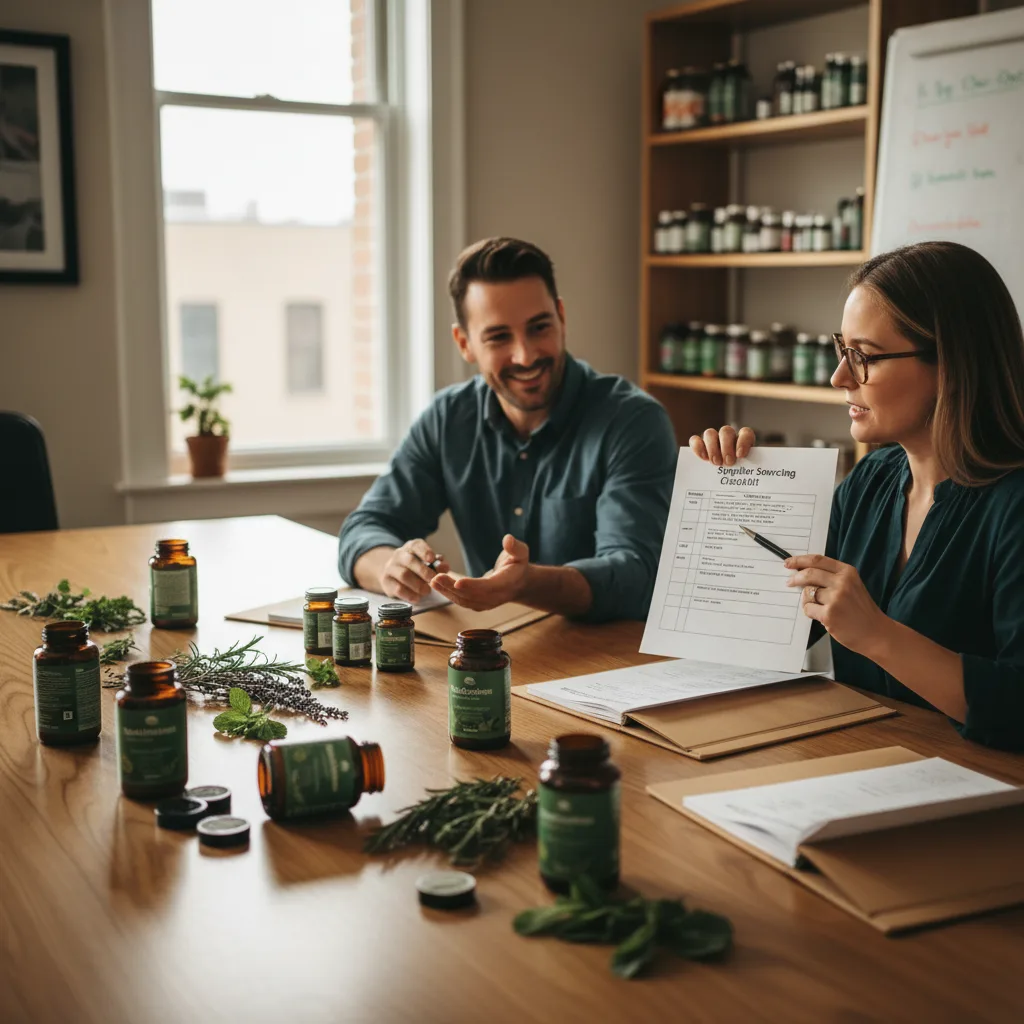
6. Sample Requests: Making Them Meaningful
Why Ask: A sample isn’t just a “freebie”—it’s your first chance to visually, physically, and sometimes even organoleptically (smell/taste) assess product quality.
What to Request:
- Representative samples from current inventory or the specific batch on offer
- Full labeling on samples, including lot number and expiration date
- Storage and usage instructions included with samples
Paying attention to the quality of provided samples—such as the clarity and labeling on a Papaya Leaf Extract Blood Support - Organic 15X Liquid Extract - Platelet Health—can give deep insight into a supplier's overall reliability and care.
What to Observe: Responsiveness to sample requests, willingness to offer full transparency, and the condition/presentation of samples can be very revealing.
7. Minimum Order Quantities (MOQs) and Lead Times
Why Ask: Understanding minimum orders and realistic lead times is necessary for aligning supplier capacity with your demand projections and planning cycles.
What to Request:
- Clear outline of MOQs for each product or form
- Typical lead times for production and restocks
- Conditions for negotiating MOQs (for example, for new accounts or sample orders)
Suppliers of highly sought-after herbal supplements, such as Papaya Leaf Extract Blood Support - 10X 60/450mg Capsules - Blood Platelet, should supply clear details about order quantities suitable for your business model.
What to Observe: Flexible and transparent discussions about MOQs can signal a supplier’s willingness to build a long-term relationship.

8. Certifications and Compliance
Why Ask: Certifications related to food safety, organic status, or other third-party verifications can help support your commitment to product integrity and transparency.
What to Request:
- Full list of certifications held (e.g., Organic, GMP, ISO, Kosher, Non-GMO Project)
- Certificates for each facility involved in processing and packaging
- Documentation for recent audits or regulatory inspections
Reliable brands producing top-rated immune herbal extracts or teas, such as the Soursop Leaf Graviola Extract - - Organic 15X Liquid Extract - Cell Renew & Immunity, make verification documentation available as a matter of routine.
What to Observe: Organized, current documentation and a readiness to discuss compliance processes signify reliability.

Simple Trade-Show Checklist for Wholesale Herbal Supplement Suppliers
Use this checklist to keep your interviews consistent and ensure no detail is missed:
- Certificates of Analysis (COA) and lab test results
- Ingredient origin and sourcing transparency
- Extraction method(s) explained
- Product formats and customization options
- Packaging materials and storage requirements
- Representative, well-labeled samples available
- Minimum order quantities (MOQs) and lead times
- Certifications and compliance documentation
Take notes beside each point for every supplier you meet. Compare later to weigh strengths and gaps.
Red Flags to Watch For While Vetting Wholesale Suppliers
Even the most well-orchestrated booths can hide inconsistencies. Watch for these warning signs:
- Reluctance to supply COAs, batch numbers, or samples
- Evasive answers or vague sourcing information
- Overly generic packaging without clear labeling
- Extremely low prices that seem too good to be true
- Inconsistent or missing documentation on storage requirements
- Lack of visible certifications or proof of regulatory compliance
Be mindful when evaluating offers for products like the Papaya Leaf Extract - Capsules 600mg - 10X Strength, ensuring every claim is backed by transparent evidence. Thorough vetting can help avoid issues from less reputable vendors in the long run.
The Value of Sourcing Transparency for Immune-Focused Herbal Supplements
Today’s customers expect transparency and authenticity—qualities that start at the supply chain. Immune-focused herbal supplements require special attention, as ingredient origin, processing methods, and quality assurances directly influence end-user trust. Suppliers who openly share documentation and answer detailed questions are partners in your commitment to product excellence.
Transparency is especially important when selling immune support options like Soursop Leaf Tea Graviola Leaves - Organic 24/2g Tea Bags - Immunity & Cell Renew, which appeal to ingredient-savvy consumers.
Herbal Goodness, for example, exemplifies a commitment to sourcing transparency and quality, underlying why thoughtful procurement and supplier evaluation are core to industry best practices.
Making the Most of Your Trade-Show Experience
With preparation and a clear checklist, you can approach each supplier meeting with confidence. Take time to:
- Introduce your quality priorities clearly
- Listen for both what is said and what is not
- Collect samples and documentation for later review
- Note key differences between suppliers
By prioritizing transparency, documentation, and responsiveness, you’ll build relationships with suppliers who support your standards for immune-focused herbal supplements and help set your business apart.
Ready to partner with a supplier that prioritizes quality, transparency, and consistency? You can click here to fill our form to get started with our wholesale program and discuss your business requirements.
FAQs:
- What is a certificate of analysis (COA) and why is it important?
A certificate of analysis (COA) is a document issued by a supplier or third-party laboratory that details the composition, quality, and purity of a specific batch of herbal supplements. Reviewing COAs helps retailers confirm product authenticity, quality, and supplier transparency.
- How can I ensure the herbal supplements are sourced responsibly?
Ask suppliers for detailed ingredient origin information, certifications supporting ethical or sustainable practices, and evidence of transparent sourcing processes. Direct questions about farming partners and documentation can help verify responsible sourcing.
- Why should I request product samples at a trade show?
Product samples provide a direct way to evaluate the quality, labeling, packaging, and storage requirements of herbal supplements before committing to a larger order. Well-presented samples reflect a supplier’s attention to detail and transparency.
- What are minimum order quantities (MOQs) and why do they matter?
Minimum order quantities (MOQs) are the smallest amounts of product that a supplier will sell in a single purchase. Understanding MOQs ensures you can match supplier requirements with your projected demand and budget.
- Which certifications should reputable suppliers have for immune-focused herbal supplements?
While certifications can vary, common ones include Organic, GMP (Good Manufacturing Practice), ISO, Kosher, and Non-GMO Project Verified. These attest to supplier transparency and commitment to established standards.
- What are common red flags when vetting wholesale herbal supplement suppliers?
Red flags include reluctance to share documentation, vague answers regarding sourcing and quality, poorly labeled or missing product samples, and the lack of verifiable certifications or compliance paperwork.
Author Name:
Herbal Goodness Editorial Team
Author Bio:
The Herbal Goodness Editorial Team specializes in holistic health and superfoods, blending science and nature to educate and empower our community.
References:
Introducing Graviola to Young Taste Buds: Fun, Family-Friendly Flavor Exploration
Graviola in the Classroom and at Home: Creative Activities to Teach Kids About Tropical Plants