





The Timeless Journey of Olive Leaf: Tradition, Folklore, and Regional Heritage

For thousands of years, the olive tree has flourished at the heart of Mediterranean life, its branches and leaves shaping customs, beliefs, and everyday routines. The olive leaf, often overshadowed by the tree’s celebrated fruit and oil, holds a story rich with ceremonial reverence, daily domesticity, and profound symbolism. Across ancient villages and bustling modern cities, olive leaves have woven themselves into the tapestry of tradition—find out how their cultural significance spans time and continents, influencing everything from festive practices to modern curiosity.
Olive Leaf in Ancient Mediterranean Traditions
Symbolism and Ancestral Reverence
The olive tree has long been a powerful emblem of peace, prosperity, and endurance in civilizations such as Greece, Rome, and Egypt. Olive leaves, in particular, were cherished for their symbolic meaning. In classic Greece, olive leaf crowns—called kotinos—adorned the heads of Olympic victors, priests, and respected leaders, signifying achievement and purity. Myths credit the goddess Athena with gifting the olive tree to Athens, echoing the importance of olive in both spiritual and civic identity.
In Rome, olive foliage was associated with wisdom and victory. Laurel and olive wreaths decorated artists, scholars, and emperors as an expression of honor and celebration. Throughout the region, ancient coins, pottery, and temple mosaics depict olive leaves, testifying to their revered status.
Olive Leaf’s Place in Sacred Rituals
In religious ceremonies, olive branches and leaves have symbolized renewal and hope. The olive branch, often with freshly picked leaves, was a traditional offering for rituals invoking blessings or marking moments such as births, marriages, or harvests. In early Christian communities, olive leaves featured in processions and blessings, offering an enduring sign of unity and goodwill.
Folklore and Storytelling: The Olive Leaf’s Narrative Power
Legends and Oral Tradition
Across the Mediterranean, generations have expressed their values and heritage through olive leaf folklore. From the tale of Noah’s dove returning with an olive leaf—suggesting safety and new beginnings—to village stories about olive groves sheltering generations, the leaf’s presence in storytelling is both pervasive and intimate.
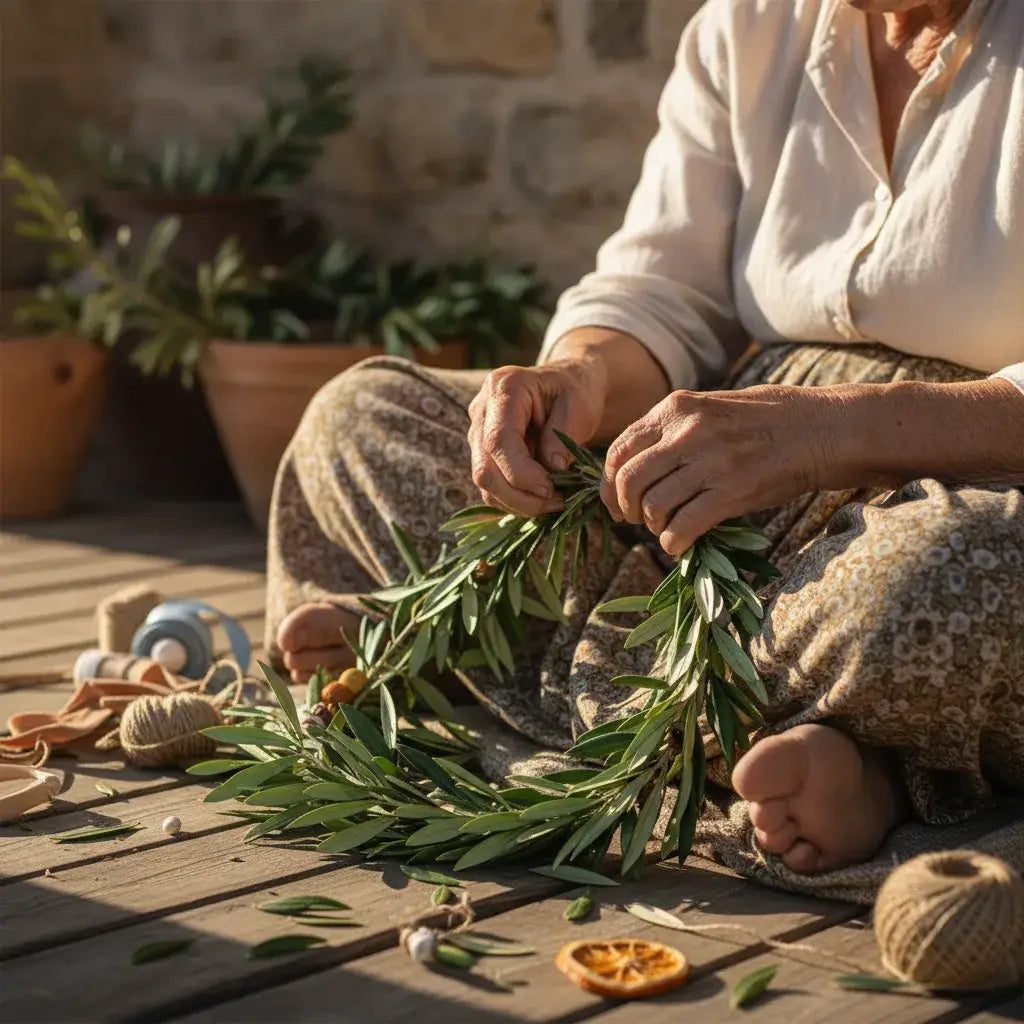
Local proverbs and poems often reference the olive tree’s quiet resilience and the serenity its leaves symbolize. In rural Italy and Greece, elders recite ancestral tales while weaving olive leaves into crowns or garlands, fostering family bonds and transmitting wisdom.

Olive Leaf in Seasonal Celebrations
Various seasonal festivals, particularly related to the olive harvest, spotlight the leaf’s importance. Communal gatherings feature olive leaves woven into decorations, tokens, and gifts. These traditions extend beyond the Mediterranean—Spanish-speaking communities, for instance, integrate olive leaves in annual festivities, emphasizing both continuity and adaptation over time.
Regional Household and Culinary Practices
Mediterranean Table: Olive Leaf as a Culinary Ingredient
Olive leaves have added subtle flavor, aroma, and visual appeal to family tables for centuries. In Greek and Southern Italian kitchens, fresh or dried olive leaves are sometimes infused in water for beverages or used to impart a unique touch to grilled meats and baked breads. The delicate, earthy bitterness dovetails with other staples like citrus, garlic, and rosemary.
Tunisia and Morocco highlight olive leaves in rustic stews, often simmering them with legumes and vegetables for a comforting, time-honored meal. Culinary experimentation in contemporary cuisine has seen chefs revisit traditional uses by incorporating olive leaves into artisan oils, teas, and condiments that honor both heritage and innovation. For those seeking to bring time-honored flavor to their tables, handcrafted beverages such as Olive Leaf - Organic 1oz 15X Liquid Extract - Immunity & Performance offer a nuanced way to explore the culinary legacy of olive leaves.

From seasonal drinks to savory broths, the use of olive leaf as a beverage infusion persists in modern kitchens. Herbal enthusiasts might also enjoy expanding their infusions with Papaya Leaf Tea - Organic 24/2g Tea Bags for another traditional leaf-based tea that complements Mediterranean customs while introducing new phytonutrients.
Domestic Crafts and Household Wisdom
Beyond the kitchen, the olive leaf finds purpose in the home. Traditionally, branches festooned with leaves are arranged above doorways for celebration or as tokens of peace. In Southern Europe and North Africa, craftspeople intricately braid olive leaves into centerpieces, wall hangings, and ceremonial objects passed down through families.
Olive leaf infusions, created by steeping dried leaves, have served as regional household staples, appreciated for their subtly aromatic qualities and as beverages for guests. Some households continue to utilize olive leaf in these ways, fusing ancient customs with modern preference. Those inspired by eco-conscious crafts may also turn to Bulk Loose Leaf Teas & Tisanes - Organic 4oz - Herbal Wellness Teas, perfect for home blending, crafts, or DIY wellness creations rooted in regional tradition.
The Global Diffusion and Adaptation of Olive Leaf Customs
Olive Leaf’s Path Beyond the Mediterranean
As Mediterranean populations migrated and intercultural exchange accelerated, olive leaf traditions traveled alongside families settling in South America, the Middle East, and Australia. In these new settings, the olive tree thrived, and community members brought ceremonial and household practices with them, blending them into local festivities and cuisines.
Historical accounts from as early as the 19th century describe the transplantation of olive groves and the sharing of olive leaf customs in community gatherings. The result: a global tapestry where olive leaves are appreciated both for their symbolic value and as a cultural bridge across continents. To celebrate the continued spread and appreciation for ancient leaves, innovative blends such as Bamboo Leaf Tea – 24/1.5g Tea Bags - Nature's Collagen & Biotin allow enthusiasts to discover lineage through taste and well-being.
Contemporary Embrace and Innovation
Today, olive leaf traditions are not only preserved but also reinterpreted. Artisan markets and food festivals from California to Argentina showcase olive leaf crafts and specialty foods, inviting new audiences to engage with ancient customs. Culinary professionals, artisans, and enthusiasts share stories and recipes online, fostering a renewed appreciation for these practices. At home, the tradition of leaf infusions continues with contemporary options like the Olive Leaf - Organic 1oz 15X Liquid Extract - Immunity & Performance, providing a practical way to experience history in every cup.
Stories, Heritage, and the Modern Revival
Oral Histories and Intergenerational Bonds
Across Mediterranean villages and diaspora communities, oral histories keep olive leaf customs alive. Grandparents pass on stories of olive harvests and traditional crafts to grandchildren, ensuring respect for heritage and familial identity. Educational programs and cultural centers also document these narratives, creating valuable archives for researchers and cultural ambassadors.
Recent generations have inherited not only the rituals, but also a renewed interest in botanicals. For example, young wellness seekers might explore Bulk Herbs & Roots - Organic 4oz Bags - Herbal Tea as they experiment with crafting their own heritage teas or blending new infusions with time-treasured leaves.
From Folklore to Lifestyle Inspiration
Globally, the enduring legacy of olive leaf practices resonates through art, literature, and lifestyle trends. Designs inspired by olive leaves appear in textiles, jewelry, and visual art, celebrating the beauty and significance of this ancient symbol. Lifestyle publications highlight olive-leaf themed décor and table settings, introducing elements of Mediterranean hospitality and warmth into homes around the world. Drawing on this inspiration, personalized creations can be elevated with Olive Leaf - Organic 1oz 15X Liquid Extract - Immunity & Performance, allowing age-old symbolism to be effortlessly paired with modern wellness goals.
Olive Leaf in Modern Curiosity and Sustainable Living
Eco-conscious Craft and Community Initiatives
With increasing interest in sustainability and mindful living, olive leaf crafts have found new relevance. Workshops focus on using pruned olive branches and leaves for sustainable art, décor, and eco-friendly packaging. Community initiatives organize olive branch weaving during harvest seasons, bringing together locals and visitors to share stories, skills, and regional pride. Blending these values with creative home practices might include sourcing Bulk Loose Leaf Teas & Tisanes - Organic 4oz - Herbal Wellness Teas for both culinary and decorative use.
Connection to Regional Identity
In regions where olive trees define the landscape, olive leaf customs continue to support local economies and tourism. Heritage trails, museums, and festivals offer immersive experiences centered around the olive’s symbolic and practical contributions. This celebration of heritage cultivates a sense of pride while nurturing a deeper connection to the land and its history. For those who relish exploring other culturally significant botanicals, Papaya Leaf Tea - Organic 24/2g Tea Bags can add new flavor dimensions to Mediterranean rituals.
Bridging the Past and the Present
The olive leaf’s journey from ancient ceremony to modern celebration embodies the resilience of traditions shaped by both necessity and creativity. By honoring and exploring these regional practices and stories, communities worldwide remain connected to the values of harmony, hospitality, and cultural continuity. As contemporary interest grows, the olive leaf stands as a living emblem of past wisdom, timeless beauty, and the enduring human spirit.
FAQs:
- What cultural practices are associated with olive leaves in the Mediterranean?
Olive leaves have been used in crown-making for ceremonies, woven into garlands for festivals, and featured in religious and secular rituals across Greece, Italy, and surrounding Mediterranean regions.
- How are olive leaves used in traditional cuisine?
Traditionally, olive leaves are infused in beverages or used as subtle seasoning in dishes such as stews, breads, and roasted meats, particularly in Mediterranean kitchens.
- What role do olive leaves play in household crafts?
Olive leaves are often braided into decorations, woven into ceremonial objects, and used as eco-friendly materials for sustainable crafts and home décor.
- How has the use of olive leaves spread globally?
Migrating Mediterranean communities brought their olive leaf traditions to new continents, integrating them into local celebrations, crafts, and cuisines.
- Why is the olive leaf considered a symbol of peace?
Throughout history, olive leaves and branches have represented harmony, goodwill, and mutual respect in various cultural and religious ceremonies.
Author Name:
Herbal Goodness Editorial Team
Author Bio:
The Herbal Goodness Editorial Team specializes in holistic health and superfoods, blending science and nature to educate and empower our community.
References:
Introducing Graviola to Young Taste Buds: Fun, Family-Friendly Flavor Exploration
Graviola in the Classroom and at Home: Creative Activities to Teach Kids About Tropical Plants