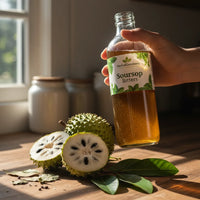
Sustainable Soursop and Moringa Pantry: Sourcing, Seasonality & Storage Guide

Creating a sustainable herbal pantry with soursop and moringa is a journey that blends respect for nature, mindful sourcing, and practical care for quality ingredients. Whether you are just beginning to explore these tropical botanicals or deepening your herbal kitchen skills, building eco-friendly habits around sourcing and storage is essential. This guide provides beginner-friendly insight into where soursop and moringa are grown, how to select responsible suppliers, the best times to purchase for peak freshness, and simple methods to store, preserve, and enjoy these vibrant plants every day.
Understanding Soursop and Moringa Origins
Both soursop and moringa are valued in global culinary and wellness traditions, but they have different origins and cultivation needs.
Soursop: Tropical Bounty
Soursop (Annona muricata), also called graviola, is native to the tropical regions of the Americas, especially the Caribbean, Central, and South America. Today, it is also grown in parts of Africa and Southeast Asia. The fruit and leaves are prized for their unique flavor—reminiscent of pineapple and strawberry with a creamy texture—and their traditional roles in herbal infusions and culinary dishes.
Moringa: The Resilient Green
Moringa (Moringa oleifera) is sometimes called the drumstick tree or "miracle tree" due to its hardiness. Originating from northern India, it flourishes in warm, arid climates from Africa to Asia and the Caribbean. All parts of moringa are used, but the leaves are especially adored as a mild, verdant green addition to teas, soups, and smoothies.
Sourcing Soursop and Moringa Responsibly
A sustainable pantry starts with being mindful of where and how ingredients are sourced.
Choosing Responsible Suppliers
Prioritize suppliers who value organic or wildcrafted harvesting and fair labor practices. Look for:
- Certifications: Organic, non-GMO, or fair-trade certifications can signal environmentally and socially conscious standards.
- Transparency: Brands like Herbal Goodness often share information about their farming communities and sourcing regions on product packaging or websites.
- Traceability: Responsible suppliers can track their product from farm to shelf, reducing risk of adulteration and supporting quality.
Enjoying soursop products grown under these values not only supports your wellness but also the broader ecosystem. A great example is Soursop Leaf Graviola Extract - - Organic 15X Liquid Extract - Cell Renew & Immunity, offering organic assurance and traceable origins.
Supporting Local and Small-Scale Growers
Whenever available, seek out cooperatives or direct importers who work with small-scale farmers, as this helps preserve traditional growing methods and supports community livelihoods.
Understanding Sourcing Challenges
Soursop fruit is highly perishable, which can make ethical sourcing difficult. Dried soursop leaves, powder, or frozen fruit pulp are more readily available outside growing regions. Moringa, by contrast, travels well as a dried leaf, powder, or capsules, making it a pantry-friendly staple year-round. Choosing products like Moringa Leaf Extract - Organic 15X Liquid Extract - Immunity & Wellbeing ensures quality and sustainability even when shopping from afar.
Seasonality: When Are Soursop and Moringa in Season?
Knowing harvest seasons helps you select the freshest, most flavorful herbs and minimize waste.
Soursop Seasonality
- Tropical Climates: Soursop typically fruits during late spring through early fall, depending on region and rainfall. In the Caribbean and Central America, peak fruiting can be from May to September.
- Availability: Outside tropical regions, fresh soursop is rare; dried or frozen products allow for year-round enjoyment.
Moringa Seasonality
- Growing Cycle: Moringa leaves are harvested several times a year in warm climates. In tropical and subtropical regions, the main harvesting periods align with the end of dry seasons, when leaf regrowth is fastest.
- Year-Round Access: Thanks to efficient drying methods, quality moringa leaves or powder are widely available, regardless of season.

Low-Waste Storage and Preservation Techniques
Proper storage not only maintains the quality of soursop and moringa but also minimizes food waste and promotes a sustainable kitchen.
Storing Soursop
Fresh Soursop Fruit
- Short-Term: Store whole soursop in the refrigerator for up to two days. Once ripe, use quickly to enjoy peak flavor.
- To Freeze: Peel, deseed, and portion the pulp into airtight containers or freezer bags. Properly stored, it will last several months.
Dried Soursop Leaves
- Keep dry: Place in a sealed container away from light and humidity—glass jars are ideal. Use within six to eight months.
- For convenient herbal tea, try Soursop Leaf Tea Graviola Leaves - Organic 24/2g Tea Bags - Immunity & Cell Renew, which preserves freshness and flavor.
Soursop Powder
- Airtight storage: Store in a cool, dark cupboard in a tightly sealed container to protect from moisture and loss of aroma.
Storing Moringa
Fresh Moringa Leaves
- Refrigerate: Wrap loosely in a damp cloth and store in the vegetable drawer for several days.
- Freeze: Steam or blanch briefly, let cool, and transfer to airtight containers or freezer bags.
Dried Moringa Leaves or Powder
- Cool, dry storage: Keep in airtight glass containers, away from direct sunlight and moisture for up to one year.
- Moringa fans can opt for Moringa Leaf Extract - Organic 15X Liquid Extract - Immunity & Wellbeing as a shelf-stable alternative to frequent fresh purchases.
Tips for Zero or Low-Waste Herbal Kitchens
- Compost trimmings: Fruit peels, stems, and leaf remnants nourish your garden or houseplants when composted.
- Repurpose leftovers: Soursop pulp from tea infusions can be added to smoothies, while leftover moringa powder brightens salad dressings or baked goods.

Everyday Culinary and Tea Ideas for Soursop and Moringa
Integrating soursop and moringa into your daily routine can be simple, delicious, and resourceful with a few easy approaches.
Simple Culinary Uses for Soursop
- Fresh or Frozen Fruit: Enjoy alone, blended into tropical smoothies, or mixed with coconut milk.
- Soursop Infusion: Steep dried soursop leaves in hot water for 10–15 minutes for a traditional herbal tea. Add a slice of lime or small amount of honey if desired, or simply use Soursop Leaf Tea Graviola Leaves - Organic 24/2g Tea Bags - Immunity & Cell Renew for convenience and sustainability.
- Desserts: Use puree for ice creams or yogurts, avoiding added waste by using all edible parts.
Creative Ways to Use Moringa
- Moringa Tea: Brew 1–2 teaspoons of dried leaves or powder in hot (not boiling) water for a green herbal sip. Moringa Leaf Extract - Organic 15X Liquid Extract - Immunity & Wellbeing makes this easy with pre-prepared liquid form.
- Savory Dishes: Stir moringa powder into soups, stews, or rice dishes for subtle earthy flavor and vibrant color.
- Smoothies: Blend fresh or dried moringa into fruit-based smoothies to enhance daily greens intake.
Tips for Routine Integration
- Start small: Add a pinch of moringa powder to morning meals and experiment with flavor pairings.
- Batch prep: Freeze small cubes of blended soursop pulp for instant use in cold drinks or desserts.
- Mindful enjoyment: Savor the unique flavors as a way to connect to these tropical plants and the cultures that cherish them. Herbal enthusiasts also find immense value in Soursop Leaf Graviola Extract - - Organic 15X Liquid Extract - Cell Renew & Immunity, a convenient and sustainable option for daily inclusion.

Building a Sustainable Herbal Pantry: Practical Considerations
Creating a pantry that respects both planetary health and personal well-being involves ongoing, intentional choices.
Mindful Ingredient Sourcing
- Favor brands or cooperatives that invest in environmental stewardship and empower farmers.
- Ask questions about harvest times, processing, and transportation impacts.
- Engage in community-supported agriculture or local health food co-ops when possible. For conscious herbal selections, options like Soursop Leaf Tea Graviola Leaves - Organic 24/2g Tea Bags - Immunity & Cell Renew and Moringa Leaf Extract - Organic 15X Liquid Extract - Immunity & Wellbeing offer a high degree of transparency and traceability.
Storage Tools and Setup
- Opt for reusable glass jars, fabric bags, or compostable containers to reduce single-use plastics.
- Label contents and dates to minimize forgotten ingredients and maximize turnover of older stock. For those managing a pantry with many teas and herbs, consider bulk options such as our Bulk Herbs collection.
Kitchen Workflow Habits
- Adopt a "first-in, first-out" rotation for dried herbs and powders.
- Schedule regular pantry audits to use up ingredients nearing the end of shelf life.
Handling Overconsumption
- Buy in quantities that suit your actual needs and planned usage.
- Share excess with friends or neighbors to limit waste and cultivate community.
By taking these practical steps, you can craft an herbal pantry that celebrates the flavors and traditions of soursop and moringa while honoring the natural cycles and communities from which they come.
Conclusion: Your Path to a Greener Herbal Pantry
Building a sustainable herbal pantry is more than a shopping habit; it’s a mindful ritual of respect for plants, farmers, and the planet. By learning where soursop and moringa are grown, sourcing from trustworthy suppliers, noting their natural rhythms, and applying low-waste storage methods, your kitchen becomes a place of mindful abundance. With a touch of creativity, soursop and moringa easily find their way into day-to-day meals, encouraging a harmonious, eco-conscious lifestyle.
FAQs:
- What is the best time of year to buy fresh soursop?
Fresh soursop is most abundant in tropical regions from late spring to early fall, with peak fruiting often between May and September. Outside these areas, dried or frozen forms are generally available year-round.
- How do I choose a responsible supplier for soursop and moringa?
Look for suppliers with organic, non-GMO, or fair-trade certifications. Transparency about sourcing regions, farming practices, and supply chain traceability signals a responsible provider.
- What is the best way to store dried moringa leaves?
Store dried moringa leaves in airtight glass containers, away from direct sunlight and moisture. Properly stored, they should retain quality for up to one year.
- How can I use leftover soursop or moringa in my kitchen routine?
Blend soursop pulp into smoothies or frozen desserts. Add moringa powder to soups, salad dressings, or baked goods for an easy, low-waste boost of greens.
- Why is seasonality important when sourcing herbal ingredients?
Seasonality ensures ingredients are harvested at their freshest and most flavorful. Buying with season in mind supports local farmers and helps reduce food waste.
- What are some signs of high-quality moringa powder?
High-quality moringa powder is vibrant green, finely ground, and free of fillers. It should have a mild, earthy scent. Trusted brands provide clear sourcing information.
Author Name:
Herbal Goodness Editorial Team
Author Bio:
The Herbal Goodness Editorial Team specializes in holistic health and superfoods, blending science and nature to educate and empower our community.
References:
Introducing Graviola to Young Taste Buds: Fun, Family-Friendly Flavor Exploration
Graviola in the Classroom and at Home: Creative Activities to Teach Kids About Tropical Plants