Soursop Leaves: Cultural Roots to Supplement Capsules Explained

Soursop leaves, known for their vibrant heritage and unmistakable flavor, have long played a role in diverse cultural practices. Today, they appear in capsule form on supplement shelves worldwide. This evolution raises questions—how did soursop leaves make the transition from cherished herbal teas and poultices to modern, encapsulated supplements? What stories of sourcing and transformation do these capsules contain? In this article, we'll closely trace the journey, using the primary keyword, soursop leaves, to ground each step in context while considering processing, sustainability, and thoughtful questions consumers can ask about authenticity and transparency.
The Cultural Landscape of Soursop Leaves
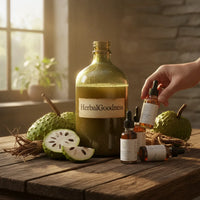
Soursop—also called Graviola or Annona muricata—is a tropical tree whose leaves have been used for generations in regions spanning the Caribbean, South America, and West Africa. For many, soursop leaves hold familial and communal significance, woven into rituals or brewed for enjoyment in shared company.
Traditional Practices with Soursop Leaves
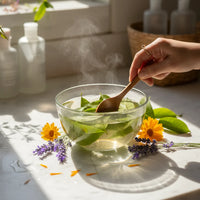
- Teas and Infusions: The most common traditional use involves steeping dried soursop leaves to create aromatic teas—sometimes enjoyed alone, other times paired with other local botanicals.
- Poultices and Topical Use: In select communities, leaves are softened and applied to the skin, often as part of holistic, non-medical wellness routines.
- Cultural Rituals: Soursop leaf preparations sometimes accompany cultural ceremonies or are passed down as home-based knowledge between generations.
Each method preserves sensory cues—aroma, taste, and even the ritual of preparation—emphasizing the cultural meaning of soursop leaves before the modern era of encapsulated supplements.
From Community Gardens to Global Supply Chains: The Sourcing Story
With growing interest in botanicals, soursop leaves have entered global circulation. Where a family once picked fresh leaves from a local tree, capsules today begin their journey in vast, often international supply chains.
Sourcing Regions and Practices
- Native Origins: Soursop is native to the Caribbean, Central and South America, and parts of Africa, where smallholder farmers often oversee its propagation.
- Scaling Up: Demand for soursop leaves in supplements has shifted sourcing to larger agricultural operations, while some brands, such as Herbal Goodness, highlight responsible and ethical sourcing to maintain tradition and quality.
Quality Factors in Sourcing
- Climate and Soil: The environment in which soursop trees grow affects their leaf characteristics.
- Harvest Timing: Leaves are traditionally harvested at specific maturity stages for optimal composition.
- Sustainability Concerns: Mindful consumers often inquire about sustainable harvesting and fair trade practices, especially as wild populations may be affected by overharvesting.
Insight into origin and agricultural practices gives depth to every capsule—considering both place and people.
How Soursop Leaves Are Processed Into Modern Supplements
The journey from vibrant green leaf to soursop leaf capsule is marked by several essential steps, each shaping the final supplement’s identity.
Picking and Drying
- Harvesting: Leaves are plucked, often by hand, ensuring minimal damage to preserve desired properties.
- Drying: Traditionally, leaves are sun-dried; in industrial settings, controlled drying chambers regulate temperature and humidity, aiming to standardize quality.
Milling and Extraction
- Milling: Dried leaves are ground into powder, creating the raw material for teas or capsules.
- Extraction (Optional): Some supplement manufacturers choose to extract specific compounds using water, ethanol, or other solvents, concentrating desired plant elements before drying again.

Encapsulation
- Blending: The powdered or extracted leaf material may be blended for consistency and tested for purity.
- Capsule Filling: Modern machinery places precise amounts of soursop leaf powder into plant-based or gelatin capsules, sealed for freshness.
Quality Control and Transparency
- Testing: Reputable producers test for purity, identity, and safety throughout the process.
- Batch Traceability: Some brands offer traceability from lot number to sourcing region, fostering trust.
Understanding these steps allows for a more transparent connection between the ancestral leaf and the capsule in a supplement bottle. For instance, Soursop Leaf Graviola Extract - Organic 15X Liquid Extract - Cell Renew & Immunity offers insight into how high-strength soursop leaf extractions can provide concentrated plant benefits while maintaining traceability standards.

Packaging and Preservation: Maintaining Authenticity from Leaf to Capsule
Packaging not only protects soursop leaf supplements but also conveys priorities in sustainability and information transparency.
Key Considerations in Packaging
- Material Choice: Recycled or biodegradable materials support sustainable values.
- Freshness Seals: Airtight seals and opaque packaging preserve the subtle flavors and traditional qualities of soursop leaves.
- Labeling: Comprehensive labels provide sourcing details, processing methods, and suggested serving information, helping consumers make educated choices.

Authenticity and Cultural Continuity
- Storytelling: Brands that communicate the journey of soursop leaves through packaging help preserve traditional narratives alongside innovation.
- Support of Traditional Communities: When possible, packaging may recognize the contributions of traditional growers or processors, reinforcing the product’s cultural lineage.
How Processing and Supply Choices Shape Soursop Leaf Capsules
Every step in soursop leaf processing—from selection through packaging—determines the characteristics consumers discover in capsules.
- Flavor and Aroma: Less processed capsules may retain more of the leaf’s natural taste, though the encapsulation process can mute sensory notes compared to traditional teas.
- Consistency and Reliability: Industrial processes aim for consistent composition, appealing to those seeking predictability across batches. Those looking for reliability may prefer Graviola Soursop Leaf Extract – 10X 60/600mg Capsules - Cell Renew & Immunity for standardized strength and dosage.
- Supply Chain Responsibility: Choices about sourcing and manufacturing greatly influence environmental impact and social equity related to soursop leaves.
These differences invite consumers to ask meaningful questions and seek out products that align with their values and curiosity. Those seeking an alternative to capsules might consider Soursop Leaf Graviola Extract - Organic 15X Liquid Extract - Cell Renew & Immunity as a concentrated herbal liquid while still honoring trusted supply practices.
Key Questions for Mindful Soursop Leaf Supplement Choices
Curious about the stories behind soursop leaf capsules? Here are thoughtful questions to ask before choosing a supplement:
- Where are the soursop leaves sourced? Look for information on regional origins and grower relationships.
- What is the harvesting process? Harvest timing and methods matter for quality and cultural respect.
- Is the product sustainably sourced? Seek out sustainability certifications where possible.
- How are the leaves processed and encapsulated? Transparency on drying, milling, and extraction reveals quality priorities.
- Are purity and identity verified through testing? Reputable companies will openly share testing protocols.
- Is the packaging aligned with sustainability and freshness? Materials and seals indicate the level of care from start to finish.
- Does the brand share the story behind the capsules? Narrative transparency bridges the gap between culture and convenience.
Bringing Soursop Leaf Tradition Into Modern Contexts
Soursop leaves have traveled a long way—from ancestral gardens and home-brewed teas to neatly measured capsules gracing supplement shelves worldwide. As the world’s relationship with herbal traditions grows increasingly interconnected, respect for heritage and demand for transparency are more important than ever. When considering a soursop leaf supplement, practical questions about origin, processing, and packaging offer a clearer window into the balance between preservation and innovation. These elements allow today’s consumers to honor ancient wisdom while making informed, responsible choices—carrying the story of soursop leaves into the future with both reverence and awareness.
FAQs:
- What are the traditional uses of soursop leaves?
Soursop leaves have been valued in many cultures for preparing teas and infusions, as well as for their role in traditional topical applications and cultural practices, passed from generation to generation.
- How do soursop leaves turn into capsule supplements?
Soursop leaves are typically harvested, dried, powdered, and either directly encapsulated or further extracted, with careful processing steps to preserve their qualities.
- Why is sourcing important when choosing a soursop leaf supplement?
Knowing where and how soursop leaves are sourced offers insights into quality, environmental sustainability, and connections to traditional cultivation, fostering trust and transparency.
- What packaging features should I look for in a soursop leaf supplement?
Prioritize packaging that maintains freshness, uses responsible materials, and provides clear information on the product’s sourcing, processing, and suggested use.
- How can I ensure the soursop leaf supplement I choose is authentic?
Check for transparency about origin, harvesting, processing, and testing. Reputable brands often share detailed sourcing stories and provide traceable, verifiable product information.
- Is it possible to find sustainably sourced soursop leaves?
Yes, some producers prioritize environmentally responsible harvesting and partner with local growers to support sustainable practices; look for certifications or brand statements regarding these efforts.
- What questions should I ask before purchasing soursop leaf capsules?
Ask about sourcing regions, harvest methods, sustainability practices, processing techniques, purity testing, and the story behind the supplement’s journey from leaf to capsule.
Author Name:
Herbal Goodness Editorial Team
Author Bio:
The Herbal Goodness Editorial Team specializes in holistic health and superfoods, blending science and nature to educate and empower our community.
References:
Introducing Graviola to Young Taste Buds: Fun, Family-Friendly Flavor Exploration
Graviola in the Classroom and at Home: Creative Activities to Teach Kids About Tropical Plants
Why Social Impact Matters in Plant-Based Wellness