





Soursop Leaf Tea: How to Reduce Bitterness for a Better Brew

Soursop leaf tea, with its earthy aroma and subtle tropical notes, has gained attention among herbal tea enthusiasts. But for many trying it for the first time, an unexpected bitterness can make that first sip a challenge. If you’ve ever wrinkled your nose at a too-strong cup or struggled to balance flavor, you’re in the right place. Let’s demystify brewing soursop leaf tea, so you can enjoy this unique beverage on your own terms—smooth, aromatic, and tailored to your taste.
Understanding Soursop Leaf Bitterness: Why It Happens
Soursop leaves naturally contain tannins and plant compounds, which can intensify the bitter edge of the brewed tea. Unlike sweet soursop fruit, the leaf’s robust taste can become overwhelming if not prepared thoughtfully. Bitterness isn’t necessarily bad—it lends depth—but for newcomers, it’s easy to overdo. The goal: highlight the leaf’s best qualities while keeping bitterness in harmony. For those who want to enjoy the benefits without the sharp notes, starting with a trusted, high-quality tea such as Soursop Leaf Tea | Organic Graviola 24 Bags | Soursop Tea Benefits for Immunity & Wellness can make a noticeable difference.
Steeping Time: Your Key Variable for a Milder Cup
The longer soursop leaves steep, the more flavor (and bitterness) they release. Finding a sweet spot in brewing time can transform your tea experience.
- Light Flavor: Steep for 3–5 minutes with just-below-boiling water.
- Moderate Strength: 5–8 minutes typically brings out aroma and gentle earthiness.
- Full-Bodied: 8–12 minutes for those who enjoy strong, bold teas—with a more pronounced bitter note.
If you’re sensitive to bitterness, start with a shorter steep and sample as you go. Remember, it’s easy to add time, but you can’t undo an oversteeped cup! If you want to experiment with less tannic teas, Organic Papaya Leaf Tea | 24 Premium Bags – Caffeine-Free is also a mild, balancing option to rotate in your routine.
Water Temperature: Precision Makes a Difference
Hot water extracts flavors efficiently—but extra-hot water can accentuate the bitter side.
- Ideal Range: Heat water to about 185–200°F (85–93°C). This is just under a rolling boil, perfect for herbal teas like soursop leaf.
- Why: Lower temperatures coax out more aroma and subtle flavors, while extra-hot water pulls out more tannins and sharpness.
Try using a kettle with a temperature setting or let boiled water sit for 1–2 minutes before pouring over your leaves. Using accurate water temperature with quality herbal blends such as those in the Organic Herbal Tea Trio – Build-Your-Own Bundle | Mix & Match Any 3 USDA Organic Herbal Teas & Save 20% will make for a pleasant and personalized tea experience.
Prepping the Leaves: Blanching and Toasting Techniques
Sometimes, small adjustments before steeping can make soursop leaf tea taste smoother.
Blanching
Briefly submerging dried soursop leaves in simmering water (for 10–15 seconds) and then transferring them to your teapot can mellow bitterness while retaining their signature aroma.
How-to:
- Bring a small pot of water to a boil.
- Add the leaves for 10–15 seconds.
- Scoop them out and proceed with regular steeping using fresh water.
Toasting
A gentle toast in a dry skillet intensifies the tea’s nutty undertones while taming astringency.
How-to:
- Place dried leaves in a dry pan over low heat.
- Warm for 1–2 minutes, stirring constantly until they give off a pleasant, nutty scent.
- Remove and brew as usual.
These steps complement high-grade blends—Soursop Leaf Graviola Extract 15X Liquid | Organic Cell & Immunity can be used to experience soursop’s nourishing qualities in liquid form for more customization.
Pairings That Balance and Brighten Soursop Leaf Tea
Layering flavors or adding companions to your soursop brew can create a custom, gentle cup. Here are beginner-friendly ways to enhance taste while toning down bitterness:
Herbs
- Mint or lemongrass: Add a sprig or two during steeping for refreshing notes.
- Basil or rosemary: Earthy herbs balance and sweeten the overall flavor profile.
Citrus Zest
- Lemon or orange peel: Grate a little peel directly into your pot before steeping. Citrus oils enliven aroma and add bright top notes.
Sweeteners
- Honey: A classic, rounding sweetness that brings the tea’s natural flavor forward.
- Maple syrup or agave: Ideal for vegan options; a subtle drizzle adds complexity.
- Stevia or monk fruit: Calorie-conscious alternatives that mask bitterness without altering the character of the tea.
Dairy and Dairy Alternatives
- Coconut milk or oat milk: Swirl in after brewing for a creamy, soft finish.
- Almond milk: Adds a gentle nutty sweetness that pairs well with the tea’s natural earthiness.
These pairings can be mixed and matched according to your palate—don’t be afraid to experiment. For those seeking a full wellness tea experience, consider rotating with Bamboo Leaf Tea 24 Bags | Nature's Silica – Collagen & Biotin Support for new flavor profiles and added health benefits.
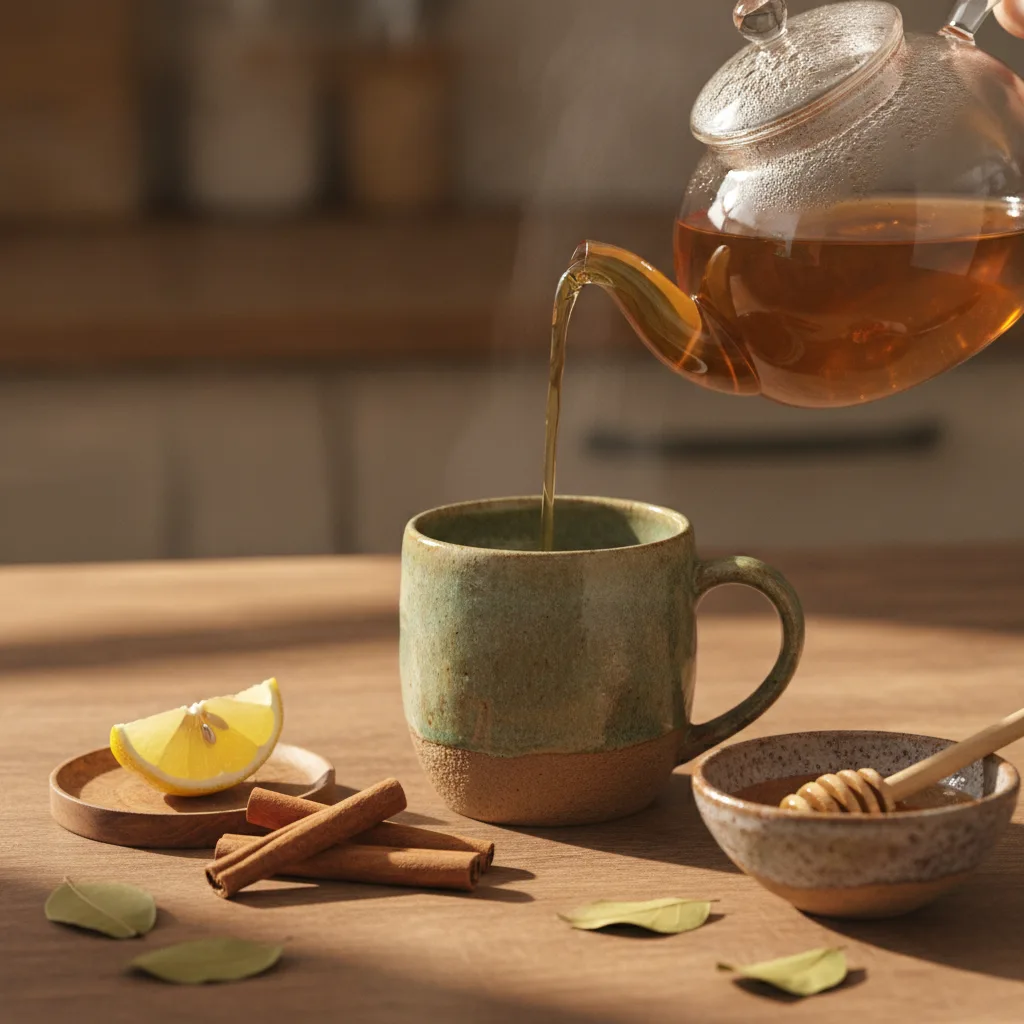
The Gentle Art of Blending: Step-by-Step, Flavor-First Brewing
Here’s how to craft a palatable soursop leaf tea, start to finish:
- Choose your leaves: Use high-quality, dried soursop leaves, preferably organic as provided by trusted brands like Herbal Goodness.
- Prep your leaves: Blanch or gently toast for a smoother base, if you wish.
- Measure and pour: Add 1–2 teaspoons dried leaves per 8-ounce cup.
- Water matters: Use filtered, freshly heated water at 185–200°F (85–93°C).
- Steep with care: Begin with a 3–5 minute steep and taste. If you prefer a bolder cup, extend slowly.
- Balance with extras: While steeping, add herbs, zest, or a touch of sweetener if desired.
- Strain and serve: Pour through a fine sieve and enjoy as is or with your favorite dairy alternative.
- Taste, then tweak: Adjust steeping time or flavorings to suit your taste next time.
If you wish to further support your wellness journey, Soursop Graviola Leaf Extract Capsules 10X | 60ct – Cell & Immunity offer a convenient way to benefit from soursop’s properties without the need for brewing.
Handy Flavor-Balancing Ideas for the Curious Sipper
Once you get comfortable with basics, try these simple kitchen tweaks:
- Double strain to minimize leaf particles—clarifies taste and texture.
- Add a cinnamon stick for warmth in cooler months.
- Try iced soursop tea: After brewing, chill and serve over ice with fresh mint and citrus.
- Experiment with ratios: Mix soursop leaves with a mild green or white tea for a complex blend with subtle bitterness.
Those interested in greater variety can check out Bulk Loose Leaf Teas & Tisanes - Organic 4oz - Herbal Wellness Teas to blend with soursop for personalized tea experiences.

Tasting Checklist: Find Your Ideal Cup
Savoring soursop leaf tea is personal. Use this step-by-step checklist to record your preferences and dial in your perfect brew:
- Aroma: Earthy, floral, or tropical—what do you notice first?
- First taste: Bitterness level (mild/medium/strong)?
- Body: Thin, smooth, creamy?
- Aftertaste: Lingering, refreshing, or bold?
- Pairings: Which add-ins make the best complement for you?
- Overall enjoyment: What would you adjust for your next cup?
Keeping notes helps if you’re exploring sample sets like the Organic Herbal Tea Gift Set | 24 Teabags Wellness Collection.
Troubleshooting Common Bitter Tea Issues
If your soursop tea is still too biting, consider these fixes:
- Leaf quality: Older or over-dried leaves often create sharper bitterness—opt for fresh, well-stored supplies.
- Too much leaf, not enough water: Scale back leaves or increase water volume.
- Water temperature: Ensure it’s not above 200°F. Boiling water can overwhelm delicate flavors.
- Steeped too long: For your next cup, shorten the steeping window.
- No sweetener? A dash of honey, agave, or a little coconut milk can rescue an overly robust brew.
For a well-rounded herbal experience, boxes like Guava Leaf Tea Organic 24 Bags | Immunity & Gut Wellness – Caffeine-Free are gentle to both taste and system.

Making Soursop Leaf Tea a Ritual
Taming bitterness is about curious, gentle exploration. Herbal Goodness advocates for thoughtful, mindful brewing—to make each cup your own. Discovering your favorite prep style unlocks the true spirit of soursop leaf tea: earthy, inviting, and endlessly adaptable.
Frequently Asked Questions
Question 1: How do I make soursop leaf tea less bitter?
Answer: To reduce bitterness, use quality leaves, steep for only 3–5 minutes with water heated to 185–200°F, or try prepping the leaves by blanching or toasting. Sourcing your leaves from reputable brands like Soursop Leaf Tea | Organic Graviola 24 Bags | Soursop Tea Benefits for Immunity & Wellness can also impact flavor.
Question 2: Are there health benefits to drinking soursop leaf tea?
Answer: Yes, soursop leaf tea is valued for its antioxidants and immune-supporting compounds. For those wanting a more potent form, Soursop Leaf Graviola Extract 15X Liquid | Organic Cell & Immunity and Soursop Graviola Leaf Extract Capsules 10X | 60ct – Cell & Immunity are alternatives.
Question 3: What can I blend with soursop leaf tea for better taste?
Answer: Try adding mint, lemongrass, or a bit of citrus zest. For variety, blend with teas like Bamboo Leaf Tea 24 Bags | Nature's Silica – Collagen & Biotin Support or use sweeteners such as honey or agave syrup.
Question 4: Is soursop leaf tea caffeine-free?
Answer: Yes, soursop leaf tea is naturally caffeine-free. If you prefer alternatives, Organic Papaya Leaf Tea | 24 Premium Bags – Caffeine-Free is another herbal choice.
Question 5: Can soursop tea be enjoyed cold or iced?
Answer: Absolutely! Brew as usual, then chill or pour over ice. Adding fresh mint or a bit of citrus makes it especially refreshing. Explore unique blends with Bulk Loose Leaf Teas & Tisanes - Organic 4oz - Herbal Wellness Teas for cold infusions.
Question 6: What is the best time to drink soursop leaf tea?
Answer: Since it’s caffeine-free, soursop leaf tea can be enjoyed any time of day. Many enjoy it in the evening for unwinding or as part of a wellness ritual.
Question 7: How can I keep a consistent flavor each time?
Answer: Record your preferred steeping time, water temperature, and add-ins using a sample pack like the Organic Herbal Tea Gift Set | 24 Teabags Wellness Collection to discover your ideal cup.
Ready to refine your soursop tea ritual? Explore, taste, and experiment with simple kitchen tricks—let each cup be a step toward finding your favorite flavor style.
About the Author
Herbal Goodness Editorial Team
The Herbal Goodness Editorial Team specializes in holistic health and superfoods, blending science and nature to educate and empower our community.
References
Introducing Graviola to Young Taste Buds: Fun, Family-Friendly Flavor Exploration
Graviola in the Classroom and at Home: Creative Activities to Teach Kids About Tropical Plants
Share this
Popular posts


FAQs
1. What are the main benefits of drinking bamboo leaf tea?
Drinking bamboo leaf tea supports hydration, relaxation, skin wellness, and antioxidant balance.
2. What is bamboo leaf extract used for?
It’s used for general body wellness, skin elasticity, hair and nail support, and overall vitality.
3. Can bamboo leaf help with skin care and body wellness?
Yes, bamboo leaf is rich in silica and antioxidants, which promote healthy skin, strong nails, and a youthful glow.
4. What forms of bamboo leaf are available?
You can find dried bamboo leaf, powder, extract, drops, oil, and bamboo leaf green tea.
5. Are there any side effects of bamboo leaf?
Bamboo leaf is generally safe when consumed in moderation. Always consult your healthcare provider before starting any new herbal supplement.