Soursop Leaf Tea: How Harvesting and Brewing Choices Shape Its Flavor and Plant Compounds

For those exploring herbal teas, soursop leaf tea offers a uniquely refreshing experience, shaped by centuries of traditional use and a growing base of curious enthusiasts. Unlike typical herbal infusions, the delicate taste and beneficial plant compounds in soursop leaf tea are highly influenced by how the leaves are harvested, dried, and ultimately brewed. Even subtle choices—such as whether you pick young or older leaves, which drying method you use, or how long you steep—can result in surprising changes to both the cup’s flavor and its blend of naturally occurring plant compounds. This guide will help you understand the impact of these factors and give you practical tips, easy brewing experiments, safety guidance, and creative ideas for pairing soursop tea with complementary flavors.
Understanding the Soursop Leaf: Origins and Basics
Soursop, also known as Graviola or Annona muricata, is an evergreen native to tropical regions of the Americas. Its broad, glossy leaves have long featured in traditional herbal teas and infusions. These leaves are known for their subtle, almost grassy profile with gentle hints of earthiness, but the flavor can change depending on how you handle them from garden to teacup.
Those interested in exploring quality soursop tea can benefit from options like Soursop Leaf Tea Graviola Leaves - Organic 24/2g Tea Bags - Immunity & Cell Renew, which offer a convenient starting point for discovering these subtle flavors at home.
What Influences Soursop Leaf Composition?
The plant compounds in soursop are naturally occurring, and the unique balance of these compounds can shift based on factors including age of the leaf, time of harvest, and processing method. Understanding these variables unlocks the full sensory palette and allows you to customize your tea journey.
The Harvest: Young Versus Mature Leaves
Young Leaves
- Appearance: Lighter green, more tender texture
- Flavor: Mild, vegetal, clean, with light grassy notes
- Compound Content: Young leaves are often preferred for their delicate flavor, but may have milder quantities of plant compounds compared to their mature counterparts.
Mature Leaves
- Appearance: Darker green, thicker, and sometimes tougher
- Flavor: Deeper, earthier notes, sometimes slightly nutty or aromatic
- Compound Content: Mature leaves are more robust in flavor and are thought to contain a different balance of naturally occurring compounds, contributing fuller body and complexity to the tea.
Choosing between young and mature soursop leaves offers an easy way to personalize your tea ritual, or you might want to explore Soursop Graviola Leaf (Whole Leaves) - Organic - 300 + Leaves - Immune & Wellness Support for a versatile, bulk selection to experiment with different leaf ages.
Tips for Home Harvesting
- Harvest leaves early in the morning after the dew has dried for optimal freshness.
- Always use clean, sharp scissors or pruning shears to avoid damaging the plant.
- Try both young and mature leaves to see which flavor profile you prefer.
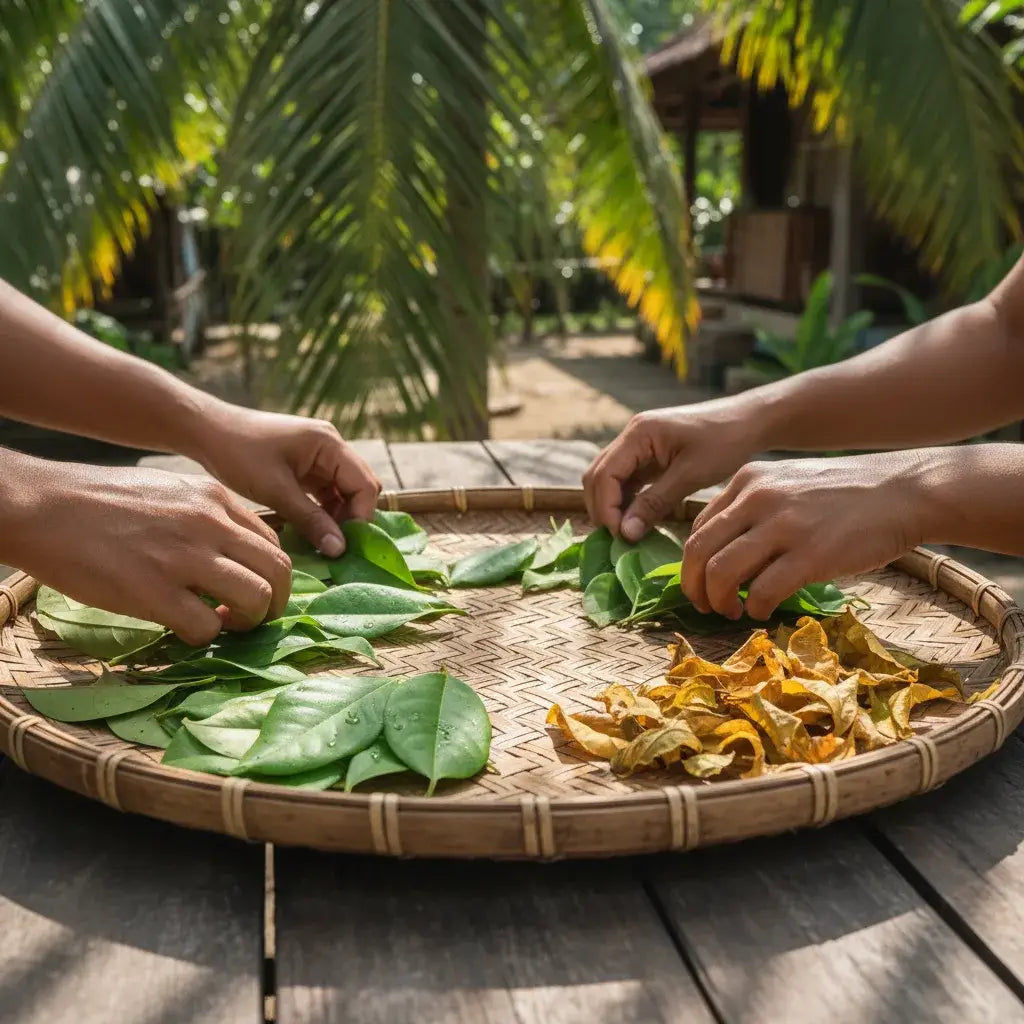
Drying Methods: Sun, Shade, and Oven Techniques
How you dry soursop leaves influences both the flavor and the profile of extracted compounds in your tea.
Sun Drying
- Pros: Quick process, imparts a slightly toasted or sun-kissed character
- Cons: Sun exposure may alter sensitive plant compounds and sometimes cause uneven drying
Shade Drying
- Pros: Promotes gentler drying, potentially preserving more of the delicate flavors and plant compounds
- Cons: Takes longer and requires consistent airflow to avoid mustiness
Oven/Air Drying
- Pros: Controlled temperature and humidity, fast and convenient
- Cons: Can risk over-drying, making the leaves too brittle
For tea lovers seeking fresh or robust notes, exploring sun- and shade-based drying will reveal nuanced changes in their cup. These DIY techniques mirror approaches used by reputable brands that also utilize gentle methods to produce Soursop Bitters Graviola Extract - 120/1000mg Capsules - Immunity & Wellbeing, concentrating the plant’s natural benefits in easy-to-use forms.
Simple Home Experiment
Dry several sets of leaves using different methods. Brew each sample at the same temperature and taste them side-by-side. Note how sun-dried leaves might taste slightly more roasted, while shade-dried ones can be fresher and greener.
Water Temperature: Unlocking Aromas and Compounds
Water temperature is a crucial factor when brewing soursop leaf tea. Too hot, and you may extract harsher flavors; too cool, and you might miss key aromas and desirable compounds.
Optimal Temperature Range
- Recommended: 175°F–185°F (80°C–85°C)
- Reason: Hotter water accelerates extraction but may draw out bitterness. This temperature range highlights pleasant flavors without overwhelming the palate.
For those who prioritize maximizing plant compounds and cellular health from every cup, using the recommended range ensures you benefit from ingredients found in products such as Soursop Leaf Graviola Extract - - Organic 15X Liquid Extract - Cell Renew & Immunity.
Taste Test at Home
Brew one cup with just-boiled water and another with water just below boiling. Notice the changes: higher temperatures bring out stronger, sometimes more astringent notes; lower temperatures make for a mellower, sweeter experience.
Steeping Time: Finding Balance in Flavor
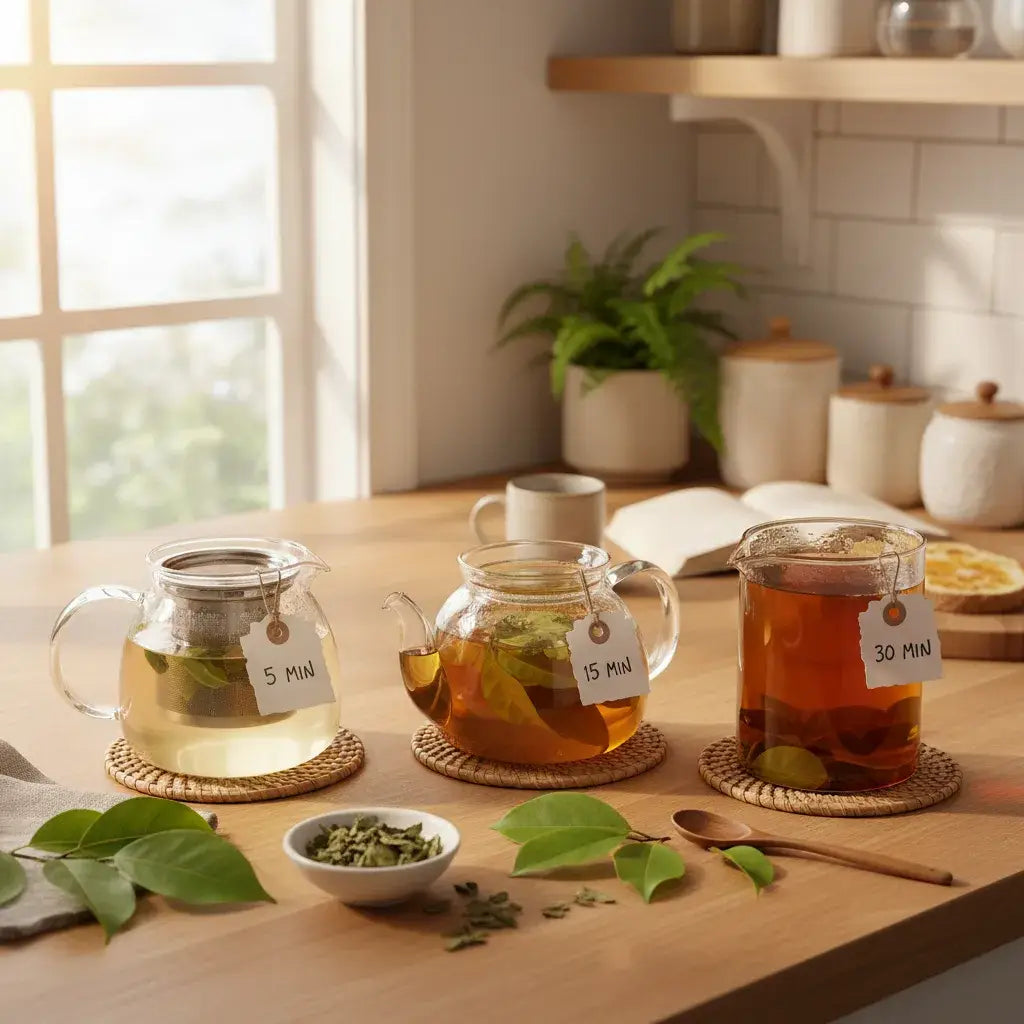
Steep time determines how much of the leaves’ essence is transferred to your cup. Soursop leaf tea responds noticeably to this variable.
Short Steep (3–5 minutes)
- Results in a lighter color and mild flavor
- Best for those who enjoy subtle, refreshing teas
Longer Steep (7–10 minutes)
- Intensifies the color and brings out deeper earthiness
- May introduce more robust undertones
Experienced drinkers of Soursop Leaf Tea Graviola Leaves - Organic 24/2g Tea Bags - Immunity & Cell Renew often appreciate experimenting with steep times to find their ideal cup, noticing the dramatic influence even a few minutes can make.
Customizing Your Cup
Start with a 5-minute steep, taste, and then experiment with longer infusions. Unlike traditional teas, soursop leaves are more forgiving and less likely to turn overly bitter.
Enhancing Your Brew: Pairing and Additions
Soursop leaf tea’s gentle flavor profile provides a canvas for creative pairing and natural enhancements. Here are some ideas for elevating your tea rituals:
Citrus Accents
- Add a thin slice of lime or lemon for brightness.
- A few drops of fresh orange juice create a subtly sweet, aromatic blend.
Herbal Complements
- Mint or lemongrass pairs effortlessly, adding layers of cooling freshness or zesty notes.
- A touch of ginger introduces warmth and complexity.
Natural Sweeteners
- Try a teaspoon of raw honey or agave for delicate sweetness that doesn’t overpower the tea.
- Maple syrup offers a unique twist—especially nice over ice in the summer.
At-Home Blend Inspiration
Combine soursop leaves with dried hibiscus flowers for a tangy, colorful brew, or with dried apple slices for gentle sweetness. Always start with small amounts to balance flavors. If you’re interested in flavorful combinations, the Graviola, Hibiscus, Bamboo Herbal Tea Trio – Bundle (3 Packs) offers inspiration for creative blends.
Simple Experiments You Can Try at Home
Embracing experimentation is key to discovering your ideal soursop leaf tea. Here are easy, beginner-friendly experiments:
- Leaf Age Comparison: Brew young and mature leaves side by side, record flavor and color differences.
- Drying Impact: Try sun- versus shade-dried leaves and note aroma, taste, and cup color.
- Temperature Trials: Brew identical portions using different water temperatures and track taste differences.
- Steep Duration: Sample soursop tea at 3, 5, and 10 minutes to find your preferred steep.
Recording notes about aroma, taste, color, and mouthfeel after each test can help you identify your personal favorite. This kind of experimentation is simple with bulk options like Soursop Graviola Leaf (Whole Leaves) - Organic - 300 + Leaves - Immune & Wellness Support.
Reading Labels, Research, and Staying Informed
While soursop leaf tea has a long heritage in many cultures, research into its full profile of naturally occurring plant compounds is ongoing. Reliable producers provide details on sourcing, leaf age, and drying method. When reviewing labels, look for:
- Clear identification of the leaf source
- Transparency regarding farming and drying techniques
- Suggestions for ideal brewing
For a comprehensive approach, those interested in boosting immunity may also explore products that focus on extract concentration, such as Soursop Leaf Graviola Extract - - Organic 15X Liquid Extract - Cell Renew & Immunity.

Safety Considerations and Quality Practices
Sourcing matters. For at-home harvesting, ensure leaves come from healthy, unsprayed trees. If purchasing dried soursop leaves, select reputable suppliers who follow good quality-control standards.
Be mindful of serving sizes and brew times. As with all herbal teas, moderation is recommended. If you are new to soursop tea, start with a modest cup and observe your response before increasing your intake. For a broader wellness perspective, combining your tea habit with options such as Soursop Bitters - 15X Liquid Extract - Detox & Cell Renew can further support detox routines.
Bringing It Together: The Joy of Soursop Leaf Tea
Soursop leaf tea offers variety and creativity at every stage, from harvest to the final fragrant cup. Whether you prefer bright, fresh flavors from young, shade-dried leaves, or deeper, earthier notes from mature, sun-cured batches, your own choices shape both your sensory experience and the naturally occurring plant compounds in your tea. Try different brewing variables and discover new pairings to fully enjoy this unique, versatile herbal infusion.
FAQs:
- What is the best time to harvest soursop leaves for tea?
The ideal time to harvest soursop leaves is early in the morning after the dew has dried, using clean tools to maintain freshness and preserve the leaf's delicate profile.
- Does the age of soursop leaves affect tea flavor?
Yes, young soursop leaves create milder, fresher flavors, while mature leaves offer a richer, earthier taste. The choice depends on your taste preference and the tea's intended profile.
- What water temperature is recommended for brewing soursop leaf tea?
For the best extraction and flavor, use water heated between 175°F–185°F (80°C–85°C). This range preserves the gentle taste while bringing out subtle plant compounds.
- How long should you steep soursop leaf tea?
A 5-minute steep is a good starting point for a balanced cup. Steeping longer, up to 10 minutes, provides a deeper, more robust flavor if desired.
- Can I combine soursop leaf tea with other ingredients?
Yes, soursop leaf tea pairs well with citrus, ginger, mint, or gentle sweeteners like honey. Blending with other herbs can complement or highlight its mild character.
- Are there specific safety tips for making soursop leaf tea at home?
Always source leaves from healthy trees or reputable suppliers, adhere to recommended serving sizes, and begin with moderate quantities, especially when trying soursop leaf tea for the first time.
- Does drying method really impact soursop tea flavor?
Absolutely; sun drying imparts more roasted notes, while shade or controlled oven drying helps maintain fresh, green qualities in the finished tea.
Author Name:
Herbal Goodness Editorial Team
Author Bio:
The Herbal Goodness Editorial Team specializes in holistic health and superfoods, blending science and nature to educate and empower our community.
References:
Introducing Graviola to Young Taste Buds: Fun, Family-Friendly Flavor Exploration
Graviola in the Classroom and at Home: Creative Activities to Teach Kids About Tropical Plants