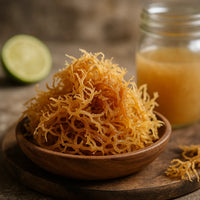
Sea Moss Prices Explained: Understanding Cost Factors and Value for Buyers

Sea moss has soared in popularity as a plant-based superfood, showing up everywhere from social media to specialty stores. Yet, it doesn’t take long for new shoppers to notice: sea moss prices can be all over the map. Whether you’re hoping to try dried sea moss, gels, or capsules, understanding what actually drives these price differences is key to making confident, informed choices. This practical guide breaks down the core non-technical reasons that influence costs—from species and harvesting methods to packaging and certifications—so you can spot meaningful quality versus simple marketing.
Sea Moss Species and Origin: The Foundation of Price Differences
One of the first things influencing sea moss prices is the species and where it’s grown. While "sea moss" is a common term, it includes several different types of red algae—most notably Eucheuma cottonii and Gracilaria (often called Jamaican sea moss), and Chondrus crispus (commonly known as Irish moss). Each type offers its own texture, color, and mineral profile, but availability varies significantly depending on region and traditional harvesting practices.
Species grown in colder Atlantic waters, like Irish moss, tend to be less abundant, require more intensive harvesting, and may fetch higher prices. In contrast, sea moss cultivated in warm Caribbean regions is often more plentiful and harvested in larger quantities, which can impact cost. For buyers, it’s important to check what species is being offered, as this often lays the groundwork for price expectations.
Geographic Origin Matters
Beyond species, where sea moss is sourced influences transport costs, availability, and even ethical considerations. Sea moss from regions with longer shipping routes or stricter environmental regulations may involve higher logistical and compliance expenses. Local economies and fair trade standards—such as community-based wildcrafting versus large-scale farms—also play a part in cost. Responsible buyers may wish to support traditional harvesting communities, which can result in higher, though more ethically justifiable, price points.
Wildcrafted vs. Farmed Sea Moss: How Harvesting Affects Cost and Value
A major price factor relates to how sea moss is harvested. The terms 'wildcrafted' and 'farmed' appear frequently on packaging, and understanding their meaning helps explain cost differences.
-
Wildcrafted sea moss is hand-harvested from ocean rocks in its natural habitat. This labor-intensive method often produces sea moss with varied appearance, reflecting true ocean conditions. Harvesters usually follow local customs and environmental stewardship, sometimes limiting how much can be gathered in a season. These careful practices can mean higher prices, signaling both ecological respect and a premium for natural growth.
-
Farmed sea moss, on the other hand, is cultivated in controlled ponds or ocean enclosures. While farming allows for greater year-round supply and often keeps costs down, quality and nutritional density can vary depending on farming practices. Prices may be lower, but discerning buyers might want to research how farmed products are managed to ensure standards align with their values.
If you want to experience the difference that careful, sustainable harvesting makes, consider trying high-quality wildcrafted Sea Moss - Raw Dried from St Lucia - 8oz Bag - Nature's MultiVitamins, which is sourced directly from pristine waters and handled with the utmost care.
Drying and Processing: Not All Methods Are Equal
After harvesting, how sea moss is dried and processed further drives price. Traditional sun-drying on clean nets or rocks is slow, weather-dependent, and labor-intensive, often producing an artisanal product prized by many for its minimal processing. This hands-on approach may raise the cost, but can help retain the natural color, aroma, and integrity of the sea moss.
Some suppliers use artificial drying (such as ovens or dehydrators) or even chemical rinses to speed up processing, cut labor costs, and boost shelf life. While more affordable, these shortcuts might affect the natural characteristics or appeal of the final product. Buyers interested in transparency should look for brands or sources that describe their processing methods clearly; artisanal drying generally means higher price but often signals careful handling.

When comparing products, Sea Moss Gel 16 oz – Nutrient-Rich Superfood for Everyday Wellness offers convenience and purity for those interested in ready-to-use options.
Testing, Quality Control, and Certifications: Added Assurance Has a Cost
Buyers who seek tested or certified sea moss—for example, non-GMO, organic, or contaminant-free labels—should expect to pay more. Laboratory analysis and third-party certifications require additional time, resources, and financial investment by producers. These costs are reflected in retail prices, but can offer peace of mind regarding product purity, environmental responsibility, and truthful labeling.
- Certifications: Whether it’s USDA Organic, Fair Trade, or region-specific certifications, each adds a layer of credibility and accountability. Higher price tags on these products often compensate for rigorous record-keeping, audits, and the practices needed to meet these standards.
- Testing: Regular batch testing for heavy metals or microbiological quality protects both the consumer and the brand. While not always visible to the naked eye, investing in quality assurance leads to higher price points in exchange for a higher transparency standard.
For people prioritizing these assurances, seeking out certified our Bulk Herbs collection can provide a blend of quality and peace of mind.
Packaging and Shipping: How Presentation and Protection Add Up
It’s easy to overlook the effect of packaging and shipping on sea moss prices, but these factors play an essential role. High-quality, airtight, and eco-friendly containers offer more than shelf appeal; they help preserve freshness, prevent spoilage, and maintain sea moss’s natural qualities during storage and transport.
- Resealable bags, glass jars, or UV-protected pouches all add expense relative to basic plastic bags.
- Shipping from distant regions (for example, Caribbean islands to the U.S.) tacks on freight, customs, insurance, and handling fees, especially on small-batch, wildcrafted offerings.
- Bulk packaging may help lower costs per ounce, while individually portioned or luxury packaging tends to increase retail prices.

For those seeking value, bulk sea moss can provide more product for your budget, especially if you plan to use it regularly.
Evaluating Fair Value: Practical Tips to Cut Through the Hype
Navigating sea moss prices can feel overwhelming. However, there are a few straightforward strategies for making sure what you pay reflects true value rather than slick marketing.
1. Research the Source
Look for brands or vendors who clearly state where and how their sea moss is harvested and processed. Genuine transparency builds trust and helps you understand what justifies a higher or lower price.
2. Review Processing Details
Careful, mindful drying and minimal processing often suggest greater value and quality, especially if the process is outlined in detail. If this information is missing or unclear, be cautious about paying premium prices.
3. Check for Certifications or Testing
If certifications or independent testing are important to you, confirm these are legitimate and up-to-date. Remember that these assurances cost money to provide; expect higher prices, but also weigh the assurance they bring.
For consumers who want this extra confidence, select items such as our Bulk Herbs collection that clearly display certifications and quality standards.
4. Weigh Packaging and Transport
Simple packaging may be perfectly acceptable for personal use, but superior freshness or presentation has justifiable costs. If buying from overseas, factor in the added shipping and customs expense rather than comparing it one-to-one with local sources.
5. Avoid Overhyped Claims
Some products use wording like "premium," "superior," or "miraculous" without clear supporting details. Focus instead on facts: species, source, harvest method, and verifiable third-party quality assurances.

6. Consider Batch Size and Usage
When comparing prices, assess how long each package might last. Sometimes a higher initial price for larger or higher-quality batches can offer better value per use than budget-friendly alternatives. For example, multi-use Sea Moss Gel 16 oz – Nutrient-Rich Superfood for Everyday Wellness is ideal for those seeking daily support and ease of use.
Balancing Ethics and Budget: What Matters Most in Your Purchase?
For many buyers, it’s important that their investment supports both personal values and global wellbeing. Choosing sea moss that’s wildcrafted by traditional harvesters, certified for environmental practices, or packaged responsibly may cost more, yet this can align your purchase with a greater sense of connection and stewardship.
Ultimately, the best sea moss for you matches your priorities—whether that’s ethical sourcing, verified purity, or simple, affordable nutrition—without falling for empty claims. With the practical tips above, you’re well equipped to tell genuine quality from mere marketing.
FAQs:
- Why are some sea moss products much cheaper than others?
Lower-priced sea moss often comes from farmed sources, simpler packaging, or less costly regions. Cheaper products may not undergo the same testing or may skip certification and traditional drying methods, all of which affect ultimate cost.
- Does wildcrafted sea moss always mean better quality?
Wildcrafted sea moss is valued for its traditional harvesting methods and natural conditions, but quality can vary by location, handling, and drying. It typically costs more due to labor and sustainability practices.
- How can I tell if a higher price means better quality sea moss?
Look for details beyond price, such as transparent sourcing, traditional or minimal processing, certifications, and independent testing. These factors usually indicate greater care, though not always.
- Are certifications and test results worth the extra cost?
Certifications and regular testing add assurance regarding purity and sourcing practices. For some buyers, these assurances justify the higher cost, especially for products consumed regularly.
- Does packaging affect sea moss quality?
Packaging impacts freshness, shelf life, and product safety. Airtight, UV-protected, or eco-friendly packaging may raise the cost but can be worth it for preventing spoilage and preserving natural characteristics.
- What’s the most important thing to check when buying sea moss?
Verify the source, harvest method, and details about how the sea moss is handled and tested. Clarity on these points helps to gauge if the price reflects genuine value or unnecessary markup.
Author Name:
Herbal Goodness Editorial Team
Author Bio:
The Herbal Goodness Editorial Team specializes in holistic health and superfoods, blending science and nature to educate and empower our community.
Related blogs:
Platelet Increase Supplements: Navigating Search Results and Sellers Wisely
How Silica Is Measured in Bamboo Extracts: Lab Tests, COAs & Buyer Tips
Caffeine-Free Soursop Morning Rituals for Vitality
Premium Soursop Leaf Extract: Chef’s Guide to Cooking, Pairing, and Safe Dilution
History and Traditions of Liquid Hair Tonics: Rinses, Oils, and Supplements
If ‘Soursop Bitters Near Me’ Comes Up Empty: Flavor-First Alternatives Guide
Tasting and Mixing Organic Rhodiola Liquid Extract: Beginner’s Flavor & Recipe Guide
Where to Find Small-Batch and Local Graviola (Soursop) Capsules: A Practical Shopper’s Map