





Sea Moss Farming 101: From Ocean to Pantry—Cultivation, Harvesting, and Processing Explained

Raw organic sea moss has gained remarkable attention for its nutritional value and versatility, making it a sought-after addition to kitchen cabinets and wellness routines. Yet, few shoppers know the journey this fascinating sea vegetable takes from coastal waters to their pantry shelf. Understanding how sea moss is cultivated, harvested, and processed, as well as the distinctions between wild-harvested and farmed sources, can help you make informed decisions about quality, price, and environmental responsibility. Here, we break down the essentials of sea moss farming, illuminate what makes sea moss "organic," and guide you through the steps that bring raw sea moss from tide to table.
Introduction to Raw Organic Sea Moss
Sea moss, also known as Irish moss or by its botanical name Chondrus crispus, is a nutrient-rich marine algae treasured worldwide. Primarily sourced from coastal regions of the Atlantic and Caribbean, sea moss is enjoyed in its raw form and in various processed products. When the label reads "raw organic," it often means the sea moss was grown or harvested in clean waters with minimal human intervention, adhering to rigorous standards that keep the natural habitat and product intact. Understanding how sea moss gets from its ocean home to your kitchen starts with knowing where and how it grows. For those eager to try it for themselves, exploring Sea Moss - Raw Dried from St Lucia - 8oz Bag - Nature's MultiVitamins is a great way to experience authentic raw dried sea moss.
Wild-Harvested vs. Farmed Sea Moss: Key Differences
Wild-Harvested Sea Moss
Wild-harvested sea moss is gathered by hand from natural ocean locations where it grows on rocks, reefs, or tidal pools. Small-scale harvesters collect mature sea moss, ensuring younger plants remain and preserving the surrounding ecosystem. This method:
- Relies on established wild populations
- Follows sustainable practices to protect marine habitats
- Can result in seasonal variability in availability and quality
Wild-harvested sea moss often commands a higher price due to its limited supply and the careful labor involved.
Farmed Sea Moss: Aquaculture in Action
Farmed sea moss is grown in controlled ocean plots, often using ropes or nets suspended in nutrient-rich, shallow waters. These small aquaculture operations are widespread in the Caribbean, especially in St. Lucia and Jamaica. Key aspects include:
- Regular monitoring of water quality
- Greater consistency in harvest times and yields
- The ability to scale to meet demand without overharvesting wild stocks
Farmed sea moss makes the ingredient accessible year-round and can reduce strain on natural sea moss populations. Its consistent quality has contributed to the popularity of convenient Sea Moss Gel 16 oz – Nutrient-Rich Superfood for Everyday Wellness among wellness seekers.
Comparative Overview
Wild-Harvested:
- Grows naturally on rocks
- Limited by season and wild populations
- May have more diverse nutrient profiles
- Often more expensive
Farmed:
- Grown using ropes/nets in selected locations
- Can be produced throughout the year
- Yields are more predictable
- Typically more affordable and widely available
Cultivation: How Sea Moss Is Grown
Natural Coastal Habitats
Sea moss thrives in coastal environments where clean, moving seawater provides nutrients and sunlight. Wild populations attach themselves to rocks, receiving optimal exposure to waves and tides. In colder Atlantic waters, Chondrus crispus is the dominant species, while in Caribbean aquaculture, Gracilaria species are often farmed.
Sea Moss Aquaculture Methods
To meet growing demand and safeguard wild stocks, sea moss aquaculture uses several techniques:
Rope and Net Farming
- Sea moss cuttings are tied to suspended ropes or laid across nets in shallow, protected bays.
- The setup is secured to floating buoys, ensuring optimal sunlight and nutrient flow.
- Farmers routinely check lines for growth, clean off debris, and deter competing algae.
Water Quality Management
- Location selection is crucial—remote sites far from pollution ensure the integrity of raw organic sea moss.
- Regular water sampling helps farmers monitor potential contaminants and salinity.

Sustainable Cultivation Practices
- Only portions of mature sea moss are harvested, allowing for regrowth.
- Sites are rotated to avoid overuse and promote continued health of the habitat.
Harvesting: Gathering Sea Moss at Peak Quality
Harvesting typically occurs every six to eight weeks, once the sea moss has matured. Whether wild or farmed, the following principles guide the collection process:
Careful Collection
- Hand Harvesting: Workers pull sea moss from rocks or aquaculture lines, ensuring roots and regrowth nodes remain intact.
- Minimizing Bycatch: Efforts are made to avoid disturbing other marine life or habitats.
Immediate Post-Harvest Handling
After collection, sea moss is typically:
- Rinsed with seawater to remove excess sand and debris
- Sorted to separate mature, healthy sea moss from underdeveloped or damaged pieces
Care in this step is vital—improper handling can impact appearance and shelf life. Carefully handled moss is often the first choice for making sea moss gels, which retain the beneficial qualities of the raw material.
Cleaning and Post-Harvest Processing
Thorough Rinsing
Once ashore, the sea moss undergoes multiple washes—first with ocean water, then with freshwater—to remove remaining sand, salt, or surface impurities. This process also removes small shells and any other debris. For a pure, natural experience, look for products labeled as Sea Moss - Raw Dried from St Lucia - 8oz Bag - Nature's MultiVitamins, which reflects this careful processing.

Sun Drying
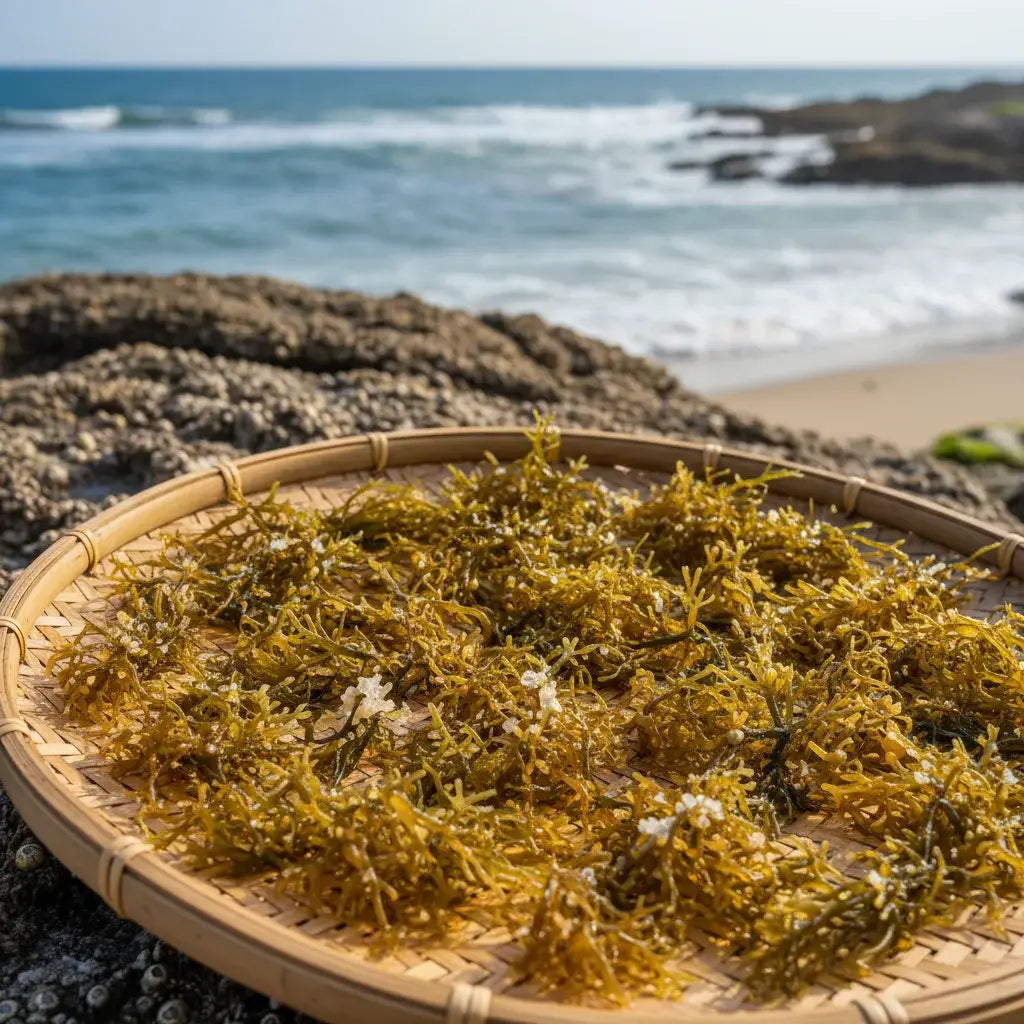
Traditional sun drying is favored for preserving the natural color, texture, and nutrients of raw sea moss:
- Sea moss is arranged on racks or breathable mats in direct sunlight
- The drying period lasts several days, depending on humidity and temperature
- Turning the sea moss ensures even dehydration
Alternative Drying Methods
In areas with higher humidity or during rainy seasons, some producers use low-temperature dehydrators. Air circulation is key to prevent clumping or moisture build-up. Whether sun-dried or gently dehydrated, these methods help produce products that are later transformed into various wellness options, including Sea Moss Gel 16 oz.
Final Quality Checks
Before packaging, the product is:
- Inspected for uniform dryness and absence of visible impurities
- Sorted again to remove misshapen or subpar pieces
Typically, quality raw organic sea moss appears slightly golden or purple (depending on species), with a firm but pliable texture.
Basic Processing: Preparing Sea Moss for Sale
Packaging Raw Sea Moss
Once dried, raw sea moss is packaged in airtight, food-safe containers or resealable bags. Organic packaging protocols may also require:
- Sanitation of all handling and storage areas
- Minimal usage of plastics and non-biodegradable materials
Value-Added Sea Moss Products
While raw sea moss is popular, some producers offer:
- Pre-washed and cut sea moss for easy use
- Sea Moss Gel 16 oz – Nutrient-Rich Superfood for Everyday Wellness made by blending rehydrated sea moss with water
- Sea moss powders for convenient mixing
Such value-added products require further hygiene controls and traceability, promoting peace of mind for shoppers seeking exceptional quality.
What Does "Organic" Mean for Sea Moss?
Unlike land farming, certifying sea moss as “organic” involves additional complexities. Generally, organic sea moss comes from:
- Waters free of industrial runoff or pollutants
- Farms or wild harvesters following eco-friendly practices
- Operations avoiding agricultural chemicals, artificial growth promoters, or synthetic preservatives
Some regions and certifiers have detailed standards for organic marine products, while in other areas, "organic" is more loosely defined. For shoppers, this means:
- Always look for recognized third-party organic certifications, if available
- Ask suppliers about harvesting locations and handling procedures. Reliable Sea Moss - Raw Dried from St Lucia with transparency about origin and processing help ensure a high standard.
Availability, Pricing, and Environmental Considerations
Why Does Raw Organic Sea Moss Vary in Price?
Several factors affect how much you pay for raw sea moss:
- Harvesting Method: Wild-harvested is often pricier than farmed due to limited supply and manual collection
- Geographic Origin: Import costs, local regulations, and labor expenses all play a role
- Handling and Certification: Adherence to organic standards and thorough post-harvest processing adds value. Gels and powders created from carefully sourced Sea Moss Gel 16 oz – Nutrient-Rich Superfood for Everyday Wellness often command a premium for their purity and convenience.
Environmental Footprints of Sea Moss Production
Both wild-harvest and farmed sea moss have distinct impacts:
- Wild-Harvest: Can support traditional livelihoods and coastal economies when managed sustainably
- Farmed: Helps alleviate pressure on natural populations and may promote coastal restoration, but requires careful site management to avoid ecological disruption
Eco-conscious consumers are encouraged to support reputable brands and producers who prioritize sustainability, traceability, and habitat health at each stage. You can also consider other nutrient-dense ocean botanicals and greens, such as Bamboo Leaf Tea – 24/1.5g Tea Bags - Nature's Collagen & Biotin, as part of a broad approach to wellness.
Making Informed Decisions as a Sea Moss Shopper
Understanding the journey of raw organic sea moss from the ocean to your kitchen empowers you to choose products that reflect your values—whether that means prioritizing sustainability, supporting small harvesters, or seeking out certified organic sources. Always check for available certifications and seek transparency from your suppliers. The next time you add Sea Moss - Raw Dried from St Lucia - 8oz Bag - Nature's MultiVitamins to your pantry, you’ll have a deeper appreciation for the complex process behind this natural resource and its role in both marine environments and nutritious living.
FAQs:
- What is the main difference between wild-harvested and farmed sea moss?
Wild-harvested sea moss grows naturally on rocks or reefs and is collected by hand in coastal environments, while farmed sea moss is cultivated in controlled aquaculture systems using ropes or nets for more consistent yield and year-round availability.
- How is raw organic sea moss typically cleaned and processed?
Raw organic sea moss is rinsed thoroughly with seawater and then freshwater to remove sand and debris, followed by sun drying or dehydrator drying before packaging. The process maintains its natural color and texture.
- What does ‘organic’ mean when it comes to sea moss?
Organic sea moss is harvested or farmed in areas free from pollutants and industrial runoff, using eco-friendly practices without synthetic chemicals. Some products may carry third-party certifications to verify these standards.
- Why does the price of raw organic sea moss vary between suppliers?
Prices fluctuate based on harvesting method, geographic origin, supply chain factors, and whether the sea moss meets organic standards or undergoes extensive post-harvest processing.
- Does farming sea moss help protect natural ocean habitats?
Farmed sea moss can reduce the harvest pressure on wild sea moss populations and be part of sustainable coastal management practices, provided it is done responsibly.
Author Name:
Herbal Goodness Editorial Team
Author Bio:
The Herbal Goodness Editorial Team specializes in holistic health and superfoods, blending science and nature to educate and empower our community.
References:
Introducing Graviola to Young Taste Buds: Fun, Family-Friendly Flavor Exploration
Graviola in the Classroom and at Home: Creative Activities to Teach Kids About Tropical Plants